Some films leave you with a thrill, others a warm glow. And then there are films like James Foley’s At Close Range (1986), which leave a distinct, cold knot tightening in your stomach long after the credits – or, back in the day, the VCR’s auto-rewind – has finished. It doesn't announce itself with fanfare; instead, it creeps under your skin, a chillingly quiet exploration of familial bonds turned toxic, grounded in a darkness made all the more disturbing because it actually happened. It asks a devastating question: What happens when the figure meant to guide you is the very source of your potential destruction?
### The Devil Wears Denim
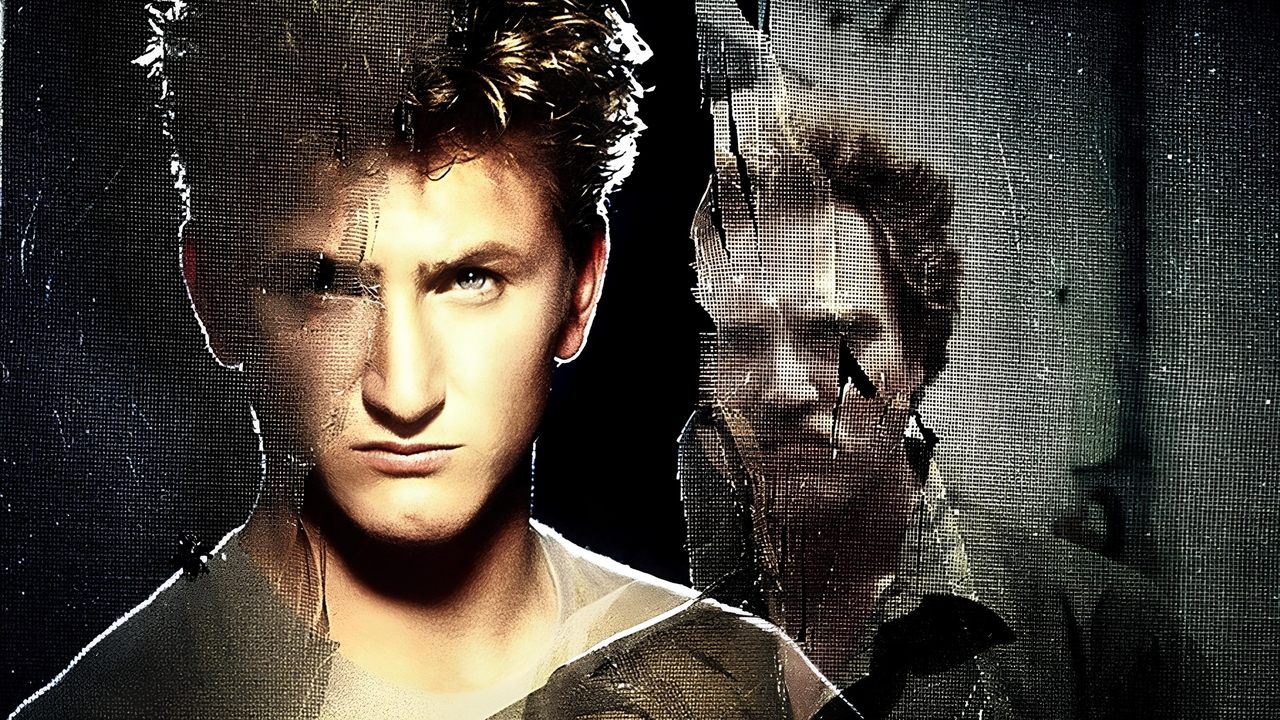
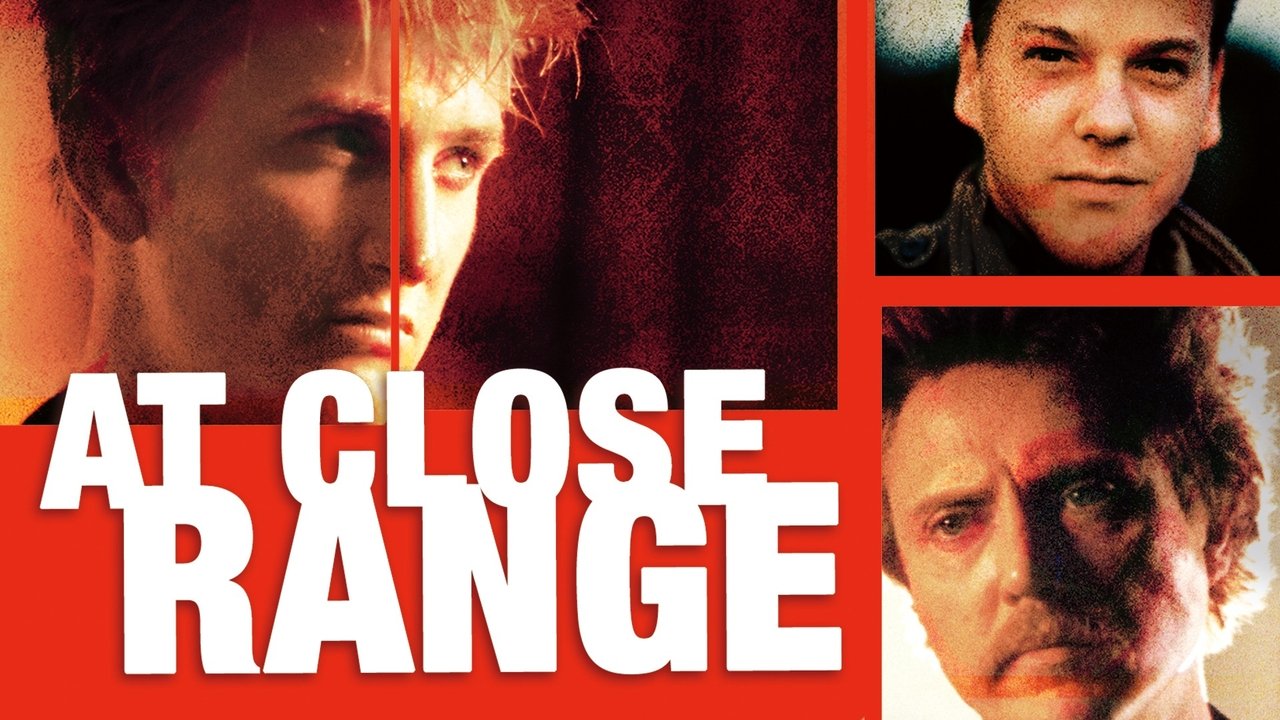
At the dark heart of At Close Range is Brad Whitewood Sr., portrayed by Christopher Walken in a performance that remains one of the most unsettling depictions of charismatic evil committed to celluloid. Walken doesn't play Sr. as a cackling villain. Instead, he imbues him with an eerie, almost seductive charm – a casual confidence, a flash of paternal pride – that makes his underlying monstrosity all the more potent. He’s the estranged father his sons, particularly Brad Jr. (Sean Penn), initially look up to, seeing his criminal enterprise not as inherently wrong, but as a pathway to excitement and quick money in their dead-end rural Pennsylvania town. Walken’s genius lies in the flickers of genuine emptiness behind the eyes, the way his smile never quite reaches them, the sudden, terrifying shifts from laid-back patriarch to ruthless predator. It's a performance built on suggestion and coiled tension, far more frightening than overt menace. Knowing this character was based on the real-life Bruce Johnston Sr., leader of a notorious rural crime gang responsible for multiple murders in the 1970s, lends the film a layer of profound horror. This wasn't just fiction; it was a shadow of truth.
### A Son's Impossible Choice
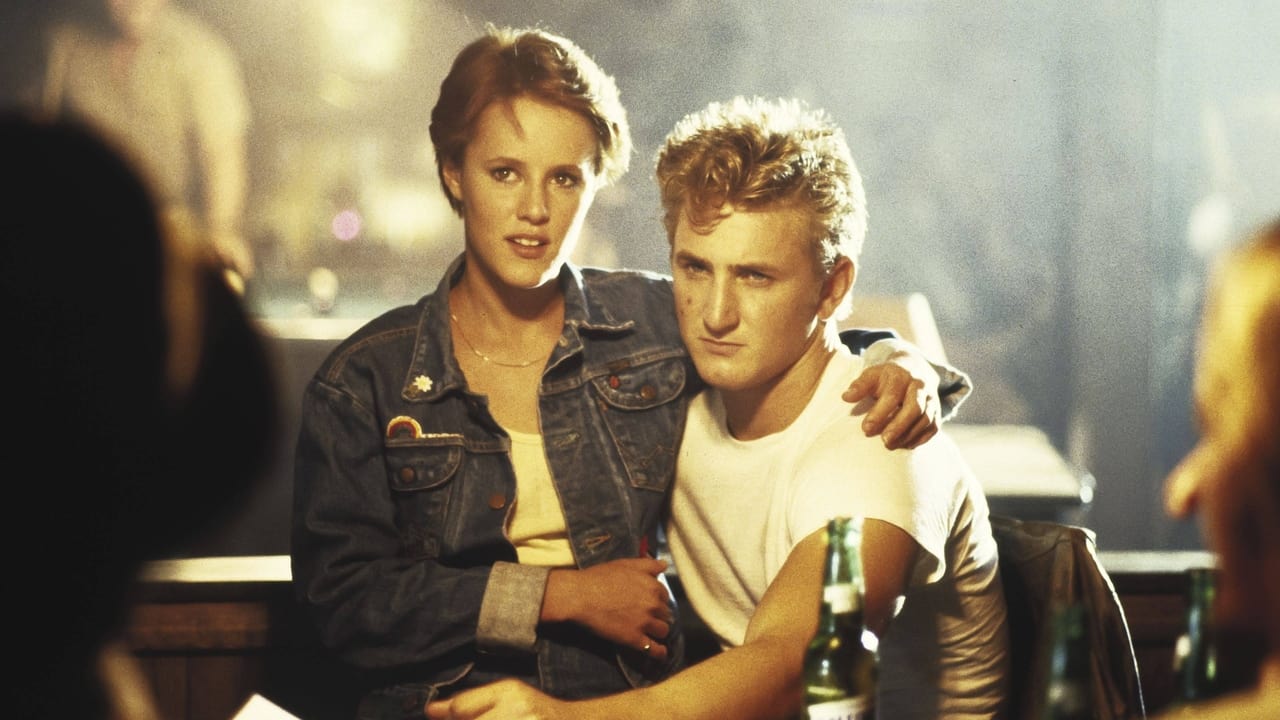
Opposite Walken, a young Sean Penn delivers a performance of raw, wounded intensity as Brad Jr. He perfectly captures the restless energy of youth yearning for something more, initially mistaking his father’s criminal lifestyle for freedom and respect. Penn makes you feel Brad Jr.’s desperation for paternal approval, the slow, agonizing dawn of realization about his father's true nature, and the devastating consequences of being drawn into his orbit. It’s a largely reactive performance, his expressive face conveying a storm of conflicting emotions – admiration turning to fear, loyalty curdling into revulsion. The dynamic between Penn and Walken is electric, charged with unspoken history and inevitable betrayal. It’s fascinating to note the deeper family connections within the cast: Sean Penn's real-life brother, the late, great Chris Penn, plays his on-screen brother, Tommy, adding an authentic fraternal dynamic. And their actual mother, Eileen Ryan, plays their grandmother, bringing a quiet gravitas to her scenes. These connections somehow deepen the film's exploration of tangled family loyalties.
### Faded Dreams in Farm Country
Adding a crucial counterpoint to the film’s encroaching darkness is Mary Stuart Masterson as Terry, Brad Jr.’s girlfriend. Masterson brings a luminous authenticity to the role; Terry represents a potential escape route, a glimpse of a normal life away from the suffocating legacy of the Whitewood name. Her relationship with Brad Jr. feels touchingly real – tentative, sweet, yet ultimately fragile against the forces pulling him down. Her fate serves as one of the film’s most brutal gut punches, illustrating the devastating collateral damage of Sr.’s world. James Foley, who would later demonstrate his skill with actors in films like Glengarry Glen Ross (1992), directs with a measured, atmospheric hand. He lets the story unfold patiently, allowing the dread to accumulate organically. Working with cinematographer Juan Ruiz Anchía, Foley captures the stark beauty and underlying decay of the rural landscape, making the setting itself a character – seemingly idyllic farmlands masking a hidden rot.
### The Sound of Foreboding
The film’s mood is significantly amplified by its soundscape. Patrick Leonard’s synth-heavy score is effective, but it’s Madonna’s haunting theme song, "Live to Tell," that truly elevates the atmosphere. Reportedly, Madonna (who was married to Sean Penn at the time) wrote the song after seeing a rough cut, and James Foley, having directed some of her music videos, integrated it perfectly. It wasn't just tacked on; the song’s melancholic melody and lyrics about surviving secrets and betrayal became inextricably linked with the film’s somber tone, playing over key moments and the end credits, leaving you adrift in the story's bleakness. It was a massive hit, likely bringing more attention to the film than its modest $6.5 million budget and subsequent quiet $2.3 million box office run might have otherwise garnered. It’s a prime example of a song transcending tie-in status to become part of a film's very soul.
### Truth, Trauma, and Legacy
At Close Range isn't an easy watch. It eschews neat resolutions and catharsis, opting instead for a stark portrayal of the devastating consequences of inherited violence and the impossibility of escaping one's roots when those roots are poisoned. It’s a film that lingers because of its commitment to emotional realism, even amidst the crime plot mechanics. It doesn't flinch from the ugliness of its characters' choices or the brutal reality that inspired it. Watching it again now, perhaps on a format far removed from the well-worn VHS tape I first saw it on, its power hasn't diminished. If anything, its exploration of toxic masculinity and the cycles of abuse feels depressingly relevant. Was there ever truly a chance for Brad Jr. to break free, or was his fate sealed the moment his father reappeared? The film leaves that uncomfortable question hanging in the air.
***
VHS Heaven Rating: 9/10
Justification: At Close Range earns a high score primarily due to the towering, career-defining performances from Christopher Walken and Sean Penn. Walken's chilling portrayal of charismatic evil is unforgettable, while Penn provides the raw, emotional anchor. James Foley's direction masterfully builds atmosphere and dread, supported by strong cinematography and the iconic Madonna theme. Its basis in a disturbing true story adds significant weight. While its bleakness and deliberate pace might not appeal to everyone, and it was overshadowed commercially upon release, its artistic merits – particularly the acting and pervasive mood – make it a standout, deeply unsettling crime drama from the 80s that has rightfully gained esteem over time. It's a near-perfect execution of its grim intentions.
Final Thought: This film is a potent reminder that sometimes the most terrifying monsters aren't supernatural, but bear the familiar faces of family – a truth that makes At Close Range resonate with a cold, uncomfortable persistence long after the screen goes dark.