Sometimes a film arrives like a ghost, drifting into view years after its essence was first captured, carrying the weight of unseen battles fought behind the curtains of Hollywood. James Gray's The Yards (2000) is one such picture. Filmed back in 1998, its journey to the screen was notoriously fraught, tangled in the infamous editing suite politics of Miramax, ultimately emerging two years later, perhaps robbing it of the momentum it deserved. Watching it now, especially if you missed its quiet arrival back then, feels like uncovering a slightly bruised, deeply felt piece of turn-of-the-millennium cinema, a potent reminder of the kind of grounded, adult dramas that feel increasingly rare.

### The Weight of Homecoming
The film plunges us into the working-class grit of Queens, New York. Leo Handler (Mark Wahlberg) is fresh out of prison, taking the fall for a crime he didn’t entirely commit, and trying desperately to walk the straight and narrow. But the pull of family, specifically his well-connected Aunt Val (Ellen Burstyn) and Uncle Frank (James Caan), who runs a lucrative subway car repair business, proves strong. Stronger still is the magnetic influence of his best friend, Willie Gutierrez (Joaquin Phoenix), already deep inside Frank’s operation – an operation rife with corruption, kickbacks, and sabotage against competitors. Leo just wants a steady job, maybe reconnect with his cousin Erica (Charlize Theron), Willie’s girlfriend. But in the shadows of the sprawling rail yards, innocence is a luxury few can afford. What unfolds isn't a flashy gangster epic, but a slow, simmering examination of loyalty fracturing under pressure. Doesn't that dilemma – the choice between what's right and what keeps you safe, or keeps your loved ones afloat – feel timeless?
### Performances Steeped in Shadow
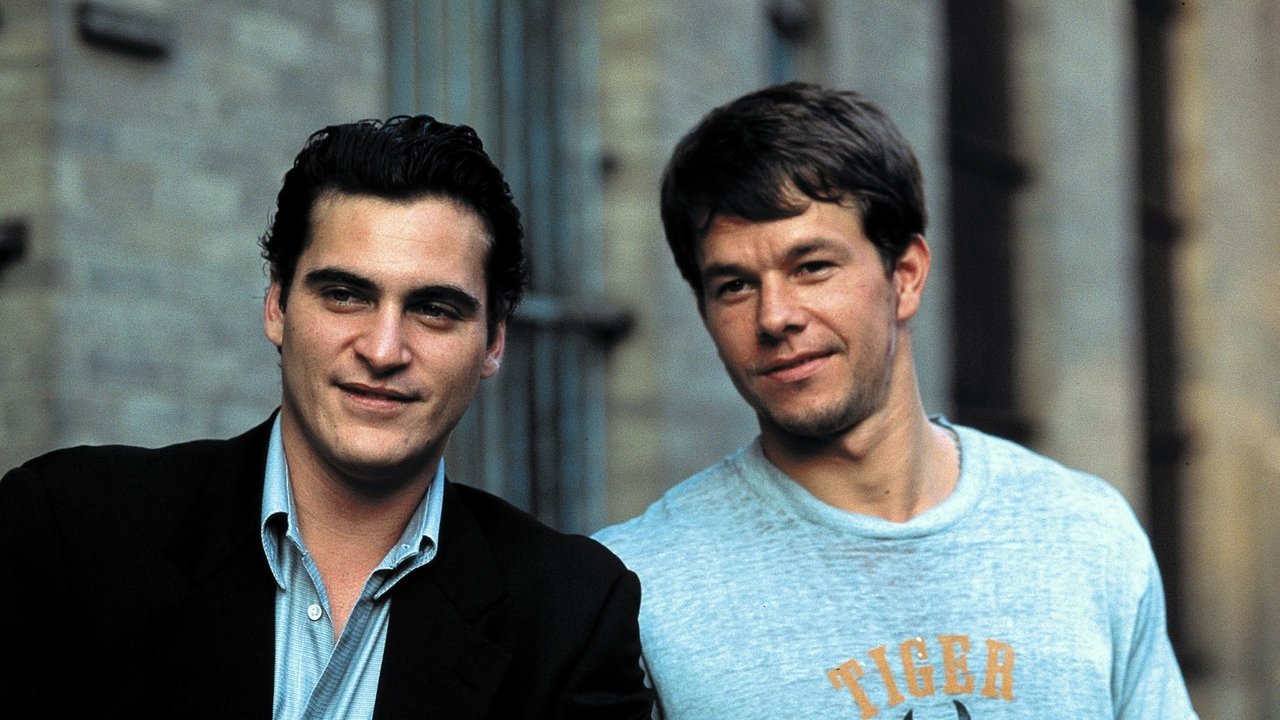
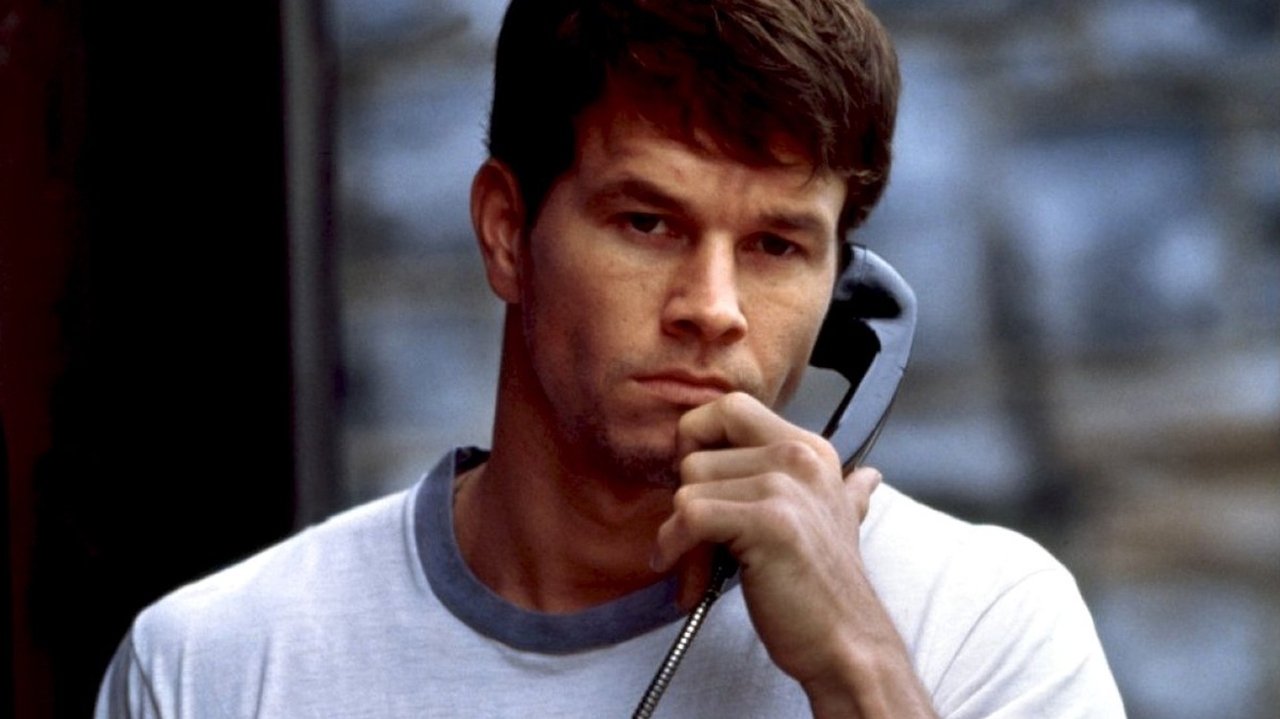
The ensemble cast here is nothing short of phenomenal, grounding the potentially sprawling story in palpable human frailty. Mark Wahlberg, often known for more outwardly expressive roles even then (hot off Boogie Nights (1997) and Three Kings (1999)), delivers a performance of quiet desperation. Leo isn't a mastermind; he’s a guy trying to do the right thing in a world seemingly designed to prevent it. His confusion and burgeoning awareness of the depths of the corruption feel utterly genuine.
Opposite him, Joaquin Phoenix is electric as Willie. Even here, pre-stardom but post-To Die For (1995), you see that raw, unpredictable energy he would later harness to such iconic effect. Willie is charming, volatile, fiercely loyal yet dangerously ambitious. It's a tragic performance, watching him navigate the treacherous currents he helped create. Interestingly, Phoenix's star-making turn in Gladiator was released during the two-year delay of The Yards, making his powerful presence here feel both like a discovery and a confirmation of talent already recognized elsewhere.
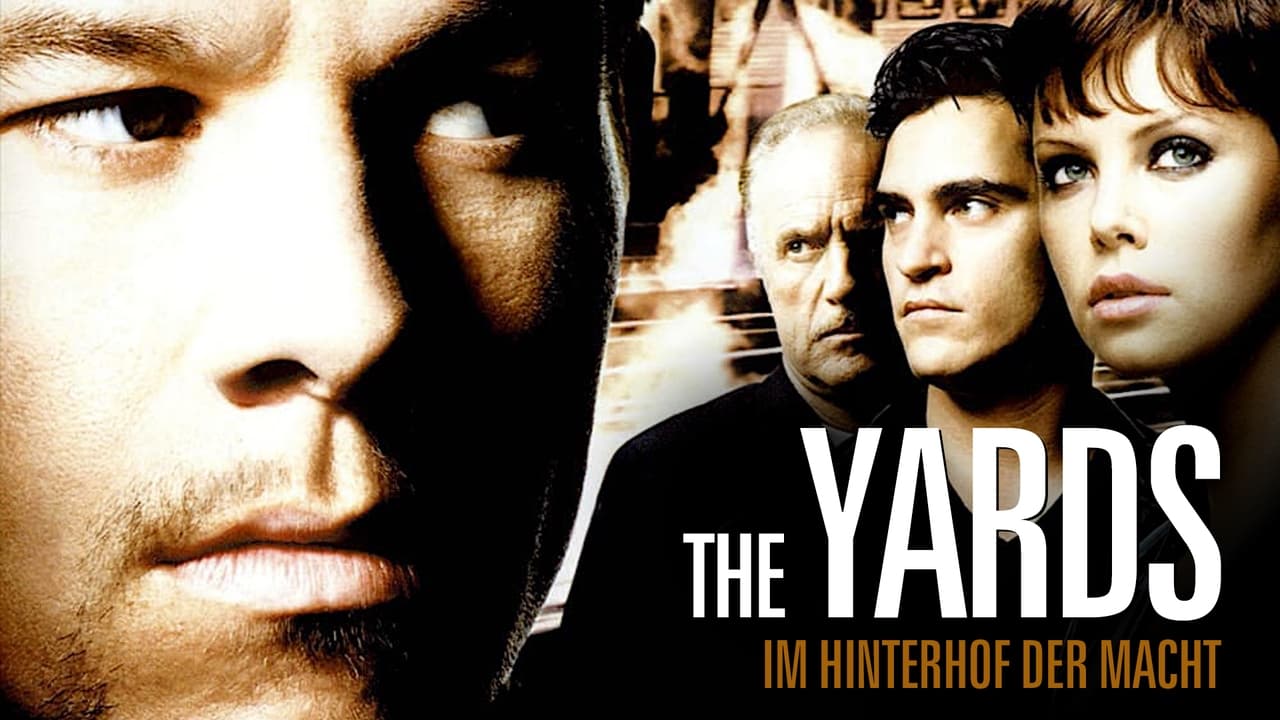
The veterans lend immense gravity. James Caan, no stranger to complex family dynamics after The Godfather (1972), embodies the morally compromised patriarch Frank with a weary authority. Ellen Burstyn brings her signature warmth and depth to Aunt Val, the emotional anchor desperately trying to hold the family together. And Charlize Theron, navigating the tricky space between Leo and Willie, conveys Erica's dawning awareness and quiet strength with nuanced grace. Even Faye Dunaway, in a smaller but pivotal role as Erica's mother Kitty, makes a distinct impression.
### A Director's Personal Vision
This was James Gray's second feature, following the critically lauded Little Odessa (1994), and it cemented his preoccupation with family ties, betrayal, and the suffocating weight of environment. You can feel the influence of 70s American cinema – the deliberate pacing, the focus on character, the morally ambiguous landscape. Gray, drawing inspiration from corruption scandals involving his own father’s electronics business dealings with the NYC Transit Authority in the 80s, imbues the film with a lived-in authenticity. The Queens locations feel less like sets and more like tangible places where lives are lived and compromised.
This authenticity is amplified by the stunning cinematography of the late Harris Savides, who would later shoot modern classics like Zodiac (2007). The Yards is drenched in shadow, filmed in earthy, desaturated tones, often favouring browns and deep blues. It creates an atmosphere that is both beautiful and oppressive, mirroring the closing-in world of its characters.
### Echoes in the Rail Yard (Retro Fun Facts)
The troubled release is central to this film's story. Shot for roughly $20 million, Miramax's interference reportedly led to significant cuts and a delayed release, contributing to its dismal box office performance (grossing barely over $1 million worldwide). It's a classic case study in how studio tinkering can hamstring a director's vision and bury a potentially impactful film. One wonders what Gray's original, untampered cut might have felt like. The film’s muted reception at the time stands in stark contrast to the critical acclaim Gray’s later films like We Own the Night (2007) – which reunited Phoenix and Wahlberg – and The Immigrant (2013) would receive. Watching The Yards now offers a fascinating glimpse into the early development of his distinct authorial voice.
### A Deliberate Descent
It's true that The Yards demands patience. Its pacing is methodical, favouring nuanced character interactions and slow-building tension over explosive set pieces. If you walked into the multiplex expecting a typical crime thriller back in 2000, you might have felt restless. But for those willing to invest, the film offers rich rewards. It’s a story that lingers, forcing you to contemplate the murky grey areas of morality and the often-impossible choices faced by ordinary people caught in systemic corruption. What does it truly mean to be loyal when loyalty itself becomes a chain?
Rating: 8/10
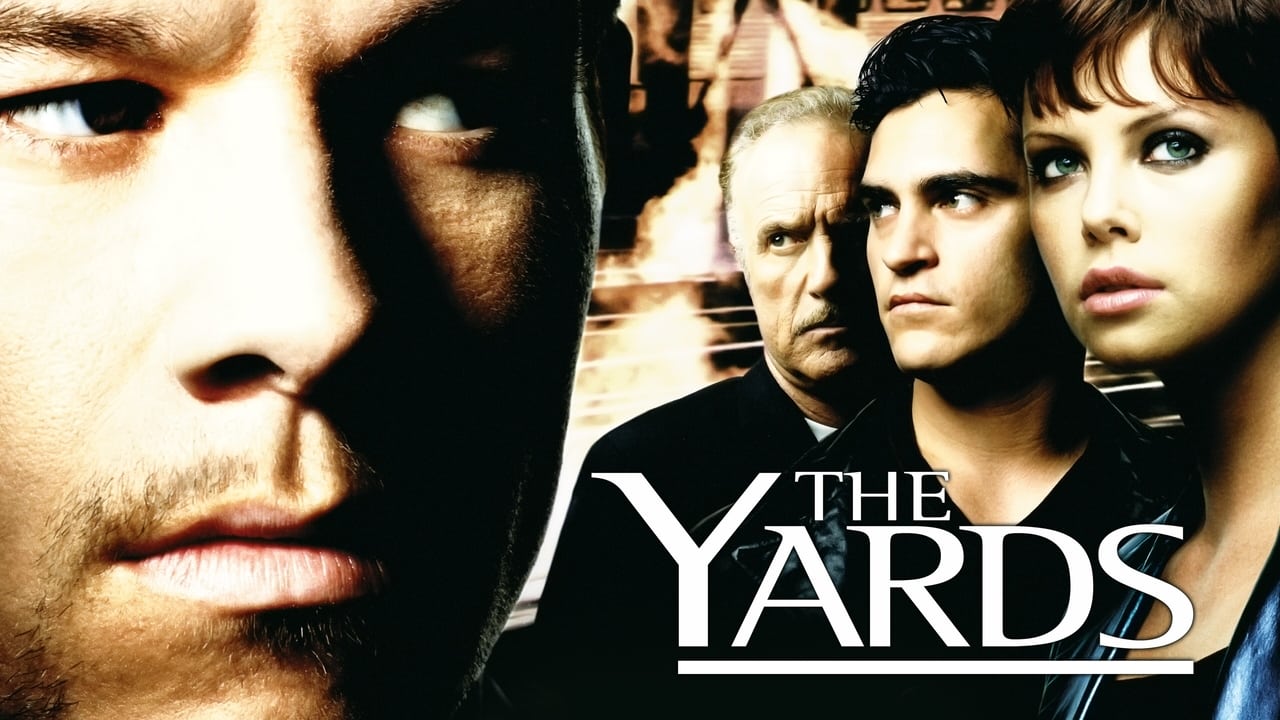
Justification: Despite its troubled release and deliberate pacing that might alienate some, The Yards is a superbly acted, atmospherically rich, and thematically resonant crime drama. The performances, particularly from Phoenix and Wahlberg, are outstanding, and Gray’s direction, coupled with Savides’ cinematography, creates a palpable sense of place and dread. Its grounding in real-world corruption and its exploration of complex family dynamics give it a lasting power that overcomes its commercial failure. The 8 reflects its high quality in craft and performance, acknowledging that its specific mood and pace make it more of a connoisseur's piece than a universal crowd-pleaser.
Final Thought: More than just a footnote in the careers of its stellar cast and director, The Yards remains a potent, melancholy exploration of compromised choices, a film whose shadows stretch long after the credits roll. It’s a reminder of a certain kind of serious American filmmaking we saw more of back then, unearthed from the back shelves of the video store era.