The whir of the VCR fades into the background noise of a late night, but the images burned onto the screen refuse to dissipate. Some films simply leave a residue, a psychic stain you can’t quite scrub away. Tsui Hark’s 1995 martial arts nightmare, The Blade (or Do ma / 刀), isn’t just watched; it’s endured. Forget the graceful wire-fu ballets you might associate with the genre – this film drags you through the mud, spits blood in your eye, and leaves you reeling from the sheer, unadulterated ferocity of it all. This isn't your standard heroic Wuxia journey; it’s a descent into a hell forged of steel and suffering.
A World Drenched in Sweat and Blood
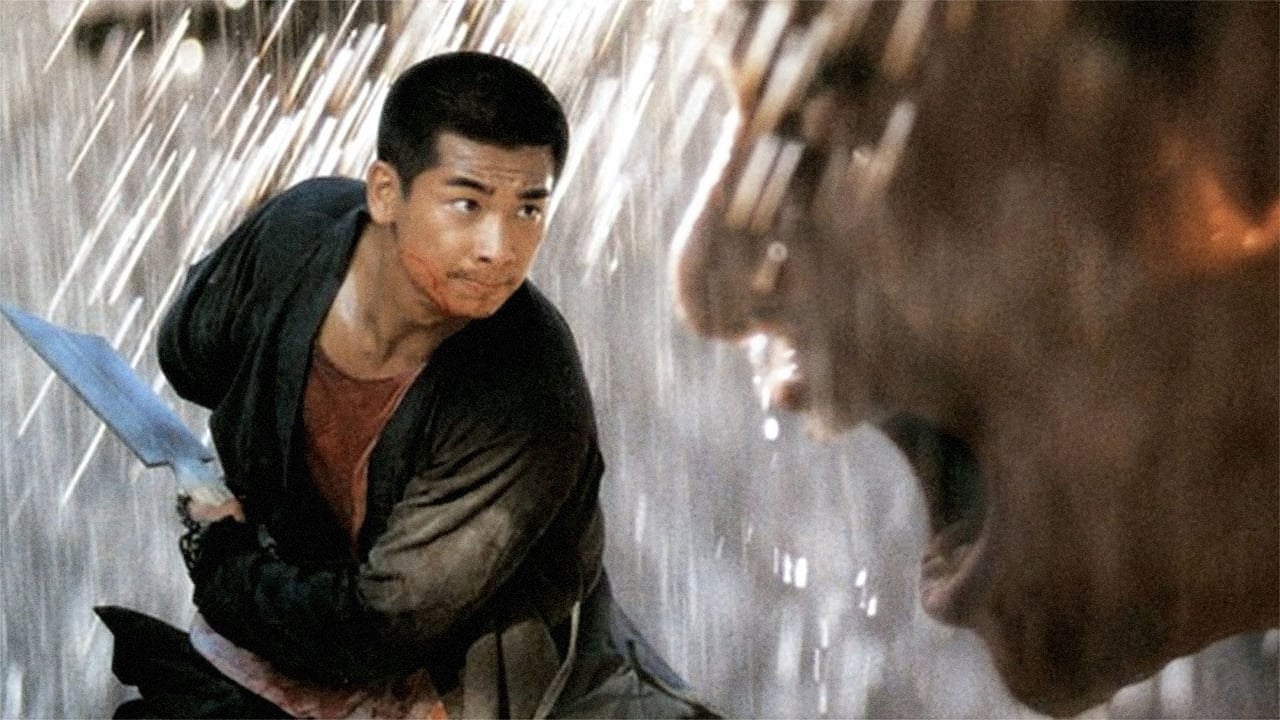
From the opening frames, The Blade establishes a world choked with grime and desperation. The setting, primarily a rural sword factory populated by rough, weary workers, feels oppressively real. Dust motes dance in the shafts of light piercing the gloom, the air thick with the clang of hammers and the simmering tension of confined lives. This isn't the picturesque Jianghu of noble warriors and elegant codes; it’s a brutal, Hobbesian landscape where survival is scraped out daily. The production design is visceral – you can almost smell the coal smoke, feel the grit under your fingernails. This tangible sense of place is crucial; it grounds the impending explosion of violence in something raw and unforgiving.
Tsui Hark Unleashed
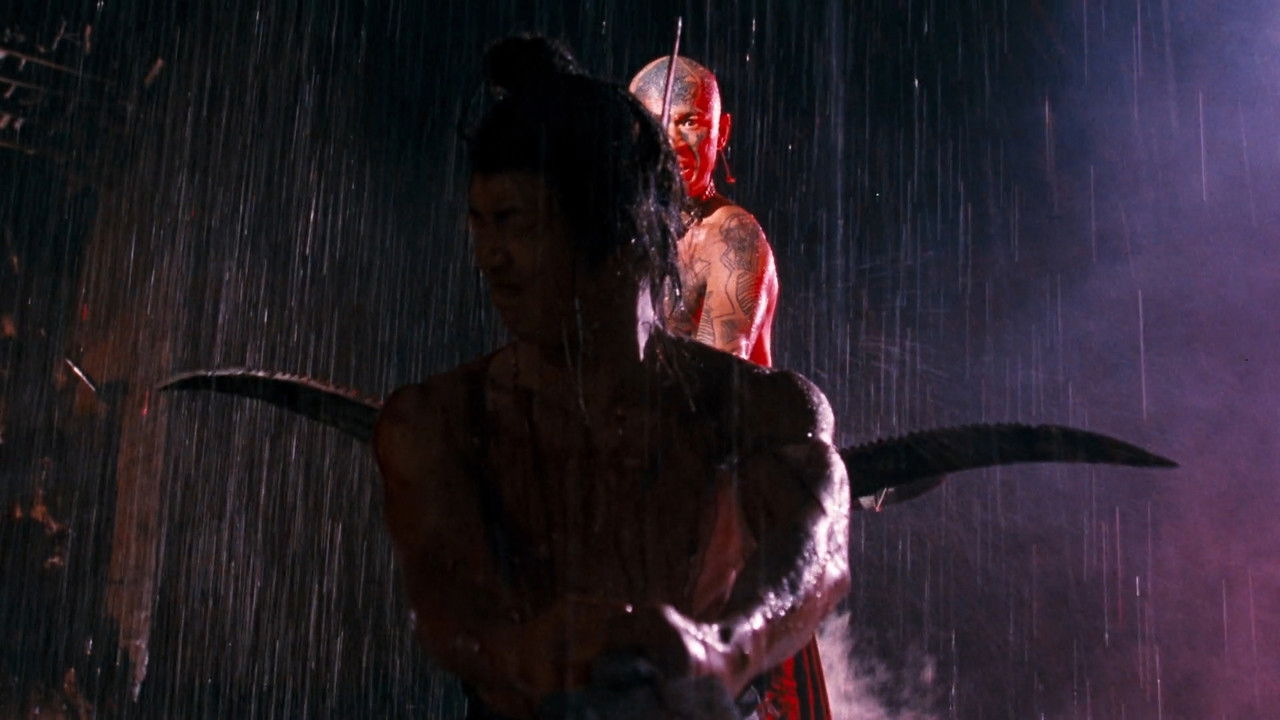
Tsui Hark, already a legendary figure in Hong Kong cinema thanks to hits like Zu: Warriors from the Magic Mountain (1983) and the Once Upon a Time in China series, took a sharp, brutal turn here. The Blade is often cited as a loose remake of Chang Cheh's Shaw Brothers classic The One-Armed Swordsman (1967), but Hark essentially takes the core concept and shatters it, forging something far more jagged and modern from the pieces. His direction is a controlled frenzy. The camera rarely sits still – it whips, zooms, crashes into close-ups, sometimes adopting the dizzying, terrifying perspective of a spinning blade itself. The editing is relentlessly kinetic, chopping moments together with a jarring rhythm that mirrors the chaotic nature of combat. It’s disorienting, yes, but purposefully so. This isn’t about clarity of action in the traditional sense; it’s about conveying the pure, terrifying feeling of being caught in a whirlwind of violence. It’s said Hark wanted to capture a more primal, less stylized form of screen fighting, and he absolutely succeeded, perhaps polarizingly so for audiences expecting something more conventional. The film reportedly struggled at the Hong Kong box office upon release, only finding its devoted cult following later, particularly among Western audiences hungry for something this uncompromising on worn-out VHS tapes.
Faces Etched in Hardship
At the centre of this storm is Ding On, played with brooding intensity by Vincent Zhao. Zhao, who had stepped into Jet Li’s formidable shoes for parts of the Once Upon a Time in China saga, delivers a largely physical performance here. After losing his arm in a savage betrayal – a sequence depicted with gut-wrenching realism – his journey isn't one of noble vengeance, but desperate, almost animalistic adaptation. He finds a broken martial arts manual and, through sheer will and agony, develops a unique, devastating spinning sword style born from his disability. There’s little dialogue for him post-injury; his story is told through movement, pain, and sheer resilience. Supporting players like Moses Chan as the swaggering Iron Head and the formidable Xiong Xin-Xin (a renowned stuntman and action choreographer himself, appearing here as the tattooed villain Fei Lung) perfectly inhabit this harsh world. Their faces look weathered, their bodies carry the weight of this brutal existence. There's a rawness to the performances that matches the film's aesthetic perfectly.

The Brutal Ballet of Blades
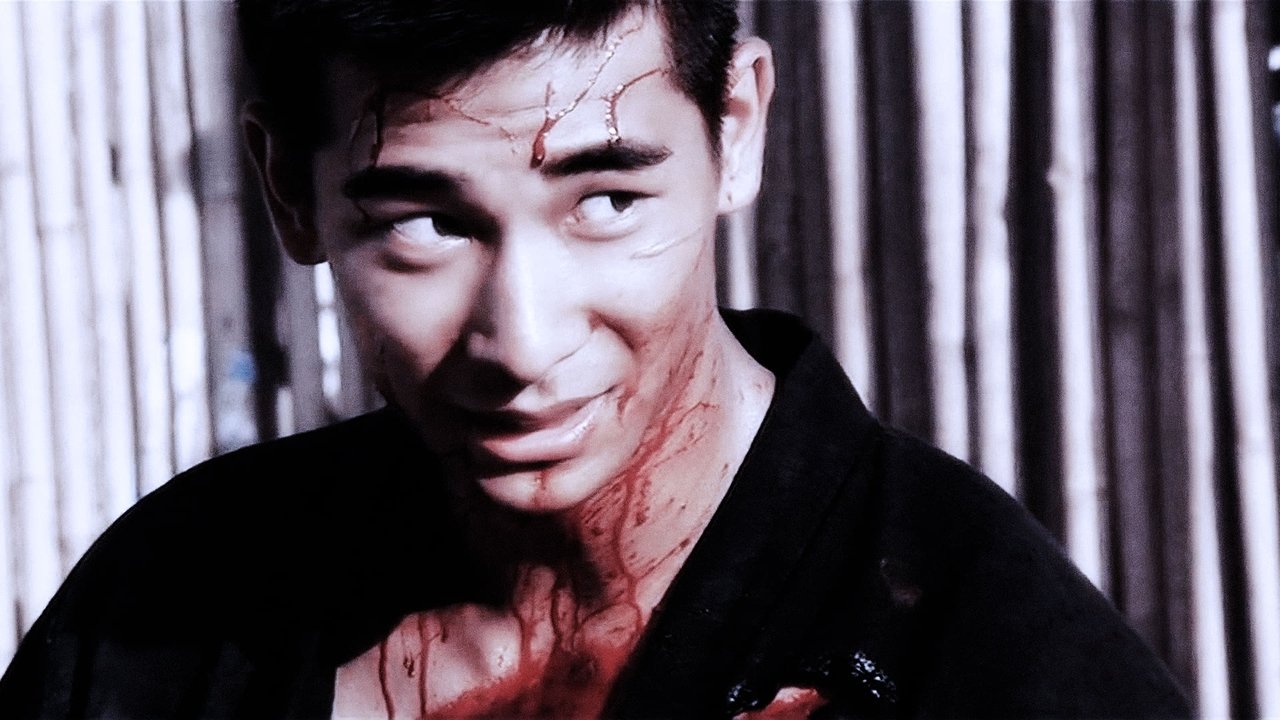
Let’s talk about the action. Forget graceful leaps and elegant parries. The fight choreography in The Blade is deliberately ugly, frantic, and lethal. When swords connect, it feels like bone is about to splinter. Hark uses undercranking, canted angles, and extreme close-ups to plunge the viewer directly into the melee. The practical effects, while perhaps showing their age slightly, still carry a visceral punch – the spurting blood, the grimy wounds, the sheer physicality of the impacts felt disturbingly real on those flickering CRT screens back in the day. Xiong Xin-Xin's contribution, both in front of and likely behind the camera shaping the action, is undeniable. The climax, a chaotic free-for-all in mud and rain, is less a choreographed fight and more a desperate brawl for survival, culminating in some truly unforgettable, almost abstract moments of violence captured through Ding On's unique spinning perspective. Didn't those POV shots feel utterly revolutionary, almost nauseatingly effective, back then?
A Legacy Forged in Steel
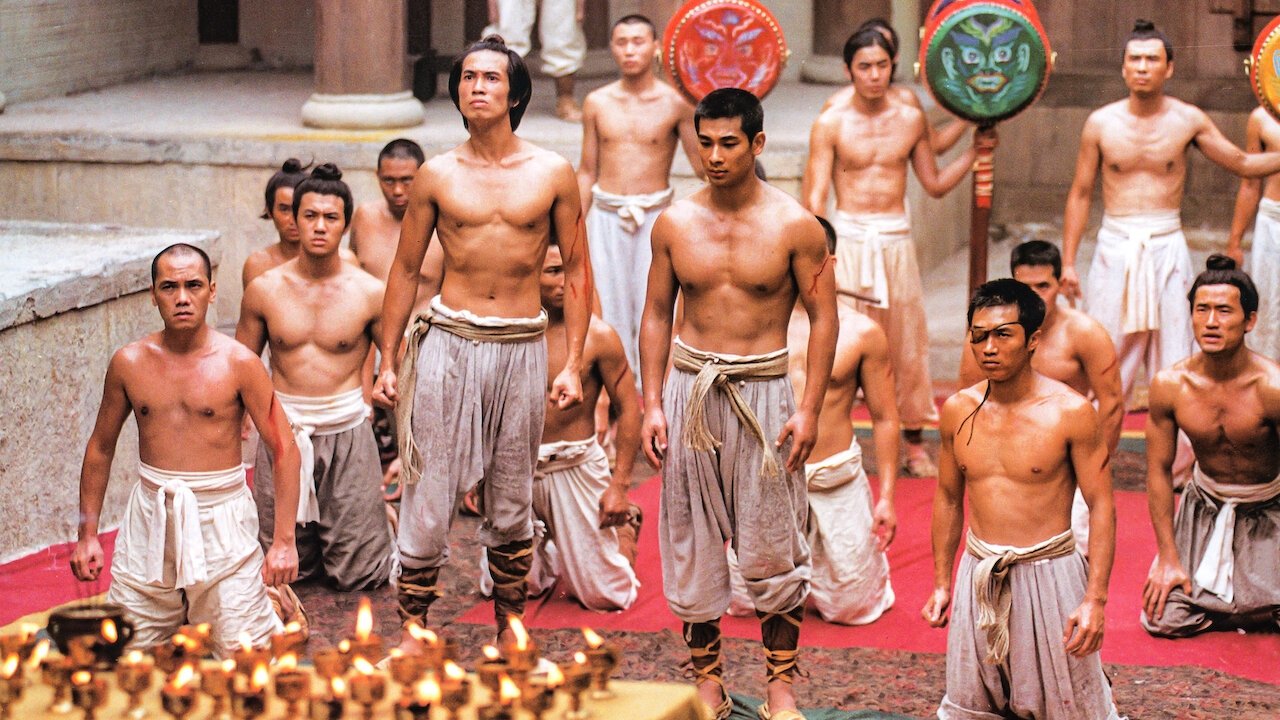
The Blade wasn’t just another Wuxia film; it felt like a primal scream, a reaction against the polished heroism that often defined the genre. Its nihilistic tone, experimental style, and sheer brutality were challenging in 1995 and remain potent today. It stands as a testament to Tsui Hark's relentless pushing of boundaries and his willingness to sacrifice audience comfort for artistic vision. While it might not have been an immediate crowd-pleaser, its influence can be felt in later, grittier martial arts films. It’s a film that earns its cult status through sheer audacity and uncompromising execution. Discovering this on a grainy tape, perhaps rented from a dusty shelf in the "World Cinema" section, felt like uncovering something dangerous and essential.
Rating: 9/10
This score reflects the film's raw power, its groundbreaking (if divisive) stylistic choices, and its enduring impact as a cult masterpiece. It’s not an easy watch, marked by brutal violence and a bleak worldview, but its artistry and intensity are undeniable. The Blade is a visceral cinematic experience that slices through genre conventions, leaving a lasting scar on the landscape of Hong Kong action cinema – a jagged, unforgettable piece of filmmaking that still feels dangerous today.