Okay, fellow tapeheads, dim the lights, maybe crack open a slightly flat soda, and let’s rewind to a time when Hong Kong action cinema was hitting an absolute fever pitch. Forget your slow-burn thrillers for a night. Tonight, we're popping in Iron Monkey (1993), a film that doesn’t just move fast – it practically teleports across the screen in a dizzying display of martial arts mastery. Finding this gem on the rental shelf, maybe with slightly worn cover art, felt like uncovering pure, unadulterated kinetic energy.
### Enter the Monkey, Enter the Dragon (Jr.)
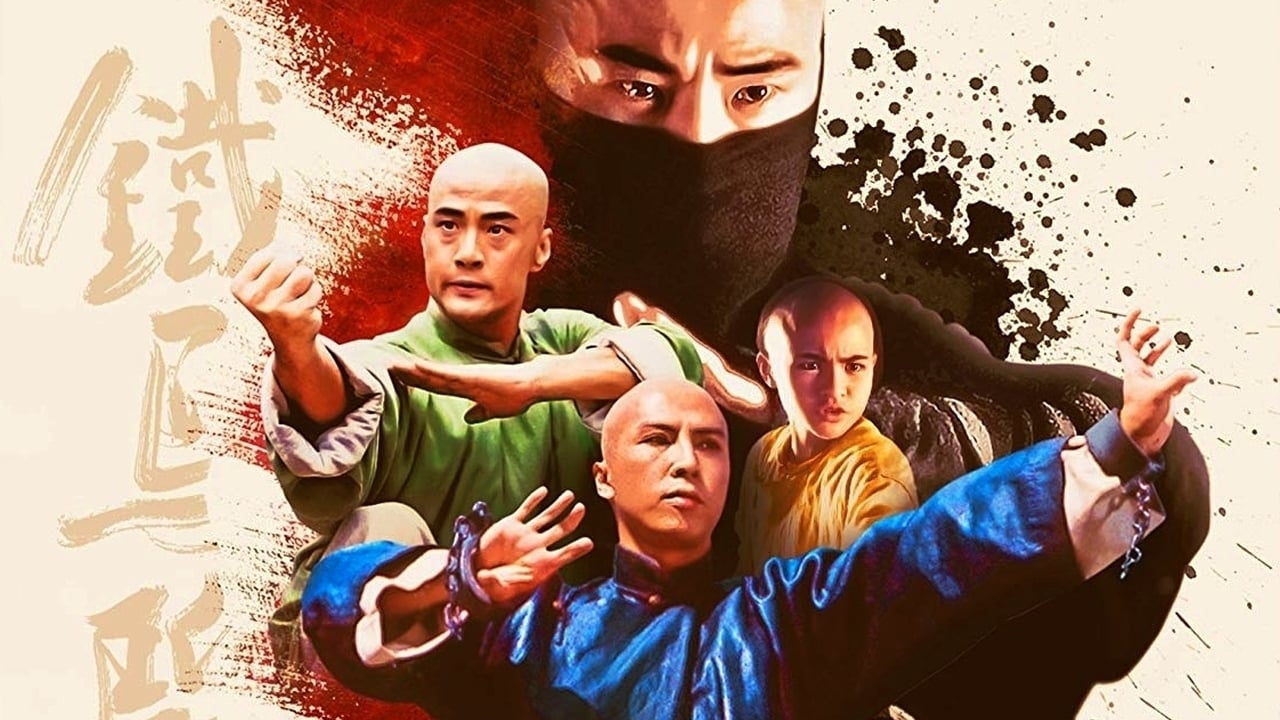
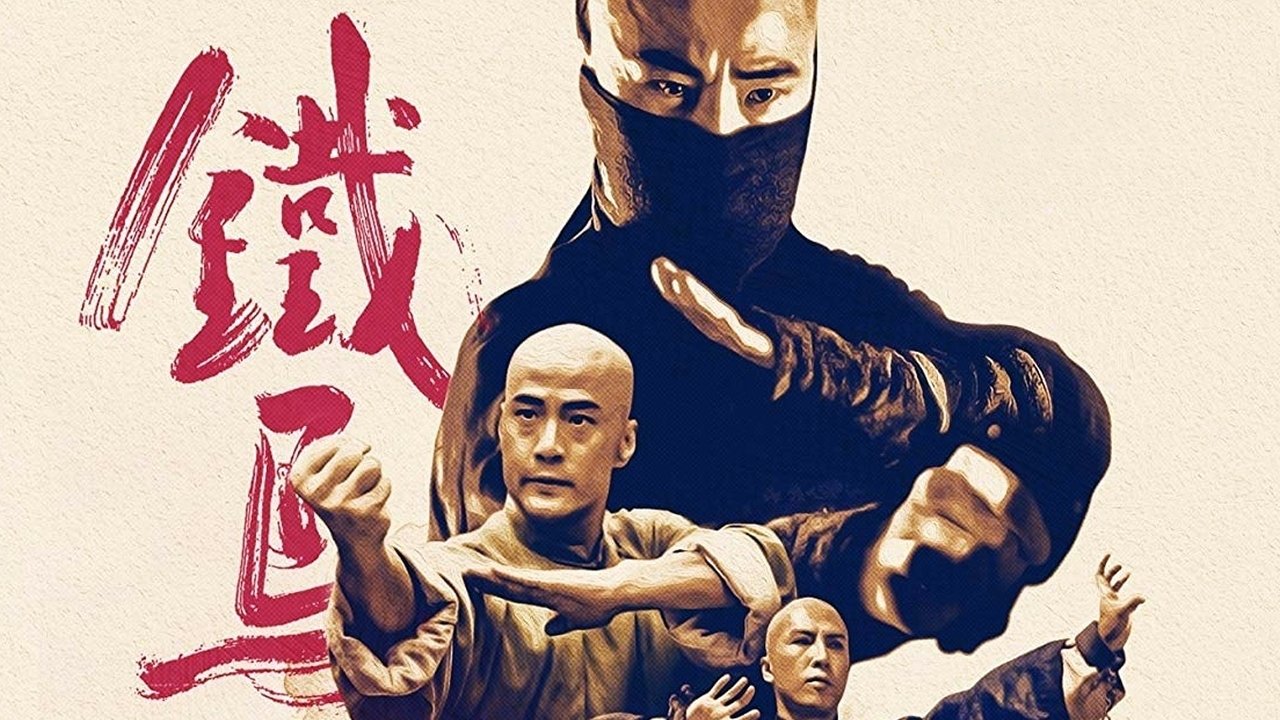
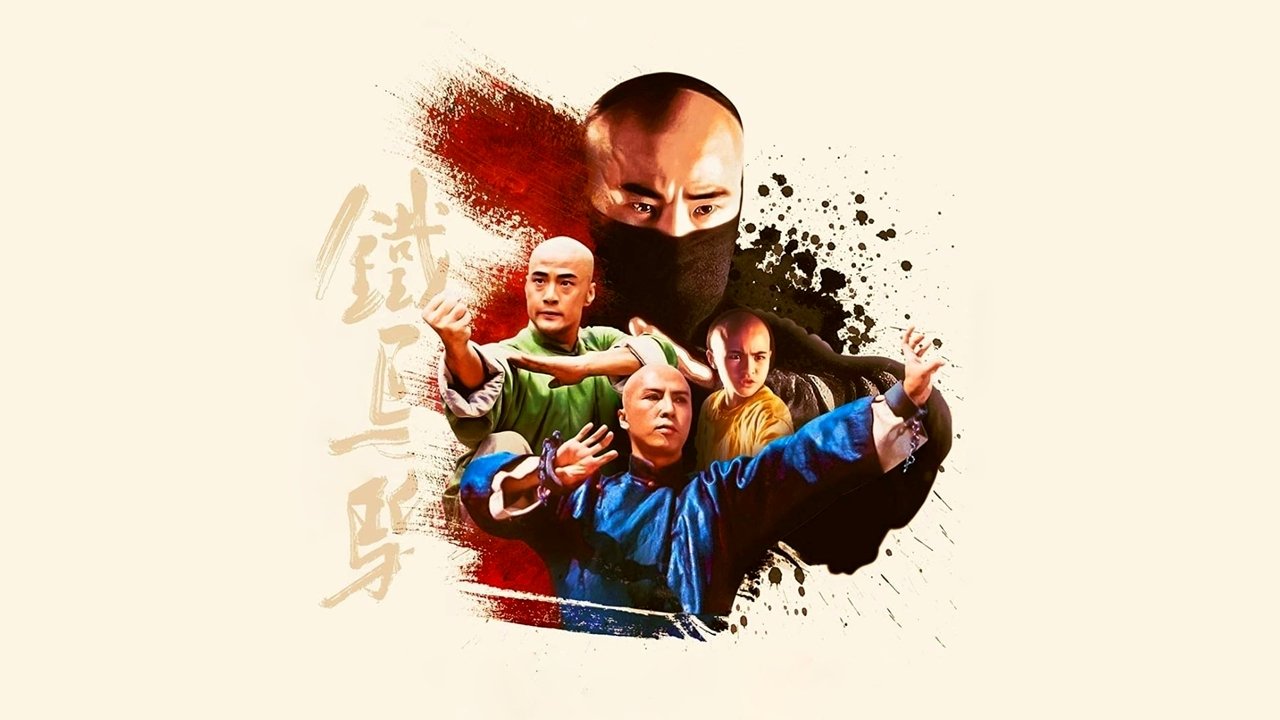
Set in 19th-century China, the premise riffs beautifully on the Robin Hood legend. Corrupt officials are making life miserable for the common folk, hoarding wealth while the poor starve. Enter the Iron Monkey (Yu Rongguang), a masked physician by day (Dr. Yang) and a righteous thief by night, redistributing ill-gotten gains with gravity-defying grace. His path crosses fatefully with Wong Kei-ying (Donnie Yen), a fiercely honourable martial artist and physician travelling with his young son, Wong Fei-hung. Yes, that Wong Fei-hung, the future folk hero, presented here as a mischievous but incredibly skilled youngster (played brilliantly by actress Angie Tsang Sze-man – a fascinating bit of casting common in Hong Kong cinema for young male roles requiring high martial arts proficiency).
The setup is classic, but the execution is anything but ordinary. The authorities, unable to catch the elusive Iron Monkey, pressure Wong Kei-ying into hunting him down, forcing two masters of righteousness into potential conflict. This dynamic provides the perfect framework for some of the most breathtaking fight choreography committed to film.
### The Yuen Woo-ping School of Applied Physics
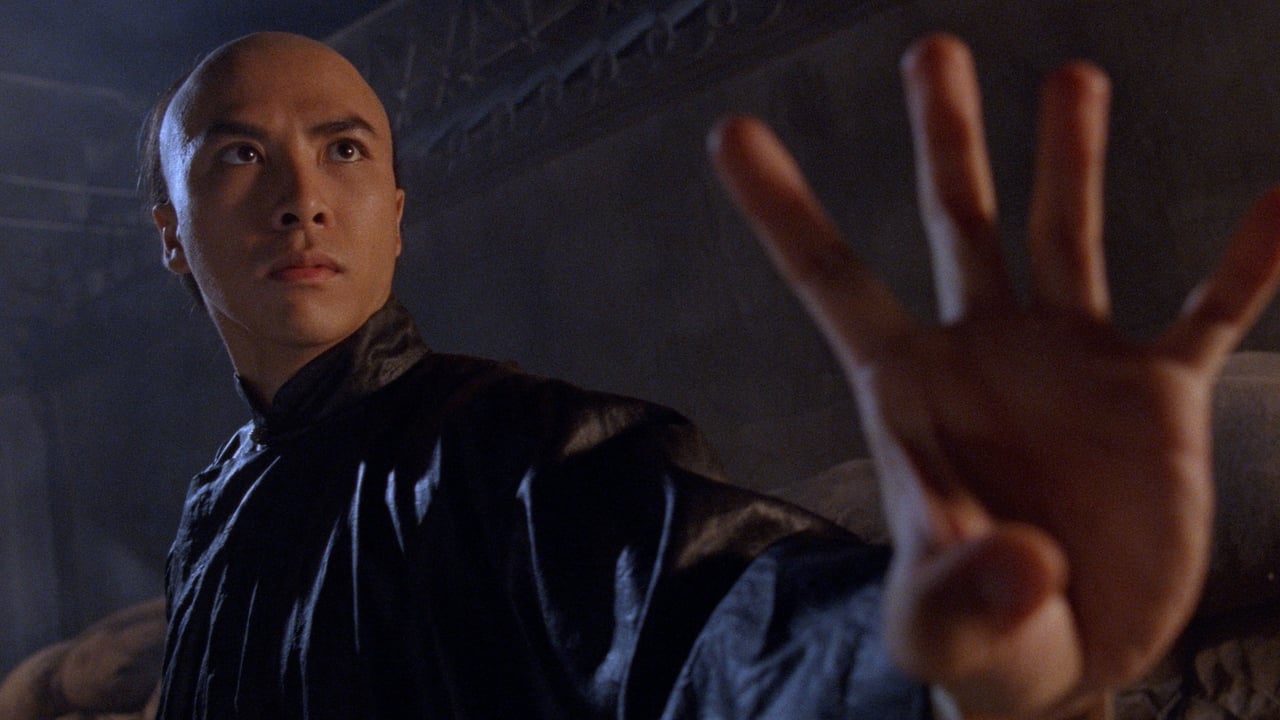
Let's talk action, because honestly, that’s the main event. This film is directed by the legendary Yuen Woo-ping, a name synonymous with groundbreaking martial arts choreography. Long before he orchestrated the bullet-dodging ballets of The Matrix (1999) or the elegant Wuxia duels of Crouching Tiger, Hidden Dragon (2000), Yuen was perfecting his craft in Hong Kong, and Iron Monkey showcases his style at its zenith. He comes from serious martial arts movie royalty too - his father was Yuen Siu-tien, beloved as Beggar So in Drunken Master (1978).
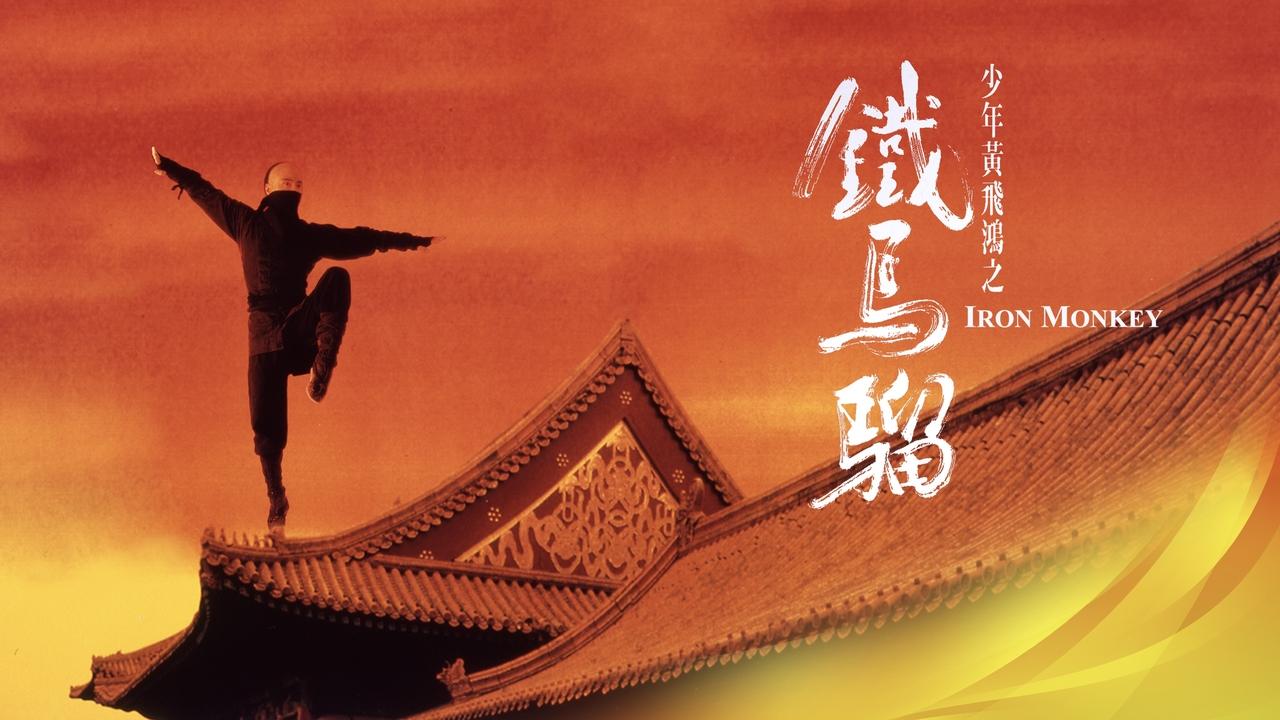
The fights here are intricate, lightning-fast, and utilize wirework not just for impossible leaps, but to enhance the speed and impact of grounded combat. Remember watching these scenes on a fuzzy CRT, eyes wide, trying to process the sheer velocity? The final rooftop battle, fought atop burning wooden poles, is an all-timer. There’s a tangible sense of danger, a feeling that these performers – Yu Rongguang with his commanding presence and Donnie Yen showcasing the power and precision that would make him a global superstar – are pushing the absolute limits. You feel the impact of kicks landing, the clatter of staffs, the desperate scrambles for balance. This isn't the smooth, often weightless feel of modern CGI-heavy action; it’s visceral, practical, and utterly exhilarating. They genuinely set those poles on fire, folks – the heat must have been intense for the performers!
### More Than Just Fists and Feet
While the action is the star, Iron Monkey isn't just empty spectacle. It’s infused with humour, heart, and a strong sense of justice. Yu Rongguang brings a quiet charisma to Dr. Yang/Iron Monkey, balancing righteous fury with gentle compassion. Donnie Yen, even in this relatively early starring role (compared to his later megastardom), is electrifying as Wong Kei-ying, portraying both paternal warmth and deadly martial prowess. And Jean Wang shines as Miss Orchid, Dr. Yang’s assistant and confidante, holding her own amidst the whirlwind of action.
The film also benefits immensely from the involvement of producer and co-writer Tsui Hark, the driving force behind the iconic Once Upon a Time in China series starring Jet Li. His touch brings a layer of historical sweep and thematic depth, neatly positioning Iron Monkey as a spiritual prequel exploring the influences on the young Wong Fei-hung. Reportedly, Tsui Hark and Yuen Woo-ping had creative synergy but also friction, pushing each other to elevate the final product – a dynamic that often produces cinematic gold.
### The Journey West
For many of us outside Asia, Iron Monkey wasn't an immediate find. While released in 1993 in Hong Kong, it gained significant international traction later, notably through a 2001 US theatrical release by Miramax, championed by none other than superfan Quentin Tarantino. This release, though slightly recut and rescored (purists might hunt down the original Hong Kong versions!), brought Yuen Woo-ping's genius to a wider audience hungry for authentic, high-octane martial arts after The Matrix had whetted appetites. It quickly became a cult classic, a shining example of the golden age of Hong Kong action. I distinctly remember renting the Miramax VHS, seeing Tarantino's name attached, and knowing I was in for something special. It did not disappoint.
### Final Verdict
Iron Monkey is a masterclass in martial arts filmmaking. It blends incredible physical performances, innovative choreography, engaging characters, and a timeless story with effortless style and energy. The practical stunt work and sheer speed remain astonishing, a potent reminder of what could be achieved before digital effects became the default.
Rating: 9.5/10
The score reflects near-perfection within its genre. The action is top-tier, the leads charismatic, the story engaging, and the direction masterful. It’s a pure adrenaline shot of classic Hong Kong cinema, justified by its flawless execution of practical action and its enduring influence.
Final Thought: Forget wire-fu pretenders; Iron Monkey is the genuine article, a dizzying spectacle from the VHS era that still leaps, kicks, and soars above much of what passes for action today. It’s the kind of film that reminds you why tracking adjustments and worn tape-heads were totally worth it.