Okay, let's rewind the tape. The early 90s were a glorious time for Hong Kong action cinema, and the Once Upon a Time in China series, spearheaded by the legendary Tsui Hark and starring the inimitable Jet Li, was the absolute pinnacle. Finding a new installment on the rental shelf was like discovering treasure. But then came Once Upon a Time in China IV (1993), and the first thing you noticed, squinting at the slightly blurry cover art under the fluorescent lights of the video store, was... wait, that's not Jet Li! It felt like a disturbance in the Force, a moment of pause before hitting ‘Play’. Could anyone truly step into those iconic shoes?
### A New Face for a National Hero
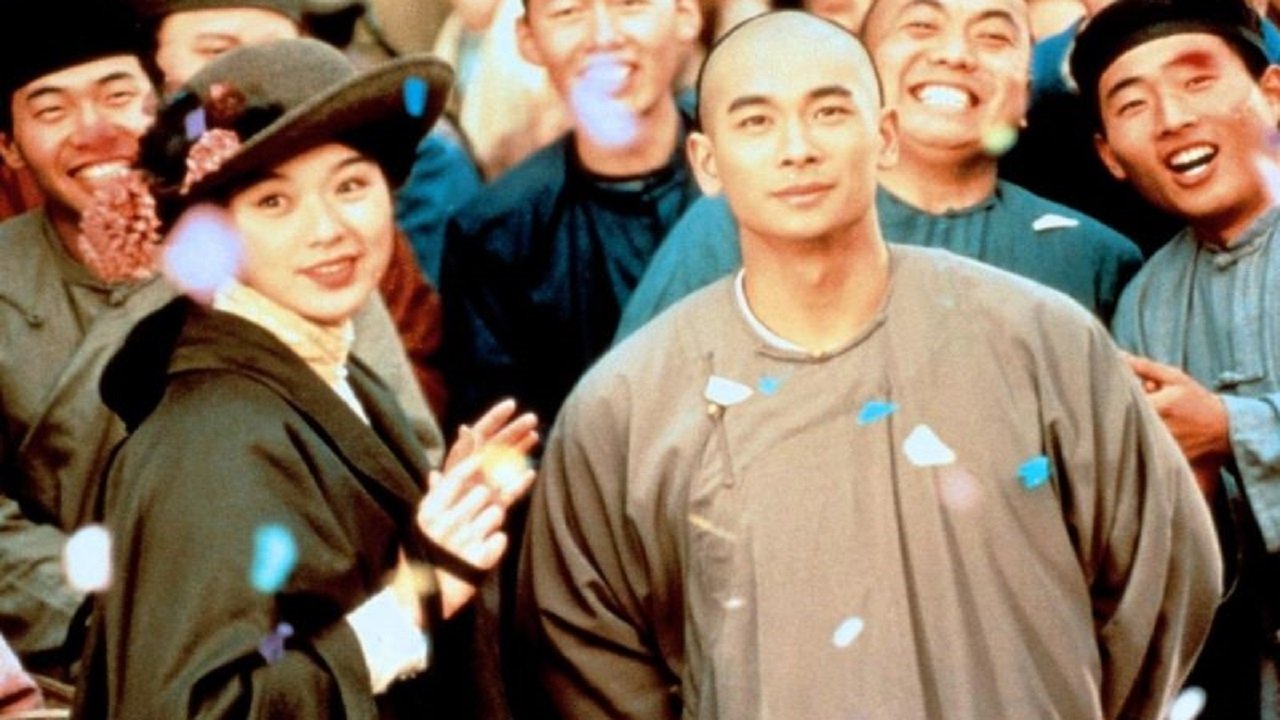
The big story here, the elephant in the room bigger than any lion dance costume, was Jet Li’s departure after Part III due to contract disputes. It was a seismic shift for the franchise. Enter Vincent Zhao (Zhao Wenzhuo), a young mainland Chinese Wushu champion barely out of his teens, handpicked by Tsui Hark (who remained heavily involved as producer and writer, make no mistake) to take over the mantle of Wong Fei-Hung. It was an incredibly tough gig, following arguably the definitive portrayal of the folk hero. Zhao brings a different energy – younger, perhaps a bit less stoic and world-weary than Li's Master Wong, but undeniably athletic and graceful. You can see the raw talent, even if the gravitas isn't quite there yet. It’s like watching a highly skilled apprentice take the master’s tools – impressive, but different.
### Peking Duck and Pugilistic Mayhem
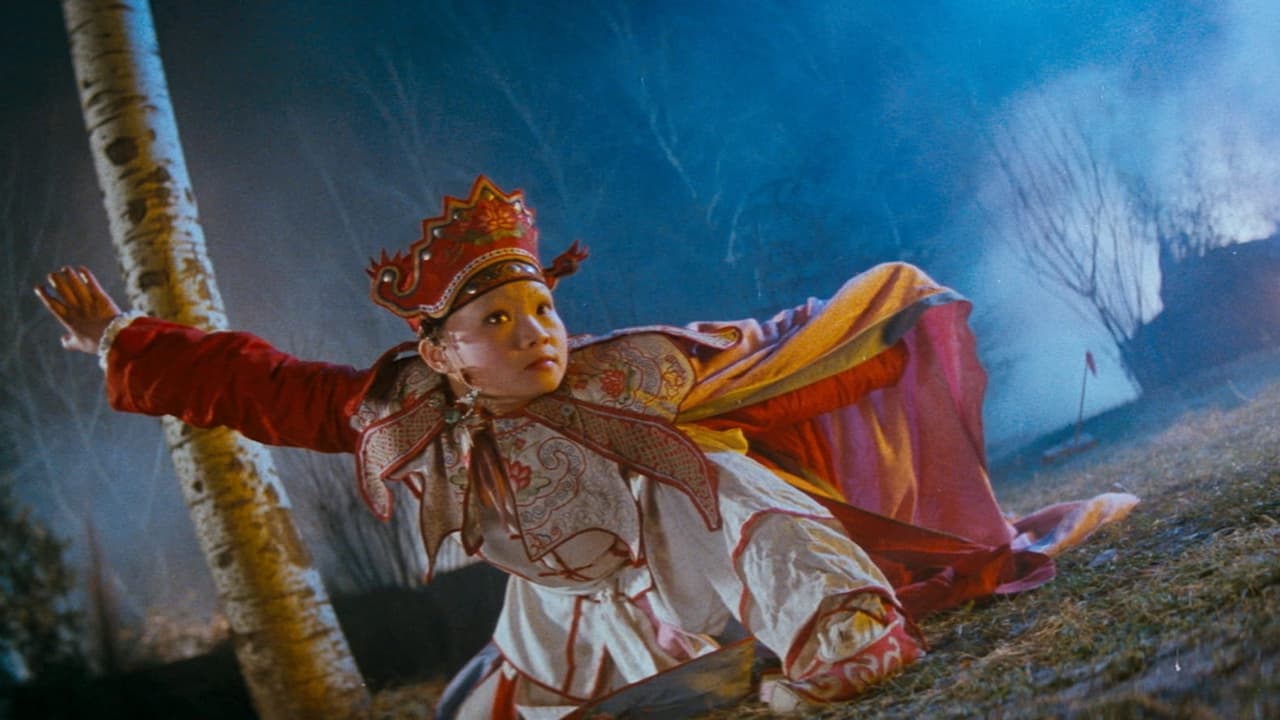
This time, Wong Fei-Hung, accompanied by returning regulars Aunt Yee (Jean Wang, still radiating elegance) and Leung Foon (Max Mok, providing the usual comic relief and occasional surprising competence), finds himself in Peking (Beijing) during the tumultuous Boxer Rebellion era. The plot revolves around the xenophobic Red Lantern Cult – an all-female group claiming supernatural invulnerability – clashing with arrogant foreign powers, particularly the Germans. It’s a chaotic backdrop, ripe for misunderstandings and, naturally, spectacular fight sequences. The shift in setting gives the film a slightly different flavour from the previous entries, moving away from Foshan and Canton's familiar streets. Tsui Hark's script, co-written with Elsa Tang Pik-Yin and Edward Tang King-Sang, still weaves in commentary about Chinese identity clashing with foreign influence and internal strife, though perhaps with a bit less subtlety than the earlier films.
### When Fists (and Wires) Flew Fast and Furious
Taking over the director's chair was Yuen Bun, a key action choreographer from the previous films and a veteran of the Hong Kong stunt world. And let's be honest, the action is why you slapped this tape in the VCR late on a Friday night, right? Even without Li, the fight choreography remains absolutely top-tier 90s Hong Kong goodness. Remember how physical these fights felt? This was the era of intricate wirework used to enhance, not replace, incredible martial arts skill. The speed, the complexity, the sheer impact – it was breathtaking on a fuzzy CRT screen. Forget smooth CGI – you saw performers putting their bodies on the line.
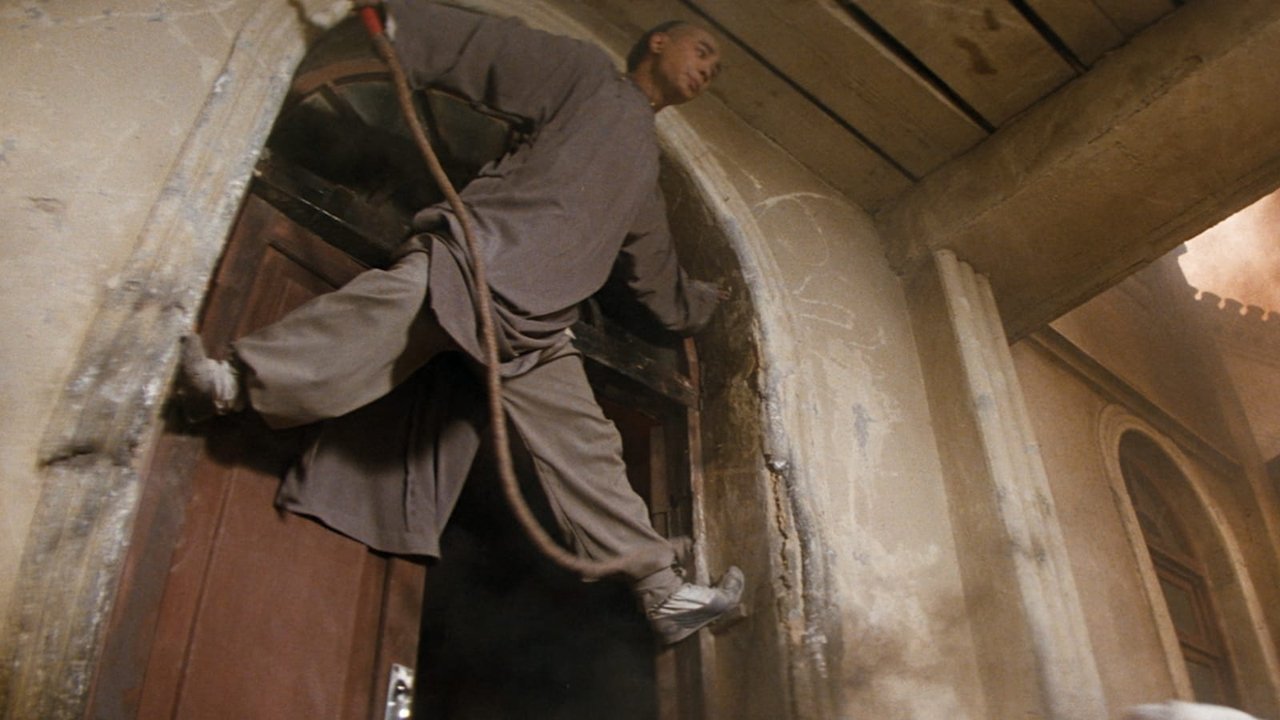
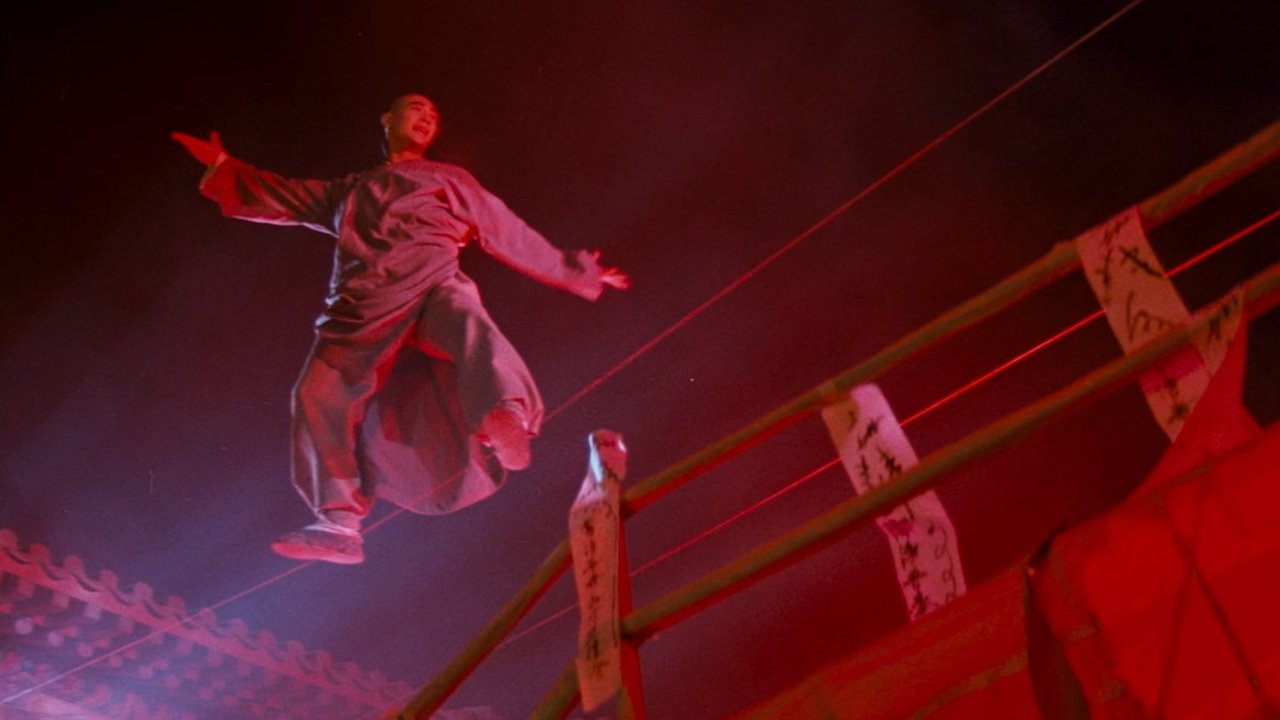
Yuen Bun delivers some standout sequences. The chaos surrounding the international lion dance competition (a staple, yes, but always welcome) is pure spectacle. There's a fantastic multi-person brawl involving Wong Fei-Hung trying to navigate the Red Lantern Cult's headquarters, dodging spears and fanatics while trying not to seriously injure the misguided women. The confrontations with the German soldiers, particularly the Gatling gun sequence, have that classic OUATIC blend of historical tension and exaggerated martial arts prowess. Was the Gatling gun sequence maybe a tad over the top? Sure, but wasn't that part of the fun? The practical effects, the shattering wood, the sparks – it felt immediate and dangerous in a way that digital effects often struggle to replicate. Vincent Zhao, despite his youth, moves with incredible precision and power, executing the complex choreography beautifully.
### Behind the Punches
It’s worth remembering the production context. To capitalize on the series' momentum and likely manage costs after Li's departure, OUATIC IV was reportedly filmed back-to-back, or at least in very close proximity, with Once Upon a Time in China V, also starring Vincent Zhao and directed by Tsui Hark himself. This whirlwind production schedule might explain why Part IV perhaps feels a little less polished or thematically tight than the initial trilogy. It wasn't a box office bomb, proving the Wong Fei-Hung brand still had legs, but commercially and critically, it didn't reach the heights of its predecessors. The shadow of Jet Li loomed large, and many fans at the time definitely felt his absence keenly. My own well-worn VHS copy certainly saw fewer replays than Parts I-III.
Despite the unavoidable comparisons, Vincent Zhao deserved credit for stepping into an almost impossible situation. He'd go on to play Wong Fei-Hung again in Part V and the later television series, carving out his own space in the character's legacy. He brought a youthful fire that worked for this particular story, even if it lacked the serene authority Li projected.

Rating: 6/10
Once Upon a Time in China IV is undeniably a step down from the near-perfect trilogy that preceded it. The absence of Jet Li is felt, and the plot involving the Red Lantern Cult feels a bit more outlandish and less grounded than the conflicts in the earlier films. However, judging it on its own merits as a piece of 90s Hong Kong action cinema, it still delivers the goods. Vincent Zhao is a capable lead, Yuen Bun orchestrates some truly fantastic, practical-effects-driven fight scenes brimming with that kinetic energy we craved, and the production design maintains the series' high standards. It earns its score through sheer martial arts spectacle and the gutsy performance of its new star stepping into legendary shoes.
It might not be the first tape you reach for in the OUATIC collection, but for fans of that glorious, high-flying, wire-fu era, it’s a solid, action-packed entry that kept the legend alive when it could have easily faded. It's a fascinating 'what if?' scenario preserved on magnetic tape – a worthy, if different, chapter in the Wong Fei-Hung saga.