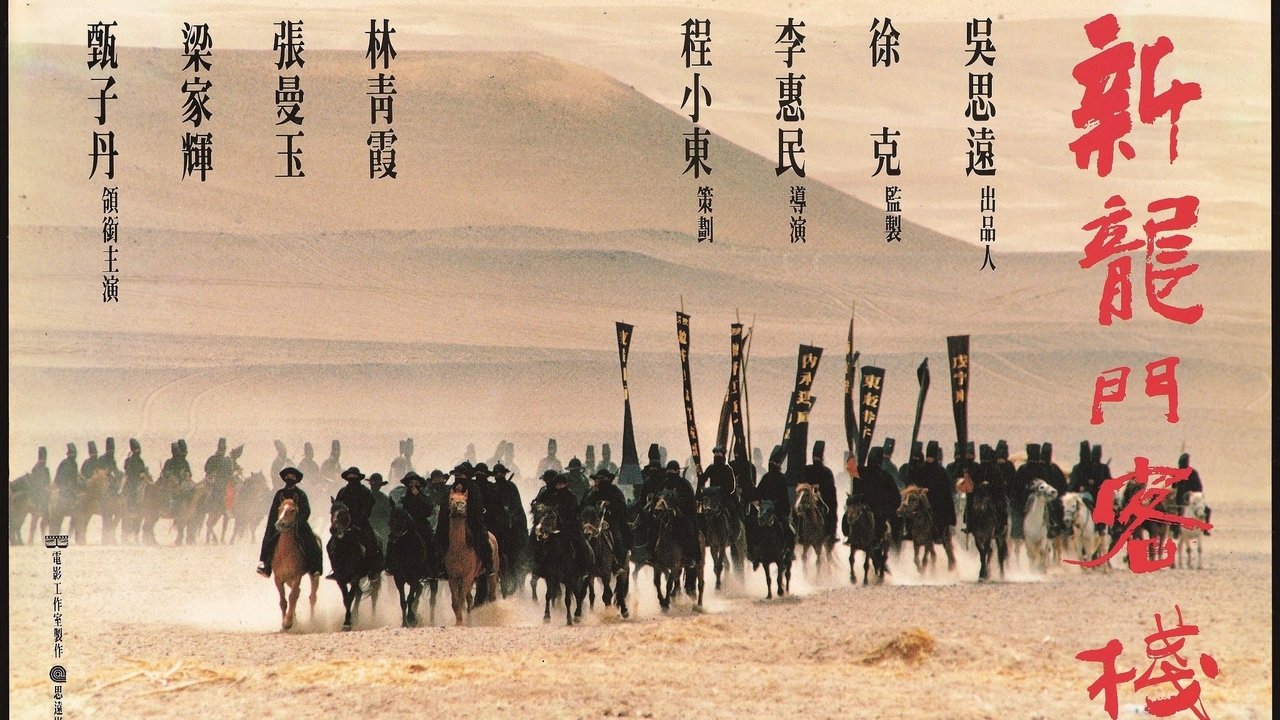
Okay, rewind your minds with me. Picture this: it's late, the only light is the glow from the trusty CRT, and you've just popped in a tape promising swords, sand, and serious martial arts mayhem. Maybe you grabbed it based on the cover art alone from the local video store shelf. If you were lucky, that tape was 1992's Dragon Inn (or New Dragon Gate Inn as some boxes had it), and you were in for one heck of a ride. This isn't just a wuxia film; it's a hyper-caffeinated, sand-blasted masterclass in controlled chaos, Hong Kong style.
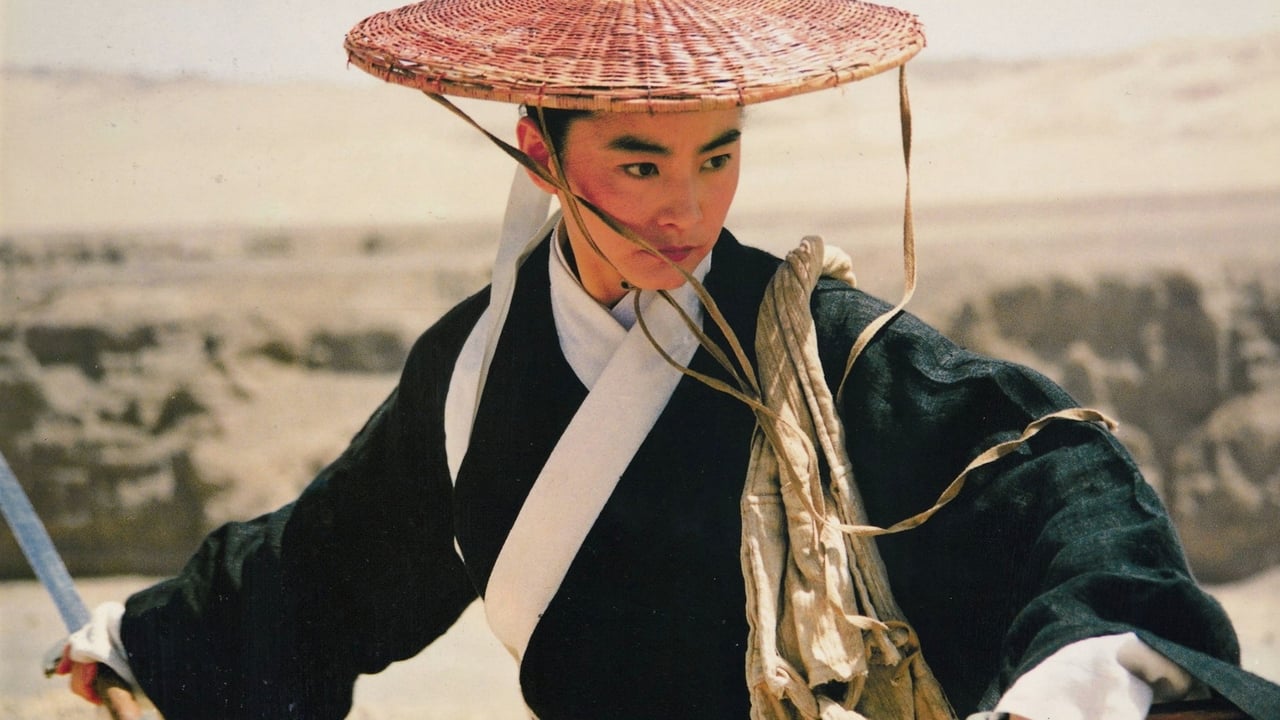
Forget slow burns. Dragon Inn throws you straight into the political turmoil of Ming Dynasty China, where the tyrannical eunuch Cao Siu-yan (played with chilling menace by Donnie Yen in one of his significant early villain roles) is purging loyalists. Our heroes – the stoic strategist Chow Wai-on (Tony Leung Ka-fai) and the enigmatic swordswoman Yau Mo-yan (Brigitte Lin, effortlessly cool playing a traditionally male archetype) – are trying to spirit away the orphaned children of a murdered minister. Their desperate flight leads them to the titular Dragon Gate Inn, a remote desert outpost that makes the Mos Eisley Cantina look like a Sunday school picnic.
A Tinderbox in the Desert
This inn isn't just a setting; it's a character, a pressure cooker simmering with spies, assassins, desperate travelers, and the formidable, money-loving, seductively dangerous owner, Jade King (Maggie Cheung). And let me tell you, Maggie Cheung absolutely steals the show here. Forget some of her more demure roles; as Jade, she's fiery, funny, opportunistic, and utterly captivating. Her flirtatious scheming and pragmatic ruthlessness provide the film's heart and humor amidst the escalating danger. Watching her verbally spar with Chow Wai-on or slice up unwanted patrons is pure cinematic gold. It’s a performance that cemented her as one of Hong Kong cinema’s most versatile stars.
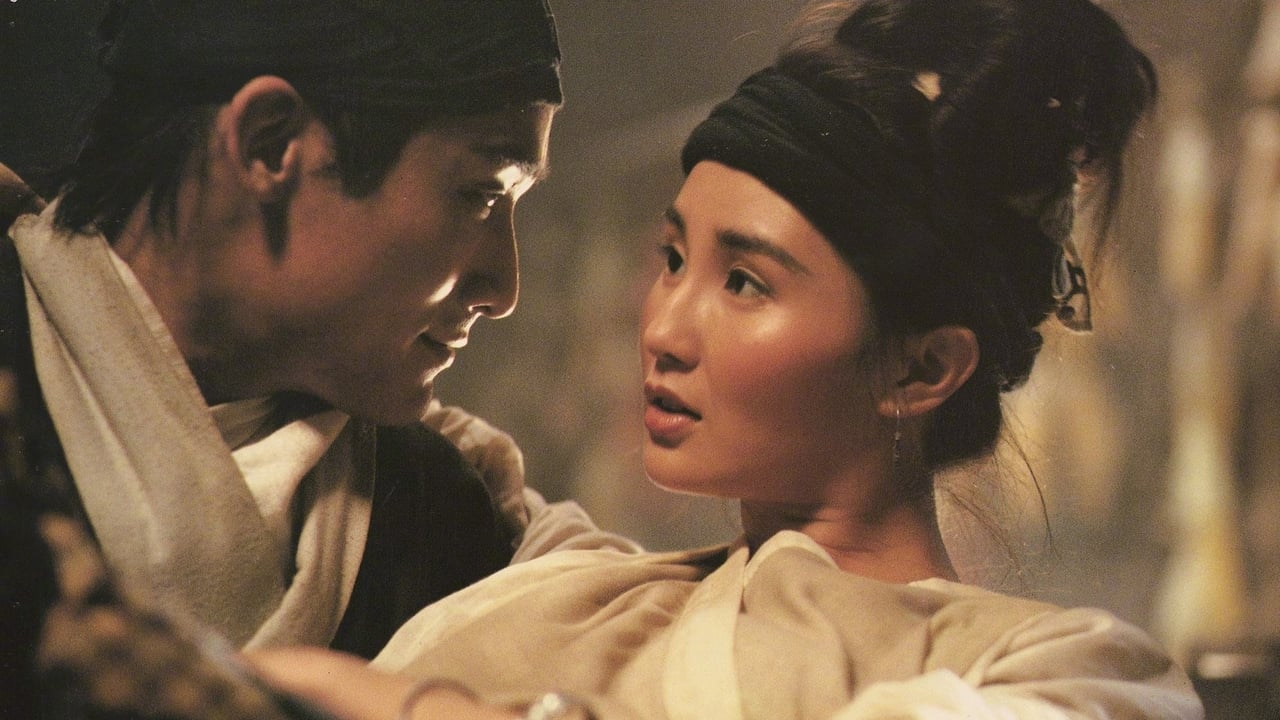
The film itself is a whirlwind, a remake of King Hu's influential 1967 classic Dragon Gate Inn, but supercharged by producer/writer Tsui Hark (the visionary behind Once Upon a Time in China) and director Raymond Lee. You can feel Tsui Hark's signature energy pulsing through every frame – the rapid-fire editing, the intricate plotting, the blend of high drama and surprising bursts of comedy. They took the bones of the original and injected it with the kinetic frenzy that defined early 90s Hong Kong action cinema. Filming took place under notoriously tough conditions in the stark, beautiful deserts near Dunhuang, China, and that gritty authenticity bleeds onto the screen, making the isolation and danger feel palpable.
Action That Still Leaves You Breathless
Now, let's talk about that action. Coordinated by legends Ching Siu-tung (who gifted us the aerial ballets of A Chinese Ghost Story) and Yuen Bun, the fight choreography in Dragon Inn is simply spectacular. This is the peak of practical, wire-assisted wuxia combat before CGI smoothed everything out. Remember how real those impacts felt? How the intricate swordplay seemed impossibly fast yet perfectly staged? The performers, aided by incredibly skilled stunt teams, are flying, spinning, clashing steel with a velocity and clarity that's still breathtaking.
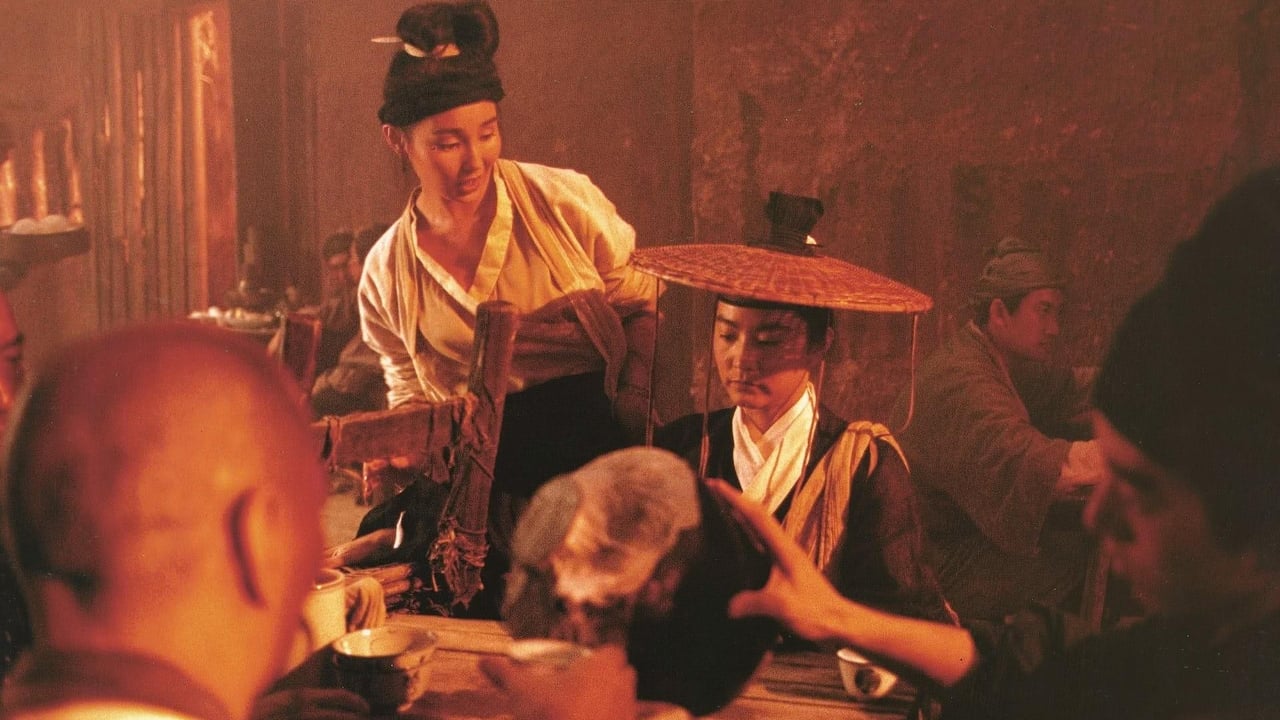
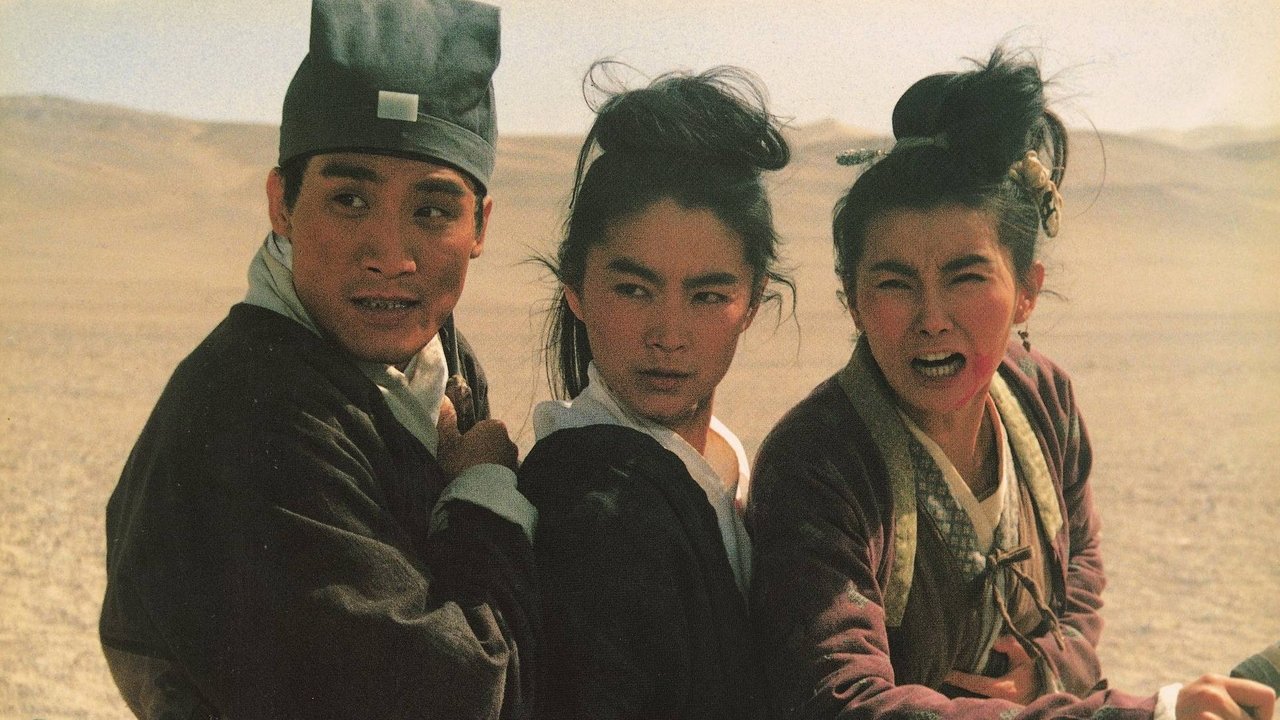
There's an incredible, almost legendary sequence where a disguised Donnie Yen faces off against Jade's crew in the inn's kitchen, culminating in a chef stripping meat off a struggling opponent with terrifying precision using just his cleaver. It's brutal, inventive, and darkly funny all at once – a perfect example of the film's unique tone. These weren't just stunts; they were practically ballets of violence, demanding incredible physical skill and nerve from everyone involved. The sheer physicality, the tangible danger present in these pre-digital effects sequences, gives the action a weight and excitement that often feels missing today. Wasn't that feeling of barely contained chaos part of the thrill back then?
More Than Just Flying Fists
While the action is relentless, Dragon Inn doesn't skimp on character or atmosphere. The claustrophobic inn becomes a stage for shifting alliances, betrayals, and moments of unexpected heroism. Tony Leung Ka-fai brings a weary nobility to Chow, while Brigitte Lin, fresh off solidifying her iconic status in films like Swordsman II, commands the screen with stoic intensity. The supporting cast, including veterans like Lau Shun and Yam Sai-koon, fleshes out the world with memorable faces. The score, too, effectively ramps up the tension, especially as the desert winds howl and the final confrontation looms.
The film was a significant hit in Asia and became a touchstone of the wuxia genre's 90s revival. Critics at the time recognized its technical brilliance and energy, even if the plot sometimes felt like a beautiful, intricate knot. For audiences hungry for high-octane martial arts spectacle, it delivered in spades, finding a solid life on VHS and later formats for international fans discovering the wonders of Hong Kong action.
---
VHS Heaven Rating: 9/10
Justification: Dragon Inn is a near-perfect storm of charismatic leads, breakneck pacing, breathtaking practical action choreography, and atmospheric tension. Maggie Cheung's iconic performance alone is worth the price of admission (or the rental fee back in the day!). While the plot can get a bit dense, the sheer energy, directorial flair from Raymond Lee under Tsui Hark's guidance, and unforgettable set pieces make it a cornerstone of the wuxia genre. The slight deduction is for the occasionally convoluted plot points that might require a second viewing (or just surrendering to the glorious mayhem).
Final Word: Forget smooth CGI – this is glorious, gritty, wire-fu wizardry fueled by desert dust and star power. Dragon Inn is a vital slice of Hong Kong action history that still kicks like a mule. A must-watch from the golden age of VHS finds.