Zu: Warriors from the Magic Mountain
Alright, buckle up, fellow tapeheads. Let's rewind to 1983, a time when popping a mysterious Hong Kong import into the VCR could unleash pure, unadulterated sensory overload onto your unsuspecting CRT screen. Forget your standard martial arts fare; Zu: Warriors from the Magic Mountain (original title: Shu Shan - Xin Shu shan jian ke) wasn't just a movie, it was a kaleidoscopic explosion of wuxia fantasy, lightning-fast wirework, and enough laser beams to make George Lucas blush. Finding this gem on a grainy rental tape felt like uncovering a secret portal to another dimension – one dreamt up by the gloriously caffeinated mind of director Tsui Hark.
### Sensory Assault from the Far East
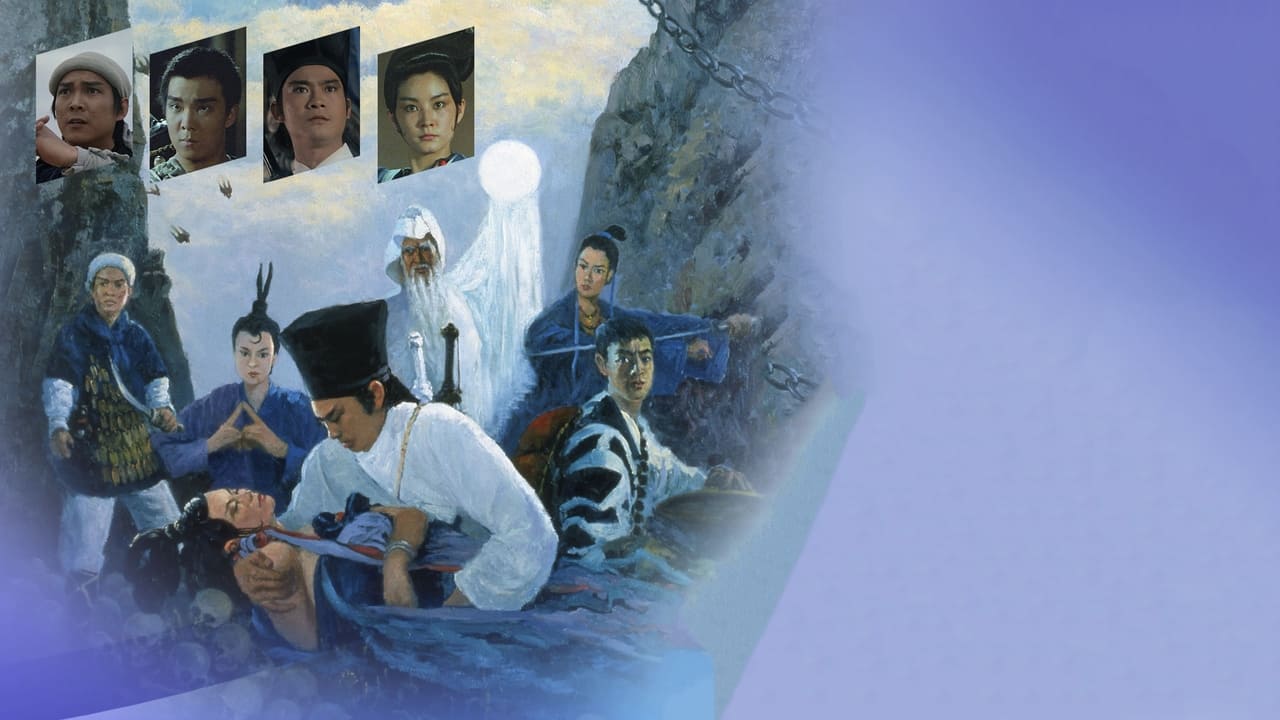
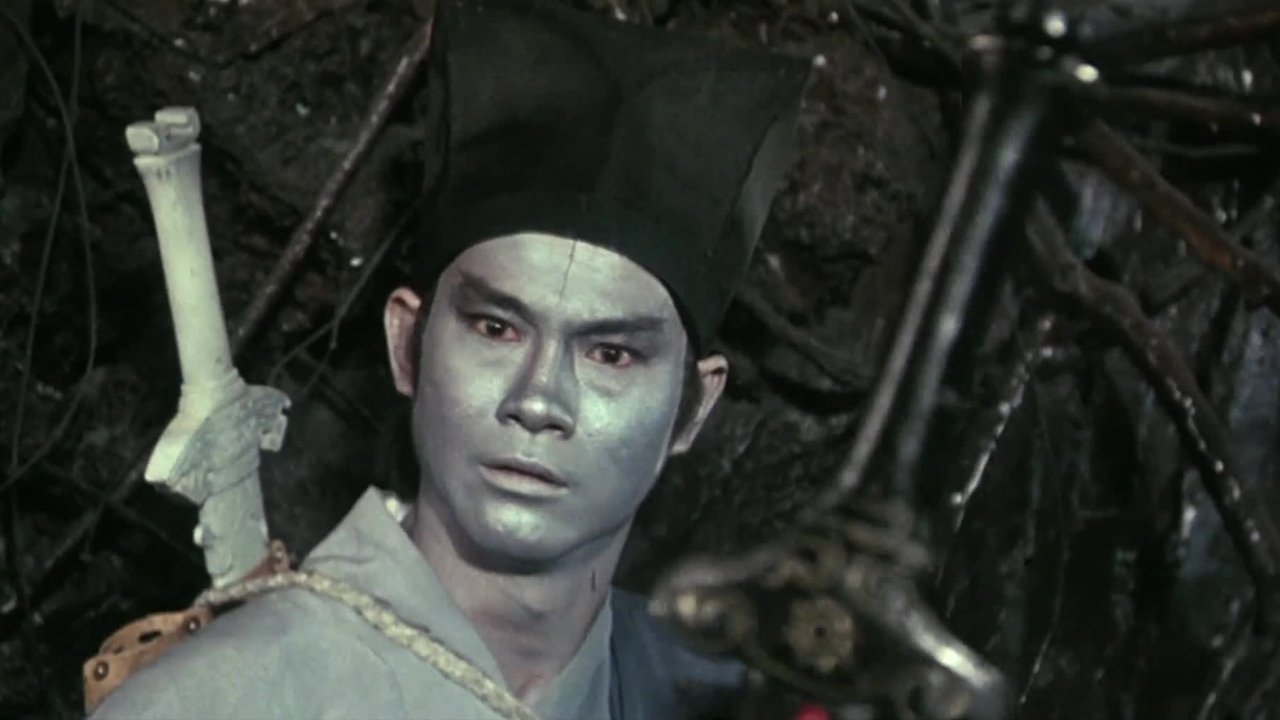
Trying to neatly summarise the plot of Zu is like trying to bottle a whirlwind. Essentially, a hapless young soldier from the war-torn West, Dik Ming-kei (played by the astonishingly acrobatic Yuen Biao), blunders into a mystical conflict raging around the titular Magic Mountain. He encounters legendary swordsmen, ethereal priestesses, demons clad in blood-red armour, and enough flying, energy-blasting, shape-shifting chaos to fill three lesser movies. The narrative zips along at a breakneck pace, often favouring visual spectacle over intricate storytelling, but honestly, who cared? You weren't watching Zu for nuanced character arcs; you were there for the sheer audacity of it all.
Tsui Hark, who would later gift us classics like Once Upon a Time in China (1991) and Peking Opera Blues (1986), was truly forging a new path here. He took the traditional wuxia genre, infused it with Western fantasy elements, and cranked the energy levels past eleven. The editing is frantic, the camera swoops and dives, and the action rarely pauses for breath. It feels less like a conventional film and more like a mainlined dose of pure imagination captured on celluloid.
### When Practical Effects Went Wild
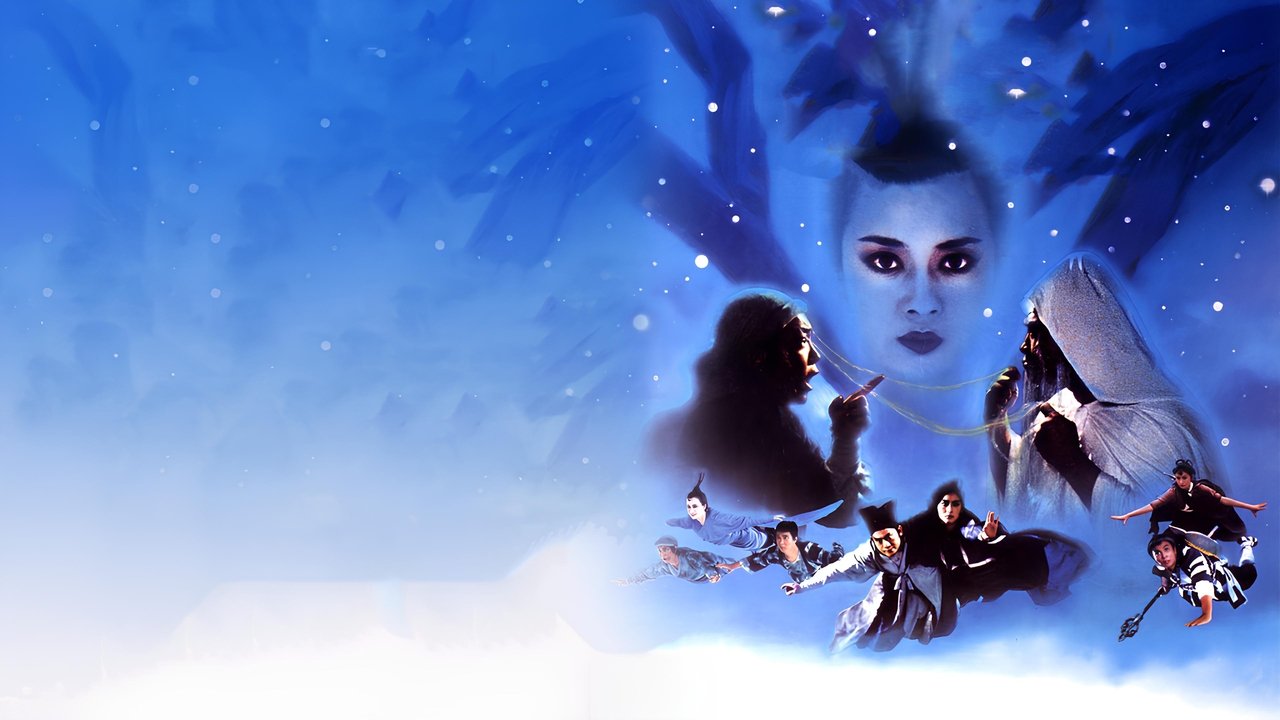
Let's talk about those effects, because that's where Zu truly cemented its legendary status, especially for its time and place. This was Hong Kong cinema stepping up its game in a massive way. Tsui Hark, aiming for Hollywood-level wizardry, famously brought in American technicians like Robert Blalock (who worked on creature effects for The Thing) and Peter Kuran (known for his optical effects on Star Wars). The result? A visual feast of optical printing, stop-motion animation, intricate miniatures, and tons of wirework.
Remember how mind-blowing those flying swordsmen and energy duels looked back then? Characters zip across the screen, defying gravity with a tangible, slightly jerky energy that modern CGI often smooths away. The laser battles and glowing energy shields might look a bit like souped-up animation cells today, but in '83, projected onto a flickering TV screen, they felt utterly magical. There's a raw, handcrafted quality to it – you can almost feel the effort, the sparks flying (sometimes literally!), the sheer physicality of pulling off these fantastical sequences before the digital age streamlined everything. It's charmingly dated now, perhaps, but undeniably ambitious and visually stunning for its era. And Yuen Biao, one of the legendary "Three Dragons" alongside Jackie Chan and Sammo Hung, throws himself into the mayhem with incredible physical grace amidst all the effects wizardry.
### Faces Amidst the Fantasy
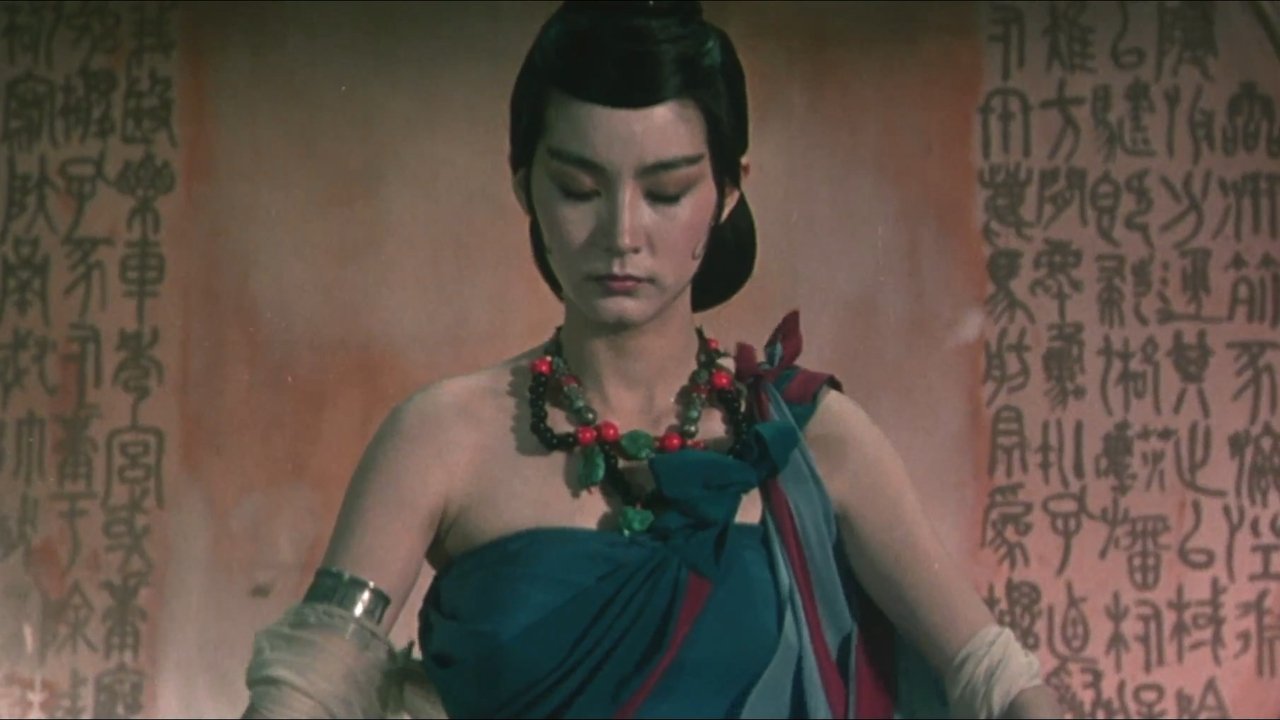
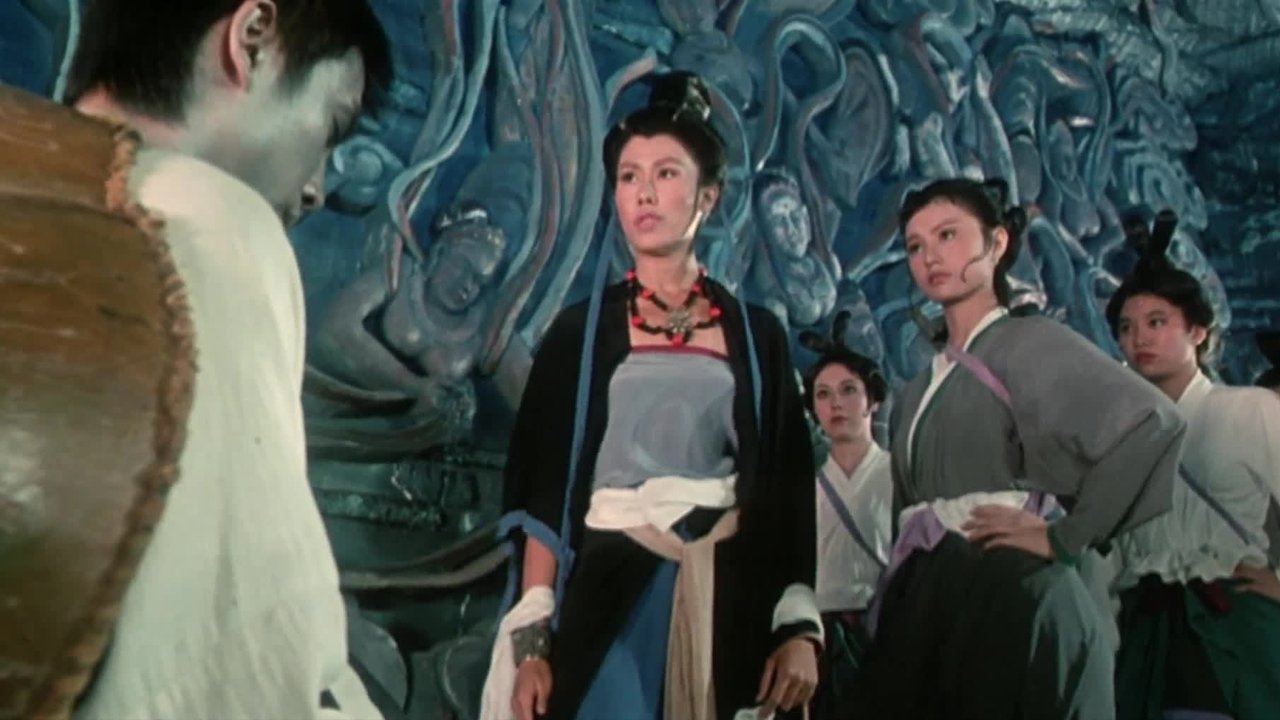
While the spectacle reigns supreme, the cast brings essential grounding. Yuen Biao is perfect as the wide-eyed audience surrogate, reacting to the escalating insanity with a mix of terror and awe. Veteran actor Adam Cheng lends gravitas as the noble swordsman Ting Yin, trying to maintain order amidst cosmic chaos. And then there's Brigitte Lin. Though her screen time as the Ice Queen is relatively brief, her entrance is unforgettable. Ethereal, imposing, and radiating otherworldly power, she instantly became one of the film's most iconic figures, solidifying her path towards becoming a wuxia legend. It's said Tsui Hark was so impressed by her presence that he significantly expanded her role in later fantasy epics.
### A Landmark of Lunacy
Zu wasn't just a film; it was a seismic event in Hong Kong cinema. Produced under a typically rushed schedule common for the industry then, it nonetheless pioneered the modern special effects-driven fantasy wuxia genre. Its influence was immediate and widespread, kicking off a wave of similar films throughout the 80s and early 90s. There’s even a strong argument that its blend of Eastern mysticism and high-octane action directly inspired John Carpenter's Big Trouble in Little China (1986). Despite its somewhat chaotic nature, it was a massive hit in Hong Kong and became a sought-after cult item internationally, particularly during the VHS boom. It later saw a spiritual successor in Tsui Hark's own The Legend of Zu (2001), a film drenched in the CGI that this 1983 original helped pave the way for, though arguably lacking some of the original's handmade charm.
---
VHS Heaven Rating: 9/10
Justification: Zu earns this high score for its sheer audacity, groundbreaking practical effects (for its time and place), relentless energy, and undeniable impact on the fantasy genre in Hong Kong cinema. It's a visual feast that perfectly encapsulates the wild creativity unleashed during the VHS era. Yes, the plot is thin and the effects creak a bit now, but its ambition, visual invention, and pure, unhinged fun remain utterly infectious.
Final Rewind: Zu: Warriors from the Magic Mountain is pure, uncut 80s Hong Kong fantasy madness. It’s a whirlwind of wire-fu, lasers, and mystical mayhem that felt like discovering forbidden magic on a worn-out rental tape, and honestly? It still kind of does.