Okay, settle in, dim the lights, maybe crack open a lukewarm soda like you used to. Remember that feeling of sliding a hefty VHS tape into the machine, the satisfying clunk, the slightly fuzzy studio logo appearing on the CRT? Some tapes felt heavier, more important, promising something epic. For me, one of those tapes was Tsui Hark's 1991 masterpiece, Once Upon a Time in China. This wasn't just another kung fu flick; it felt like history exploding onto the screen with a style and energy that rewired our brains.
### A Legend Reborn for a New Era
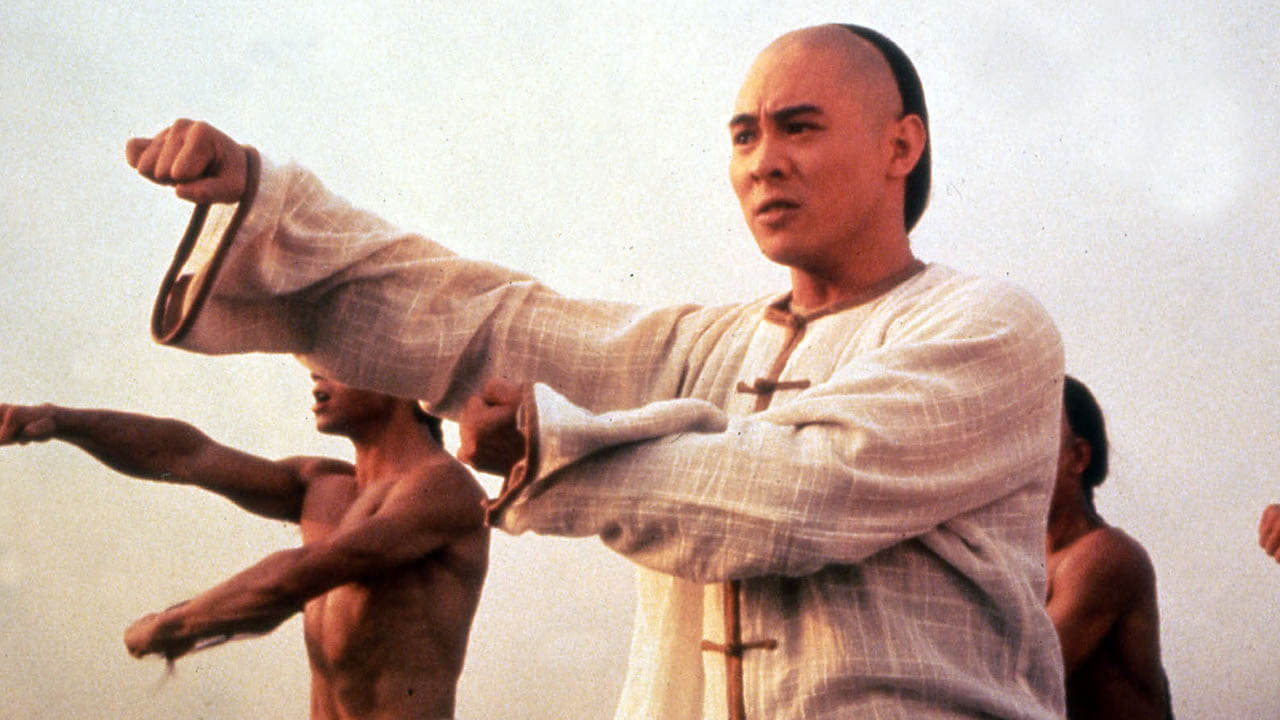
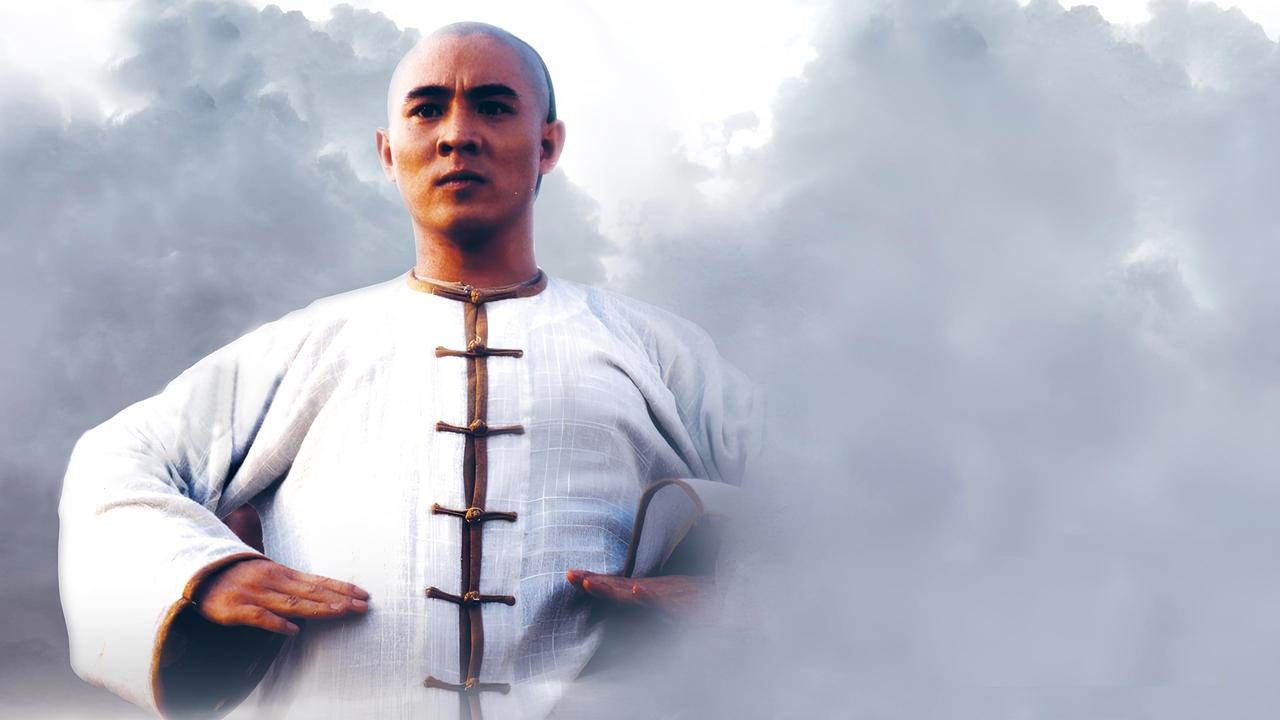
Before this, Wong Fei-hung was primarily known as the stoic, near-mythical folk hero played for decades by Kwan Tak-hing. But Tsui Hark, a director already known for his kinetic, almost chaotic energy in films like Zu Warriors from the Magic Mountain, saw something different. He envisioned a younger, more dynamic Wong Fei-hung grappling not just with thugs, but with the turbulent tides of change as Western influence clashed with Chinese tradition in late 19th-century Foshan. And who better to embody this than Jet Li? Fresh-faced but already a martial arts champion, Li brought an incredible physical grace combined with a quiet intensity that redefined the character for a generation. He was Wong Fei-hung: dignified, impossibly skilled, yet visibly concerned by the world shifting around him.
### Action That Redefined Gravity

Let's talk about the action, because honestly, that's what made jaws drop back in the day. Overseen by the legendary Yuen Woo-ping (yes, the same genius who would later choreograph The Matrix and Crouching Tiger, Hidden Dragon), the fight sequences here are a breathtaking blend of traditional kung fu precision and innovative wirework. It was pure Hong Kong cinema magic. Remember watching Jet Li effortlessly glide, kick, and block, seemingly defying physics? It wasn't the seamless, invisible wirework we see today; sometimes you could almost feel the pull, but that rawness was part of the charm. It felt dangerous, audacious.
Think about that insane opening training sequence on the beach, the sheer scale of it. Or the teahouse brawl – a masterclass in using environment and props. But the pièce de résistance? That final battle in the warehouse, culminating in the unbelievable ladder fight. Seriously, how did they even conceive that, let alone film it? It’s a symphony of controlled chaos, utilizing shifting platforms and precarious heights. It’s worth noting that Jet Li actually suffered a broken ankle during filming, a testament to the real risks involved. Ever the professional, Yuen Biao (playing Leung Foon initially, before switching roles with Jacky Cheung due to scheduling) reportedly stepped in to help with some complex doubling during Li's recovery – a fascinating "what if" glimpse, given Yuen's own incredible acrobatic prowess seen in classics like Project A.
These scenes felt incredibly real back then because they were largely real. Real stunt performers taking real falls (albeit cushioned!), real props being smashed, real intricate choreography performed at speed. The impact felt visceral, immediate, worlds away from the often weightless feel of modern CGI-heavy action.
### More Than Just Fists and Fury
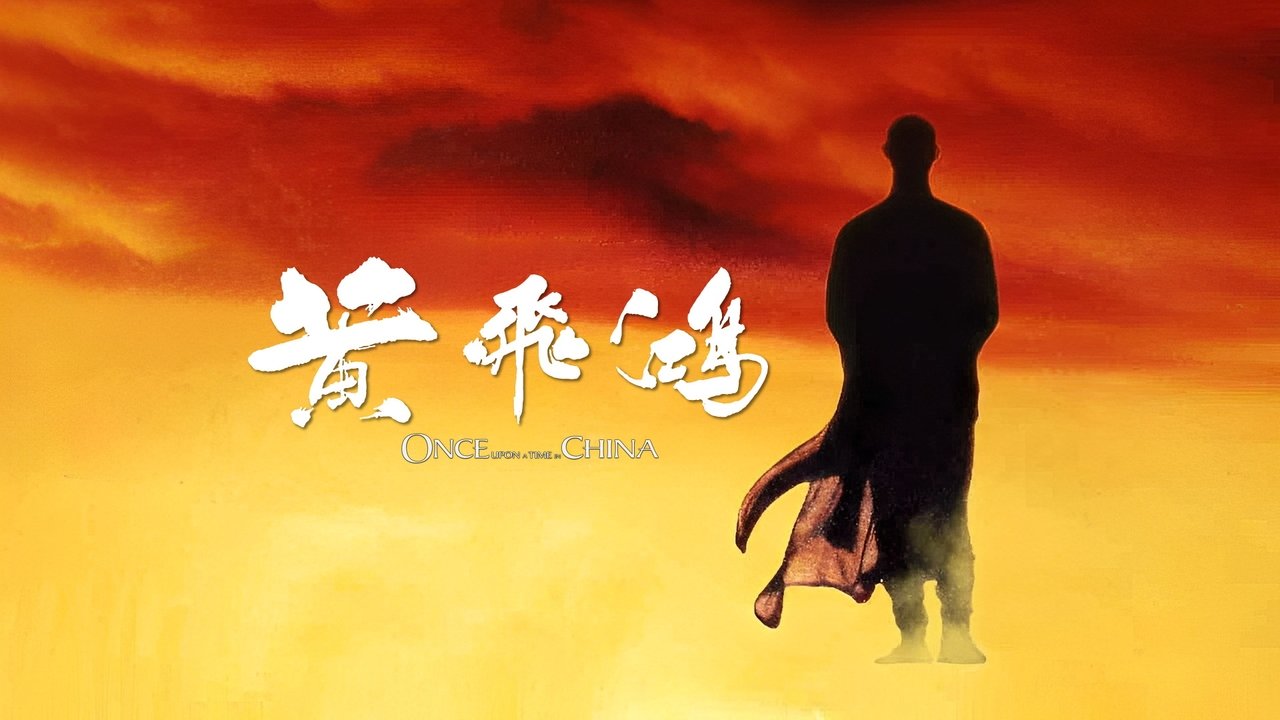
But Once Upon a Time in China offers more than just spectacular fights. Tsui Hark weaves a compelling narrative around the central theme of cultural identity. We see the encroachment of Western powers, the allure and threat of foreign technology (guns!), and the struggle of traditional Chinese society to adapt without losing itself. Jet Li's Wong Fei-hung navigates this complex landscape, trying to protect his people and uphold traditional values while acknowledging the inevitability of change.
The supporting cast adds wonderful texture. Rosamund Kwan as the Westernized "13th Aunt" Yee provides a romantic interest and a bridge between cultures, while Jacky Cheung (taking over the role of "Bucktooth" So after the swap with Yuen Biao) offers comic relief and represents the everyday person caught in the middle. Yuen Biao, as the initially misguided Leung Foon, provides another fantastic martial arts presence, leading to some memorable sparring moments with Li. The film pulsates with life, colour, and a sense of historical sweep, aided by James Wong's instantly iconic adaptation of the traditional folk song "On the General's Orders" as the main theme – music that still gives me goosebumps.
### The Verdict from the Video Store Aisles
Hitting screens in 1991, Once Upon a Time in China was a massive success, particularly in Asia (raking in over HK$29 million in Hong Kong alone, a hefty sum back then). It revitalized the historical martial arts genre, cemented Jet Li as a major action superstar, and kicked off a hugely popular franchise. Critics were largely impressed by its scale, ambition, and electrifying action, even if some found Tsui Hark's signature hyperkinetic style occasionally overwhelming. For those of us discovering it on worn-out VHS tapes, often with questionable English dubs that added their own layer of charm, it felt like uncovering buried treasure.
It wasn’t just a movie; it was an event. It redefined what a martial arts film could be – epic, thoughtful, visually stunning, and packed with action that pushed the boundaries of practical filmmaking.
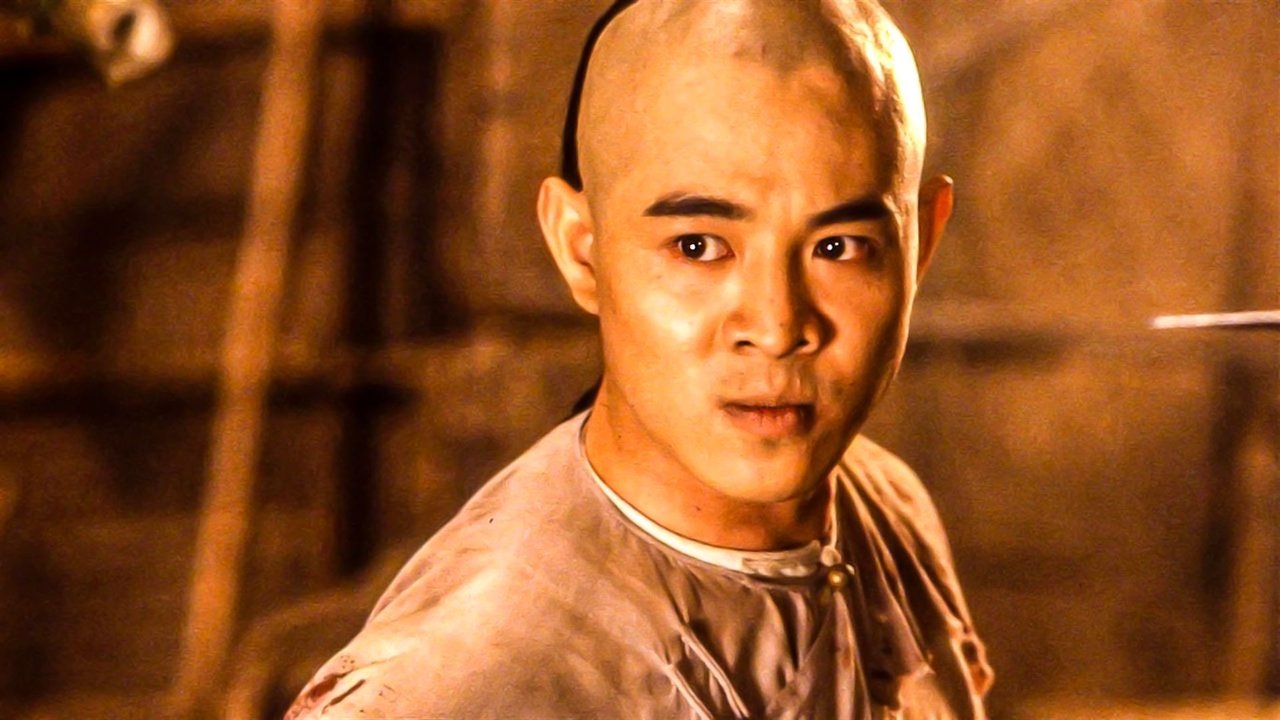
Rating: 9.5/10
The slight deduction is perhaps for the occasionally jarring tonal shifts or the sometimes-obvious wirework that might pull modern viewers out momentarily. But honestly, these are minor quibbles in the face of its monumental achievements. The film earns its near-perfect score through its groundbreaking action choreography (Yuen Woo-ping at his early best!), Jet Li's star-making performance, Tsui Hark's visionary direction, its epic scope, and its lasting cultural impact.
Final Thought: Forget pixel-perfect polish; this is cinematic lightning captured on celluloid (and transferred lovingly to fuzzy VHS). Once Upon a Time in China is a glorious testament to a time when action felt breathtakingly, dangerously real, and it still kicks harder than almost anything made today. A true classic that demands a revisit.