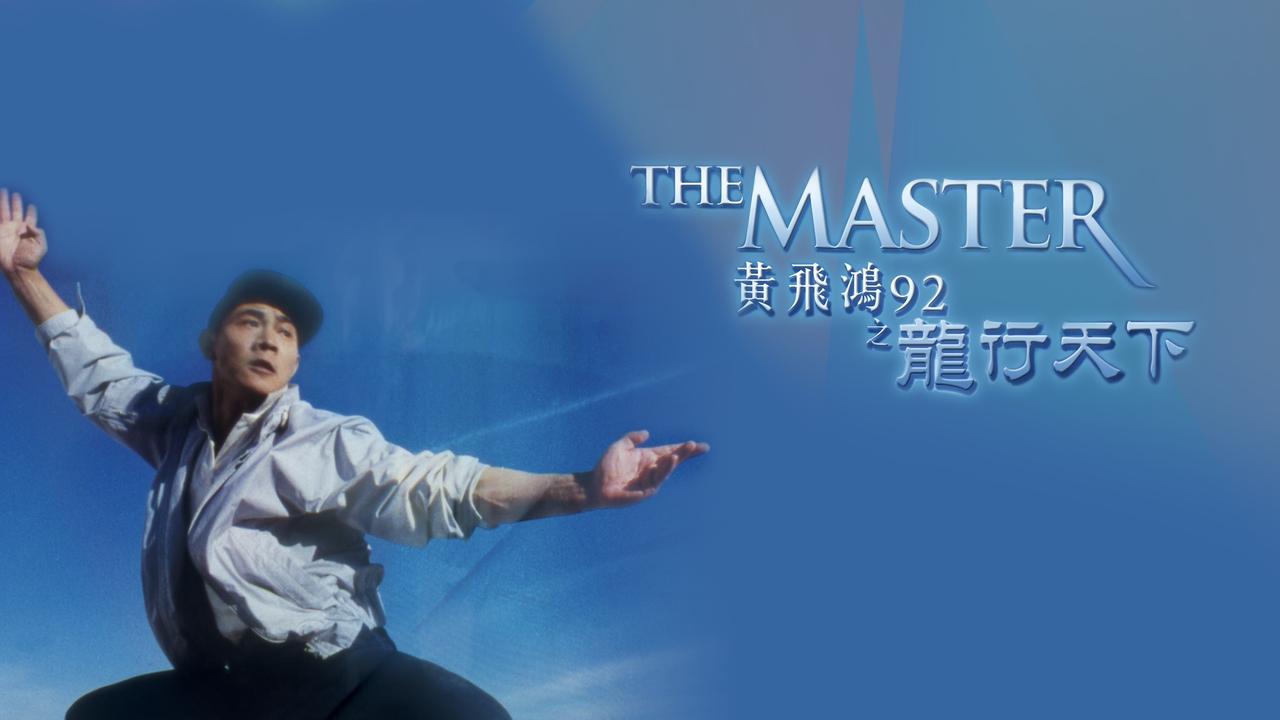
Okay, let's rewind the tape to 1992. Imagine browsing the packed shelves of your local video rental joint, maybe tucked away in the "Martial Arts" section, you spot a familiar face: Jet Li. The box art for The Master (original title: Lung hang tin haa) probably looked slick, promising high-kicking mayhem. What you actually got was something… interesting. A raw, kinetic, slightly bewildering blast of Hong Kong action transplanted, sometimes awkwardly, onto the streets of Los Angeles. It’s a film that feels both ahead of its time and charmingly stuck in a very specific moment.
### Hong Kong Hustle Hits LA
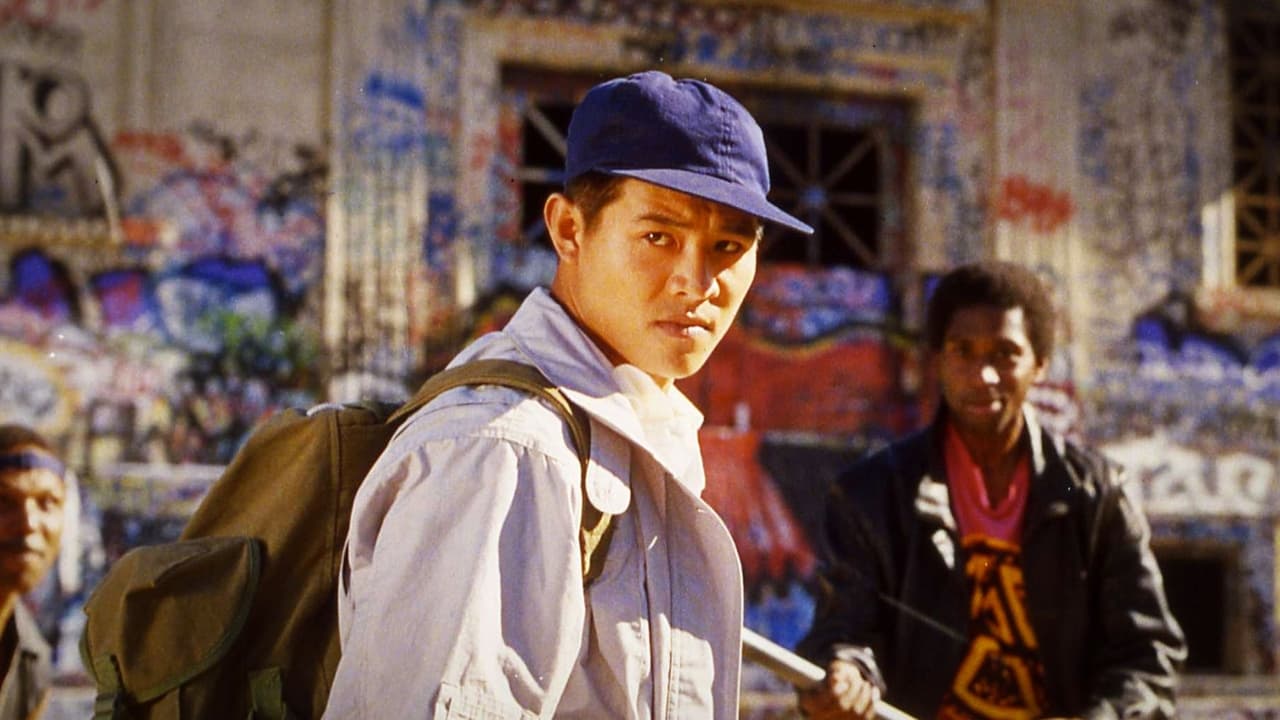
The setup is classic fish-out-of-water stuff: Jet Li plays Jet (yes, really!), a traditional Chinese medicine practitioner who travels to LA to find his estranged Sifu (master), Uncle Tak (Yuen Wah… playing the good guy initially!). Jet arrives to find Tak's medicine shop trashed and Tak himself injured, thanks to a gang led by the ruthless Johnny (Yuen Wah again, pulling double duty? Nope, just kidding - Johnny is the actual villain here, also played by the incredible Yuen Wah). Johnny is a former student of Tak's, now using his formidable martial arts skills for crime and trying to eliminate all rival masters. Jet, with the help of a street-smart young woman named May (Crystal Kwok), must protect his master and confront Johnny's crew.
What makes The Master immediately stand out is the unmistakable guiding hand of director Tsui Hark, the visionary behind classics like Once Upon a Time in China (1991) and Zu Warriors from the Magic Mountain (1983). Even on foreign soil, Hark brings his signature hyper-kinetic editing, dynamic camera angles, and a sheer energy that feels distinctly Hong Kong. The plot might be thin, cobbled together with some amusingly dated early 90s American culture clashes, but when the action kicks in, you know who's behind the camera.
### That Delayed Release Punch
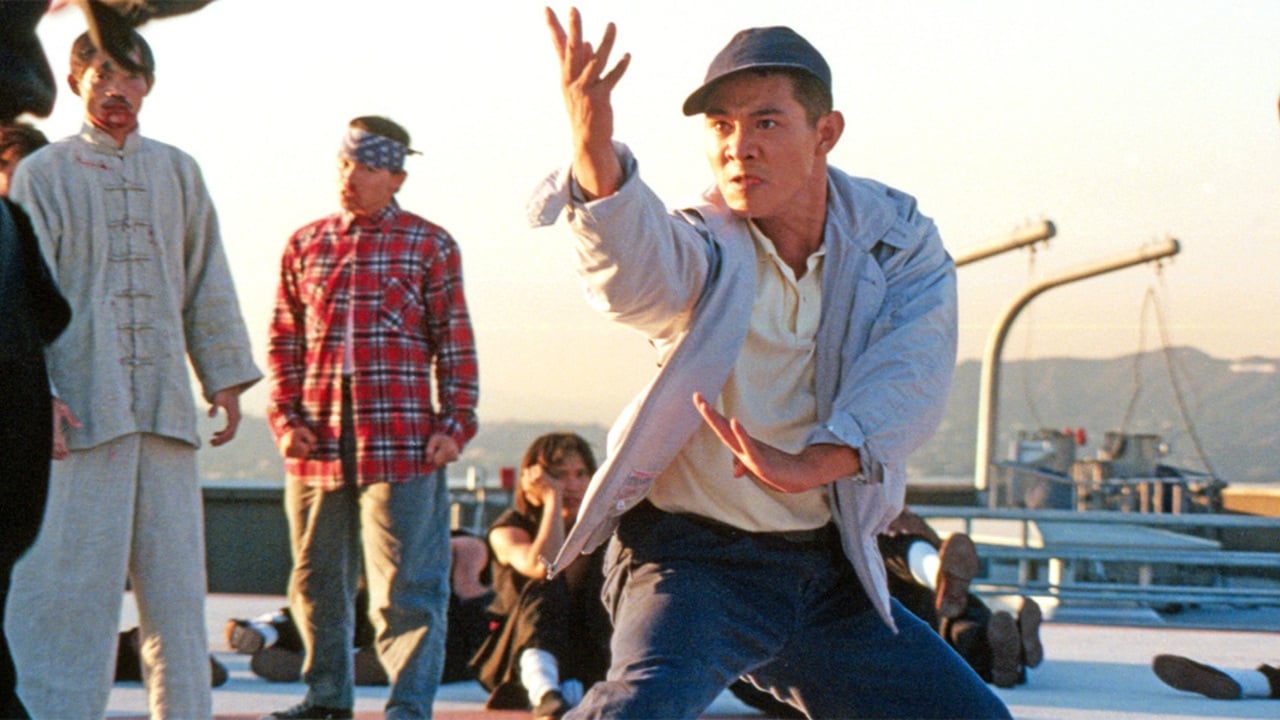
Here’s a crucial bit of Retro Fun Fact that explains a lot about this film's slightly odd vibe: The Master was actually filmed around 1989, before Jet Li became an international megastar thanks to Tsui Hark's own Once Upon a Time in China. The film sat on the shelf for years until Golden Harvest, seeing Li's newfound box office clout, decided to cash in and finally released it in 1992. This context is key! It explains why Li feels younger, perhaps a bit less polished than his Wong Fei-hung persona, and why the film sometimes feels like a test run for the bigger Hong Kong-meets-West productions that would follow. I distinctly remember renting this back in the day, expecting another OUATIC-level epic, and being slightly puzzled but ultimately thrilled by the raw action spectacle.
### Real Fights, Real Danger
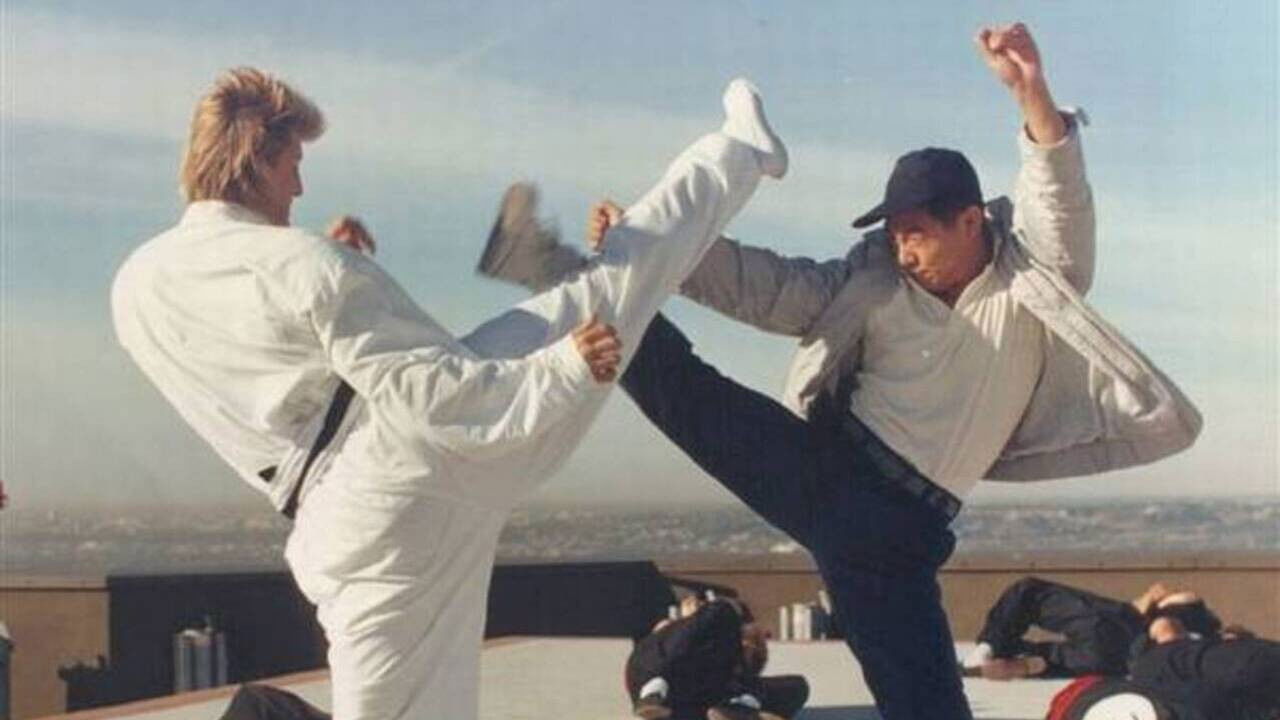
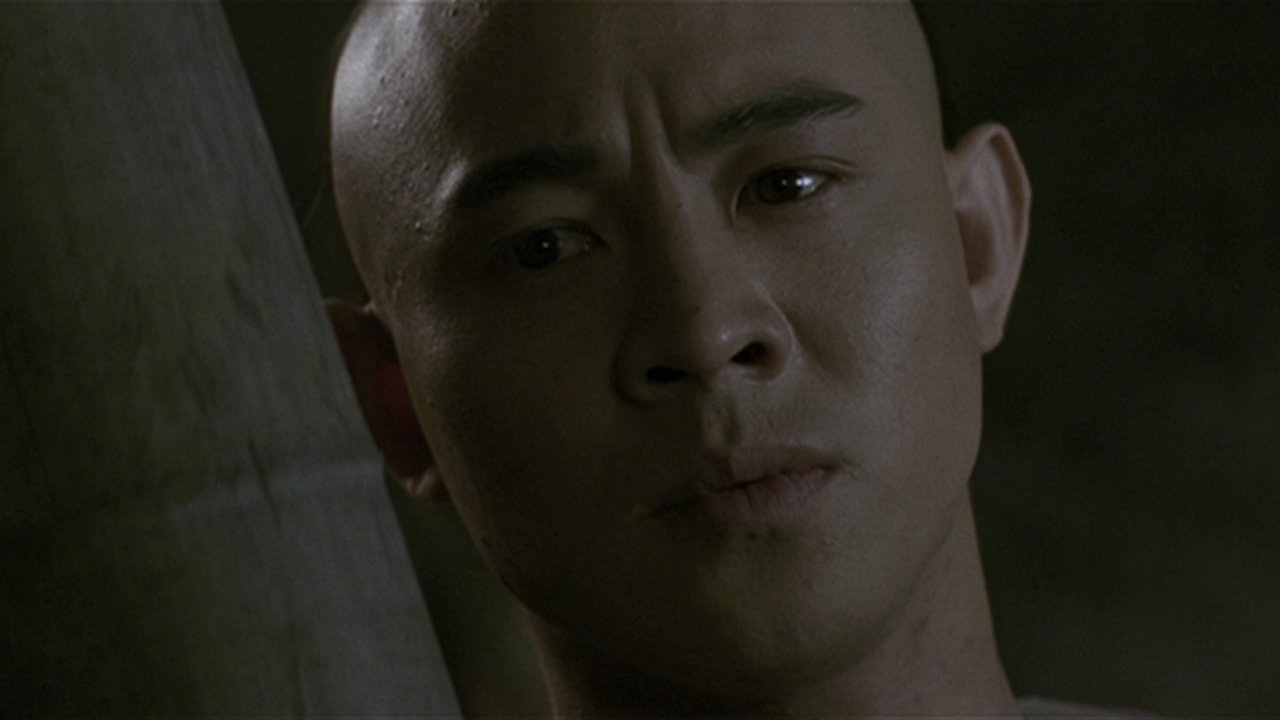
Let's talk about that action. This is pure, unadulterated late-80s/early-90s Hong Kong choreography, dropped into LA settings like libraries, rooftops, and warehouses. Forget seamless CGI – this is the era of practical effects and jaw-dropping stunt work. You see real bodies hitting real objects (and each other) with palpable force. The wirework, a staple of HK cinema, is present but perhaps feels a little less floaty and more grounded, adding a gritty edge to the acrobatics. Remember how mind-blowing those intricate fight sequences looked on a fuzzy CRT screen? The speed, the precision, the sheer physical commitment from Jet Li and veteran stuntman/actor Yuen Wah is something to behold.
Yuen Wah, a graduate of the same Peking Opera school as Jackie Chan and Sammo Hung, is fantastic as the menacing Johnny. He moves with incredible power and grace, providing a genuinely threatening physical counterpoint to Li's whirlwind style. Their final confrontation is a highlight, a dizzying display of complex choreography that feels both dangerous and exhilarating. Another Retro Fun Fact: Jet Li spoke very little English at the time of filming, leading to some noticeable dubbing for his English lines, a common practice for HK stars venturing into Western-set films back then. It adds a layer of charming awkwardness that’s part of the VHS experience.
### A Time Capsule Worth Unearthing?
The Master wasn't a massive hit, overshadowed by Li's bigger Hong Kong epics and arriving just before his eventual, more concerted push into Hollywood with films like Lethal Weapon 4 (1998). Critics at the time were likely baffled by its tonal shifts and B-movie plot. Yet, watching it today through the lens of nostalgia, it’s a fascinating and highly entertaining curio. It captures that specific moment when Hong Kong action cinema was starting to seriously eye the West, bringing its unique brand of mayhem stateside. The early 90s LA setting, the fashion, the dialogue – it’s all a delightful time capsule.
Tsui Hark’s direction keeps things visually dynamic, even when the script falters. The supporting cast does their job, with Crystal Kwok providing a necessary bridge between Jet's traditional ways and the American setting. But ultimately, you watch The Master for Jet Li's incredible physical performance and the beautifully brutal choreography orchestrated by masters of the craft.
---
VHS Heaven Rating: 7/10
Justification: While the plot is paper-thin and some elements haven't aged gracefully, the core appeal – Tsui Hark's energetic direction and phenomenal, practical Hong Kong-style fight choreography featuring a young Jet Li and the formidable Yuen Wah – remains incredibly potent. The delayed release backstory adds a fascinating layer. It's not Li's best, nor Hark's, but it delivers brilliantly on the raw action front, making it a must-see for genre enthusiasts and completists.
Final Rewind: The Master is like finding a slightly battered but still potent cassette tape – a raw, sometimes clumsy, but ultimately exhilarating blast of pure, pre-CGI kinetic energy that reminds you why Hong Kong action owned the 90s. Turn the tracking up just right, and enjoy the mayhem.