Alright, fellow tapeheads, settle in. Remember scanning those slightly worn video store shelves, past the big Hollywood blockbusters, maybe venturing into the "Martial Arts" or "Foreign Films" section? Sometimes you’d stumble across something familiar, yet… unexpected. That's exactly the vibe hitting play on Once Upon a Time in China and America (1997) delivers. Seeing the legendary Wong Fei-hung, Master Jet Li himself, not amidst the turmoil of late 19th century China, but plonked right into the dusty saloons and open ranges of the American Wild West? It felt like a wonderfully strange fever dream then, and honestly, it still kind of does.

This sixth installment in the beloved Once Upon a Time in China series, and Li's final appearance as the iconic folk hero (until 2006's Fearless, sort of), takes a bold leap across the Pacific. Wong, along with Aunt Yee (Rosamund Kwan, gracefully returning) and the ever-agile disciple Clubfoot (Xiong Xin-Xin, also back!), is visiting America to check on his Po Chi Lam clinic outpost. Naturally, things go sideways almost immediately. A stagecoach ambush, a tumble downriver, and suddenly Master Wong has amnesia, falling in with a friendly Native American tribe who dub him "Yellow." It’s a setup ripe for both thrilling action and, let's be honest, some pretty broad culture-clash comedy.
### Kung Fu Cowboys and Acrobatic Chaos
What truly ignites this film, pulling it from potential B-movie absurdity into must-watch territory for fans, is the action. With the legendary Sammo Hung taking over directing duties from series mastermind Tsui Hark (who stayed on as producer and co-writer), the fights take on a distinctly Sammo flavour. While Tsui Hark's earlier entries often had a balletic, almost ethereal quality to their wire-fu, Sammo brings a more grounded, impactful, and sometimes hilariously inventive energy. You can almost feel the grit under the fingernails.
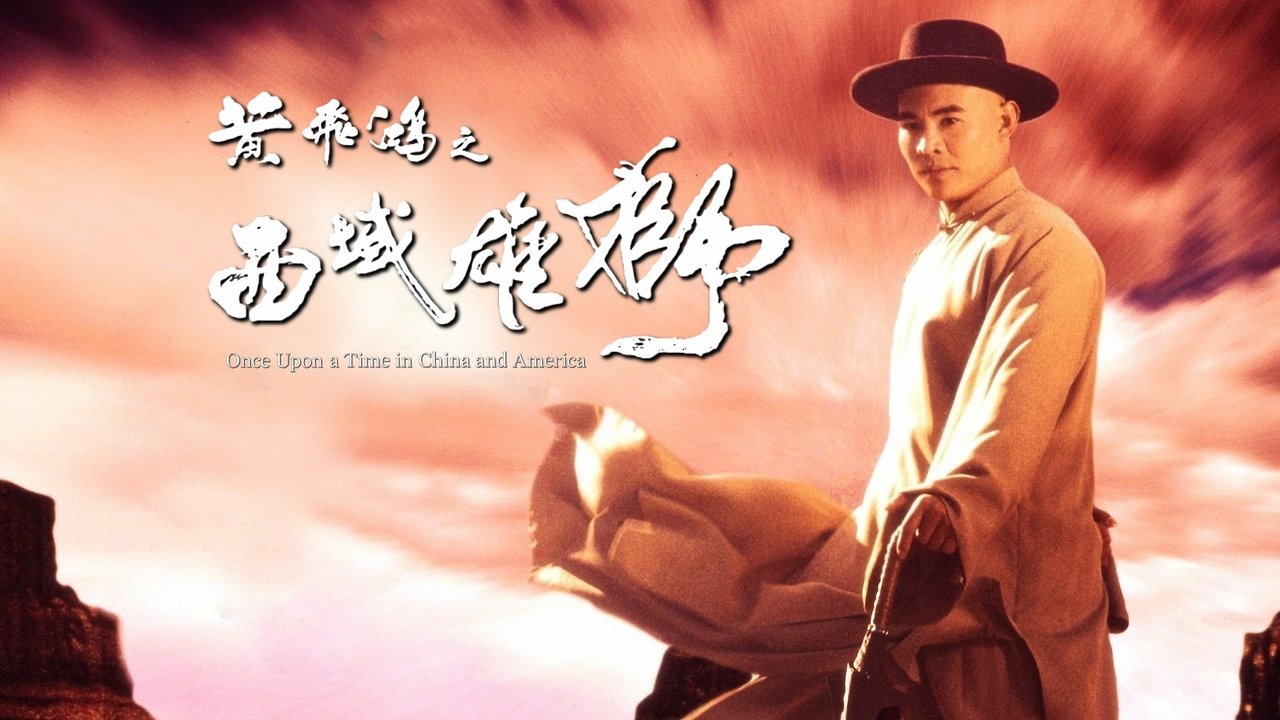
The blend of Eastern martial arts with Western tropes is where the film shines brightest in its action sequences. Seeing Jet Li, even as the memory-wiped "Yellow," instinctively unleash lightning-fast kicks and intricate hand movements against gun-toting outlaws is pure gold. And Xiong Xin-Xin as Clubfoot? The man is a whirlwind. His signature boot-work combined with incredible acrobatics makes every fight scene he’s in a highlight. Remember how jaw-dropping those practical stunts looked back then? The sheer speed and complexity, often involving multiple combatants in intricate choreography, captured with that raw, slightly gritty 90s Hong Kong aesthetic – it felt incredibly real, a world away from the often weightless feel of modern CGI fights. A Retro Fun Fact for you: filming some key sequences on location in Texas undoubtedly added authenticity to the Western vibe, but also presented logistical challenges for Tsui Hark's Film Workshop crew, bridging the gap between Hong Kong's fast-paced production style and American union regulations.
### Sammo's Touch and Western Whirlwind
Sammo Hung, a giant in Hong Kong cinema with classics like Project A (1983) and Wheels on Meals (1984) under his belt as director and star, doesn't try to simply mimic Tsui Hark. He injects his own sensibilities. There's a palpable sense of chaotic energy, particularly in the larger brawls, like the climactic showdown in the besieged frontier town. He masterfully blends intricate choreography with moments of surprising brutality and slapstick comedy, sometimes within the same sequence.

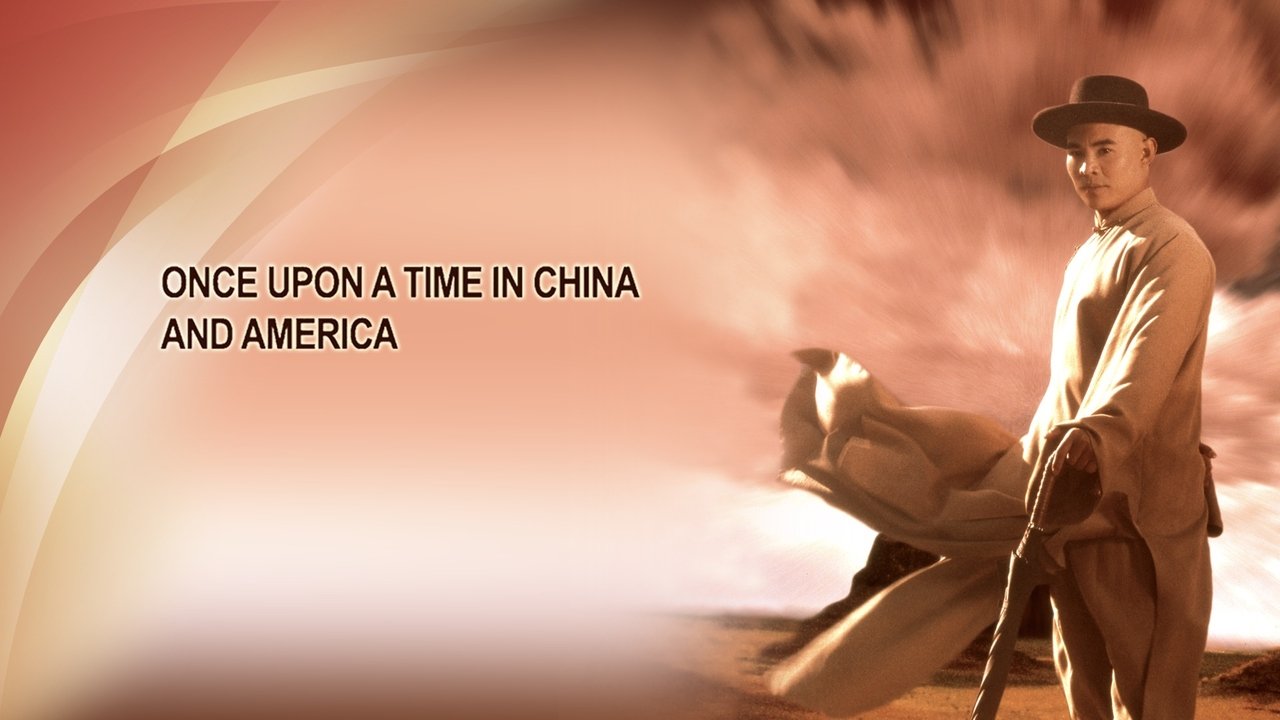
The film leans into the "fish out of water" premise, sometimes with more success than others. The interactions between Wong Fei-hung (even in his amnesiac state) and the Native Americans offer moments of genuine warmth and shared respect, while the portrayal of the era's racism and the villainous town mayor feels appropriately hiss-worthy, if a bit mustache-twirling. Some of the humour might feel dated now, reliant on stereotypes that were perhaps more commonplace in 90s Hong Kong comedy, but it's generally good-natured. It’s interesting to note the writing credits feature a whole team, including Tsui Hark himself and veteran Shaw Brothers star Philip Kwok (one of the legendary Venoms!). This often points to the collaborative, sometimes patchwork nature of script development in the fast-moving Hong Kong industry of the time.
### A Curious Coda on Cassette
Compared to the historical sweep and dramatic weight of the first few OUATIC films, America feels like a lighter, more action-focused detour. It didn't quite recapture the box office magic of the earliest entries (grossing around HK$30 million, respectable but not record-breaking), and some critics at the time found the premise stretched thin. Yet, watching it again now, especially with that warm VHS fuzz in mind, its charms are undeniable. It represents a specific moment – the tail-end of a certain golden age of Hong Kong action finding its footing globally, willing to try audacious, slightly strange concepts.
It delivered Jet Li back in his most iconic role, surrounded by familiar faces, and threw them into a completely unexpected sandbox, letting Sammo Hung orchestrate the glorious mayhem. The plot might wobble, the comedy might creak, but the action? Pure, unadulterated, high-kicking bliss, executed with the kind of practical wizardry that made Hong Kong cinema so thrilling during the VHS era.

Rating: 7/10
Justification: While the story is thinner and the tone less consistent than the original trilogy, the return of Jet Li, Kwan, and Xiong, combined with Sammo Hung's brilliantly staged, practically-driven action sequences in a unique setting, makes it a highly entertaining watch. It's a noticeable step down from the classics, but a significant step up from lesser sequels, delivering plenty of fan-pleasing moments and inventive fights.
Final Word: A wonderfully weird East-meets-West experiment that might be the oddball cousin of the OUATIC family, but its high-energy, practically-powered action is exactly the kind of joyous discovery that made browsing those video store aisles worthwhile. Definitely worth rewinding.