Okay, fellow tapeheads, let's rewind to a time when Hong Kong action cinema was undergoing a glorious, hyper-stylized renaissance. Forget gritty realism for a moment. Forget subtle character studies. We're diving headfirst into the whirlwind of silk, steel, and superhuman grace that is 1992’s The Legend of the Swordsman (often found as Swordsman II on those worn VHS boxes). If you stumbled upon this gem at the rental store back in the day, maybe nestled between a Van Damme flick and something with ninjas, you likely had no idea the visual feast you were in for. This wasn't just another martial arts movie; this was wuxia cranked up to eleven, a dizzying opera of impossible combat and operatic emotion.

### A Whirlwind of Silk and Steel
Picking up after the original Swordsman (1990), the story ostensibly follows the wandering swordsman Ling Wu-chung, played with a charming, slightly bewildered heroism by the legendary Jet Li. Fresh off redefining martial arts action in Tsui Hark's Once Upon a Time in China (1991), Li here is less the stoic folk hero and more a skilled fighter caught in increasingly complex webs of clan politics, mystical scrolls, and forbidden love. He just wants a quiet life with his fellow Mount Hua disciples, including Kiddo (the delightful Michelle Reis) and Yue Lin-shan (Rosamund Kwan, also Li's co-star in Once Upon a Time in China), but the martial world ("jianghu") simply won't let him be. The plot, typical of the genre and heavily influenced by producer/writer Tsui Hark's kinetic style, throws alliances, betrayals, and secret identities at you with breathless speed. Keeping track can feel like trying to catch falling leaves in a hurricane, but honestly, the plot often takes a backseat to the sheer spectacle.
### Enter Asia the Invincible
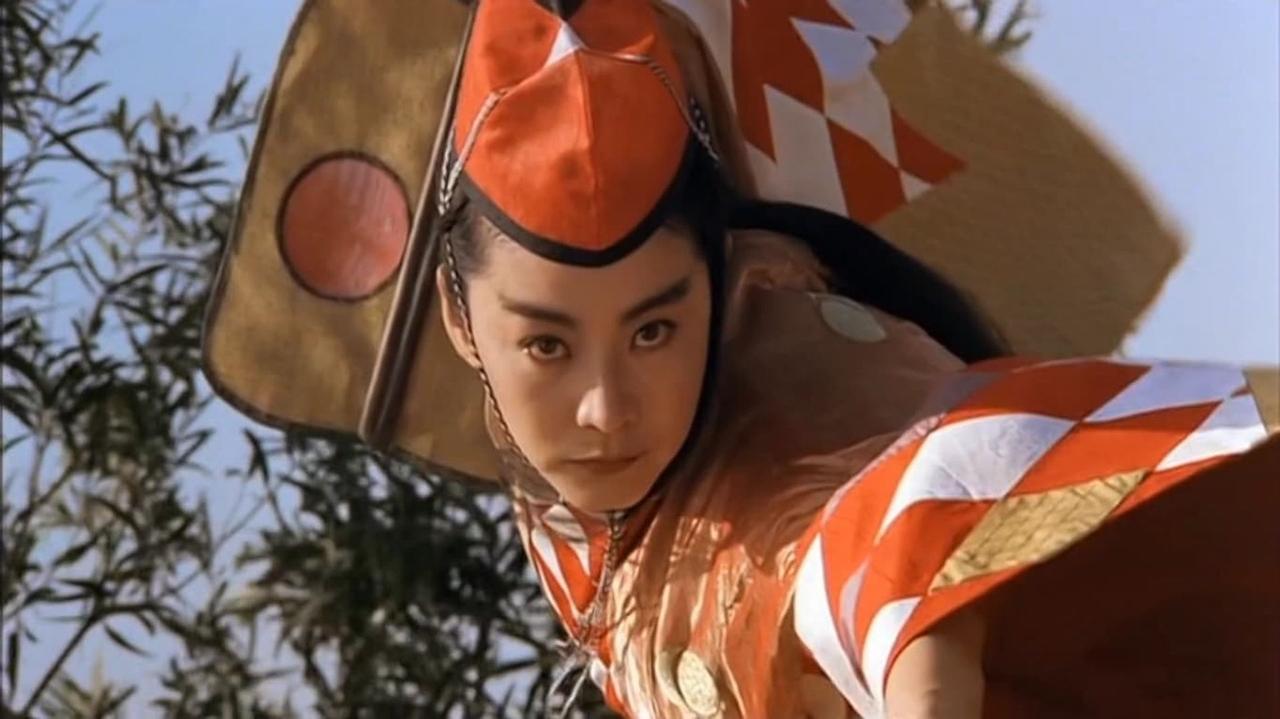
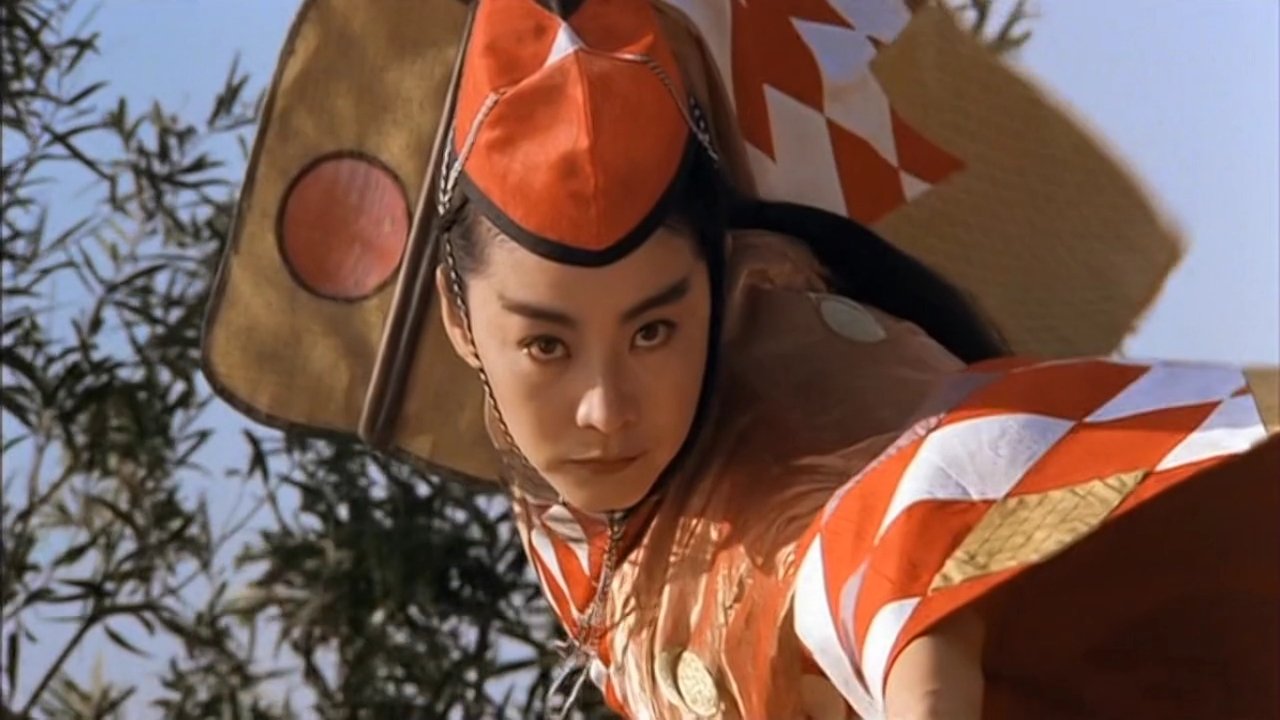
And what spectacle! The film truly ignites with the introduction of Asia the Invincible, portrayed by the incomparable Brigitte Lin. Now, here’s where things get really interesting. Asia the Invincible, leader of the Sun Moon Holy Cult, is based on a male character from Louis Cha's novel who castrated himself to master the powerful Sunflower Manual, becoming immensely powerful and increasingly androgynous/feminine. Casting Lin, already a huge star, in this role was a stroke of genius. She doesn't just play the part; she embodies this ethereal, terrifyingly powerful figure. Her gaze could freeze fire, her movements shift seamlessly between masculine authority and feminine grace. It's a mesmerizing, iconic performance that transcends gender norms and became instantly legendary in Asian cinema. Forget subtlety; Lin commands the screen with operatic grandeur, stealing every single scene she’s in. Her relationship with Ling Wu-chung adds a layer of potent, dangerous ambiguity that fuels much of the film's energy.
### Gravity is Merely a Suggestion
But let's talk action, because that's the heart pounding within this film's chest. Directed and choreographed by the maestro Ching Siu-tung (who gifted us the spectral beauty of A Chinese Ghost Story (1987)), The Legend of the Swordsman showcases the absolute peak of 90s wire-fu. Remember how mind-blowing this stuff looked on a fuzzy CRT screen? The characters don't just jump; they fly. They soar, spin, glide across treetops, and unleash flurries of attacks that defy physics. This wasn't the floaty, sometimes weightless CGI of today. This was practical wirework pushed to its absolute limit. You feel the effort, the controlled chaos orchestrated by stunt teams working miracles.
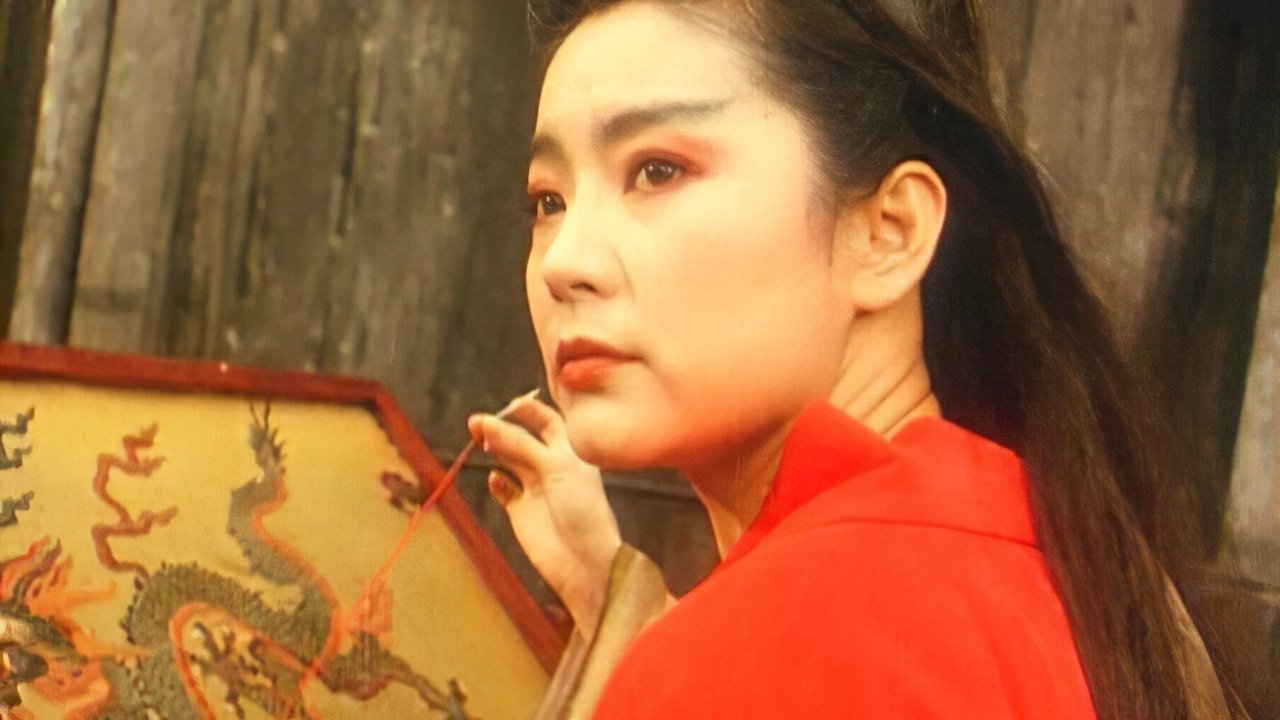
Think about those scenes – swordsmen balancing on impossibly thin branches, battles erupting in mid-air, and the sheer invention of it all. Asia the Invincible using needles and threads as deadly weapons? Pure Hong Kong genius! These sequences have a raw, tangible energy. You see real performers being yanked, flipped, and sent soaring, often performing complex choreography while suspended dozens of feet up. It's a ballet of violence, beautifully shot and edited with a kinetic rhythm that leaves you breathless. Was it realistic? Absolutely not. Was it exhilarating? You bet your worn-out tracking button it was. The speed and fluidity were revolutionary, setting a benchmark for wuxia films that followed.
### Legacy of the Blade
While maybe not as well-known in the West initially as some of Jet Li's other works, The Legend of the Swordsman was a colossal hit across Asia and remains a beloved cornerstone of the "new wave" wuxia movement. It perfectly captured that early 90s Hong Kong spirit – technically brilliant, wildly imaginative, emotionally heightened, and produced at lightning speed. Tsui Hark's fingerprints are all over it, pushing the boundaries of visual storytelling and genre conventions. It might feel narratively dense or melodramatically over-the-top to modern eyes accustomed to more grounded action, but that's part of its charm. It’s a film that commits wholeheartedly to its fantastical vision. I distinctly remember renting this tape, drawn in by the cover art, and being utterly transported by its unique energy – it felt like nothing else out there.
Rating: 9/10
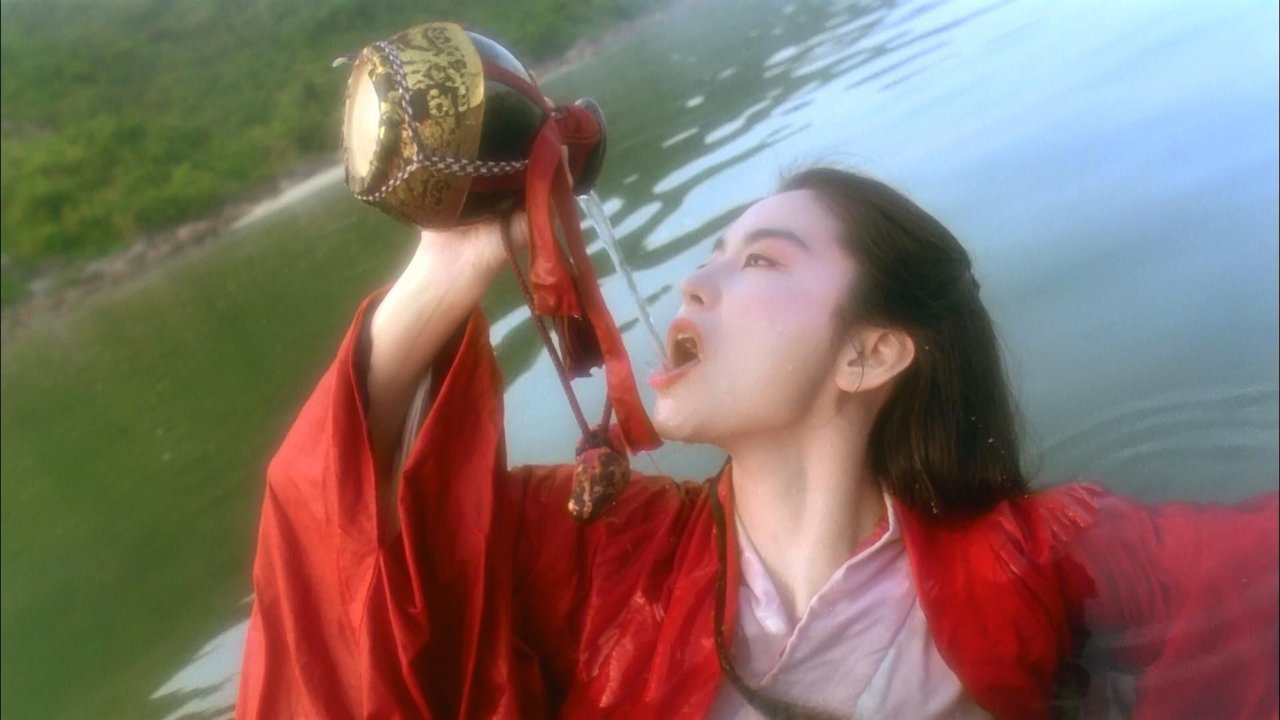
Justification: This film gets a high score for its sheer visual audacity, groundbreaking action choreography by Ching Siu-tung, and Brigitte Lin's unforgettable, iconic performance. The practical wirework is astonishing for its time and still impresses with its raw energy. While the plot can be a whirlwind that occasionally prioritizes style over coherence, the sheer sensory overload and artistic flair make it a standout classic of the wuxia genre. It's pure, unadulterated Hong Kong cinematic magic.
Final Thought: For a taste of peak 90s wire-fu, where practical stunts created impossible poetry in motion long before digital dominance, The Legend of the Swordsman is essential viewing. It’s a glorious, high-flying martial arts fever dream that still feels utterly unique.