Alright, fellow tape travelers, dim the lights, maybe adjust the tracking just a bit in your mind's eye, and let's slide a true gem into the VCR: Tsui Hark’s breathtaking martial arts epic, Once Upon a Time in China II (1992). Forget just popping this one in; grabbing this tape off the rental shelf felt like unearthing treasure. It wasn’t just a sequel; it was a statement, a whirlwind of motion and historical drama that hit with the force of a perfectly executed flying kick, even through the fuzz of a well-loved CRT screen.

Picking up with our stoic hero Wong Fei-hung (Jet Li, already cementing his iconic portrayal), the film transports us to Canton in 1895. The air crackles not just with humidity, but with tension – Western influence clashing violently with Chinese tradition, embodied by the terrifyingly zealous White Lotus Sect. Accompanied by the returning '13th Aunt' Yee Siu-kwan (Rosamund Kwan) and apprentice Leung Foon (Max Mok), Wong finds himself navigating a powder keg city, trying to maintain peace while ancient beliefs curdle into deadly fanaticism. It's a richer, more complex backdrop than the first film, grounding the spectacular action in genuine historical anxieties.
### A Symphony of Controlled Chaos
Let's be clear: the action in OUATIC II is why we wore out the rewind button. Tsui Hark, never one for static filmmaking (think Zu Warriors from the Magic Mountain (1983) or later, Detective Dee), pushes the kinetic energy into overdrive here. But the real magic happens thanks to legendary action choreographer Yuen Woo-ping, the maestro who would later bring us the mind-bending fights of The Matrix (1999). Forget slow-motion punches; this is wire-fu elevated to an art form – blindingly fast, impossibly intricate, yet always coherent. Remember how those sequences looked back then? The sheer speed and complexity felt revolutionary. Modern CGI often smooths things out, but here, you feel the impact, the near-misses, the incredible physical control demanded of the performers hanging from wires that were, let's be honest, sometimes visible if you squinted just right.
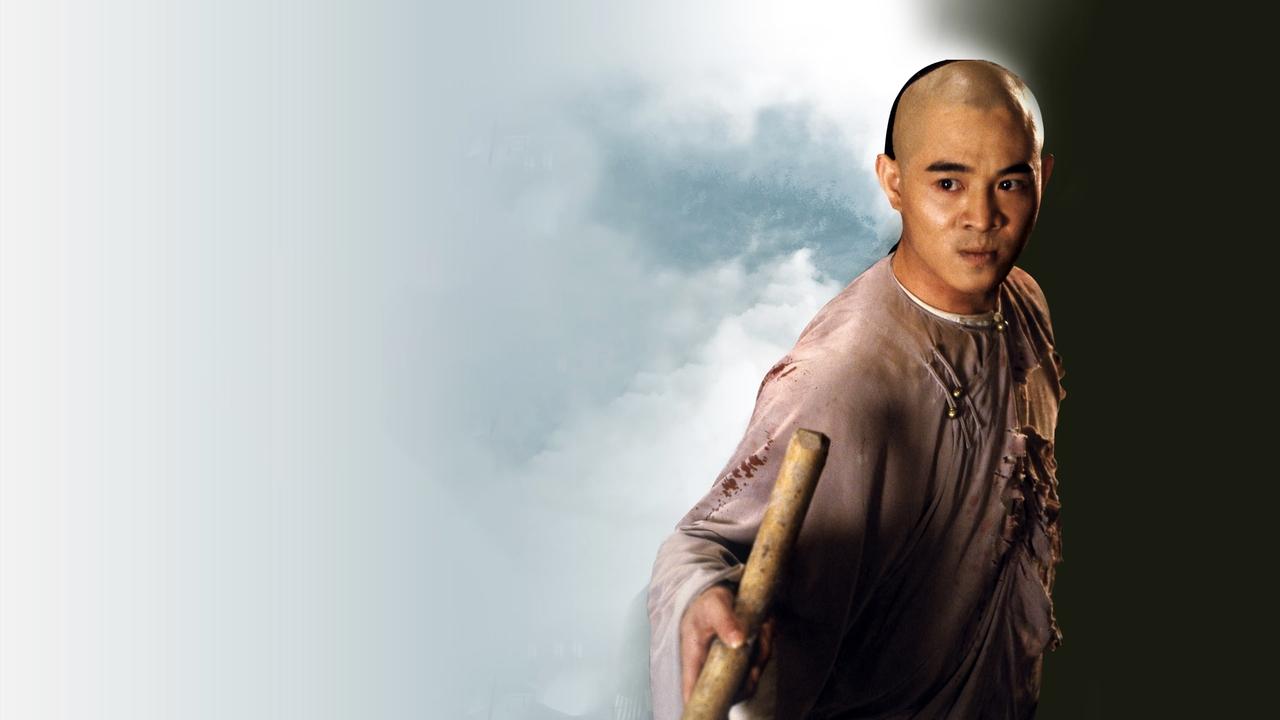
The film throws down the gauntlet early with the White Lotus Sect's attacks. These aren't just fights; they're riots, ballets of destruction through paper walls and crowded streets. Tsui Hark masterfully uses chaos, filling the screen with movement. It’s said that coordinating these large-scale brawls, particularly capturing the fanatical energy of the White Lotus cultists, was a massive logistical challenge on the elaborate period sets built to recreate Canton. The result is immersive and genuinely unsettling, portraying the dangerous allure of extremism.
### Enter the Dragon… Again
While the White Lotus provide the chaotic threat, the film's martial arts centerpiece is the simmering conflict between Wong Fei-hung and Imperial Military Officer Nap-lan Yun-seut, played with chilling intensity by a young Donnie Yen. This wasn't just another villain; this was a clash of philosophies and fighting styles, culminating in one of the most celebrated duels in kung fu cinema history. The confined space, the use of cloth as a weapon, the sheer velocity – it's breathtaking.
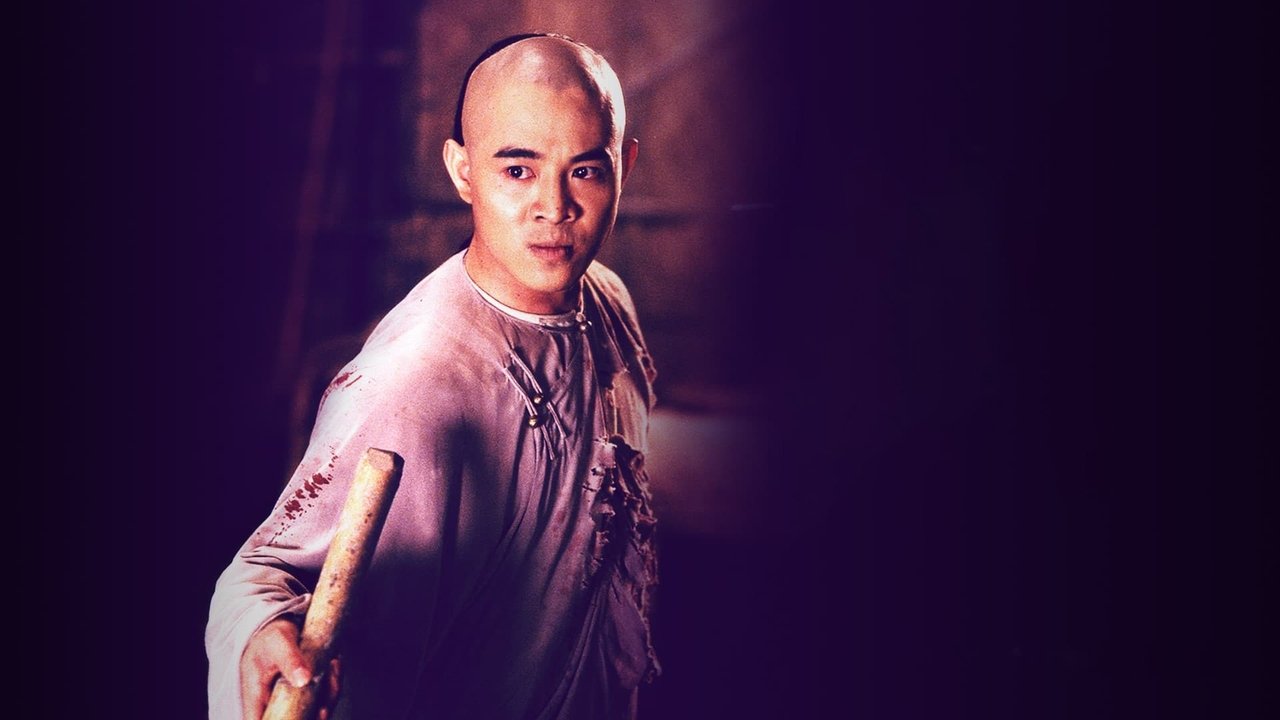
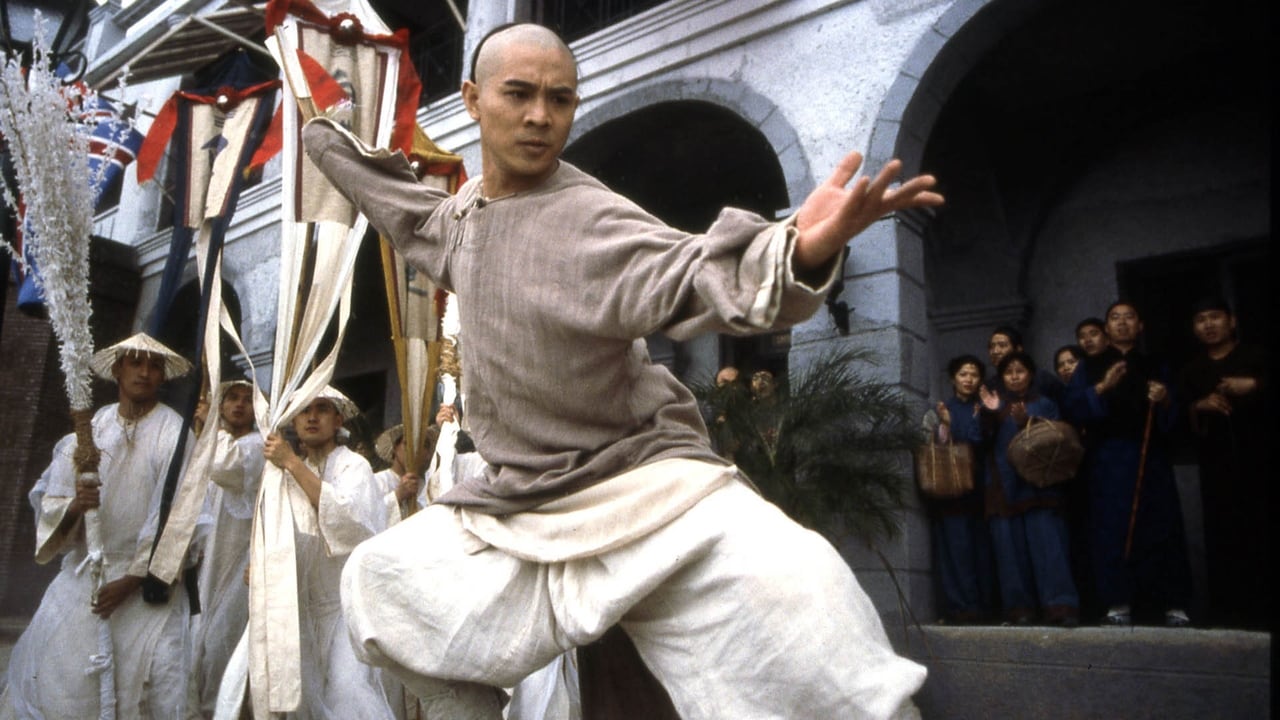
Here’s a tasty Retro Fun Fact: Rumors have long circulated about genuine friction between Jet Li and Donnie Yen on set, possibly stemming from professional rivalry. Whether true or not, that perceived tension absolutely crackles on screen, adding an extra layer of ferocity to their legendary final battle. Yuen Woo-ping reportedly pushed both actors to their limits, designing choreography that highlighted Li's fluid grace against Yen's powerful precision. It’s a masterclass in practical stunt work and fight storytelling, winning Yuen the Best Action Choreography award at the 12th Hong Kong Film Awards – a prize thoroughly deserved.
### More Than Just High Kicks
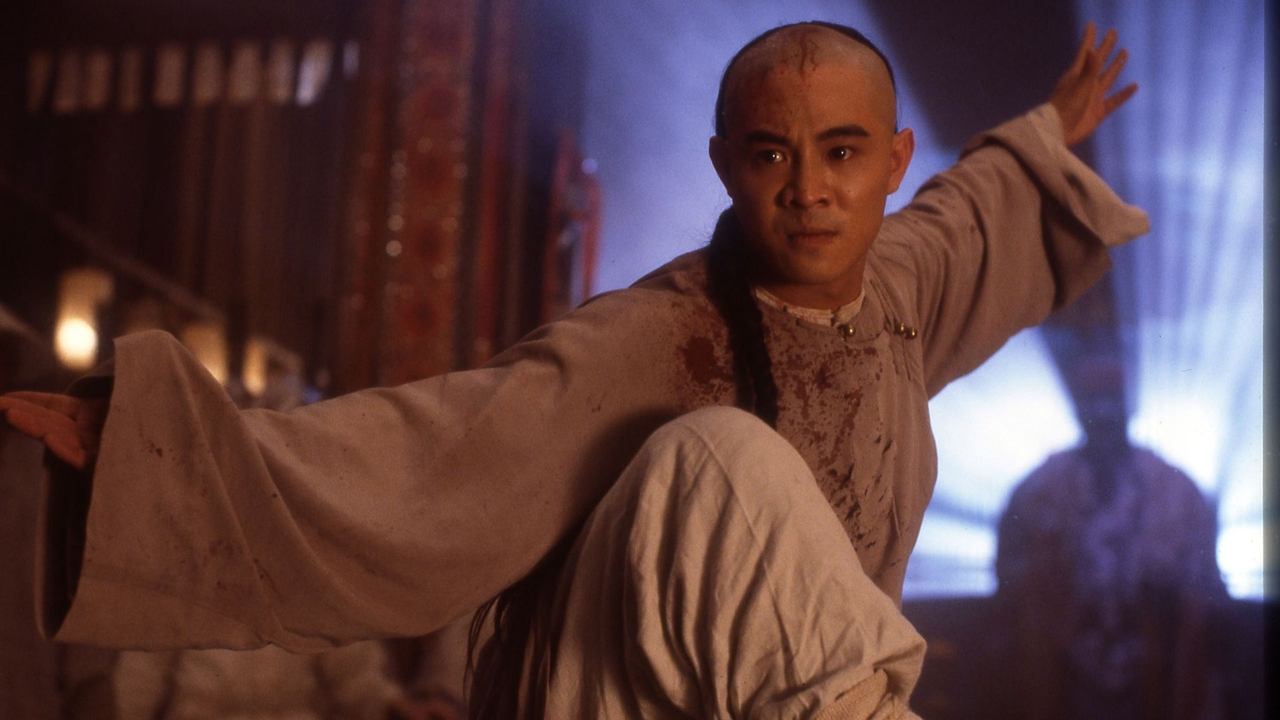
But OUATIC II offers more than just phenomenal action. Jet Li truly embodies Wong Fei-hung here – calm, righteous, burdened by the chaos around him, but capable of explosive action when pushed. Rosamund Kwan provides the heart as Aunt Yee, representing a bridge between tradition and modernity, and their subtle romance adds a welcome layer. The film also cleverly weaves in historical figures like Dr. Sun Yat-sen, adding weight to its exploration of China's turbulent path towards revolution. It's a surprisingly thoughtful film nestled within a martial arts spectacle, touching on themes of nationalism, cultural identity, and the dangers of xenophobia without ever feeling preachy.
And the music! Can we talk about that score? Wong Jim's adaptation of the traditional folk melody "On the General’s Orders" into the rousing theme "A Man Should Strengthen Himself" (男兒當自強) is pure auditory heroism. It’s impossible to hear those opening bars and not picture Wong Fei-hung standing defiant. This theme became the anthem for the character and the series, instantly recognisable and stirring. The film was a massive hit in Hong Kong upon release, further solidifying Jet Li's superstar status and proving that thoughtful historical drama and jaw-dropping martial arts could coexist beautifully.
Rating: 9.5/10
This isn't just a sequel; it's arguably the high point of the entire Once Upon a Time in China series and a benchmark for 90s Hong Kong action cinema. The story is compelling, the themes resonant, and the performances strong, but it’s the Tsui Hark/Yuen Woo-ping combination delivering some of the most electrifying, practically achieved martial arts sequences ever filmed that elevates it to legendary status. The wirework might occasionally show its seams by today’s standards, but the sheer artistry and physical commitment remain undeniable.
Final Thought: Once Upon a Time in China II is pure VCR gold – a dazzling display of skill and historical sweep that reminds you just how visceral and inventive practical action filmmaking could be before pixels took over the heavy lifting. Still kicks just as hard today.