What happens when the curtain is pulled back, not just on movie magic, but on the very fabric of reality itself? The Stunt Man (1980) doesn't just pose this question; it throws you headfirst into the dizzying, dangerous world where the line between performative death and actual demise becomes terrifyingly thin. It’s a film that, upon its initial, somewhat elusive release, felt like a whispered secret among cinephiles, a complex puzzle box masquerading as an action-thriller. Watching it again now, decades later, its audacious cleverness and unsettling ambiguity feel more potent than ever.
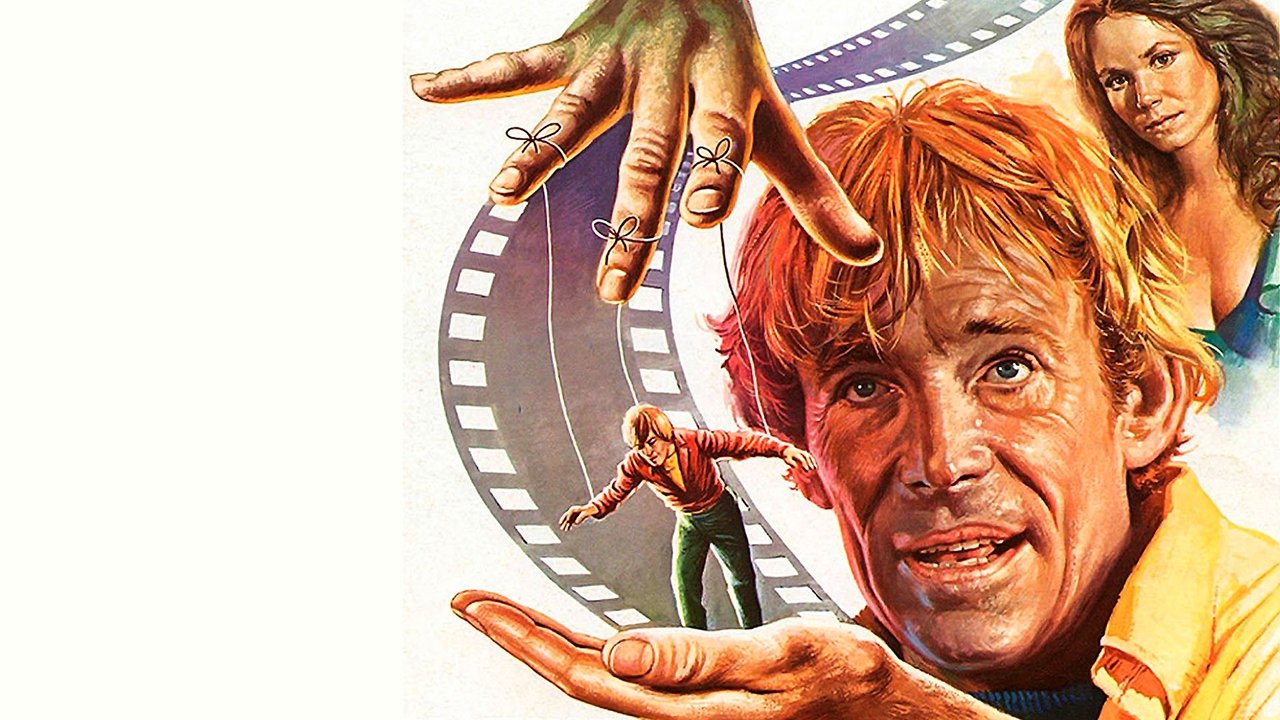
Welcome to the Dream Factory
We tumble into the story alongside Cameron (Steve Railsback), a Vietnam vet on the run after a volatile encounter with the police. Stumbling onto a bustling beachside film set – the magnificent Hotel del Coronado standing in as a key location, instantly recognizable to anyone who’s seen Some Like It Hot (1959) – he inadvertently causes the death of a stuntman during a spectacular car gag. Enter Eli Cross (Peter O'Toole), the film's director, a figure hovering somewhere between Svengali and God. With mesmerising charm and unsettling omniscience, Cross offers Cameron a Faustian bargain: hide within the production as the replacement stuntman, perform increasingly perilous feats for his WWI epic, and evade the encroaching law. But is Cross protecting Cameron, or merely playing with his newest, most desperate toy?
O'Toole's Devilish Ringmaster
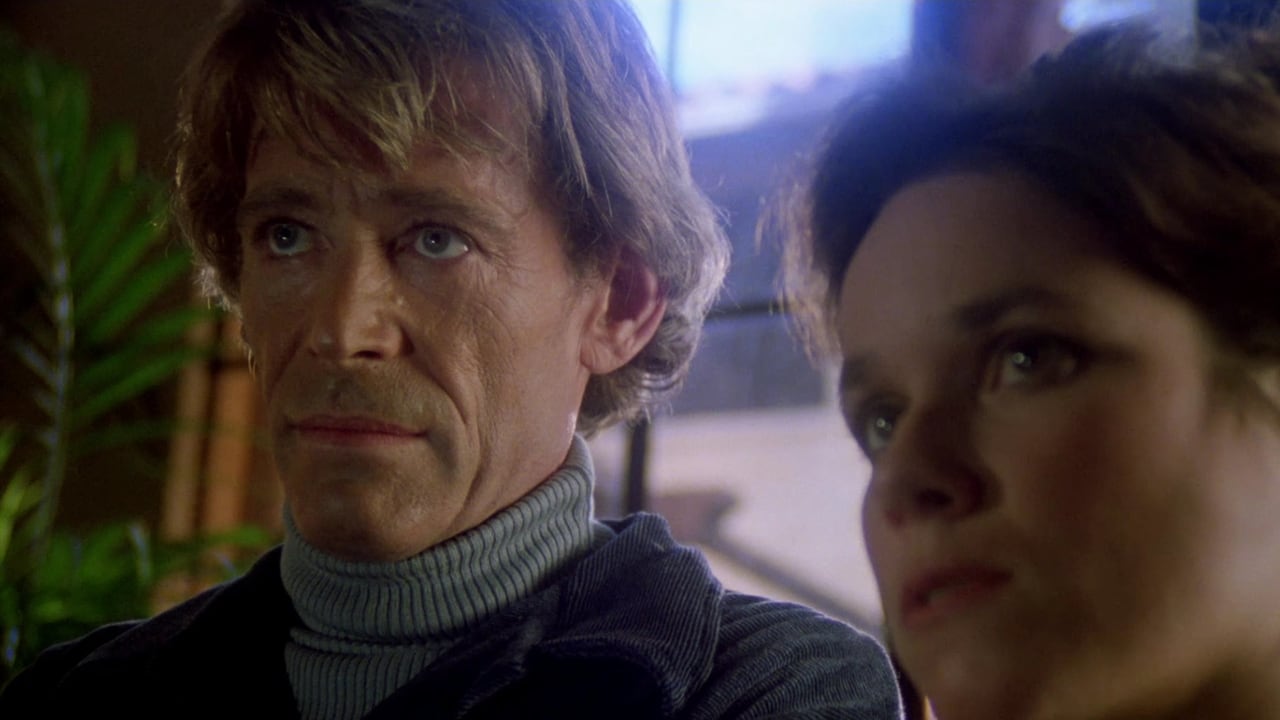
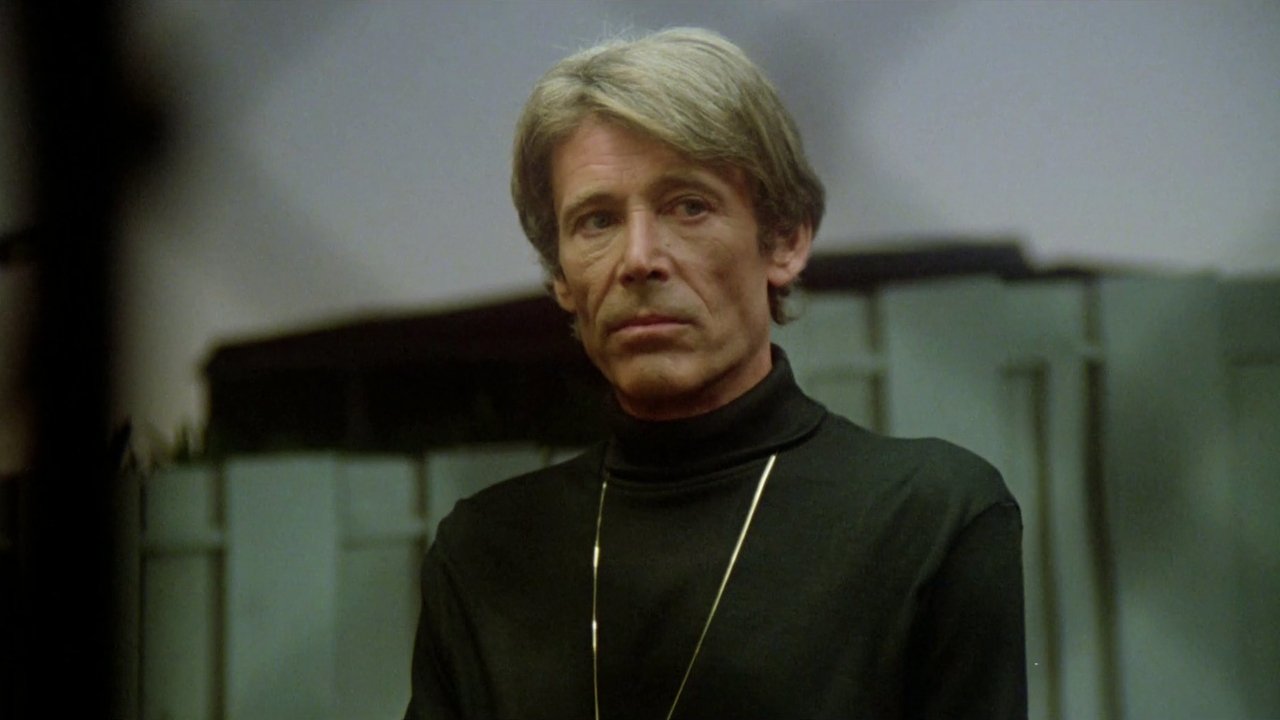
It’s impossible to discuss The Stunt Man without dwelling on Peter O'Toole's monumental performance. Having already given us legendary turns in films like Lawrence of Arabia (1962) and The Lion in Winter (1968), O'Toole embodies Eli Cross with a predatory grace. He's all languid gestures, piercing blue eyes, and pronouncements delivered like divine scripture from his director's crane, which he often uses like a chariot descending from the heavens. Cross is the ultimate director, shaping not just the film-within-the-film, but seemingly reality itself. O'Toole makes his manipulative games terrifyingly seductive; you understand why Cameron, and indeed the audience, might fall under his spell, even as the danger escalates. Is he a genius, a madman, or both? O'Toole keeps you guessing until the very end, earning him a well-deserved Oscar nomination. Reportedly, O'Toole even ad-libbed some of Cross's most memorable, god-complex lines, further blurring the line between actor and character in a way that feels perfectly suited to the film's themes.
Reality by Whose Design?
The genius of Richard Rush's direction, and the script he co-adapted from Paul Brodeur's novel, lies in its relentless commitment to Cameron's paranoid perspective. We experience the chaos of the film set through his eyes. Is that explosion real? Was that rooftop fall intentional? Are the police closing in, or is it just another elaborate scene being staged? Rush masterfully uses editing and framing to keep us perpetually off-balance. Stunts that look impossibly dangerous feel impossibly dangerous because, for Cameron, the stakes are lethally real. This meta-cinematic approach isn't just clever; it forms the film's thematic core, probing the nature of illusion, perception, and the way narratives – whether crafted by a film director or by life itself – shape our understanding of truth. It’s a constant shell game, and we’re right there with Cameron, trying desperately to spot the pea.

Caught in the Crosshairs
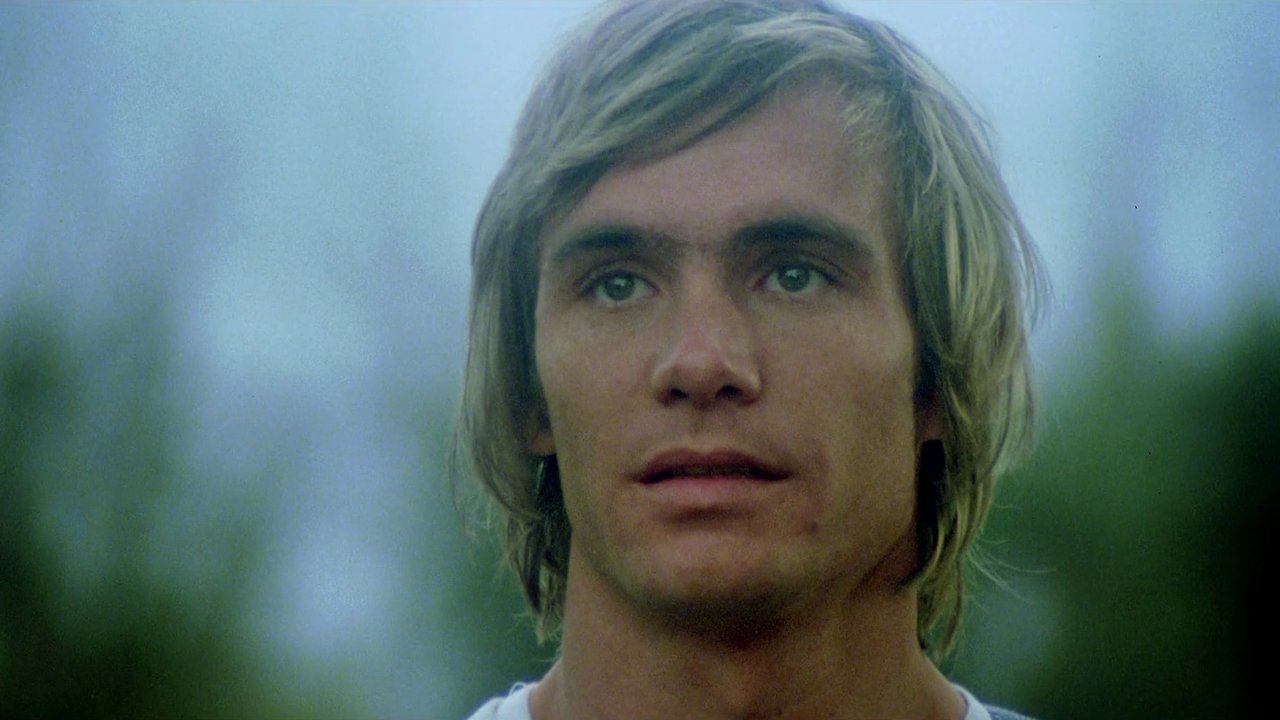
Steve Railsback, who chilled audiences with his intense portrayal of Charles Manson in the TV movie Helter Skelter (1976), is perfectly cast as the increasingly desperate Cameron. His raw, physical performance conveys the character's simmering panic and frayed vulnerability. We feel his fear, his confusion, his desperate need to trust someone in a world seemingly constructed entirely from artifice. Barbara Hershey, as the film's enigmatic leading lady Nina Franklin, adds another layer of compelling uncertainty. Is she genuinely drawn to Cameron, a mere pawn in Eli's intricate game, or is she playing her own angle entirely? Hershey navigates this ambiguity beautifully, providing a captivating presence amidst the manufactured chaos, yet never fully revealing her hand. It's a wonderfully nuanced performance that hints at the complex characters she would continue to explore in films like Beaches (1988) and Black Swan (2010).
The Nine-Year Obstacle Course: A Retro Fun Fact Deep Dive
The film's exploration of control and perseverance against impossible odds feels particularly poignant when considering its own tortured production history. This wasn't some studio pet project; director Richard Rush acquired the rights way back in 1971 but spent nearly nine years struggling to get it made. He faced rejection after rejection from studios wary of its complex, genre-bending nature – is it an action film? A thriller? A dark comedy? A philosophical piece? The answer, frustratingly for marketers but gloriously for us, is all of the above. Securing a relatively modest budget (around $3.5 million at the time – maybe $13 million today, peanuts for the scale presented), Rush finally brought his challenging vision to life, pouring years of passion into every frame.
But the hurdles didn't end there. After completion, the initial distributor, Columbia Pictures, reportedly got cold feet, unsure how to market such an unconventional film. They shelved the completed movie for almost two years! Can you imagine? Finally, it received only a limited, tentative release in 1980, finding its audience slowly through sheer critical acclaim (including those three Oscar nods) and fervent word-of-mouth buzz among cinephiles. It was a true sleeper hit, the kind you'd hear about from that friend who worked at the video store, whispering about this incredible, mind-bending movie you had to track down. This difficult journey somehow mirrors Cameron’s plight – an individual battling forces seemingly beyond his control within a system designed to chew him up. Knowing this backstory adds another layer to the viewing; it feels like a miracle the film even exists, let alone turned out so brilliantly.
A Film That Plays Tricks on You
The Stunt Man defiantly resists easy categorization. It shifts effortlessly between thrilling action sequences (the practical stunt work, featuring incredible falls and explosions orchestrated for the WWI movie-within-a-movie, carries a tangible sense of weight and danger largely missing from modern CGI spectacle), wickedly dark comedy (often stemming from Eli's outrageous pronouncements or the sheer absurdity of Cameron's situation), and genuine philosophical inquiry. Does the camera lie, or merely offer a specific, curated truth? Can manipulated experiences create genuine emotions? What lingers most after the credits roll is this lingering sense of unease, the feeling that perhaps we are all, in some way, actors or stunt performers in narratives we don't fully control. Doesn't that resonate, even outside the confines of a film set?
Rating: 9/10
This score feels entirely earned and might even be conservative for fans of intelligent, audacious filmmaking. The Stunt Man is a masterclass in multi-layered storytelling disguised as pure entertainment. Peter O'Toole delivers one of his most captivating and iconic performances, Richard Rush directs with astonishing flair and control despite incredible production hurdles, and the script remains a benchmark for meta-cinema that actually has something profound and unsettling to say about illusion and reality. Its ability to thrill, amuse, and provoke deep thought in equal measure is remarkable. The journey from script to screen was fraught, its initial reception muted, but its legacy as a uniquely challenging, darkly funny, and endlessly rewarding 80s cult classic is absolutely undeniable.
It leaves you pondering the very nature of the movies we consume – are they merely escapism, or do they, like Eli Cross weaving his cinematic spells, subtly shape the way we see the world long after the projector stops whirring? A question worth asking every time we dim the lights.