Some secrets refuse to stay buried. They fester beneath the soil, whispering through generations, until someone foolishly digs too deep. In the shadowed corners of Providence, Rhode Island – or rather, a convincingly gloomy Vancouver standing in – such secrets claw their way back to the surface in Dan O'Bannon's chilling 1991 descent into Lovecraftian horror, The Resurrected. Forget the jump scares; this one aims for the soul, leaving a stain of cosmic dread that lingers like graveyard damp.
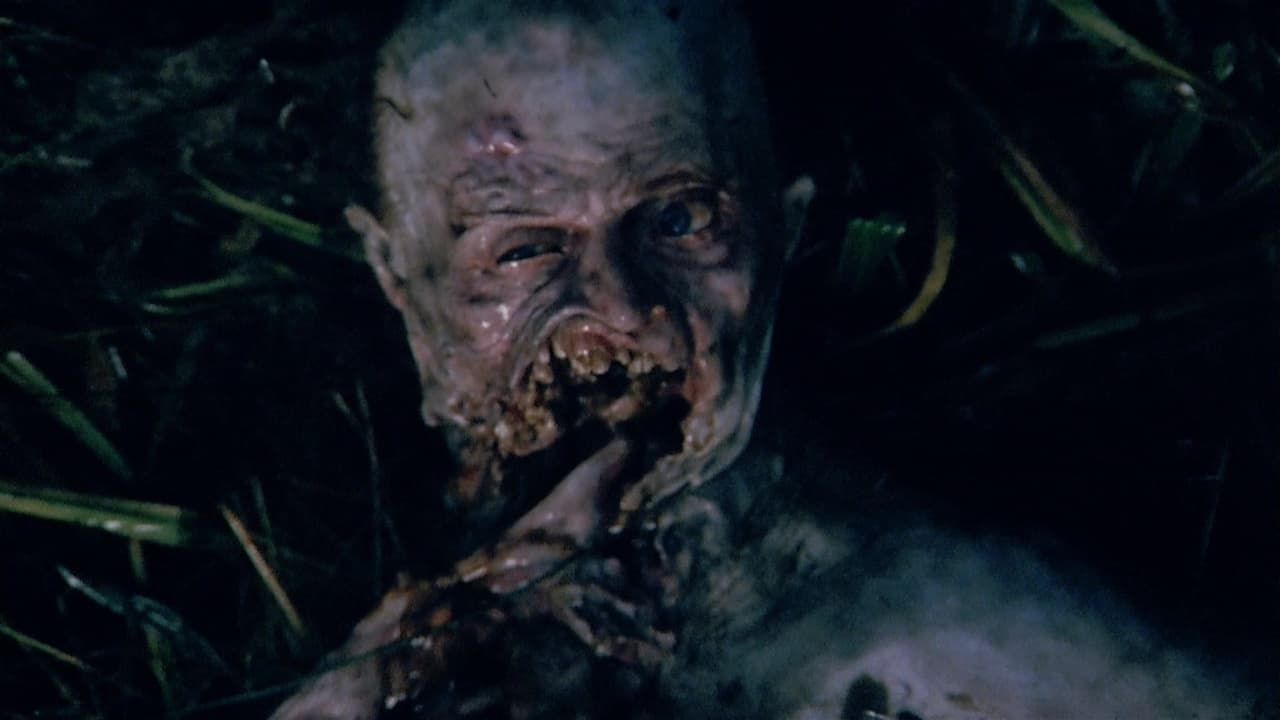
Based on H.P. Lovecraft’s novella "The Case of Charles Dexter Ward," the film wraps its eldritch tendrils around a noir-ish frame. We follow private investigator John March (John Terry), hired by the increasingly distraught Claire Ward (Jane Sibbett) to uncover what her brilliant chemist husband, Charles Dexter Ward (Chris Sarandon), is really doing. Holed up in his ancestral farmhouse, surrounded by strange deliveries and noxious fumes, Charles is clearly dabbling in something far beyond synthetic perfumes. Claire fears madness, perhaps infidelity, but the truth, as March discovers, is infinitely more disturbing, tied to Ward’s notorious 18th-century ancestor, the alchemist Joseph Curwen.
Unearthing Ancestral Sins
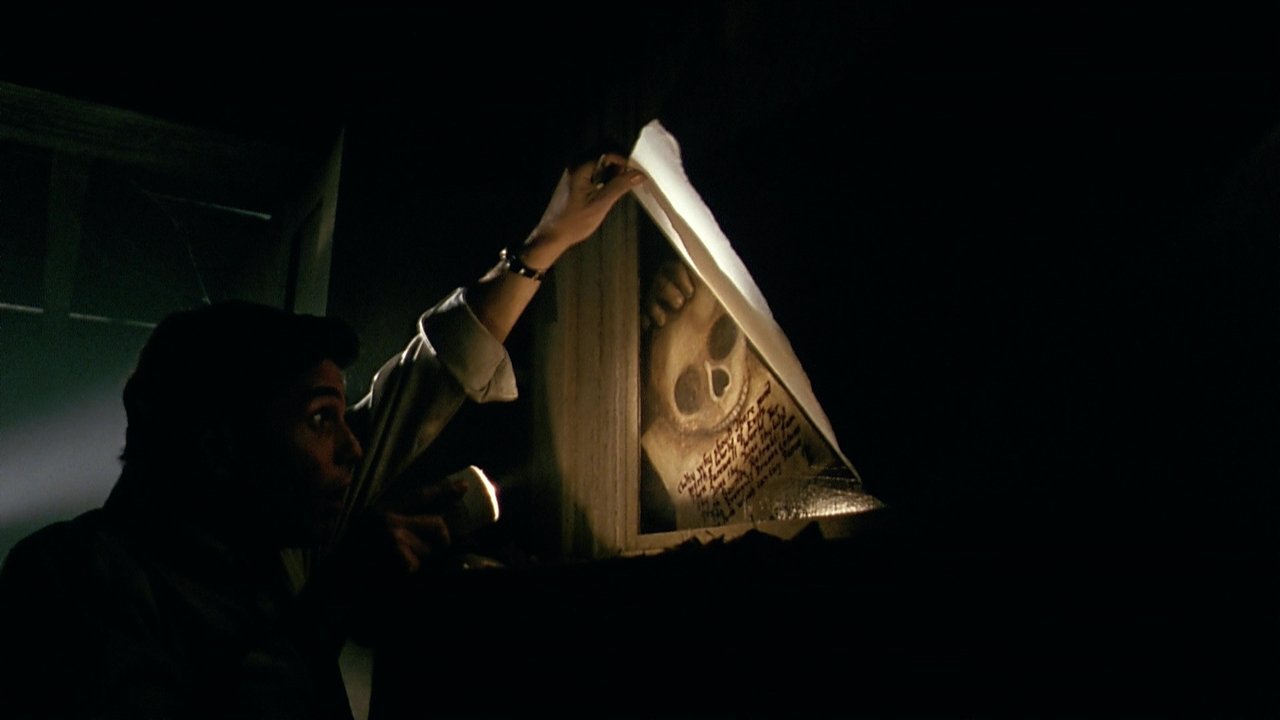
O'Bannon, the mind behind the chest-bursting terror of Alien (1979) and the punk-rock zombie mayhem of Return of the Living Dead (1985), dials back the overt gore (mostly) and leans hard into atmosphere. The early scenes simmer with paranoia and suspicion. March’s investigation unfolds methodically, each clue – cryptic diaries, archaic formulae, hushed whispers of grave robbing – adding another layer to the oppressive sense of wrongness. O'Bannon uses shadow and suggestion effectively, letting our imagination conjure horrors long before they physically manifest. The production design expertly crafts Ward's laboratory as a place where science curdles into blasphemy, littered with arcane symbols and unsettling chemical apparatus. It feels tangible, a space where forbidden knowledge is being actively pursued.
The film really finds its stride when the investigation leads March and Claire beneath the farmhouse, into the labyrinthine catacombs Curwen once used. It’s here that O'Bannon, reportedly quite proud of this film despite studio meddling and its unfortunate direct-to-video fate in the US, unleashes the film’s most potent nightmares. This journey into the earth feels like a literal descent into hell, mirroring the psychological plunge into Ward's corrupted psyche.
Monsters in the Maze
And what waits in the dark? This is where The Resurrected truly earns its place on the shelf of memorable 90s horror. The practical creature effects by Todd Masters and his team are stomach-churningly effective, embodying Lovecraft's concepts of biological horror and failed, unnatural life. They aren't just monsters; they're grotesque mistakes, half-formed things writhing in the gloom. Remember seeing these abominations flicker across a CRT screen for the first time? The visceral, slimy reality of those puppets and prosthetics felt disturbingly real in a way CGI often struggles to replicate. There's a weight, a disturbing physicality to them that crawls right under your skin. O'Bannon doesn't shy away from showing them, letting the camera linger just long enough to sear the images into your brain. It's a masterclass in leveraging practical effects for maximum unease, a hallmark of the era we cherish.
Sarandon's Sinister Transformation
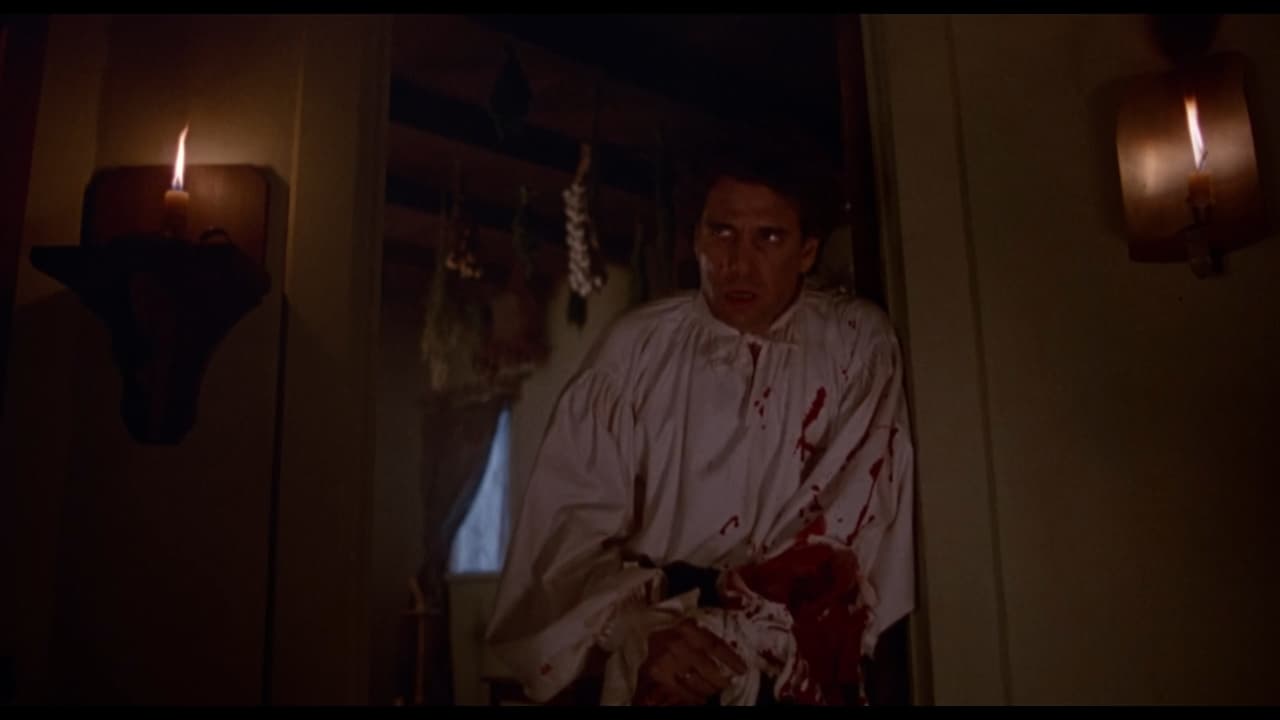
While John Terry provides a solid, world-weary anchor as the PI, the film belongs to Chris Sarandon. Fresh off menacing Chucky in Child's Play (1988) and charming audiences as Prince Humperdinck in The Princess Bride (1987), Sarandon delivers a tour-de-force performance. He masterfully portrays Charles Dexter Ward's disintegration, shifting from a potentially troubled intellectual to something ancient, cold, and utterly terrifying. His subtle changes in demeanor, the chilling glint in his eyes – it's a performance that understands the core of Lovecraftian horror isn't just about monsters, but about the loss of humanity and the seductive power of forbidden knowledge. It's a genuinely unsettling portrayal that elevates the entire film. Jane Sibbett, perhaps best known from TV's Friends, brings a necessary emotional core as the desperate wife trying to save the man she loves from forces she cannot comprehend.
Adapting Lovecraft is notoriously tricky; his brand of existential, indescribable horror often resists visualization. Writer Brent V. Friedman does an admirable job translating the complex narrative of "The Case of Charles Dexter Ward" into a cohesive screenplay, retaining the core themes of inherited evil and the terrifying implications of meddling with life and death, even if some plot points feel condensed. It captures the feel of Lovecraft – the dusty libraries, the genealogical obsessions, the encroaching cosmic dread – better than many adaptations.
A Gem Unearthed on VHS
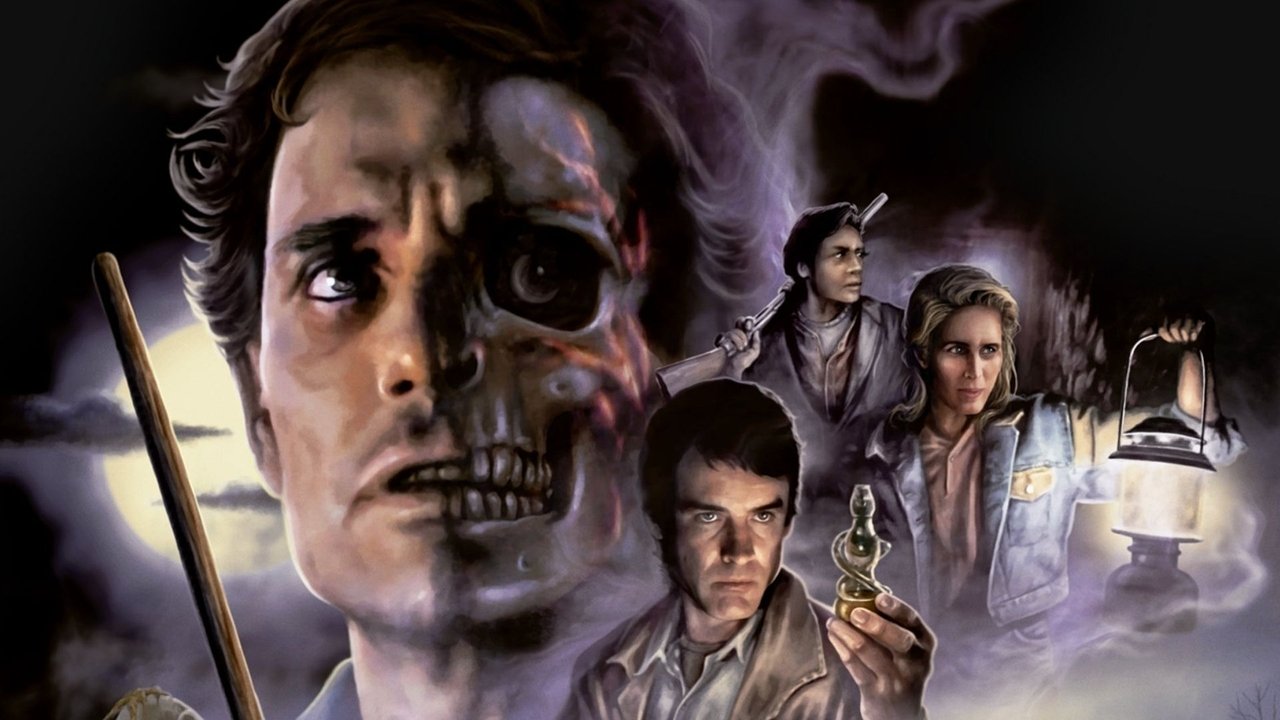
For many of us, The Resurrected wasn't something seen on the big screen. It was a discovery made scanning the horror shelves at the local video store, perhaps drawn in by the lurid cover art or O'Bannon's name. Its direct-to-video status in the States meant it bypassed mainstream attention, becoming a cult classic passed around among genre fans – a secret whispered, much like the dark secrets within the film itself. Finding a tape like this felt like uncovering buried treasure, a genuinely creepy and well-crafted horror film that delivered something more profound than the usual slasher fare. It’s a testament to a time when hidden gems lurked on those miles of magnetic tape.
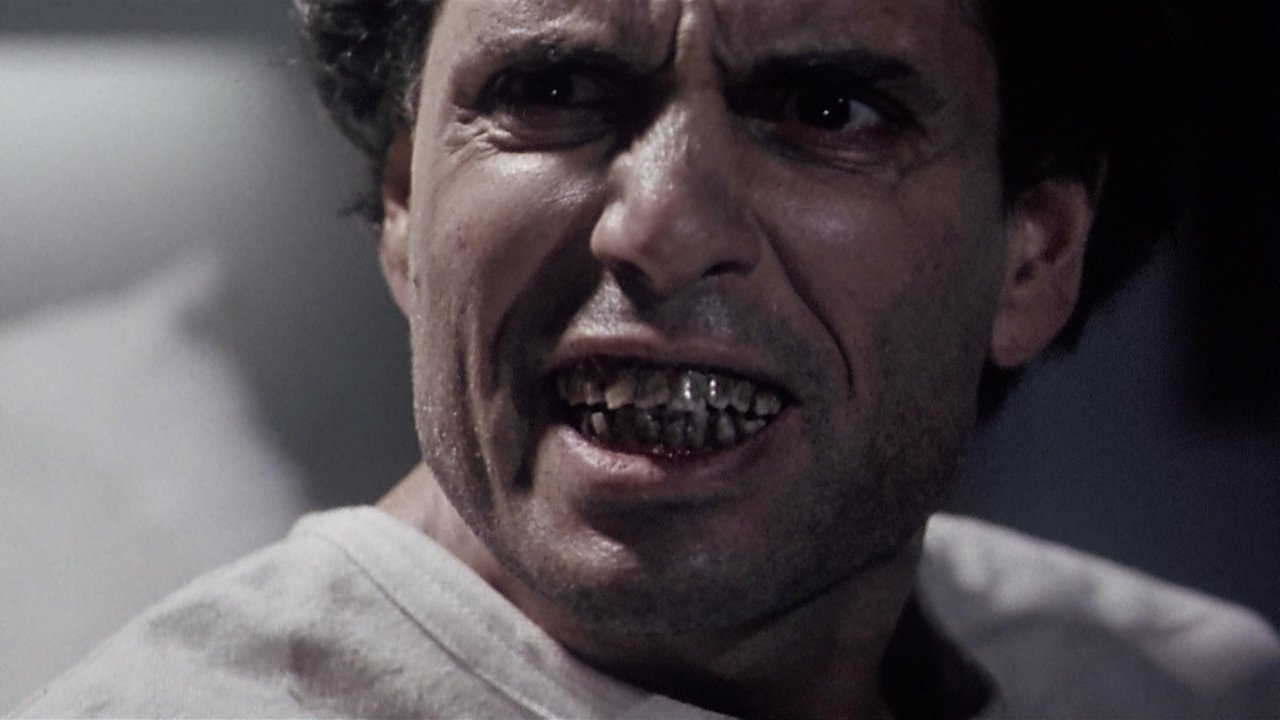
Does it hold up? Absolutely. While the pacing occasionally lags in the middle investigative section, the suffocating atmosphere, Sarandon's chilling performance, and those unforgettable practical effects remain potent. It’s a serious, mature horror film that respects its source material and delivers genuine chills.
Rating: 8/10
The Resurrected earns its high marks for its masterful atmosphere, Chris Sarandon's exceptional performance, its disturbing and effective practical creature effects, and its largely successful translation of Lovecraft's chilling themes. It might have been relegated to the video shelves, but it stands as one of Dan O'Bannon's strongest directorial efforts and a truly underrated piece of early 90s horror. It’s a film that proves sometimes, the best discoveries are the ones you have to dig up yourself.