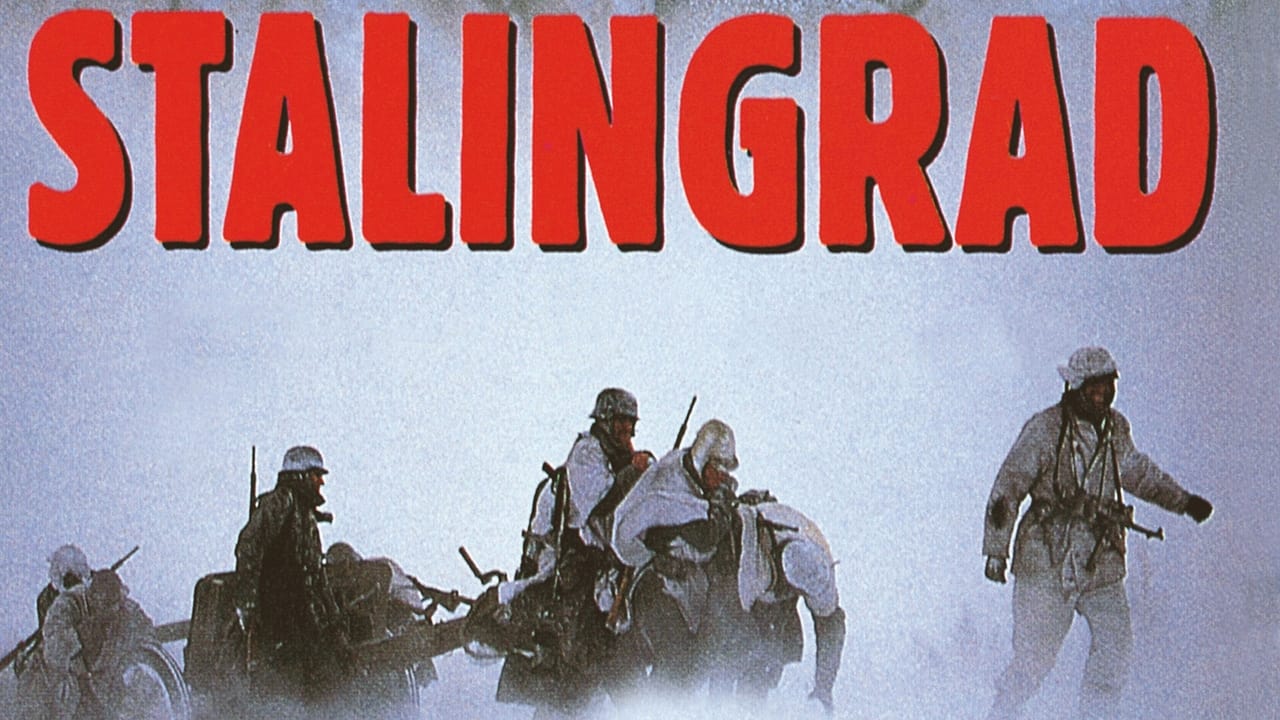
There are some films that don't just depict history; they force you to feel its brutal weight, pressing down long after the screen fades to black. Joseph Vilsmaier's 1993 epic Stalingrad is one such film. I remember finding this one on the shelves, likely nestled somewhere between more conventional action fare, its stark cover art hinting at something far removed from Hollywood heroism. Renting it, taking home that chunky VHS cassette, I wasn't entirely prepared for the experience – a chilling, unflinching descent into the frozen hell of the Eastern Front, told entirely from the perspective of the German soldiers trapped within it.
### Not Just Another War Story
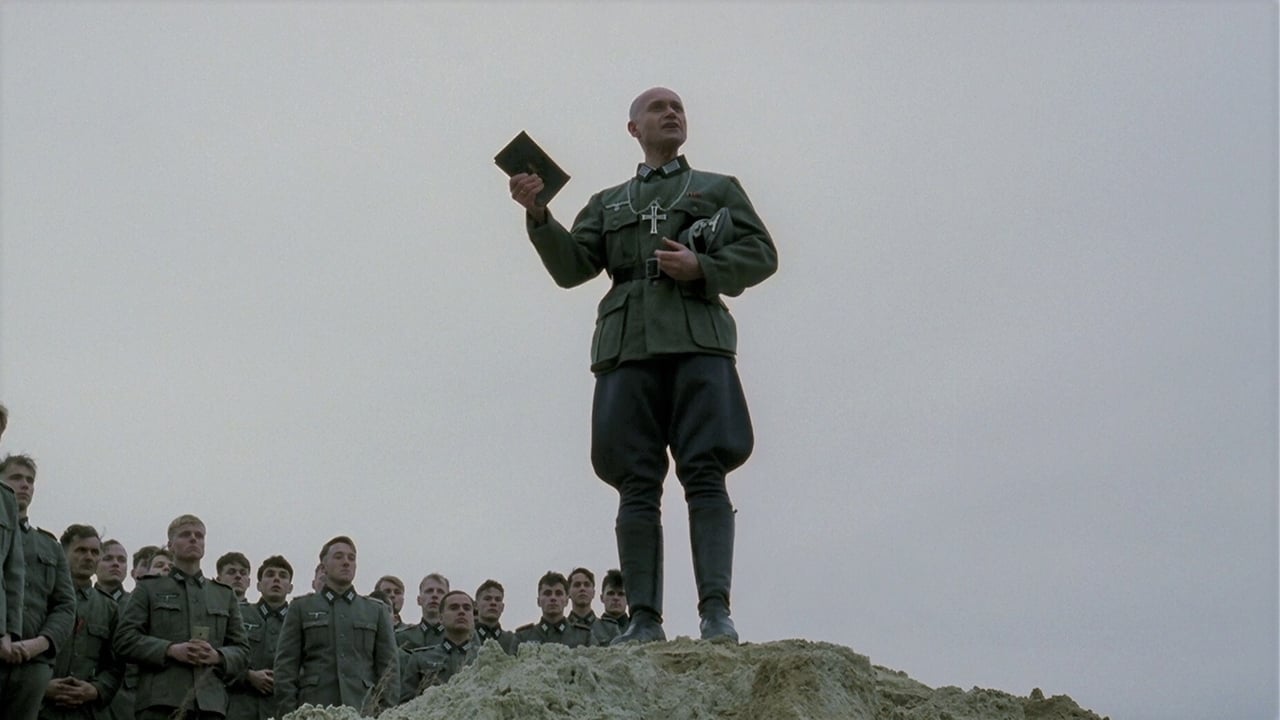
Right from the outset, Stalingrad signals its intent. We meet a platoon of seasoned German soldiers, initially enjoying leave in Italy after the North African campaign. They are confident, perhaps even arrogant, veterans – figures like the pragmatic Unteroffizier Manfred Rohleder, nicknamed 'Rollo' (Jochen Nickel), the thoughtful Leutnant Hans von Witzland (Thomas Kretschmann), and the nervous young Fritz Reiser (Dominique Horwitz). Their transfer to the Eastern Front, to the cauldron of Stalingrad, marks the beginning of an inexorable slide into oblivion. What sets this film apart, especially viewing it in the 90s amidst different war narratives, is its steadfast refusal to glorify or sanitize. This isn't about valiant charges or strategic genius; it's about mud, lice, starvation, frostbite, and the systematic erosion of humanity.
### The Chill of Authenticity
Joseph Vilsmaier, who also co-wrote and produced, crafts an atmosphere that is almost unbearably palpable. You feel the biting Russian winter seep into your bones through the screen. The production reportedly faced significant challenges finding suitable locations, eventually filming crucial winter sequences in Finland and the Czech Republic, with some interiors shot in Italy, because filming in modern-day Volgograd presented too many difficulties. This logistical hurdle perhaps inadvertently enhanced the film's sense of dislocation and harshness. With a hefty budget for a German production at the time (around DM 20 million, roughly $12-13 million USD then), Vilsmaier poured resources into creating a terrifyingly realistic depiction of the battle's conditions.
One of the most talked-about aspects, even back then, was the film's commitment to realism in depicting the gruesome toll on the human body. The stories about using real amputees as extras to portray wounded soldiers weren't just rumors; it was a deliberate, harrowing choice to underscore the sheer physicality of the suffering. It’s a detail that speaks volumes about the production's dedication to not looking away, forcing the audience to confront the visceral realities often glossed over. Does this level of graphic detail sometimes feel overwhelming? Absolutely. But it feels earned, serving the film's central, anti-war thesis.
### Faces Staring into the Abyss
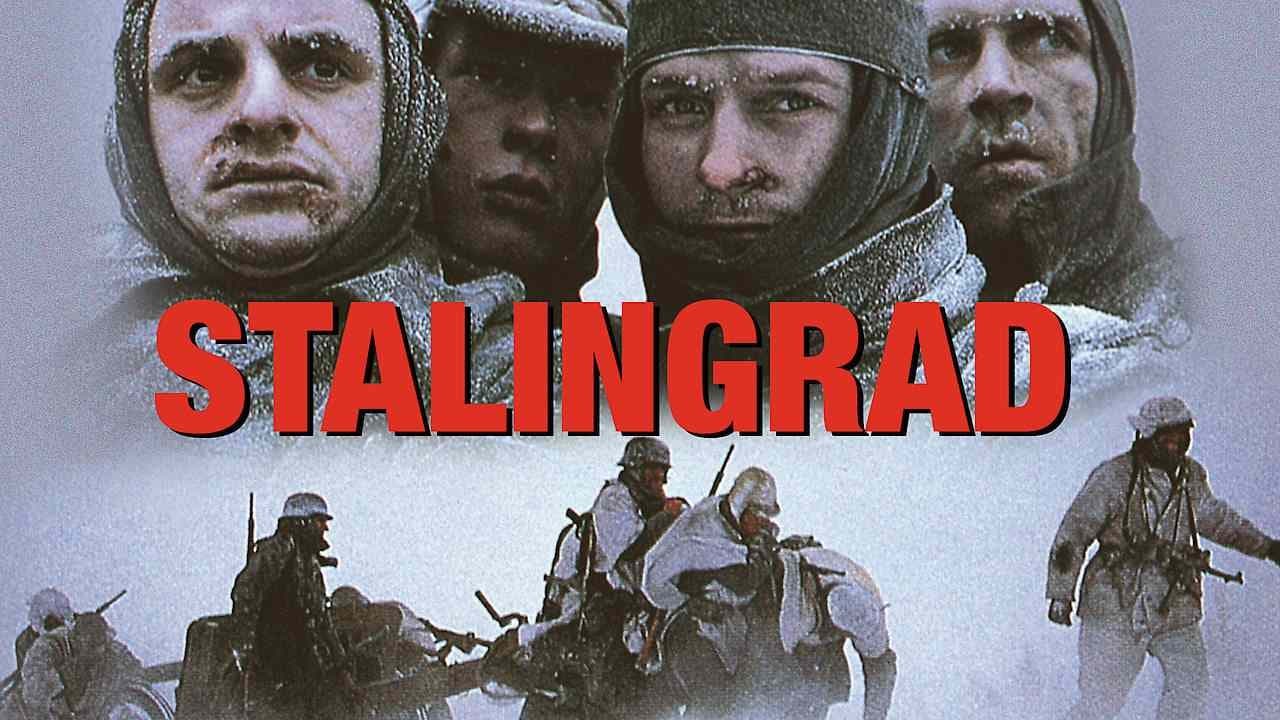
Amidst the sprawling chaos, the film anchors itself in the fates of its central characters. The performances are uniformly powerful, conveying a spectrum of fear, disillusionment, and fading hope. Thomas Kretschmann, in a role that arguably put him on the international map long before later appearances in films like The Pianist (2002) or Downfall (2004), is outstanding as the aristocratic Leutnant von Witzland, whose initial sense of duty slowly crumbles into weary despair. There are stories that Kretschmann even suffered temporary frostbite during the demanding shoot, a grim reflection of the very conditions the film portrays. Dominique Horwitz as Fritz captures the gradual hardening and eventual breaking of a young soldier, while Jochen Nickel's 'Rollo' embodies a rugged pragmatism that becomes its own form of survival instinct. We watch these men stripped of their ideals, their loyalties reduced to the desperate bonds of comradeship in the face of annihilation. Their journey is not one of heroism, but of endurance, and ultimately, disintegration.
### The Futility Echoes
Stalingrad doesn't offer easy answers or comforting resolutions. It portrays the German military machine not just as aggressors, but also, on the individual level, as victims of its own relentless, uncaring logic. Scenes depicting the callousness of superior officers, the absurdity of military orders in the face of mass death, and the soldiers' own descent into looting and brutality paint a devastating picture of systemic collapse. It raises profound questions about obedience, survival, and what remains of a person when everything else is taken away. Isn't the true horror the realization that such extremities strip away the veneer of civilization entirely?
The film stands as a significant piece of German cinema, a nation confronting one of the darkest chapters of its history with unflinching honesty. It avoids the trap of portraying its subjects as misunderstood heroes, instead presenting them as complex individuals caught in an inhuman situation, capable of both compassion and cruelty. Its influence might be less overt than some Hollywood blockbusters, but its raw, ground-level perspective offered a vital counterpoint to more romanticized war narratives prevalent at the time. Seeing Thomas Kretschmann later portray German officers in other WWII settings, including, fascinatingly, a different Russian film also titled Stalingrad (2013), serves as a reminder of the enduring cultural resonance of this historical trauma and the power of his performance here.
***
Rating: 9/10
Justification: Stalingrad earns this high rating for its brutal honesty, technical proficiency in capturing the hellish atmosphere of the Eastern Front, and the deeply affecting performances from its core cast. Its unwavering German perspective provides a vital, often overlooked viewpoint in war cinema. While its graphic realism and bleakness make it a difficult watch, its power as an anti-war statement is undeniable and achieved with exceptional craft. It avoids sensationalism, focusing instead on the devastating human cost with a rare and impactful sincerity.
Final Thought: This isn't a tape you'd pop in for casual viewing, but Stalingrad is a film that stays with you – a stark, chilling reminder from the VHS era of cinema's power to confront history's horrors head-on, leaving you contemplating the thin ice upon which humanity perpetually skates.