It begins with a whisper of profound finality: "September 21, 1945... that was the night I died." These aren't words you easily forget, especially when encountered perhaps unexpectedly on a rented VHS tape, nestled potentially amongst more brightly colored animated adventures. Grave of the Fireflies (1988), directed by the late, great Isao Takahata (co-founder of Studio Ghibli alongside Hayao Miyazaki), wasn't just another cartoon. It was, and remains, a harrowing, soul-stirring cinematic experience that lodges itself deep within your heart long after the credits roll and the VCR sputters to a stop.
### A Different Kind of Ghibli Glow
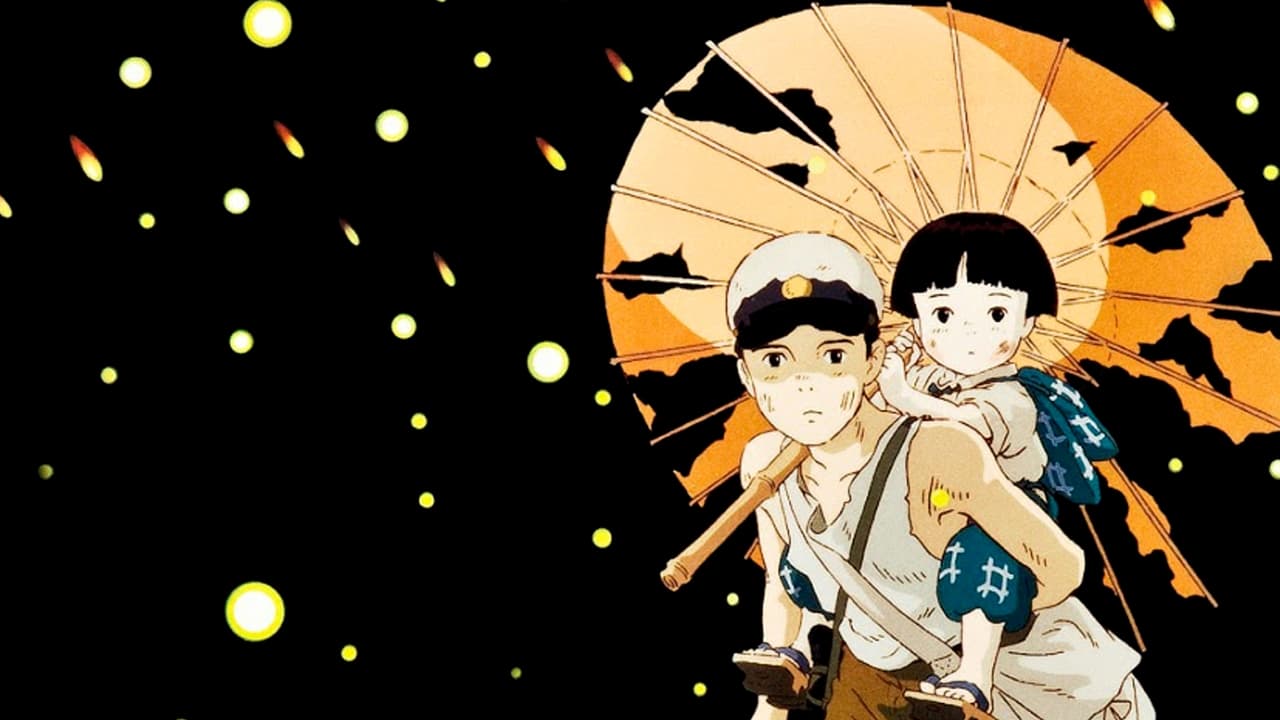
Many of us discovered Studio Ghibli through the enchanting forests of My Neighbor Totoro or the soaring adventures of Castle in the Sky. Finding Grave of the Fireflies often felt like stumbling into a different room of the same house, one filled not with wonder, but with the stark, unblinking reality of loss. Released in Japan in an almost unthinkable double bill with Totoro, the contrast couldn't be more staggering. Where one offered solace and the gentle magic of childhood, the other plunged viewers into the devastating final months of World War II in Kobe, Japan, through the eyes of two orphaned siblings, Seita and his younger sister Setsuko.
Based on the semi-autobiographical 1967 short story by Akiyuki Nosaka – written as an apology to his own sister – the film carries an authenticity born from painful experience. Director Isao Takahata himself lived through Allied air raids as a child, including the devastating bombing of Okayama in 1945. This personal connection infuses the film with a palpable sense of place and time, rendering the firebombing sequences not as spectacle, but as terrifying, chaotic glimpses of hell on earth. The animation, meticulous and often hauntingly beautiful, never shies away from the grim realities – the ravaged landscapes, the pervasive hunger, the human cost of conflict painted with unflinching honesty.
### The Weight of Innocence Lost
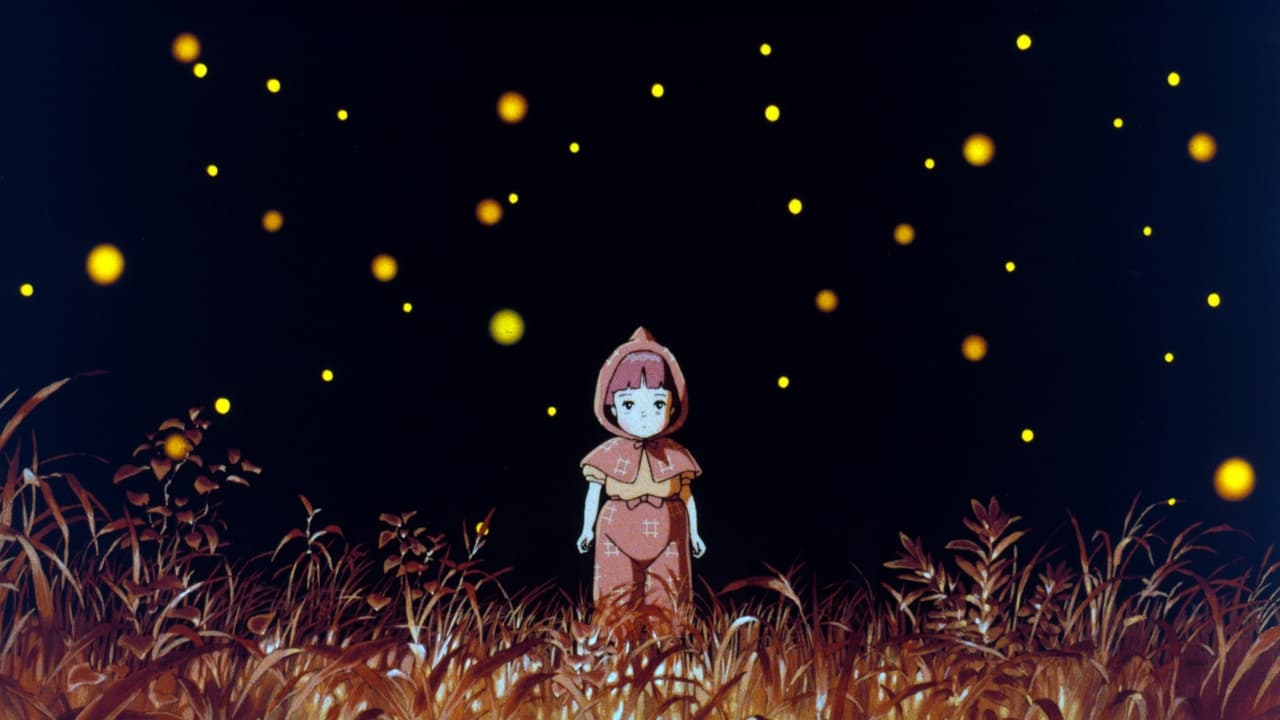
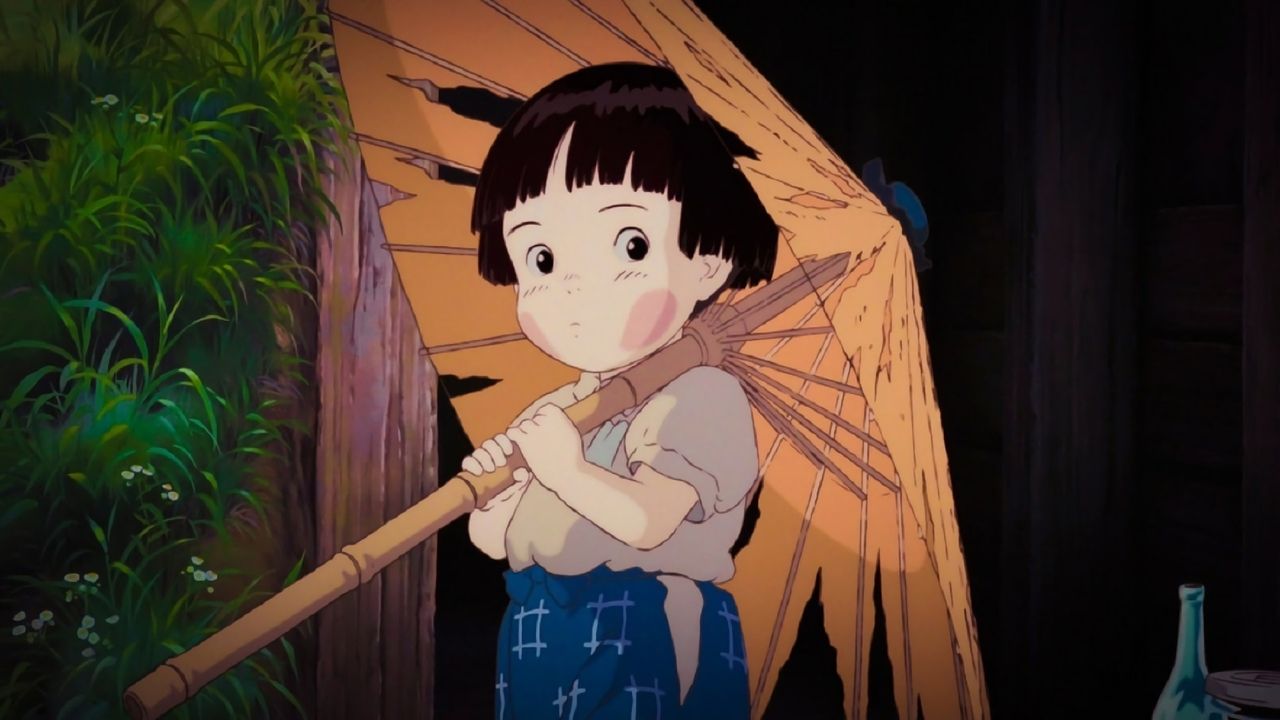
At the heart of the film are Seita (Tsutomu Tatsumi) and Setsuko (Ayano Shiraishi). Their journey, from the initial shock of losing their mother in an air raid to their desperate attempts to survive alone, is depicted with excruciating detail. Takahata masterfully captures the nuances of their relationship – Seita's fierce protectiveness masking his own fear and youthful pride, and Setsuko's heartbreaking innocence gradually dimming under the weight of starvation and despair. The voice acting is simply unforgettable; Tatsumi conveys Seita’s forced maturity and underlying vulnerability, while Shiraishi (who was only five years old at the time of recording) embodies Setsuko’s dwindling light with devastating purity. Her simple questions and fading laughter echo long after the film ends.
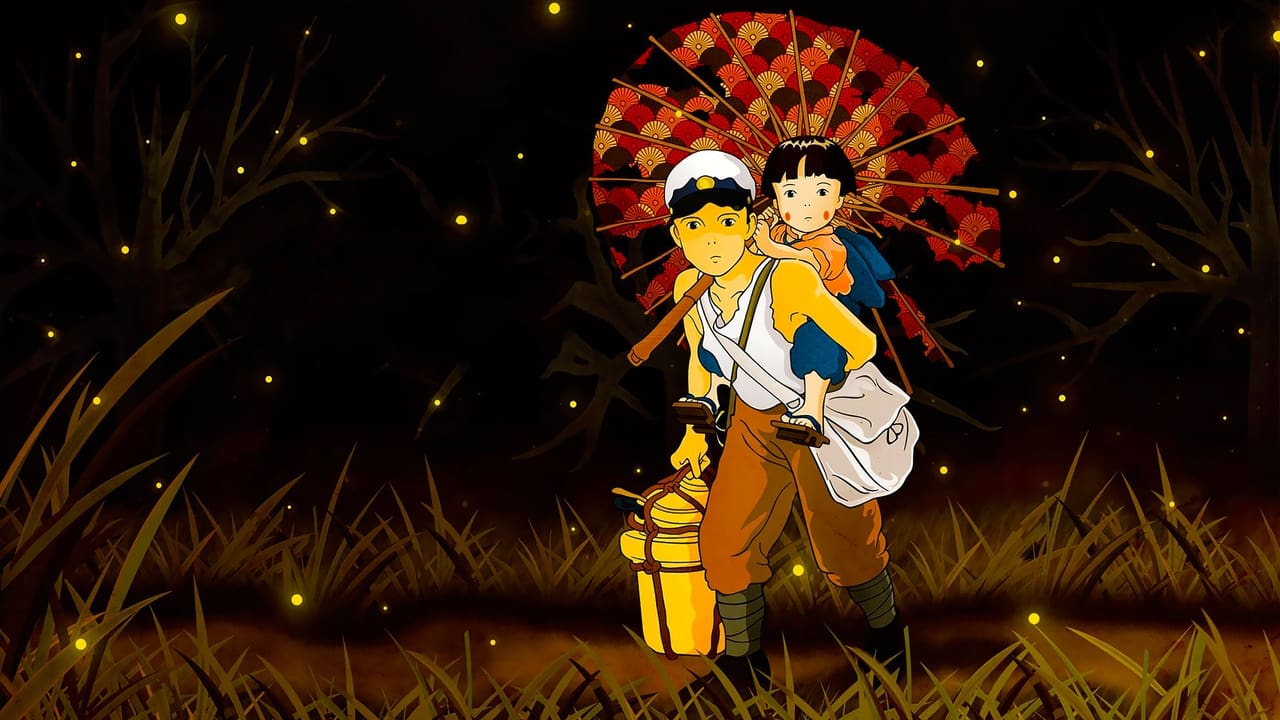
There are moments of fragile beauty, often symbolized by the titular fireflies – ephemeral lights flickering briefly in the overwhelming darkness. Seita tries to create pockets of normalcy and even joy for Setsuko, catching fireflies to illuminate their makeshift bomb shelter home or sharing precious Sakuma Drops fruit candies from their now-iconic red tin. But these moments are fleeting, underscored by the relentless progression towards tragedy. The film doesn't offer easy answers or comforting resolutions. It portrays the slow, agonizing grind of deprivation and the chilling indifference of a society struggling for its own survival. Was Seita's pride his downfall? Could things have turned out differently? The film forces us to confront these uncomfortable questions about responsibility, resilience, and the crushing weight of circumstance.

### More Than Just an Anti-War Film
While undeniably a powerful statement against war, Takahata often resisted labeling Grave of the Fireflies solely as an anti-war film. He felt it was more fundamentally about the failure of human connection in times of crisis, the breakdown of social support, and the specific tragedy of Seita and Setsuko's isolation. It’s a subtle but important distinction. The war is the catalyst, the horrifying backdrop, but the core tragedy unfolds in the human interactions – or lack thereof – that seal the children's fate. Seeing their aunt's initial kindness curdle into resentment, or witnessing the casual dismissal they face from others focused on their own needs, is almost as painful as the depictions of bombing raids.
Retro Fun Fact: The fireflies themselves presented a unique animation challenge. Traditionally, animation cels were painted on the back. To achieve the distinct, fading glow of the fireflies, the animators developed a technique of painting both the front and back of the cels, allowing for a more layered and transient effect, mirroring the fleeting nature of hope and life in the film.
Watching this film back in the VHS era, perhaps without the context we have now, was often a profoundly jarring experience. It challenged preconceptions about animation being solely for children. It delivered an emotional payload few live-action films could match, rendered with artistic brilliance but utterly devoid of sentimentality. It wasn't entertainment in the conventional sense; it was testimony.
Rating: 10/10
There's no hesitation here. Grave of the Fireflies is a masterpiece of animation and a devastatingly effective piece of filmmaking. Its power lies not in grand pronouncements but in its quiet, intimate focus on two small lives extinguished by the indifference of war and circumstance. The rating reflects its artistic perfection, its emotional depth, and its unflinching portrayal of a difficult truth. It's a film that demands to be seen, even if only once, for its sheer, heartbreaking power.
It leaves you shattered, perhaps, but also with a profound sense of empathy and a lingering question: how do we hold onto our humanity when the world seems determined to strip it away?