There are some films that don't just entertain; they burrow under your skin and stay there, demanding attention long after the VCR whirred to a stop and the tape was ejected. Brian De Palma's 1989 harrowing drama, Casualties of War, is emphatically one of those films. It doesn’t offer easy answers or comfortable viewing. Instead, it plunges the viewer headfirst into a moral quagmire set against the sweltering, indifferent backdrop of the Vietnam War, forcing a confrontation with the darkest aspects of human behavior under extreme duress. Based on a real, horrific incident first documented by Daniel Lang in The New Yorker, this isn't a film you casually pop in; it's one you brace yourself for.
Into the Abyss
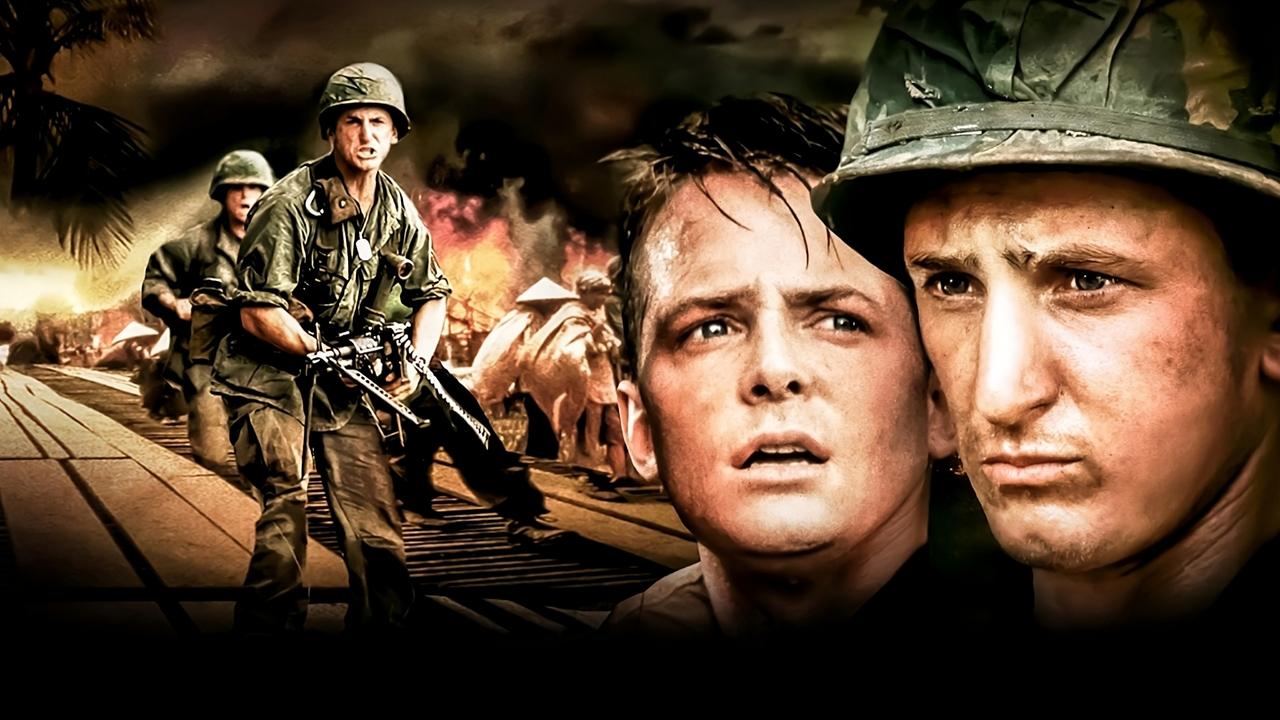
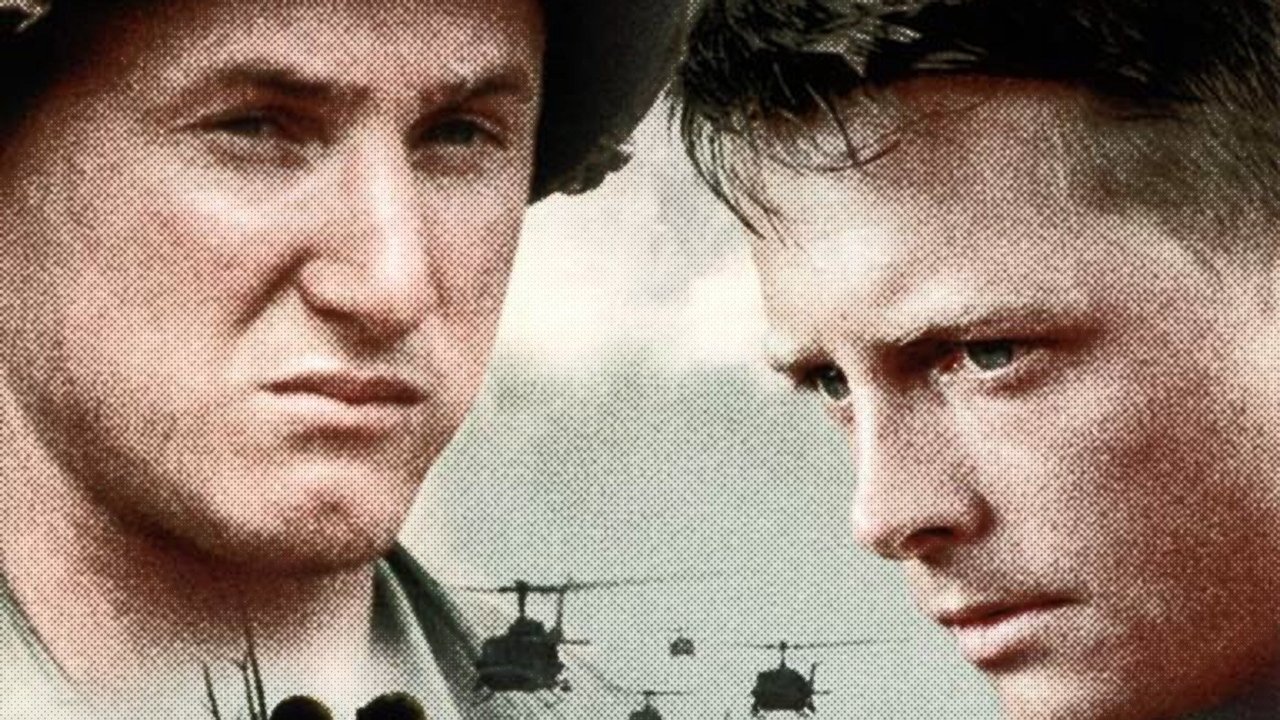
The setup is deceptively simple: Private Max Eriksson (Michael J. Fox), fresh-faced and perhaps naive, joins a reconnaissance squad deep in the Vietnamese jungle. His squad leader, Sergeant Tony Meserve (Sean Penn), initially seems charismatic, battle-hardened, a man his soldiers look up to. But the veneer cracks quickly. After a brutal firefight and the loss of a comrade, Meserve hatches a plan fueled by rage, boredom, and a chilling sense of entitlement: kidnap a local village girl for "recreation." Eriksson, horrified, finds himself the lone voice of dissent in a unit succumbing to barbarity. The film charts his agonizing struggle – not just against the enemy, but against his own side, his own brothers-in-arms, as he witnesses and resists an unspeakable crime.
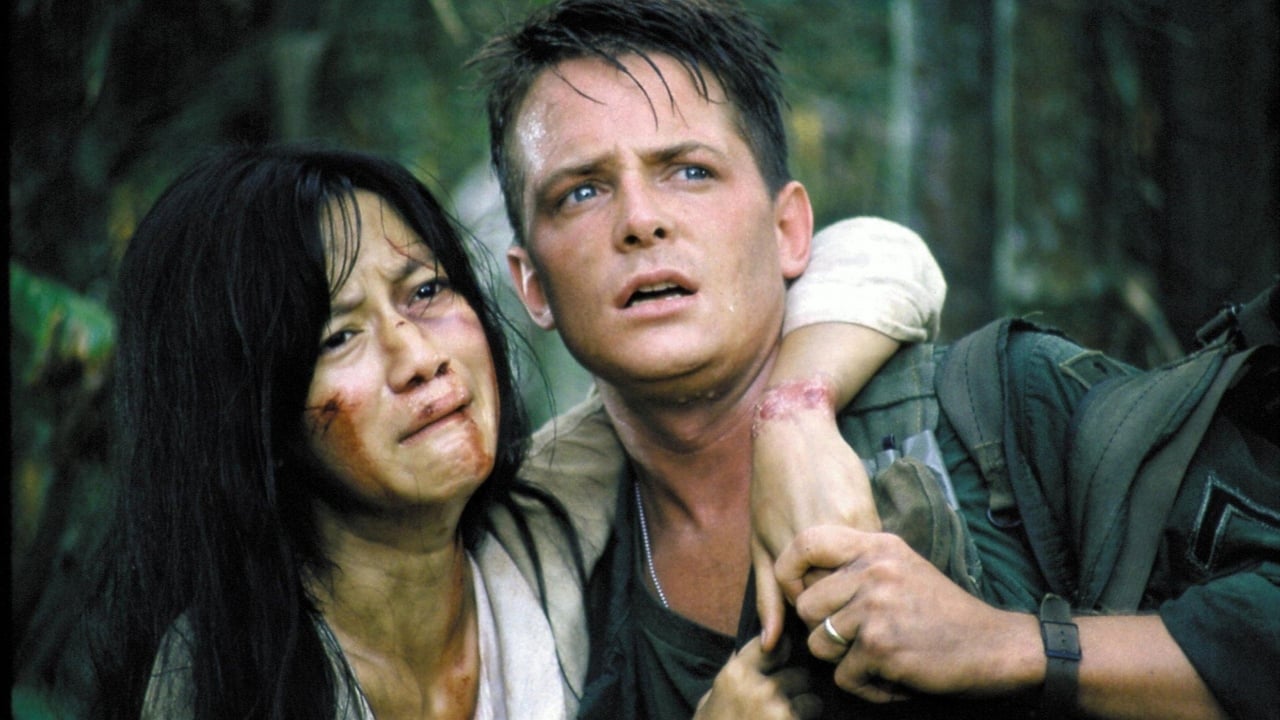
I remember renting this from the local video store, perhaps drawn by the familiar face of Michael J. Fox, expecting maybe a tense thriller but unprepared for the sheer weight of the story. Fox, stepping far outside the comfortable confines of Marty McFly or Alex P. Keaton, delivers a performance of remarkable restraint and quiet courage. His Eriksson isn't a superhero; he's an ordinary young man grappling with an extraordinary evil, his fear palpable, his moral compass stubbornly pointing true north even when it puts him in mortal danger. It was a risky casting choice, placing America's sweetheart in such grim territory, but Fox embodies the film's conscience with a vulnerability that makes his eventual stand all the more powerful.
The Magnetism of Malevolence
Opposite Fox, Sean Penn crafts one of the most terrifying portrayals of corrupted leadership I've ever seen on screen. His Meserve isn't a one-note monster. Penn imbues him with a dangerous charisma, a twisted logic forged in the crucible of war, making his descent utterly believable and all the more chilling. You see flashes of the leader he might have been, warped by the conflict into something predatory. The tension between Fox and Penn crackles; it’s the fragile decency of one man against the consuming darkness of another, played out amidst the indifference of war and the complicity of the squad members (including early, potent appearances by John C. Reilly and John Leguizamo). Don Harvey as Corporal Clark is particularly unsettling, embodying the casual cruelty that can flourish when moral boundaries erode.
De Palma's Hand, Morricone's Heart
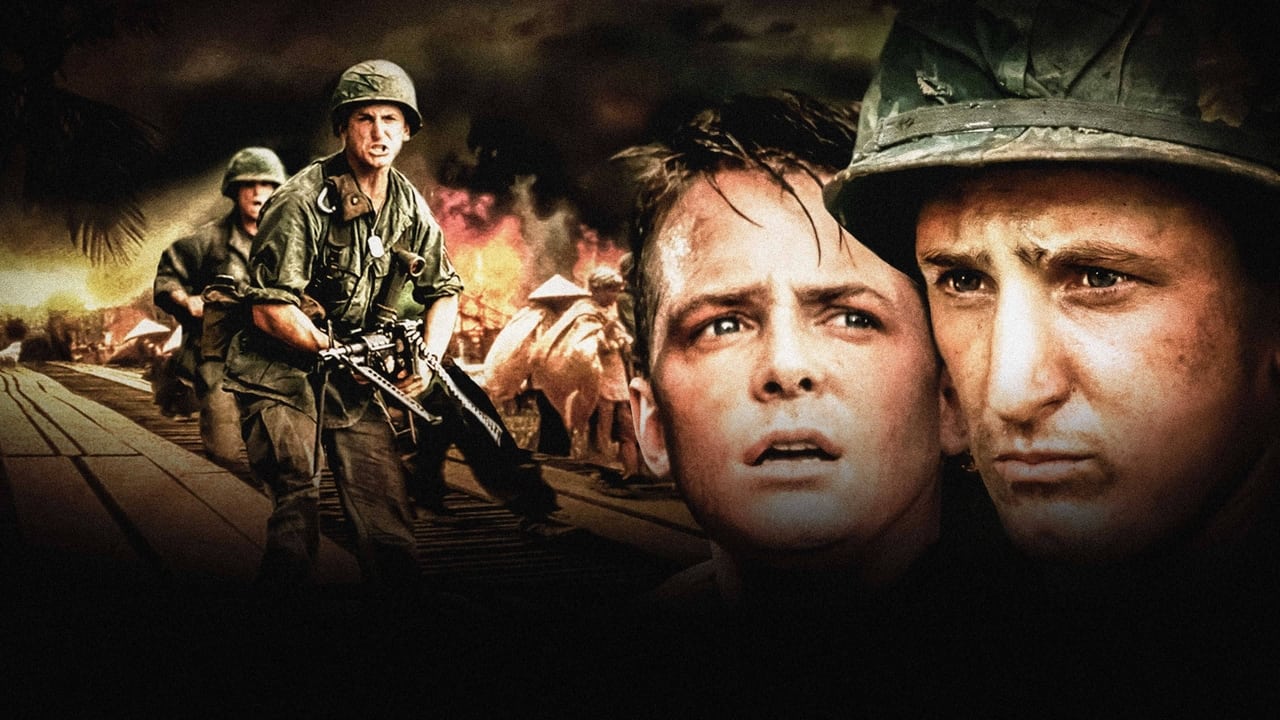
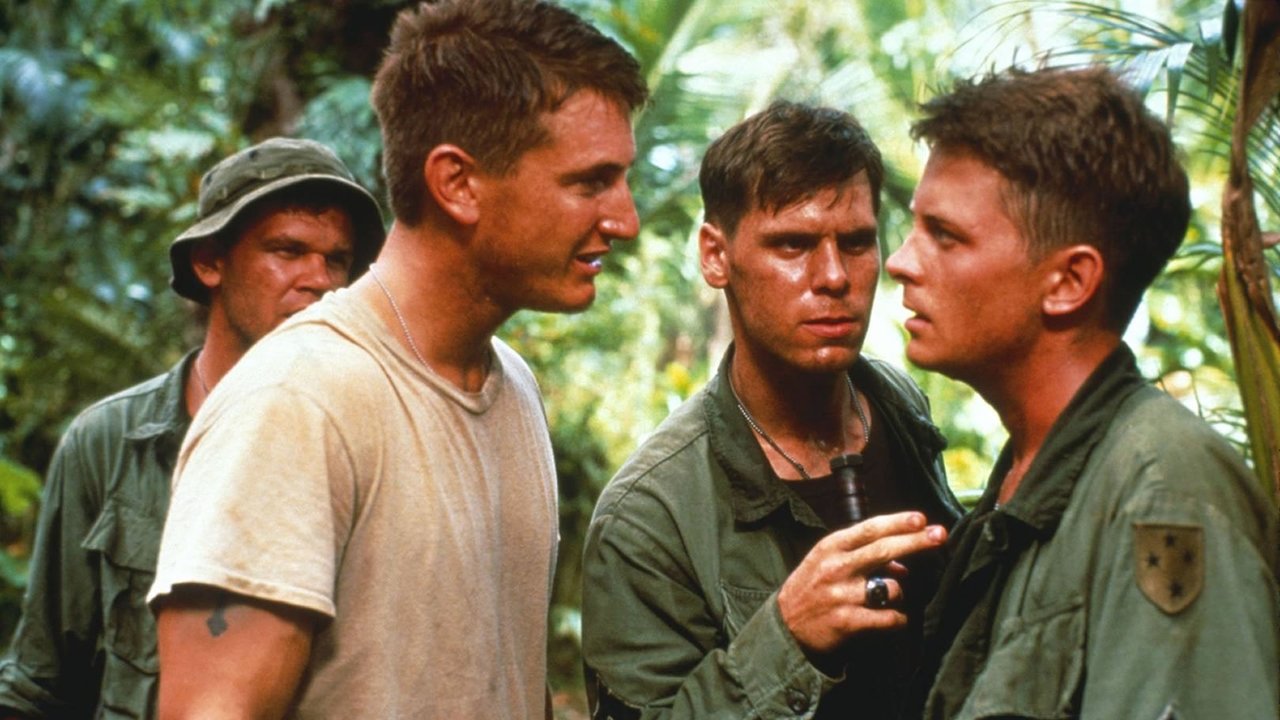
Brian De Palma, known for his stylish, often Hitchcockian thrillers like Dressed to Kill (1980) or the operatic violence of Scarface (1983), brings a different kind of intensity here. While his signature visual flair is present – moments of slow motion that emphasize horror, compositions that isolate Eriksson – it feels less about flourish and more about amplifying the sickening reality of the situation. The infamous sequence on the railway bridge is technically masterful but emotionally devastating, a testament to De Palma's ability to orchestrate dread. He doesn't flinch from the brutality, but nor does he exploit it gratuitously. The violence serves the film's stark moral purpose.
Enhancing the atmosphere is the haunting, elegiac score by the legendary Ennio Morricone. It avoids triumphant marches or typical action cues, instead opting for melodies filled with sorrow and a profound sense of tragedy. Morricone’s music underscores Eriksson’s isolation and the immense human cost of the events unfolding, adding another layer of emotional depth to an already heavy film. It’s a score that mourns, rather than celebrates.
Echoes of Truth and Reception
The fact that Casualties of War is based on truth, meticulously detailed by playwright and Vietnam veteran David Rabe in his screenplay adaptation of Lang's article, lends it an unavoidable gravity. This isn't abstract philosophical debate; it's rooted in documented horror. Perhaps unsurprisingly, the film wasn't a box office smash ($18.7 million domestic against a $22.5 million budget) and proved divisive upon release. Some critics lauded its courage and power; others found it too bleak, too difficult. It certainly stands apart from more action-oriented Vietnam films of the era, sharing perhaps more thematic DNA with Oliver Stone's Platoon (1986) in its unflinching look at the internal conflicts and moral compromises faced by soldiers. Renting it back then felt like stumbling upon something vital, something uncomfortable but necessary, a stark contrast to the often sanitized or gung-ho narratives prevalent on VHS shelves.
Lasting Scars
Casualties of War doesn't leave you feeling good. It leaves you shaken, contemplating the fragility of morality under pressure and the immense courage required to stand against the tide. What does it truly mean to be brave in a situation where conformity means survival, but survival means complicity? How does war strip away humanity, and what does it take to hold onto it? These aren't easy questions, and the film offers no simple answers. Fox's portrayal of quiet resistance and Penn's embodiment of war's corrosive effect are unforgettable.
Rating: 9/10
This score reflects the film's sheer power, its artistic integrity, and the unforgettable performances, particularly from Fox and Penn. It’s a masterfully directed, profoundly disturbing examination of morality in wartime, based on a sickening true story. The deduction of one point acknowledges its almost unbearable intensity and relentless bleakness, which might make it a difficult, though essential, watch for some.
Casualties of War remains a vital, challenging piece of cinema, a stark reminder from the VHS era that some stories demand to be told, no matter how uncomfortable they make us. It’s a film that stays with you, a haunting echo of the price of conscience.