It begins not with pageantry, but with a spark striking flint in the dark. Derek Jacobi, as the Chorus, walks us through a modern film studio, reminding us that what we're about to see is an act of imagination, a conjuring of history on "this unworthy scaffold." It’s a striking opening for Kenneth Branagh's 1989 adaptation of Henry V, immediately setting it apart from the more brightly lit, patriotic take Laurence Olivier offered audiences during World War II. This wasn't going to be just another Shakespeare film; this felt raw, immediate, and somehow, despite the centuries between us and Agincourt, intensely personal.
A King Forged in Mud and Doubt
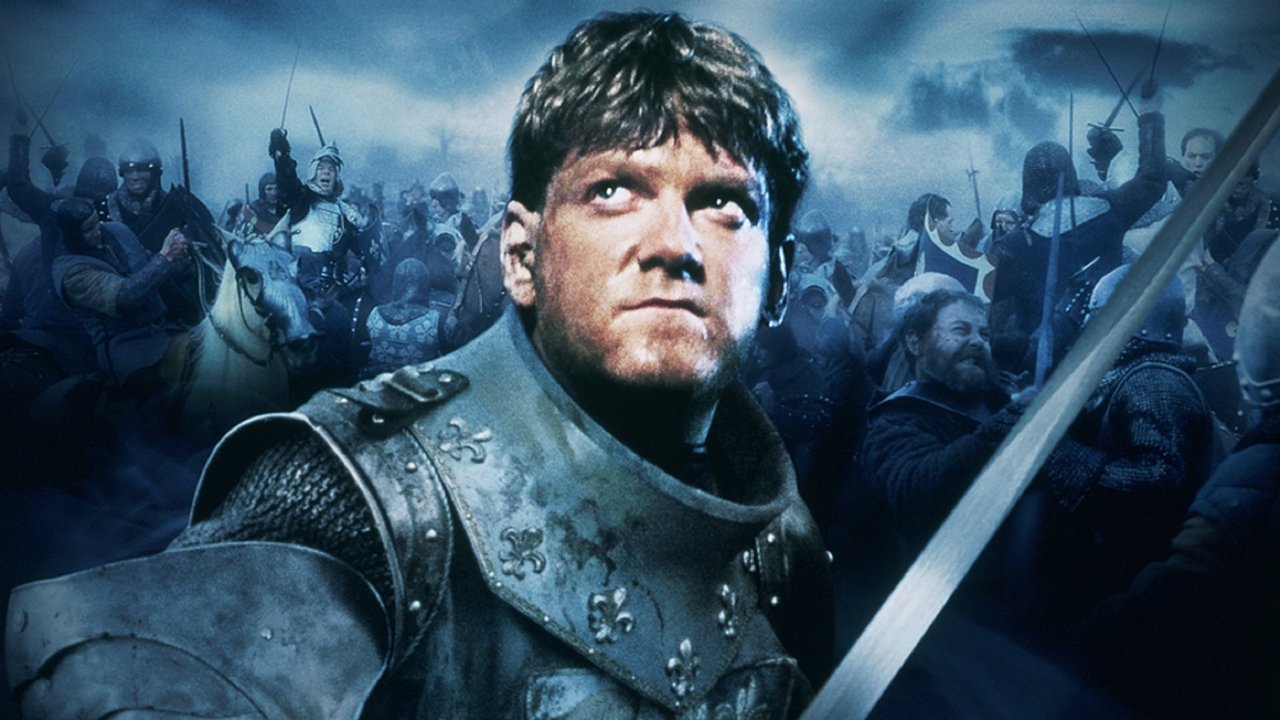
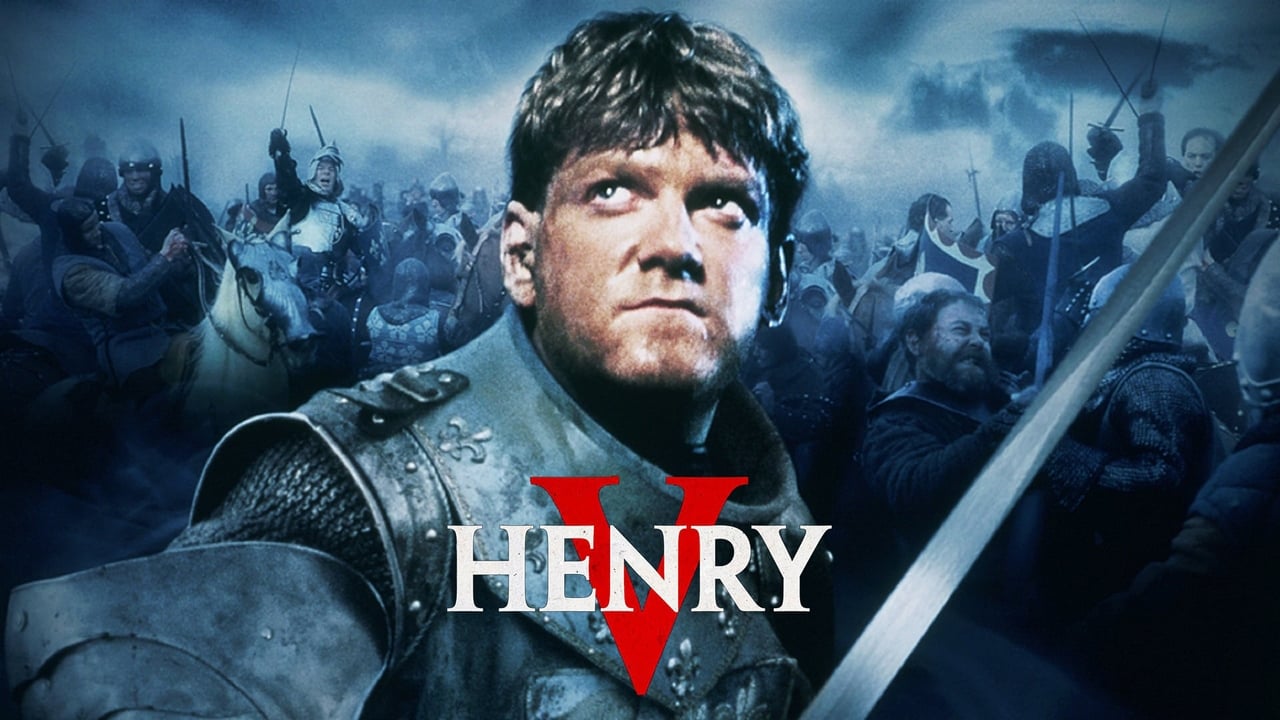
I remember finding this tape nestled perhaps between a Stallone actioner and a John Hughes comedy at the local video store. It felt… substantial. Heavier. Not just the plastic casing, but the implication. Shakespeare. On VHS. It seemed almost incongruous amidst the neon glow of 80s cinema. But Branagh, in his astonishing directorial debut at the tender age of 28 (he turned 29 just before its US release), wasn't interested in dusty reverence. He wanted blood, mud, and the gut-wrenching reality of leadership. His Henry isn't the uncomplicated hero of Olivier's vision; he's young, burdened, prone to flashes of temper, and deeply aware of the human cost of his ambitions.
The film strips away much of the overt jingoism sometimes associated with the play, focusing instead on the grim business of war. Branagh himself delivers a powerhouse performance. Watch his eyes during the pivotal moments – the steely resolve before Harfleur ("Once more unto the breach, dear friends!"), the quiet fury ordering the execution of the French prisoners (a controversial but historically plausible inclusion), and the utterly magnetic delivery of the St. Crispin's Day speech. It's not just rousing rhetoric; you feel the weight of responsibility on his shoulders, the desperate need to inspire men facing impossible odds. He makes Henry human, fallible, yet undeniably regal. This performance, alongside his directing, earned him well-deserved Oscar nominations for both Best Actor and Best Director – a rare feat, especially for a debut.
Beyond the Battlefield
While the Battle of Agincourt is the film's visceral centerpiece – filmed with brutal realism in rain-soaked fields, eschewing grand, sanitised spectacle for the claustrophobic horror of medieval combat – the quieter moments resonate just as strongly. The supporting cast is simply phenomenal, a who's who of British acting royalty. Paul Scofield lends immense gravitas to the ailing French King Charles VI, his weariness a palpable counterpoint to Henry's youthful drive. Ian Holm is perfectly cast as the Welsh Captain Fluellen, providing both comic relief and fierce loyalty. Look closely and you'll spot a young Christian Bale (fresh off Empire of the Sun (1987)) as the Boy, tragically caught up in the conflict, and Emma Thompson shines as Katherine of Valois, her charmingly awkward courtship scene with Henry providing a much-needed touch of warmth and humour amidst the grimness. Even Judi Dench appears briefly but memorably as Mistress Quickly.
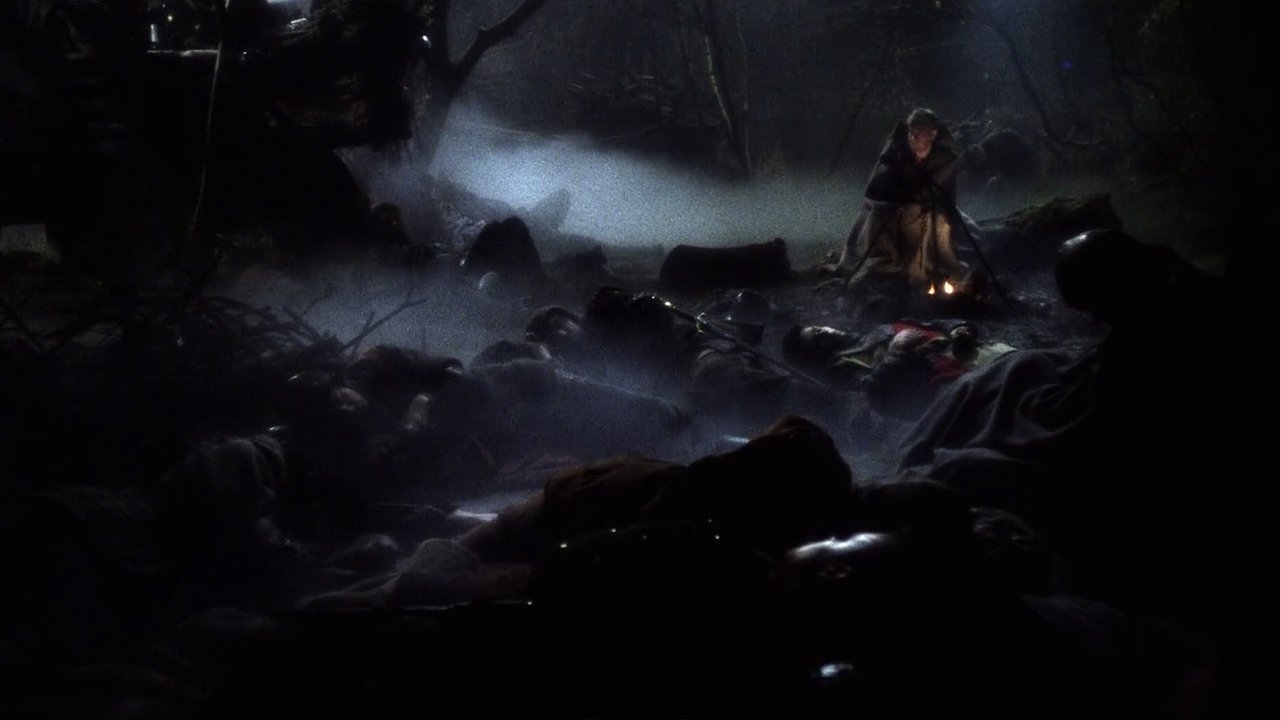
Branagh's decision to use flashbacks, particularly Henry's past association with Falstaff (drawn from the Henry IV plays), adds layers to the King's character, reminding us of the personal sacrifices made for the crown. It’s a choice that enriches the narrative, giving context to Henry’s transformation from wayward prince to wartime leader. The score by Patrick Doyle, in his first collaboration with Branagh, is magnificent – soaring, elegiac, and perfectly capturing the film's shifting moods, from the tension of the night before battle ("Non Nobis, Domine") to the bittersweet victory.

Making History Feel Real
What makes this Henry V endure, especially when viewed through the lens of nostalgia, is its sheer commitment to making history feel tangible. Shot on a relatively modest budget (around $9 million – peanuts even then for an epic), the film achieves a remarkable sense of scale and authenticity. The dank castles, the muddy fields, the weight of the armour – it all feels grounded. Compare this to the more theatrical, brightly coloured Olivier version (made, understandably, to boost morale during WWII), and you see Branagh’s intent: to show war not as a glorious adventure, but as a grim, messy, and terrifying necessity, at least from Henry's perspective. The critical acclaim was immediate, proving there was an appetite for Shakespeare delivered with this kind of modern intensity. It wasn’t just a stuffy classic; it was gripping drama.
Does it hold up? Absolutely. Watching it again now, maybe not on a fuzzy CRT but with the benefit of hindsight, its power hasn't diminished. Branagh managed to make Shakespeare accessible without dumbing it down, respecting the text while infusing it with a raw cinematic energy that was groundbreaking for its time. It announced him as a major force, paving the way for his later Shakespearean triumphs like Much Ado About Nothing (1993) and his epic Hamlet (1996).
---

Rating: 9/10
Justification: Branagh's Henry V is a masterful directorial debut and a towering achievement in Shakespearean adaptation. The performances are uniformly excellent, particularly Branagh's own complex portrayal of the titular king. Its gritty realism, emotional depth, and stunning battle sequences redefined how Shakespeare could be presented on screen. Patrick Doyle's score is unforgettable. While perhaps inevitably condensing the source material, it does so intelligently, creating a powerful, coherent, and deeply moving cinematic experience. It loses perhaps a single point only for the inherent challenges any filmmaker faces in trimming Shakespeare for the screen, but its impact and craft are undeniable.
Final Thought: This wasn't just a history lesson dusted off for the multiplex; it was a visceral plunge into the heart of leadership, conflict, and sacrifice that still resonates long after the VCR’s hum has faded. A true crown jewel of late 80s filmmaking.