Okay, settle in. Remember those quieter films, the ones tucked away on the video store shelves, maybe not shouting with explosions or dazzling effects, but promising something… deeper? John Schlesinger’s Yanks (1979) was precisely that kind of discovery for many of us on VHS. It wasn't about the battlefield heroics we often saw in World War II movies; instead, it turned its gaze inward, toward the complex, often heartbreaking interactions between American GIs and the British locals awaiting their fate on the home front. What lingers isn't the roar of planes, but the hushed anxieties and fragile connections forged under the long shadow of war.
### Under Grey Northern Skies
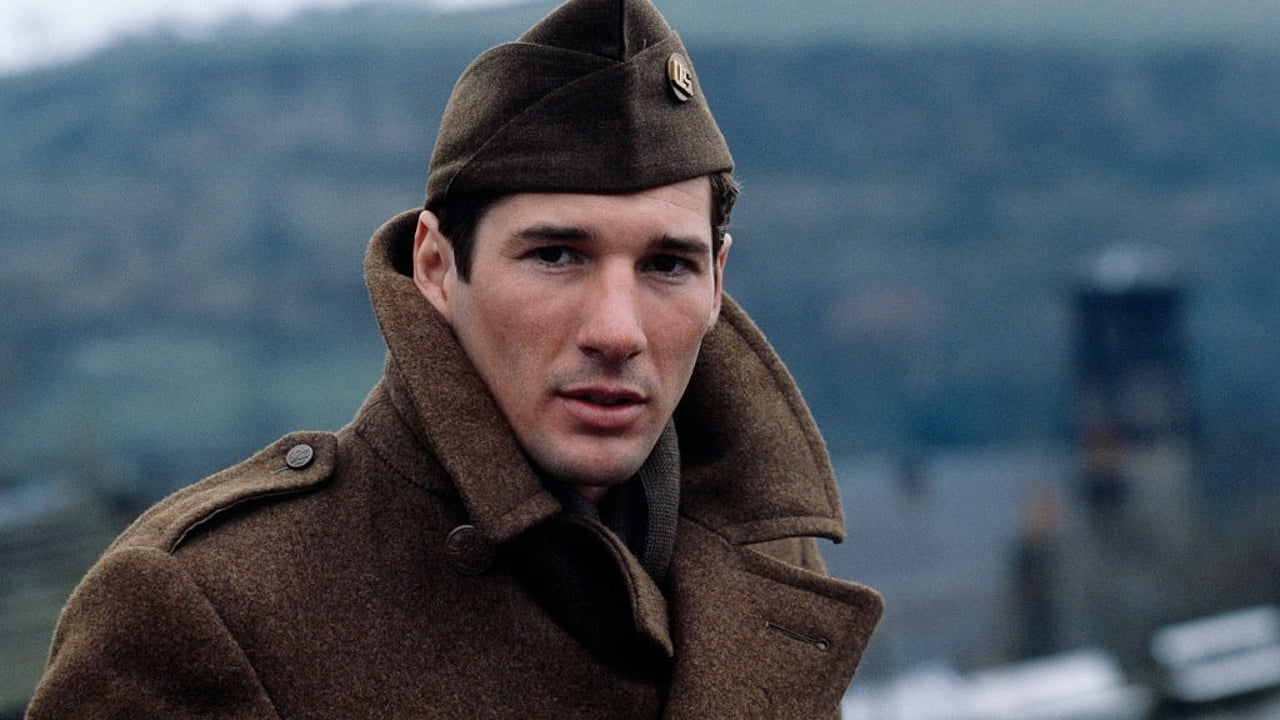
From its opening frames, Yanks immerses you in the damp, perpetually overcast atmosphere of Northern England between 1943 and 1944. Schlesinger, who gave us the gritty realism of Midnight Cowboy just a decade earlier, brings that same eye for lived-in detail here. You can almost smell the coal smoke, feel the chill in the air, sense the weariness and the resilience of a people enduring rationing, blackouts, and the constant fear of bad news from overseas. This wasn't a Hollywood backlot approximation; the film was shot extensively on location in towns like Stalybridge and Oldham, lending it an undeniable authenticity. The arrival of thousands of American soldiers – the "Yanks" – injects a burst of brash energy, Coca-Cola, and jitterbugging into this strained landscape, setting the stage for inevitable culture clashes and unexpected intimacies.
### Three Strands of the Heart
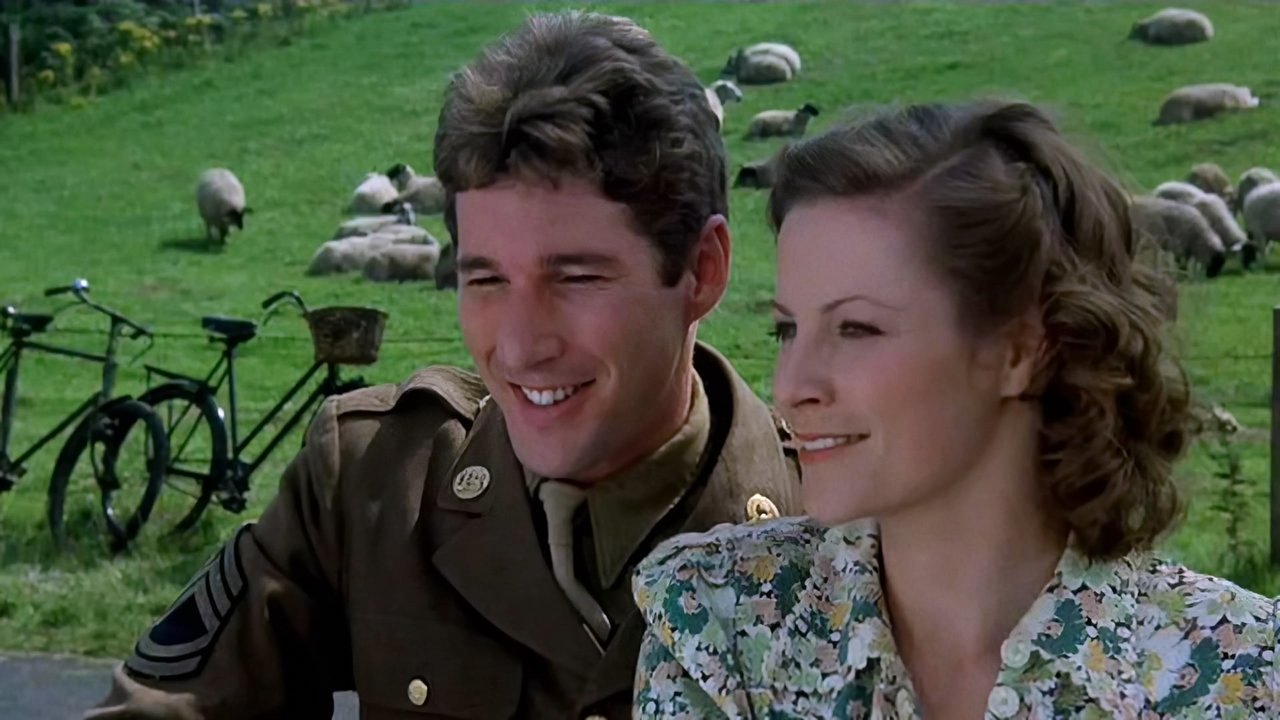
Rather than focusing on a single romance, the script, co-written by Colin Welland (who would later win an Oscar for Chariots of Fire) and the formerly blacklisted Walter Bernstein, cleverly weaves together three distinct relationships across different social standings. This allows for a broader, more nuanced exploration of the wartime experience. We have the central, tentative courtship between the working-class Matt (Richard Gere, in a star-making turn just before American Gigolo cemented his leading man status) and the reserved Jean (Lisa Eichhorn). Their connection feels achingly real, hampered by Jean's existing engagement to a local boy fighting abroad and the inherent transience of Matt's presence. Their quiet moments, struggling to understand each other across cultural and emotional divides, form the film's sensitive core.
Alongside them, there's the more experienced, pragmatic Sergeant Danny Ruffelo (Chick Vennera) pursuing the lively bus conductor Mollie (Wendy Morgan). Their relationship offers moments of levity but also underscores the different ways people sought comfort and connection amidst the uncertainty. Perhaps most poignantly, Vanessa Redgrave delivers a typically luminous performance as Helen, a refined local woman whose husband is away at war. She forms a deep, complex bond with Captain John (William Devane), navigating the treacherous waters of duty, loneliness, and unspoken desire. Redgrave captures Helen’s grace and underlying vulnerability with heartbreaking precision.
### Performance and Place
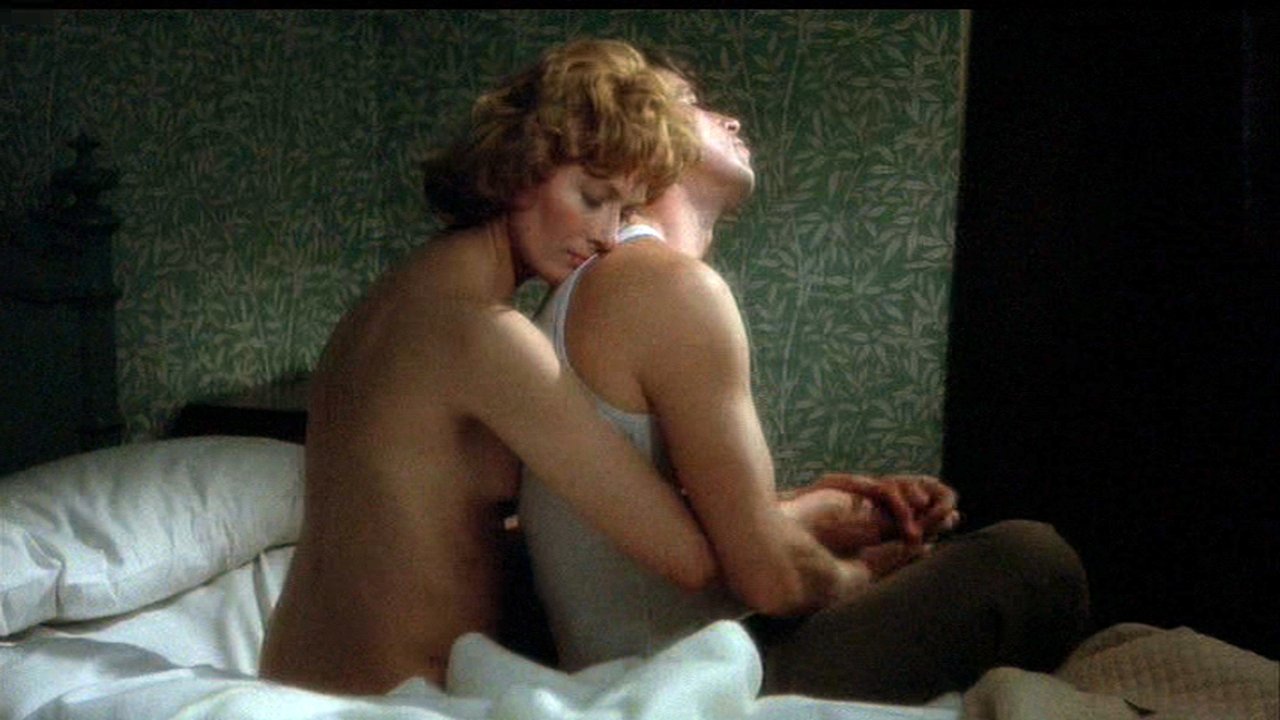
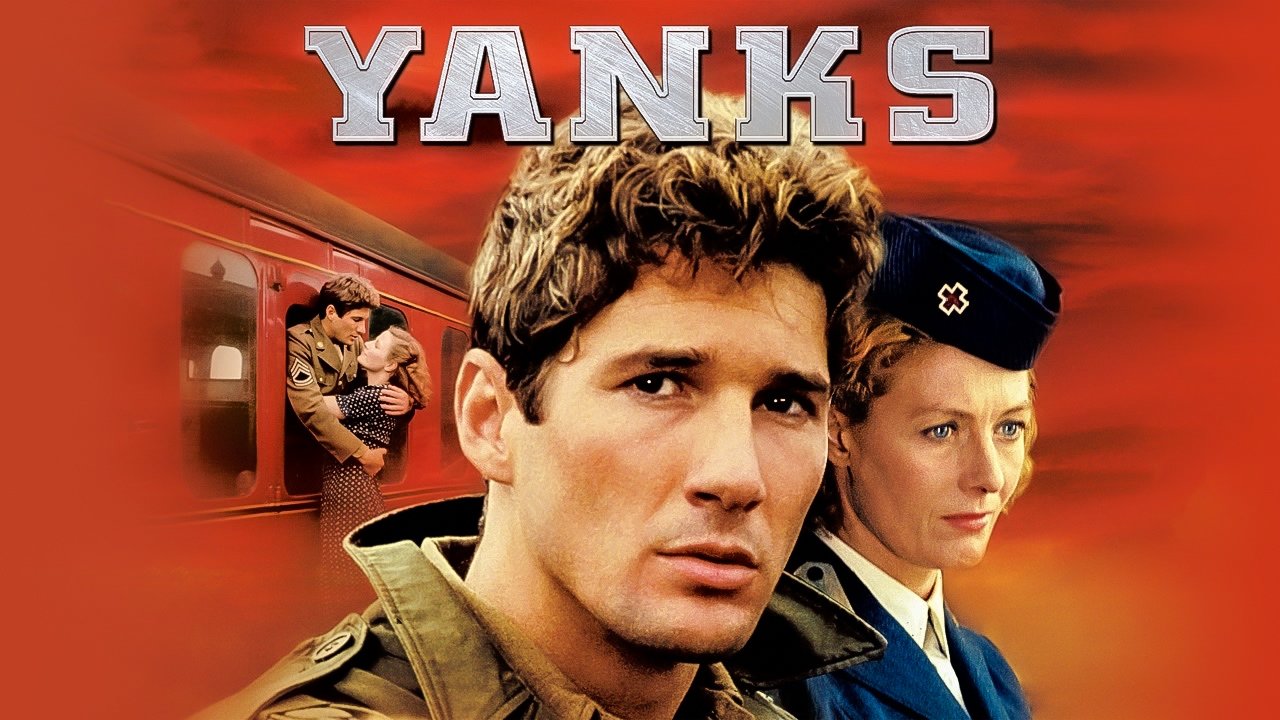
The acting across the board is superb, grounded in a naturalism that feels utterly true to the period and the emotional stakes. Gere, radiating a mix of youthful confidence and quiet sensitivity, proved he was more than just a pretty face. Lisa Eichhorn, in her film debut, is a revelation – her portrayal of Jean's cautious opening-up and eventual heartbreak is deeply affecting. Their chemistry is tentative, fragile, and utterly believable. You feel the weight of unspoken words, the fear of attachment in a world defined by separation. It's this focus on the subtleties of human connection, rather than grand pronouncements, that gives Yanks its enduring power.
Schlesinger directs with a patient, observational hand. He allows scenes to breathe, letting the environment and the actors' nuanced expressions convey the emotional weight. The meticulous production design, from the drab interiors to the packed dance halls, feels historically accurate without being ostentatious. One fascinating bit of trivia is that writer Colin Welland drew partly on his own childhood memories of the GIs in wartime Lancashire, which undoubtedly contributes to that feeling of lived experience permeating the film. It wasn't a massive blockbuster – its approximate $10 million budget yielded modest returns – but its critical acclaim, particularly in the UK where it swept several BAFTAs, spoke volumes about its quality and resonance.
### More Than Just a Wartime Romance
Yanks delves into themes that remain relevant: the friction between different cultures forced together, the nature of love and commitment under duress, the quiet sacrifices made on the home front, and the social stratification that even a global conflict couldn't entirely erase. It asks us to consider what connections mean when shadowed by the constant threat of loss. Doesn't the fragility of their situations make these bonds, however fleeting, even more potent?
It’s a film that rewards patience, building its emotional impact gradually. If you stumbled upon this on a rainy afternoon, perhaps renting it based on Richard Gere's later fame or Vanessa Redgrave's esteemed reputation, you likely found something far richer and more melancholic than expected. It’s a film that stays with you, less for specific plot points and more for the pervasive mood – a blend of hope, anxiety, and the bittersweet ache of temporary belonging.
Rating: 8/10
Justification: Yanks earns its score through John Schlesinger's masterful direction, its deeply authentic atmosphere, the nuanced and truthful performances (especially from Gere, Eichhorn, and Redgrave), and its intelligent, multi-layered script. It tackles complex emotional territory with sensitivity and avoids easy sentimentality. While its deliberate pace might not appeal to everyone, its emotional depth and historical authenticity make it a standout piece of filmmaking that perfectly captured a specific moment in time.
Final Thought: It's a poignant reminder that sometimes the most profound stories of war aren't found on the front lines, but in the quiet spaces where ordinary lives intersect under extraordinary circumstances. A true gem from the cusp of the 80s, well worth revisiting.