### The Unblinking Eye of History
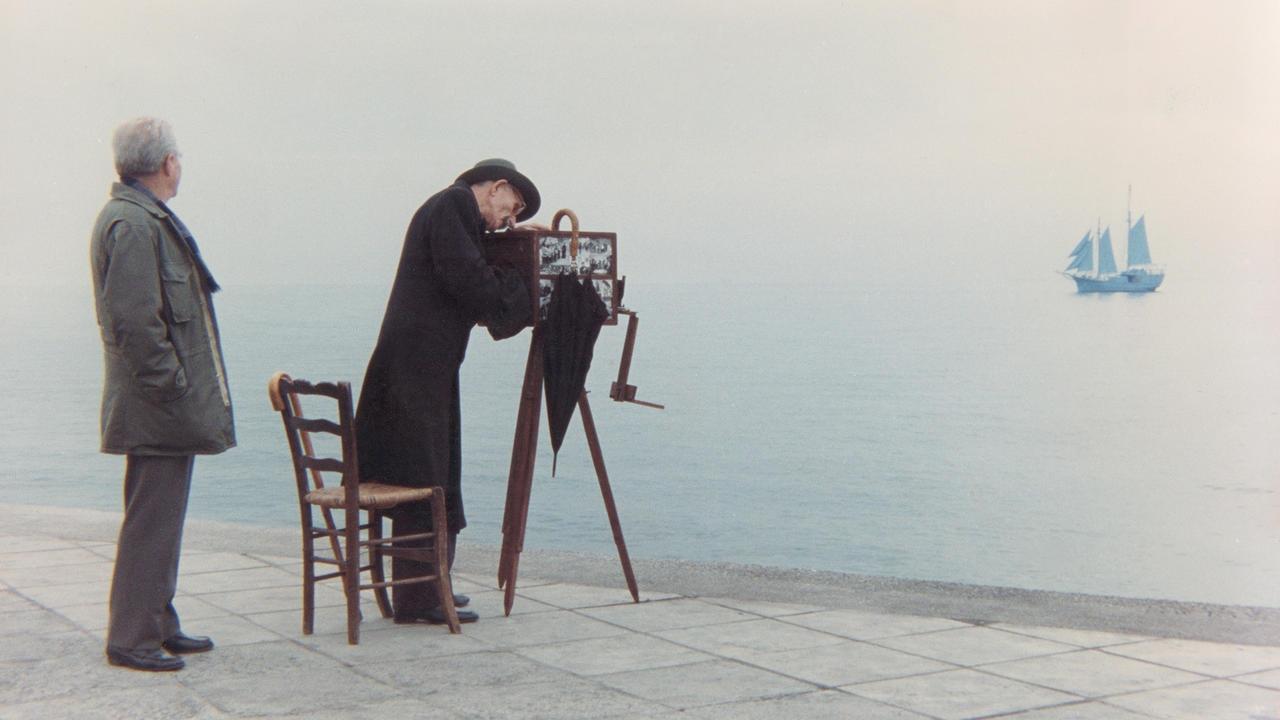
Some films feel less like stories watched and more like landscapes traversed, journeys undertaken alongside the characters. Theodoros Angelopoulos's monumental 1995 work, Ulysses' Gaze (original title: To Vlemma tou Odyssea), is undeniably one of the latter. Finding this on VHS, likely nestled in the ‘World Cinema’ section of a more adventurous video store back in the day, felt like unearthing something substantial, something demanding. It wasn't your typical Friday night rental, but its haunting power lingers long after the tracking lines have faded from memory.
The film follows 'A' (a perpetually weary, soul-searching Harvey Keitel), a Greek-American filmmaker returning to his homeland. His quest is deceptively simple on paper: to find three undeveloped reels of film shot at the turn of the century by the Manakis brothers, pioneers of Balkan cinema. But this is no mere archival treasure hunt. A's journey becomes an odyssey through the fractured landscapes and bleeding history of the Balkans, specifically set against the backdrop of the Bosnian War, which was tragically contemporary during the film's production.
A Landscape Steeped in Sorrow
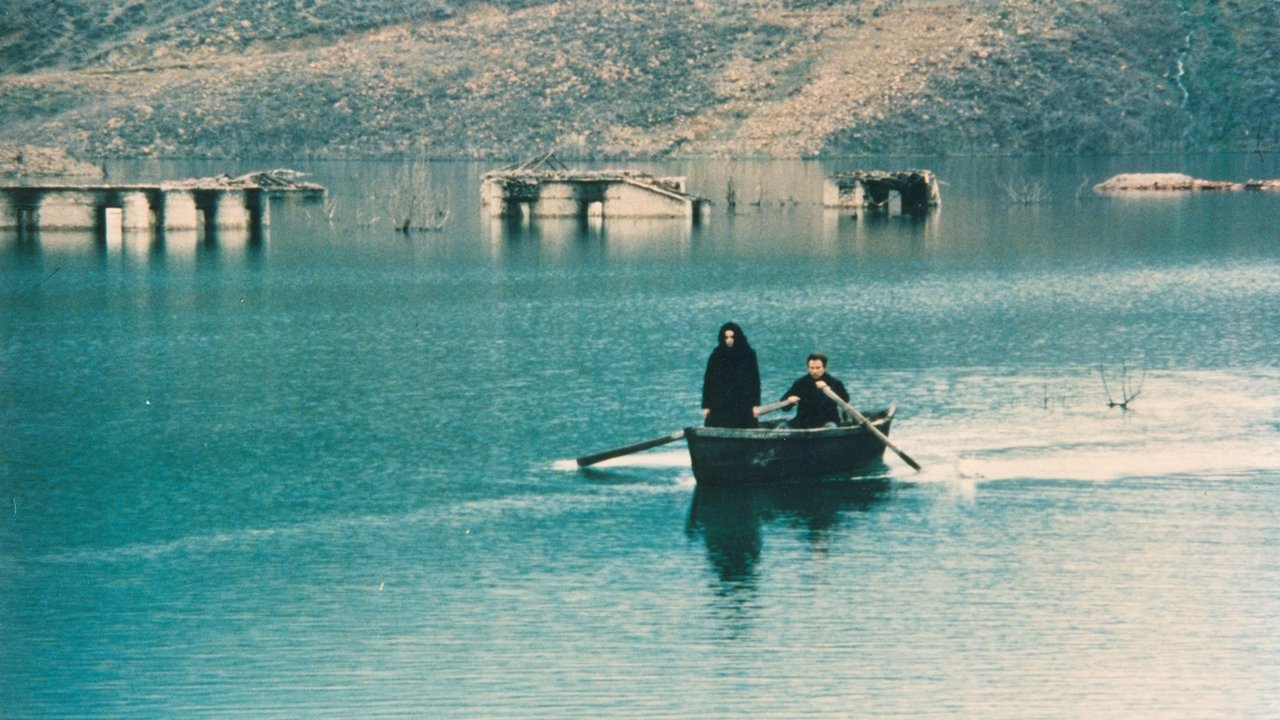
What strikes you immediately, and stays with you, is the atmosphere. Angelopoulos, known for his meticulous long takes and stunningly choreographed sequences (think Landscape in the Mist (1988) or later Eternity and a Day (1998)), paints a picture of pervasive melancholy. Snow falls constantly, blanketing ravaged cities and desolate countrysides. The colour palette is muted, drained, reflecting the emotional exhaustion of the characters and the land itself. This isn't just scenery; it's a participant in the drama, heavy with the weight of centuries of conflict and displacement. Watching A navigate these spaces – from Greece through Albania, Macedonia, Bulgaria, Romania, and finally to war-torn Sarajevo – feels like watching someone sift through the ashes of memory, both personal and collective.
The sheer logistical challenge of making this film during the Balkan conflict adds a layer of profound gravity. Knowing that some scenes were filmed near active war zones, capturing the very real devastation and tension of the era, lends the narrative an unnerving authenticity. It’s a stark reminder of cinema’s power not just to reflect reality, but sometimes, to courageously bear witness to it as it unfolds.
Echoes in Performance
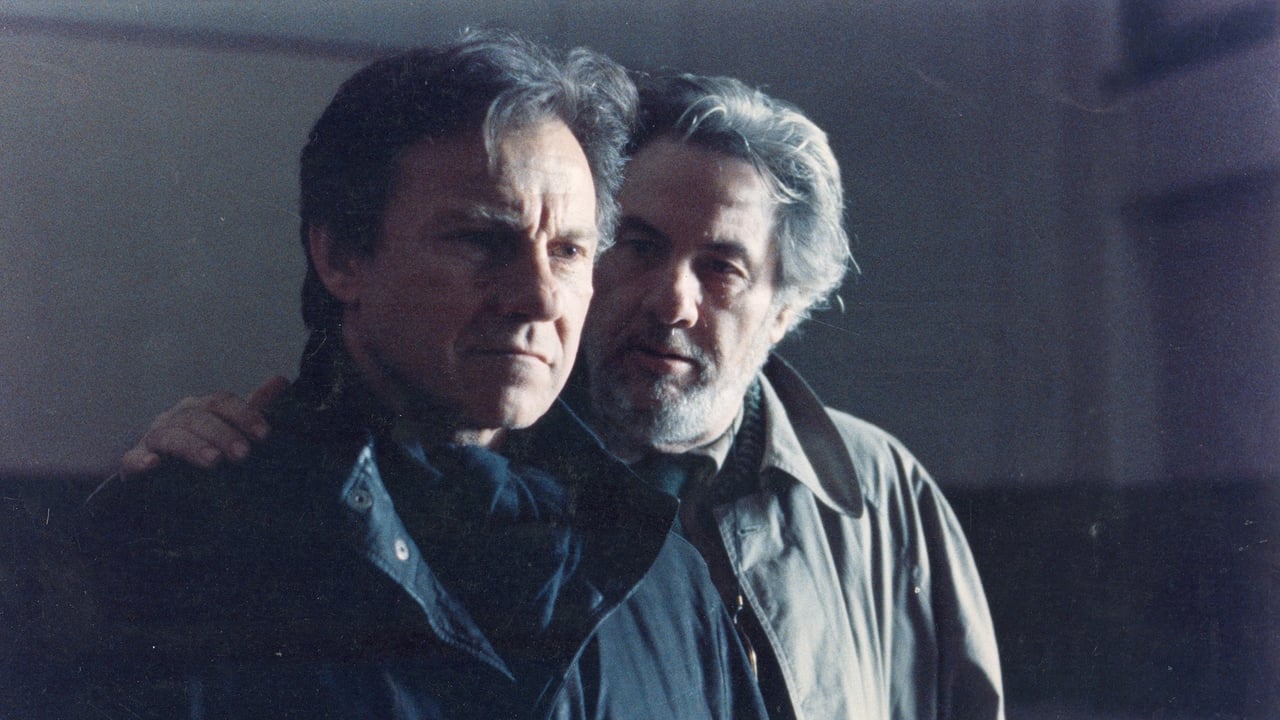
Harvey Keitel, an actor often associated with raw, explosive energy (think Reservoir Dogs (1992) or Bad Lieutenant (1992)), delivers something entirely different here. His performance is internalised, weary, etched with the burden of his quest and the history he confronts. He’s less a protagonist driving the action and more a conduit through which the region's sorrow flows. It's a remarkably restrained and affecting turn.
Equally compelling is Maia Morgenstern, who appears in multiple roles, embodying different facets of the 'eternal feminine' or perhaps different incarnations of loss and resilience encountered on A's journey. Each portrayal is distinct yet connected, weaving a thread of continuity through the fragmented narrative. Her presence often provides moments of fleeting warmth or profound connection amidst the desolation. And the venerable Erland Josephson (a frequent collaborator with Ingmar Bergman) brings his signature gravitas to the role of the frail Sarajevo film archivist, Ivo Levy, representing the fragile flame of cultural memory in the face of destruction. His scenes with Keitel are among the film's most poignant.
More Than Just a Movie
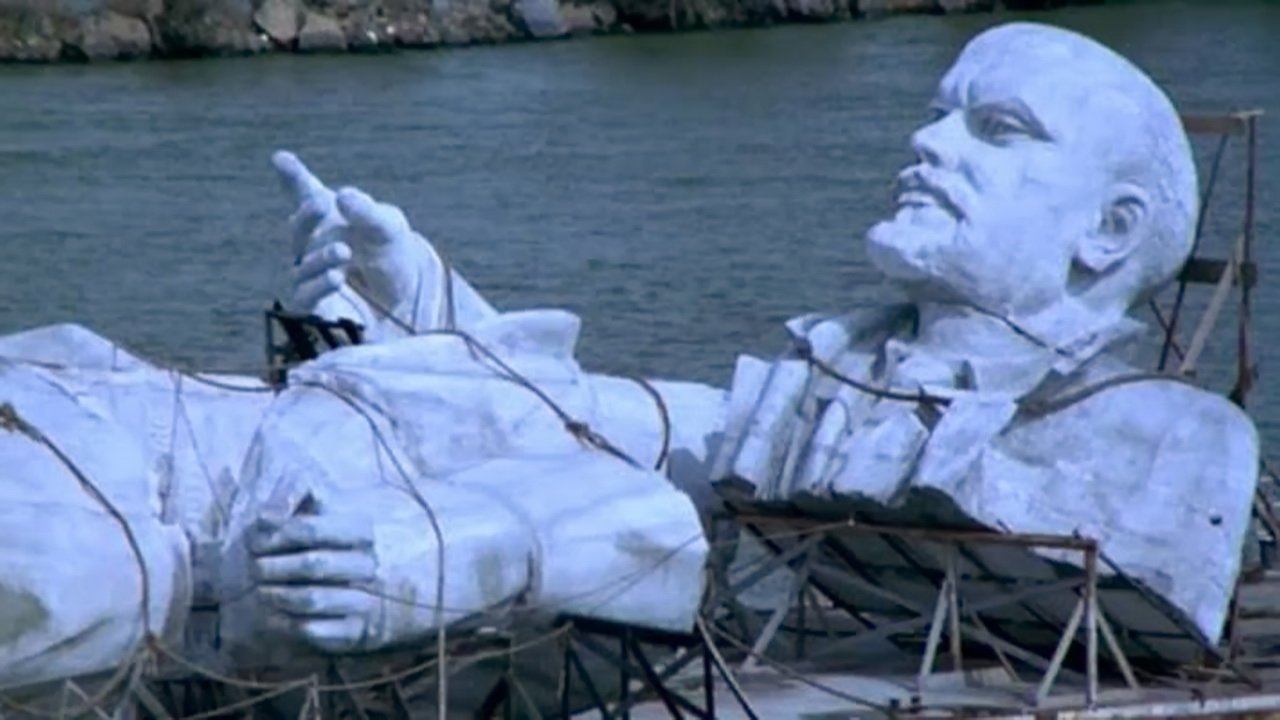
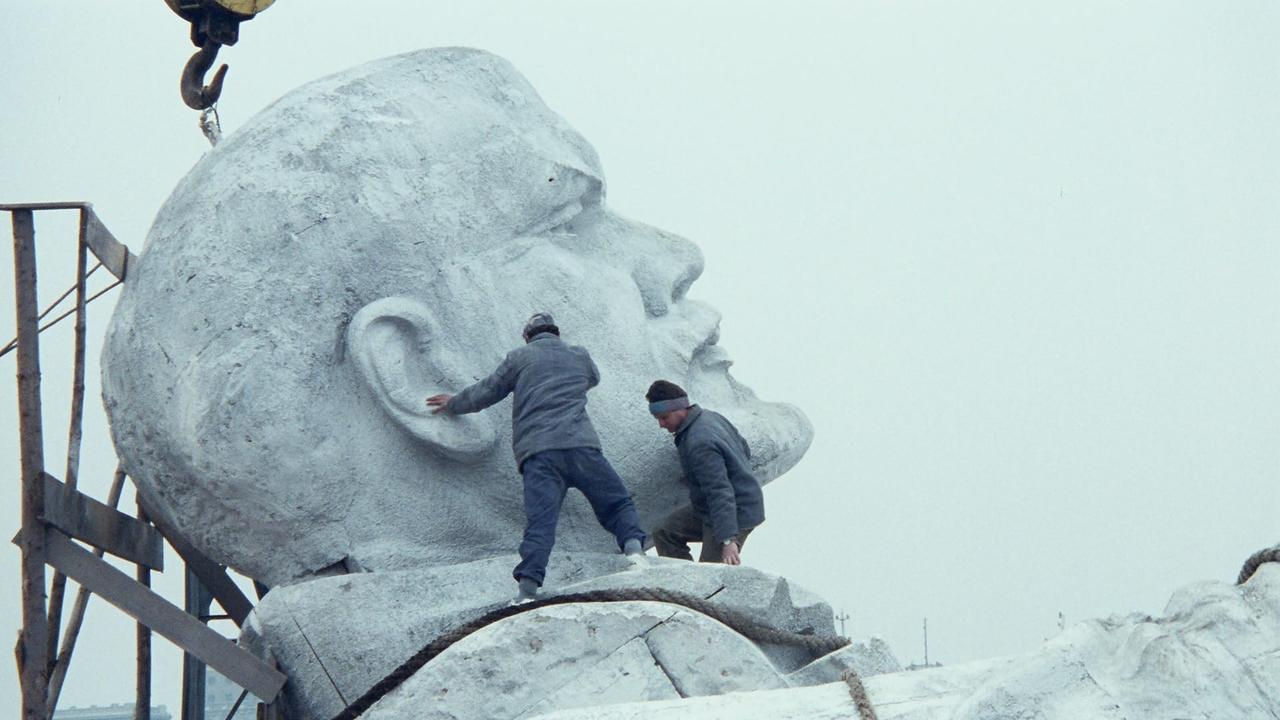
Ulysses' Gaze isn't simply about finding lost film reels. It’s about the impossibility of truly going home, the persistence of memory, the cyclical nature of violence, and the search for identity in a land defined by shifting borders and enduring trauma. The lost reels become a potent symbol – representing perhaps an innocent, pre-lapsarian past, a shared cultural heritage fractured by ethnic strife, or simply the elusive nature of truth itself. Angelopoulos uses his signature long takes not just for aesthetic beauty, but to force contemplation. We are given time to absorb the images, to feel the duration of the journey, the weight of the silence between words. One famous, breathtaking sequence involves a massive statue of Lenin being transported down the Danube, a dreamlike, surreal image laden with political and historical resonance. It’s moments like these – poetic, allegorical, visually stunning – that define the film's unique power.
A Demanding Gaze
Let’s be clear: this is not an easy watch. Its nearly three-hour runtime and deliberate pacing demand patience and engagement. It resists simple answers and straightforward narrative resolution. Some viewers might find its symbolism dense or its tone relentlessly somber. Yet, for those willing to immerse themselves in its world, Ulysses' Gaze offers a profoundly moving and intellectually stimulating experience. It’s a film that grapples with enormous themes on an epic scale, using the personal journey of one man to explore the soul of a region. I remember renting this on a whim, expecting perhaps a European road movie, and getting… well, history itself, unspooling with the weight of tragedy and the faint flicker of hope.
Rating: 8/10
Ulysses' Gaze earns its 8 for its sheer ambition, its breathtaking visual poetry, its powerful performances, and its courageous confrontation with history. It’s a demanding masterpiece whose deliberate pace and thematic density might deter some, preventing a higher score for pure rewatchability within the typical "VHS Heaven" context. However, its artistic integrity and haunting resonance are undeniable.
It leaves you contemplating the very act of looking – the filmmaker's gaze, the historian's gaze, our own gaze – and questioning what we truly see when we look upon the past and the present. A film that stays with you, a shard of Balkan history preserved not on celluloid, but in memory.