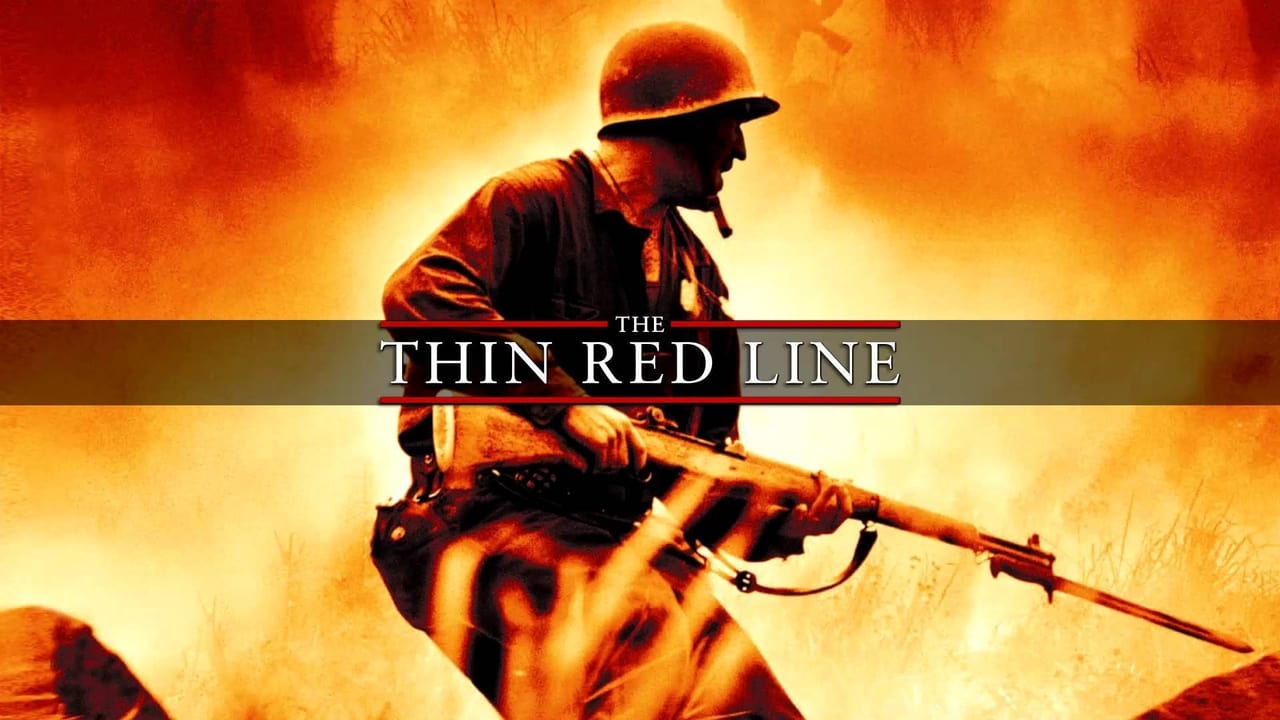
It begins not with a bang, but with a whisper. A question murmured over images of breathtaking natural beauty, abruptly juxtaposed with the grim realities of men preparing for battle. Watching Terrence Malick’s The Thin Red Line back in 1998, perhaps on a hefty double VHS set rented from the local Blockbuster, felt like encountering something entirely different. After a staggering 20-year absence from filmmaking following Days of Heaven (1978), Malick didn’t just return; he delivered a sprawling, philosophical meditation on war that defied easy categorization, standing in stark, contemplative contrast to the visceral immediacy of Saving Private Ryan, released the same year. What lingers, decades later, isn't just the haunting imagery, but the profound questions it poses about humanity's place within the indifferent grandeur of the natural world.
Beyond the Battlefield
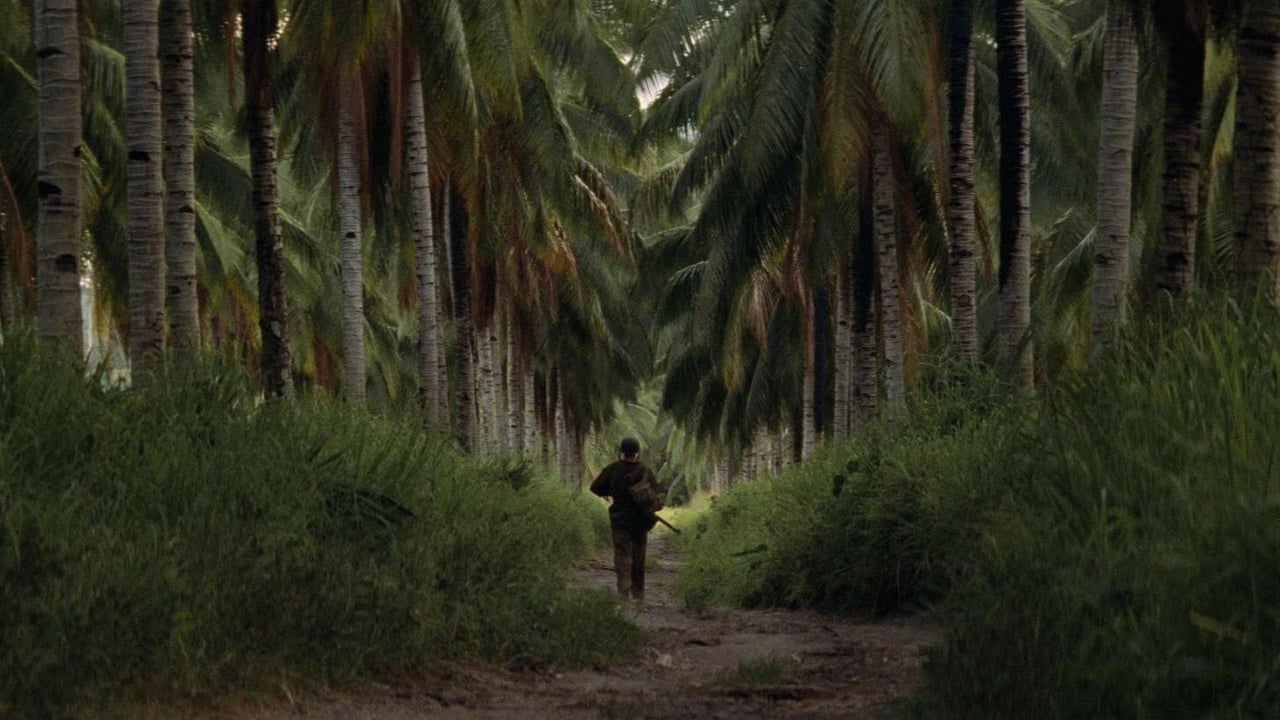
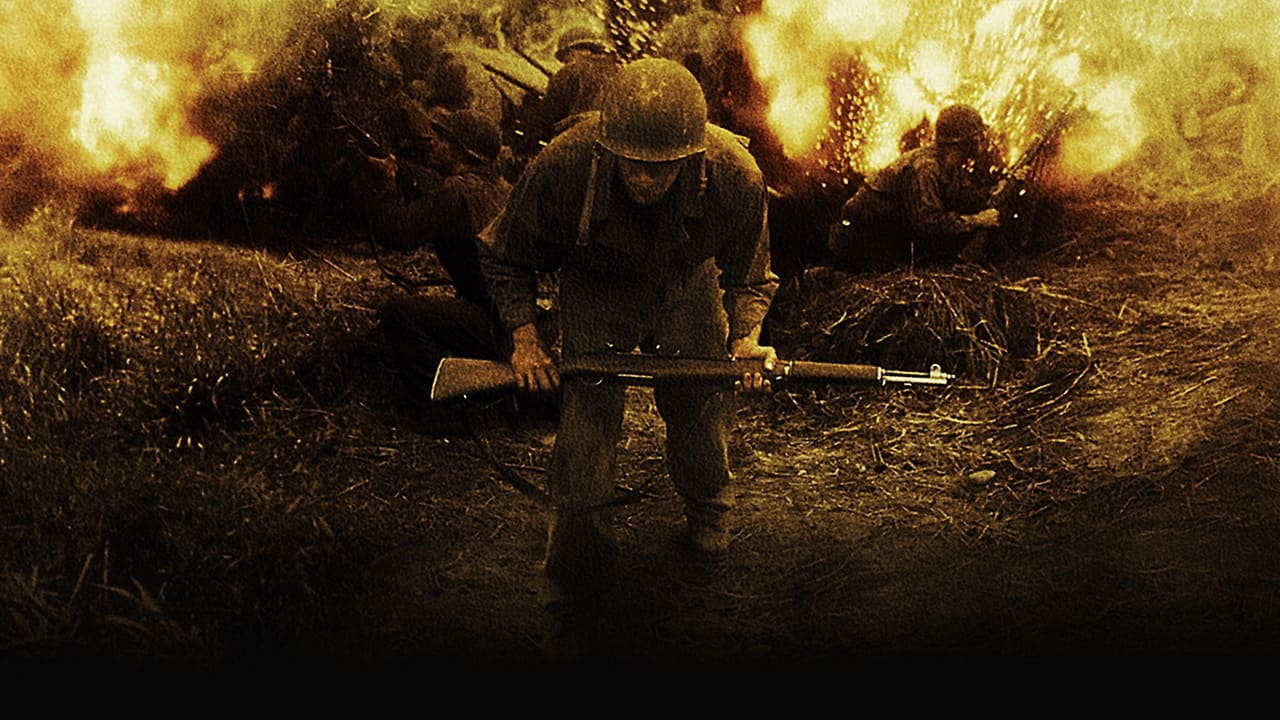
Set during the Guadalcanal Campaign in World War II, the film nominally follows C Company, 1st Battalion, 27th Infantry Regiment, 25th Infantry Division, as they fight to capture a strategic airfield from the Japanese. But reducing The Thin Red Line to its plot is like describing a symphony by listing its instruments. Malick, adapting James Jones' 1962 novel, is less interested in tactical maneuvers than in the internal landscapes of the soldiers caught in the maelstrom. Through fragmented voiceovers, often poetic and searching, we drift through the consciousness of various men, grappling with fear, duty, memory, and the sheer existential weight of their situation. It’s a war film less about what happened and more about what it felt like – the terror, the boredom, the moments of unexpected grace, the gnawing uncertainty. Remember how different this felt from the gung-ho actioners or even the gritty realism we were used to? It demanded patience, immersion.
An embarrassment of Riches (And Cuts)
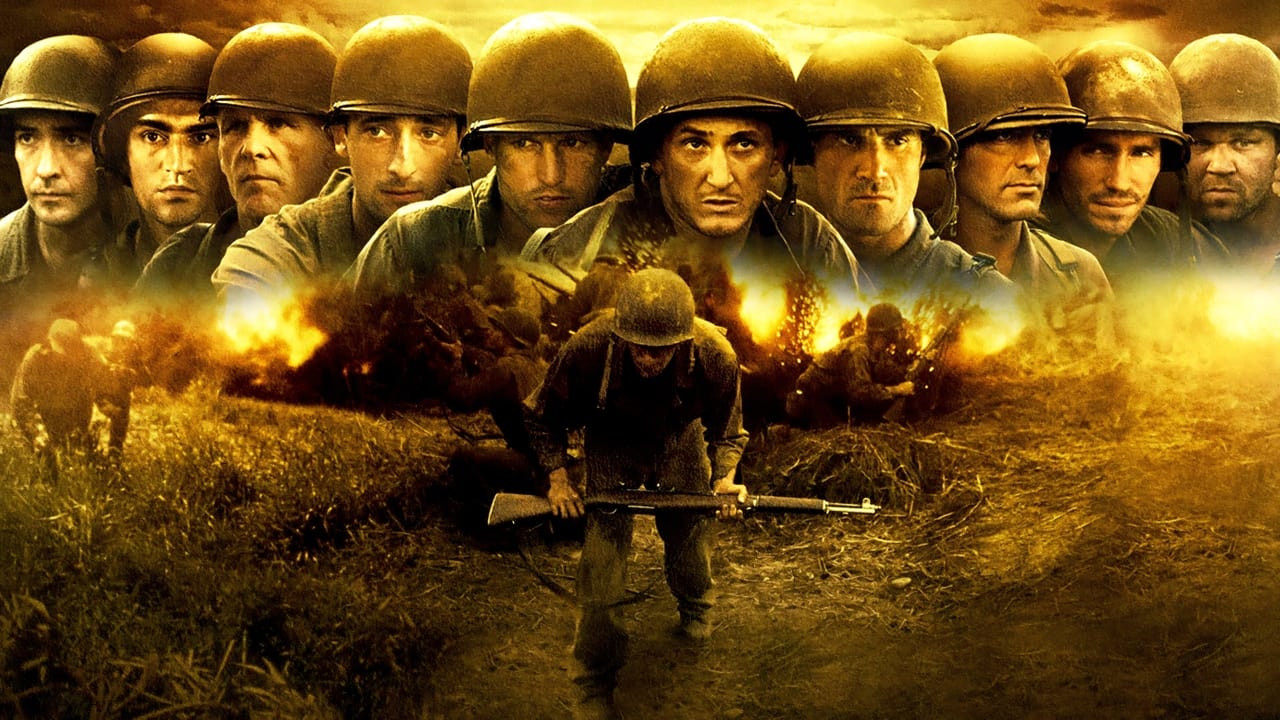
One of the most discussed aspects of The Thin Red Line even back then was its astonishingly star-studded cast, many relegated to brief appearances or, famously, left entirely on the cutting room floor. Malick reportedly shot millions of feet of film, assembling a rough cut that ran close to five hours. The final 170-minute version features indelible contributions: Jim Caviezel as the spiritually attuned Private Witt, seeking transcendence amidst horror; Sean Penn as the weary, cynical First Sergeant Welsh, locked in a philosophical battle with Witt; Nick Nolte embodying fierce determination as the ambitious Lieutenant Colonel Tall.
But the film is almost as famous for who didn't make the final cut, or whose roles were drastically reduced. Stars like Bill Pullman, Lukas Haas, and Viggo Mortensen filmed scenes that vanished in Malick's intensive editing process. Perhaps the most poignant story belongs to Adrien Brody. Cast as Corporal Fife, the novel's central character, Brody believed he was the film's lead, only discovering at the premiere that his role had been whittled down to a few lines and fleeting moments. It’s a stark illustration of Malick’s method – serving the film's poetic flow above conventional narrative structure or star billing. Knowing this now adds another layer to watching those brief, haunted appearances – ghosts of the film that might have been. It wasn't about ego; it was about the vision, however elusive.
Whispers in the Tall Grass
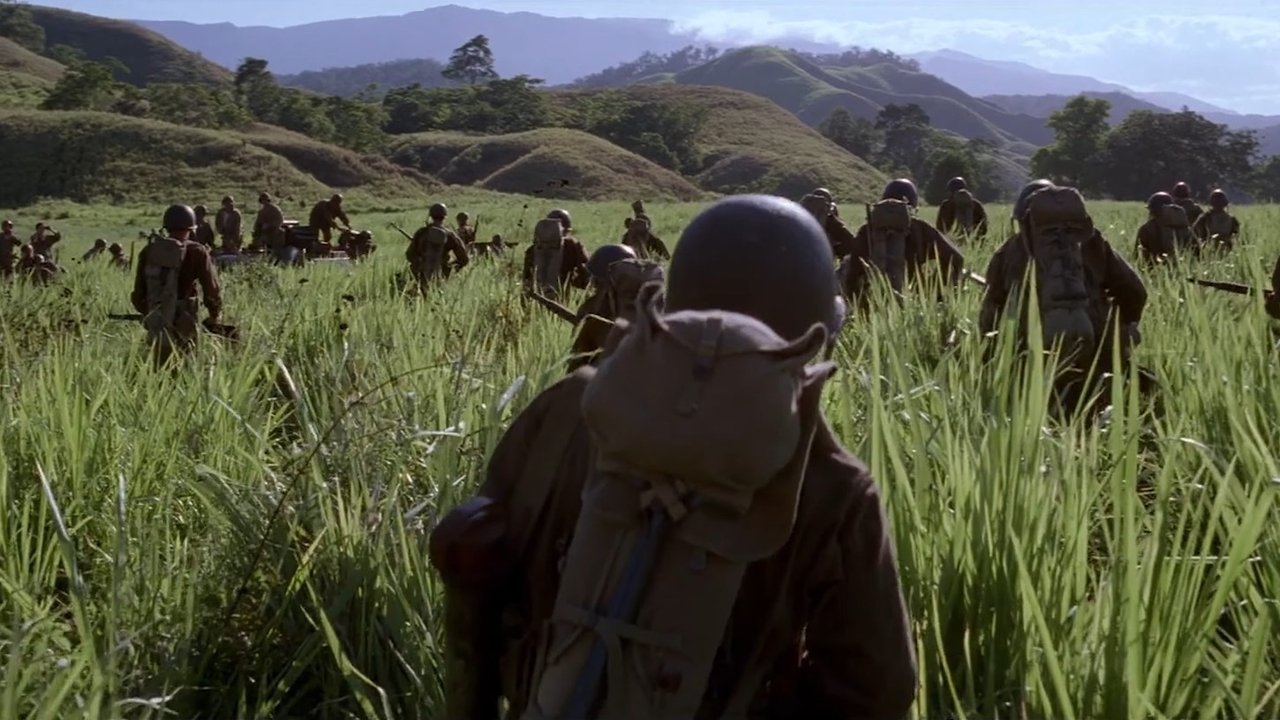
Malick and cinematographer John Toll create a visual language where nature is not just a backdrop, but an active participant, almost a character in itself. Lush shots of swaying grasses, ancient trees, exotic birds, and lurking crocodiles contrast sharply with the human violence erupting within this paradise. Is nature indifferent? Hostile? A reflection of the war within man? The film offers no easy answers, instead letting the images and Hans Zimmer’s soaring, mournful score wash over the viewer. The battle sequences, when they come, are brutal and chaotic, but even then, Malick finds moments of stillness, a focus on a dying soldier's face or a shaft of light through the jungle canopy. It's a film that breathes differently than most war epics. Filmed primarily in the Daintree Rainforest in Queensland, Australia, and Guadalcanal itself, the locations feel achingly real, adding to the immersive, sometimes overwhelming, atmosphere.
The production, budgeted around $52 million, faced challenges translating Malick's distinctive style and the logistical nightmare of a massive ensemble cast in remote locations. While it performed respectably at the box office (grossing nearly $100 million worldwide) and garnered seven Academy Award nominations including Best Picture and Best Director (losing primarily to Shakespeare in Love and Saving Private Ryan), it wasn't a conventional crowd-pleaser. It was, and remains, art-house ambition delivered on an epic scale.
The Lingering Echo
The Thin Red Line is a film that rewards patience and contemplation. It doesn't offer easy heroism or simple condemnations. Instead, it explores the "war in the heart of nature," the conflict between our destructive impulses and our capacity for love, wonder, and sacrifice. The questions posed by those whispering voiceovers – about faith, meaning, and the thin line separating sanity from madness, life from death – stay with you long after the credits roll. It’s a film that felt significant upon its release, a challenging, beautiful anomaly in the late 90s cinematic landscape, and its power hasn't diminished. If anything, its meditative quality feels even more potent today.
Rating: 9/10
This score reflects the film's masterful artistry, its profound thematic depth, and its unique, enduring vision. While its unconventional structure and pacing might challenge some viewers expecting a more traditional war narrative, its ambition, beauty, and the haunting questions it raises make it a towering achievement. The Thin Red Line isn't just watched; it's experienced – a somber, spiritual journey that uses the canvas of war to explore the very essence of being human. It reminds us that even amidst the loudest chaos, the most important battles are often fought in the quietest corners of the soul.