The weight of the Vietnam War on film often felt monolithic, viewed almost exclusively through the prism of American soldiers and their harrowing experiences. Then came Oliver Stone's 1993 epic, Heaven & Earth. It wasn't just another angle; it was an attempt to flip the narrative entirely, to tell the story from the ground up, through the eyes of Le Ly Hayslip, a Vietnamese woman whose life spanned unimaginable upheaval. This wasn't the familiar jungle warfare drama; it was something far more intimate, sprawling, and, frankly, demanding. It aimed to be the final, crucial piece of Stone's Vietnam trilogy, following Platoon (1986) and Born on the Fourth of July (1989), shifting the focus from the fighters to the survivors caught between warring ideologies.
A Life Forged in Fire
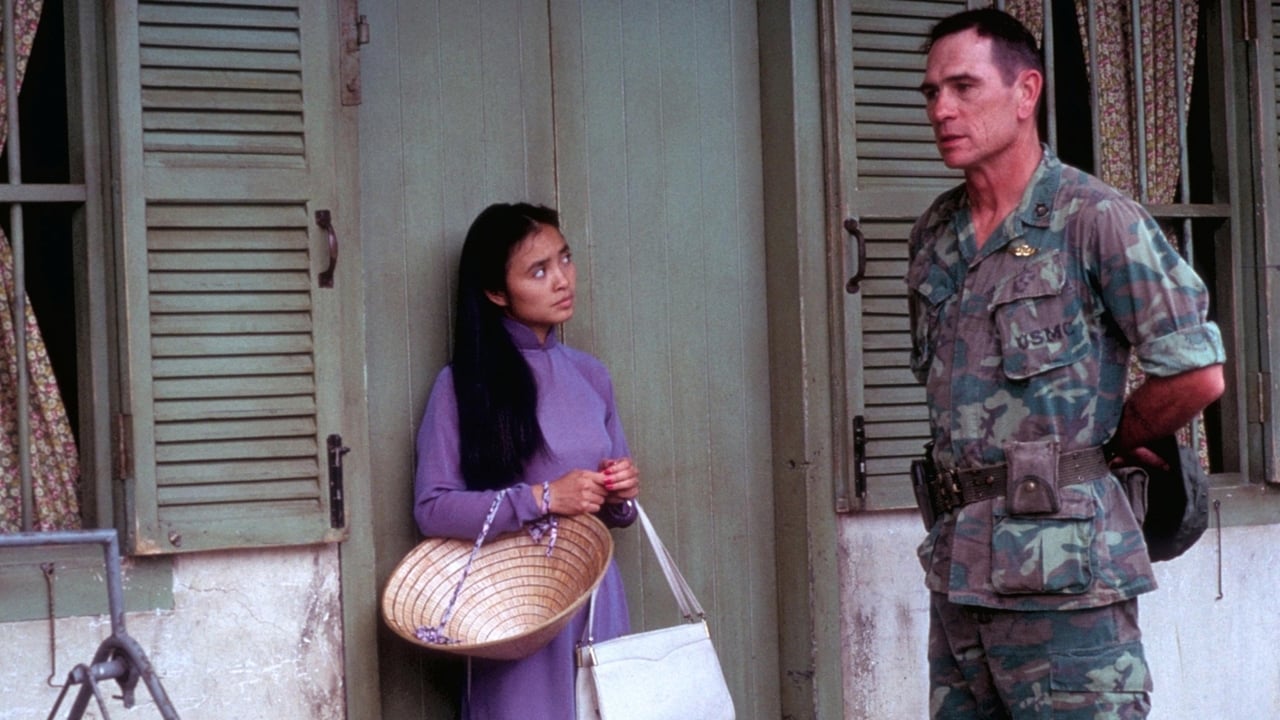
Based on Le Ly Hayslip's powerful memoirs, When Heaven and Earth Changed Places and Child of War, Woman of Peace, the film charts her journey from a peaceful village childhood shattered by war, through brutal experiences with both the Viet Cong and South Vietnamese forces, eventual marriage to a troubled American GI, and the disorienting culture shock of life in the United States. The scope is immense, covering decades and continents. What resonates most profoundly is the film's unflinching depiction of Le Ly's endurance. We witness her suffering unspeakable violence, betrayal, and loss, yet the narrative centers on her resilience, her will to simply live despite the forces tearing her world apart. It asks a fundamental question: what does survival truly cost when your homeland becomes a battlefield for others?
Finding Le Ly
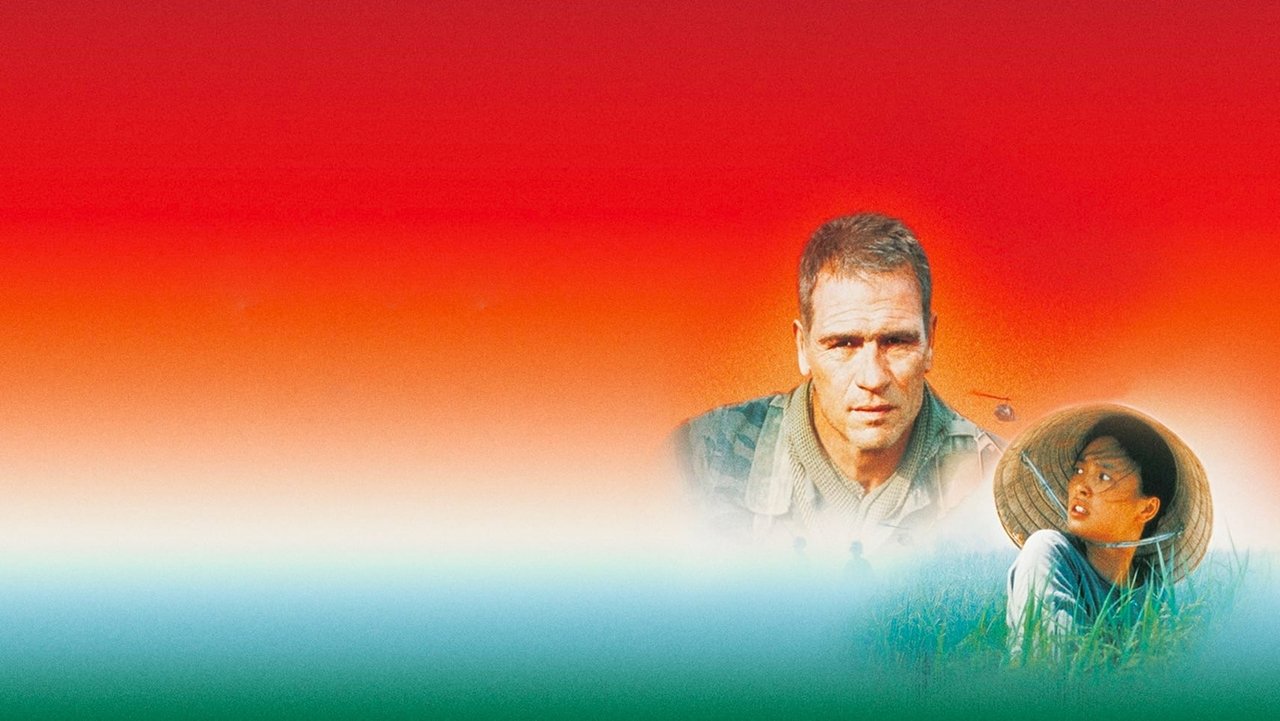
Carrying this epic rests almost entirely on the shoulders of Hiep Thi Le, a complete newcomer discovered by Stone after an extensive, reportedly massive casting search that auditioned thousands of hopefuls across multiple countries. It's an astonishing debut. Le embodies Le Ly with a quiet strength and dignity that anchors the sprawling narrative. She conveys profound trauma and vulnerability often with just a look, navigating the character's transformation from innocent village girl to wary survivor and finally, a woman grappling with a fractured identity in a foreign land. It's a performance that feels deeply authentic, capturing the essence of Hayslip's incredible story. It’s difficult to imagine the film working at all without her grounding presence. Interestingly, Hayslip herself makes a brief cameo appearance in the film as a jewel broker – a small nod to the woman whose life inspired this monumental work.
Stone's Uncompromising Canvas
Visually, Heaven & Earth is pure Oliver Stone. Working again with his frequent collaborator, cinematographer Robert Richardson (who also shot Platoon and JFK), Stone paints a vivid, often brutal, picture. The early scenes in Vietnam possess a lush, natural beauty tragically contrasted with the encroaching violence. The film is undeniably beautiful to look at, even when depicting horrific events. Filming primarily took place in Thailand, standing in for Vietnam where shooting wasn't feasible at the time, and the production design successfully evokes the different eras and locations. The score by Japanese composer Kitarō is equally noteworthy, a haunting and evocative soundscape that rightfully earned a Golden Globe.
However, Stone's characteristic intensity sometimes works against the film. Its nearly two-and-a-half-hour runtime feels punishing at times, lingering perhaps too long on certain episodes of suffering. While the intention is clearly to immerse the viewer in Le Ly's relentless ordeal, the pacing can occasionally falter, risking emotional exhaustion rather than sustained empathy.
An American Tragedy, Too
The latter part of the film shifts focus to Le Ly's relationship with US Marine Sgt. Steve Butler, played with searing, volatile energy by Tommy Lee Jones. Jones captures the deep-seated trauma and barely concealed rage of a man broken by war, unable to reconcile his experiences or connect meaningfully in peacetime. His explosive unpredictability makes their scenes together deeply uncomfortable, highlighting the devastating impact of PTSD long before it was a common household term. Their relationship embodies the painful, often insurmountable, cultural and emotional chasm created by the conflict. Supporting performances are strong, particularly Joan Chen as Le Ly's resilient mother, embodying tradition and endurance, and even Debbie Reynolds makes a somewhat surprising appearance as Steve's well-meaning but naive mother, adding another layer to the theme of cultural misunderstanding.
Echoes in the Video Store Aisle
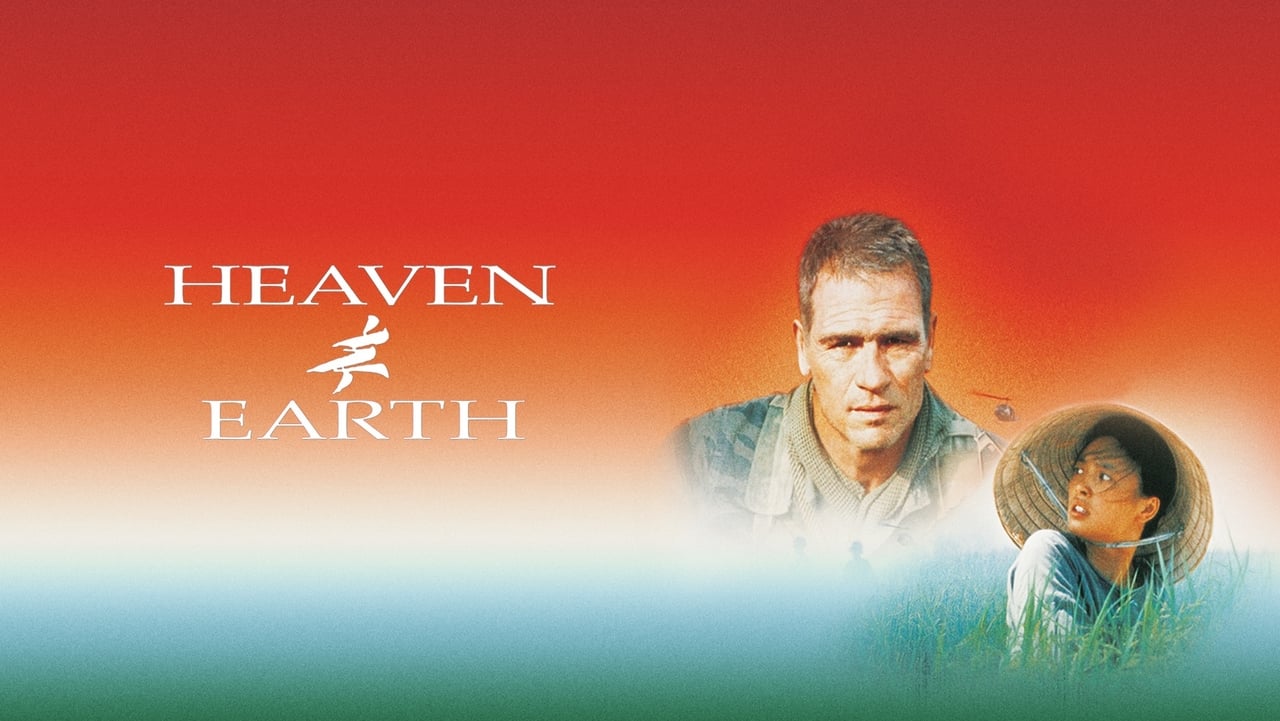
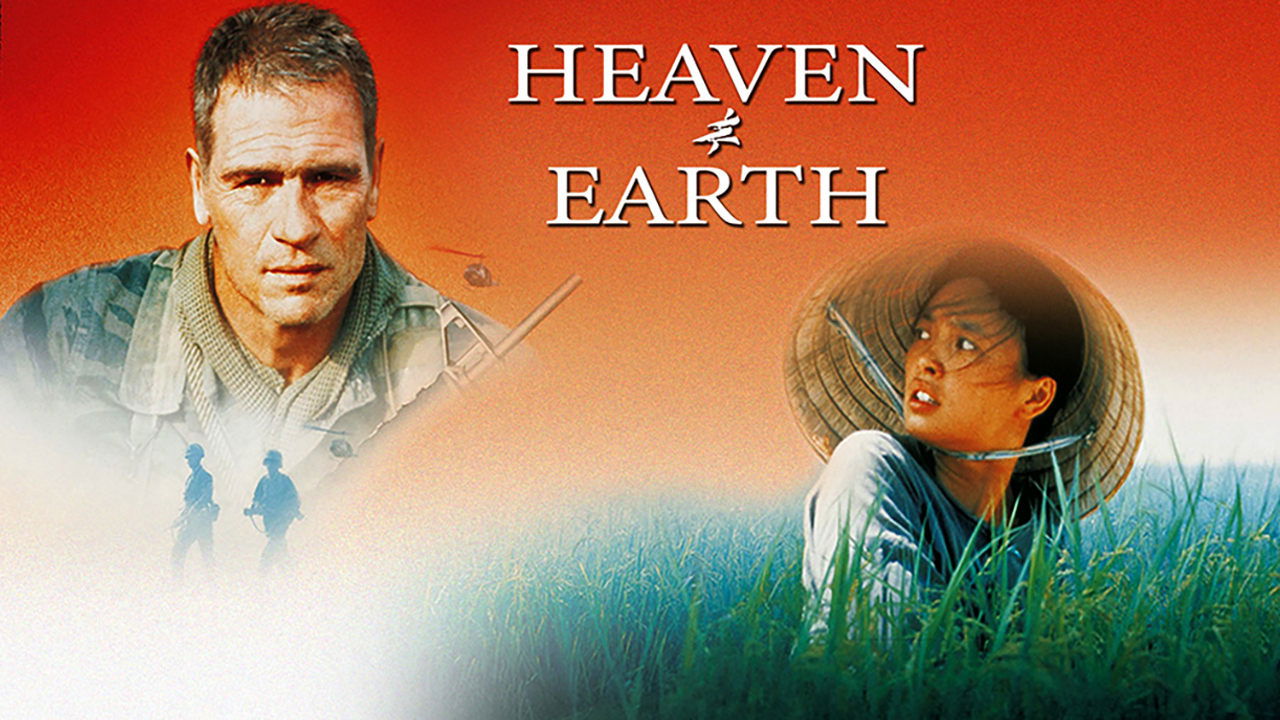
I remember seeing Heaven & Earth on the shelf at the video store, the striking cover art promising something different from the usual action fare. It wasn't a film you rented casually. It felt...important, but also daunting. And its reception reflected that. Critically, it divided opinions far more than Stone's previous Vietnam films, and commercially, it was a significant disappointment, earning only about $5.9 million against a reported $33 million budget – a stark contrast to Stone's earlier successes. Perhaps audiences in 1993 weren't fully prepared for such a challenging, female-centric perspective on the war, especially one that didn't offer easy answers or conventional heroism. It lacked the visceral action of Platoon or the focused trajectory of Born on the Fourth of July. Instead, it offered a complex, sometimes messy, portrait of survival that demanded patience and empathy. It's a film that might have found a more appreciative audience over time, discovered as a weighty, ambitious entry in the VHS catalogue rather than a blockbuster contender.
Final Reflection
Heaven & Earth is undeniably flawed. It’s long, emotionally taxing, and occasionally heavy-handed in its symbolism. Yet, its ambition and importance cannot be dismissed. It provides a vital, often overlooked perspective on the Vietnam War, anchored by a remarkable central performance from Hiep Thi Le. Stone’s commitment to telling this difficult story, completing his trilogy not with another soldier's tale but with the voice of a Vietnamese woman, is commendable. It forces us to confront the human cost of conflict beyond the battlefield, the lingering scars, and the bewildering path to finding peace when heaven and earth have irrevocably changed.
Rating: 7/10
The rating reflects the film's powerful core message, stunning lead performance, and sheer directorial ambition, acknowledging its significant perspective shift. However, it's tempered by the sometimes overwhelming length, uneven pacing, and narrative choices that can distance the viewer rather than draw them closer. It's a challenging but ultimately rewarding film that earns its place as a significant, if often difficult, piece of 90s cinema. It may not be the easiest watch from the VHS era, but it's one that lingers, asking profound questions about resilience, identity, and the true, far-reaching consequences of war long after the credits roll.