There's a particular texture to certain early 90s thrillers found lurking on the video store shelves, isn't there? That slightly slick, sometimes lurid promise of suspense, often mixed with a dose of psychological unease and maybe just a touch of the supernatural. Avi Nesher's 1993 film Doppelganger fits snugly into that mold, a movie I distinctly remember picking up from the ‘New Releases’ wall, drawn in by the familiar face of Drew Barrymore venturing into darker territory. It arrived during a fascinating, transitional period for Barrymore, post-childhood fame and pre-her celebrated 90s comeback, making it a curious entry in her filmography and a perfect slice of VHS-era intrigue.
### Shadows in the City of Angels
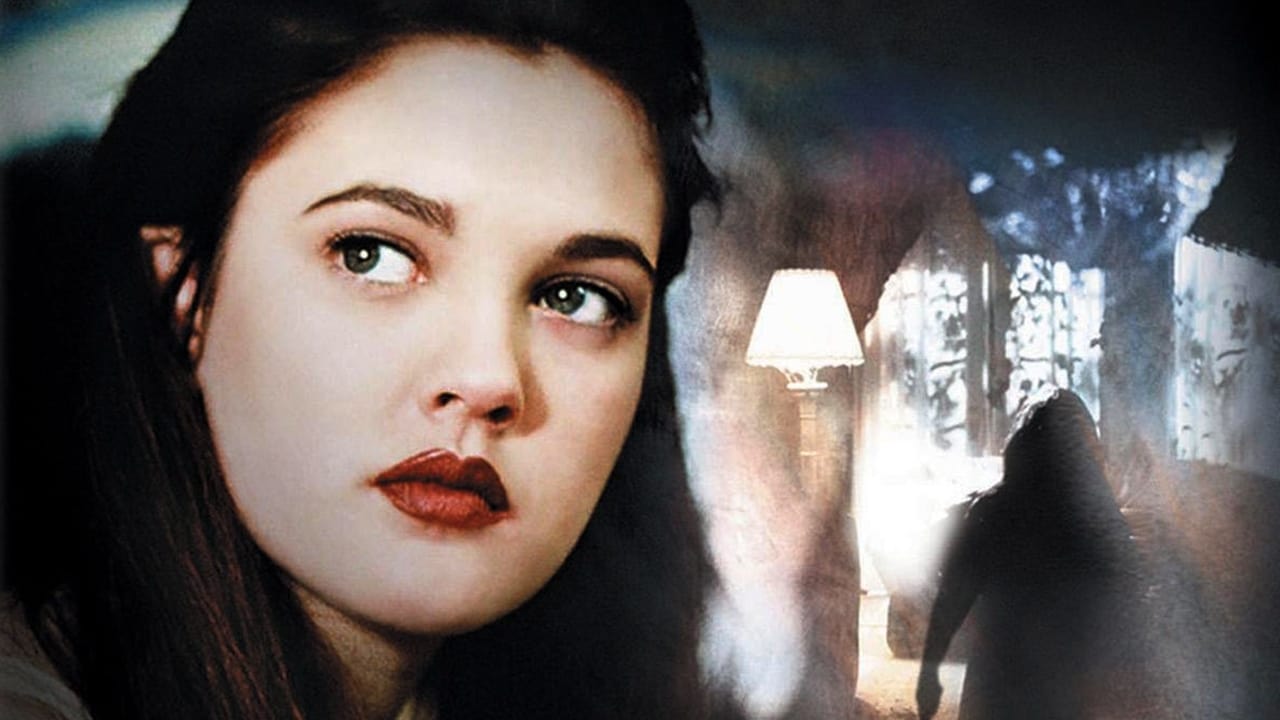
The setup pulls you right into that specific early 90s L.A. noir vibe: Holly Gooding (Barrymore) moves from New York to Los Angeles after the mysterious death of her mother, claiming an evil double is responsible and is now stalking her. Enter Patrick Highsmith (George Newbern), a struggling screenwriter looking for inspiration – and maybe a roommate. He takes Holly in, half-believing her increasingly wild stories, half-seeing potential script material. Is Holly genuinely haunted by a malevolent duplicate, suffering a psychological breakdown, or is she perhaps a master manipulator orchestrating something far more sinister? This central question fuels the narrative, weaving a web of paranoia and suspicion that feels characteristic of the era's thrillers. Nesher, who also gave us the equally peculiar sci-fi actioner Timebomb (1991), certainly knew how to establish an atmosphere thick with ambiguity.
### Barrymore's Double Act
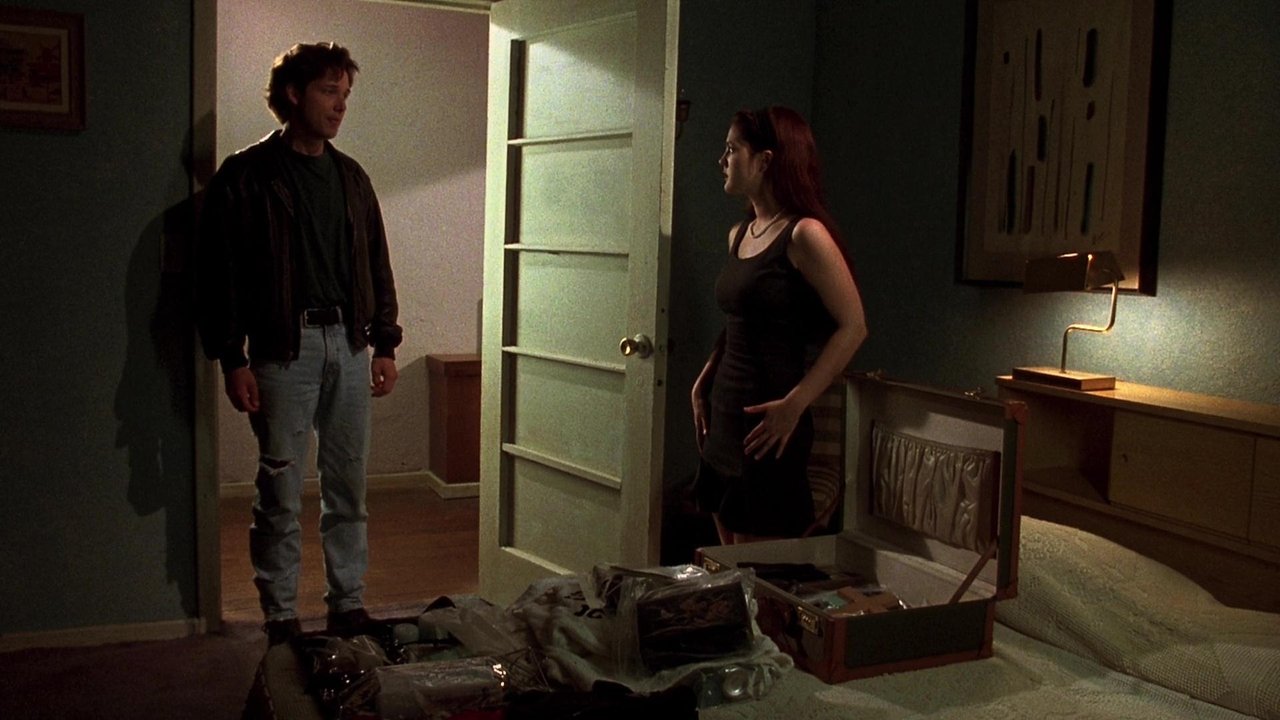
The film really hinges on Drew Barrymore's performance, and it’s a committed one. She throws herself into the dual demands of the role – portraying Holly as both a vulnerable, possibly traumatized young woman, and potentially, the vicious, uninhibited entity she claims is pursuing her. It's a demanding tightrope walk. Does she always nail the nuances? Perhaps not perfectly, but the effort is palpable. You see her pushing against the wholesome image many still associated her with, embracing a more complex, sometimes overtly sexualized and dangerous persona. Watching it now, it feels like a crucial, if sometimes uneven, step in her evolution as an actress. What truly resonates is her ability to convey genuine fear and confusion, making Holly's plight feel tangible, even when the script takes some frankly bizarre turns. George Newbern, perhaps best known then for Father of the Bride (1991), makes for a relatable, slightly bewildered anchor as Patrick, the audience surrogate trying desperately to figure out what’s real. And Dennis Christopher (Breaking Away, Fade to Black) pops up, bringing his unique brand of unsettling energy to a supporting role that adds another layer of uncertainty.
### Echoes in the Editing Room?
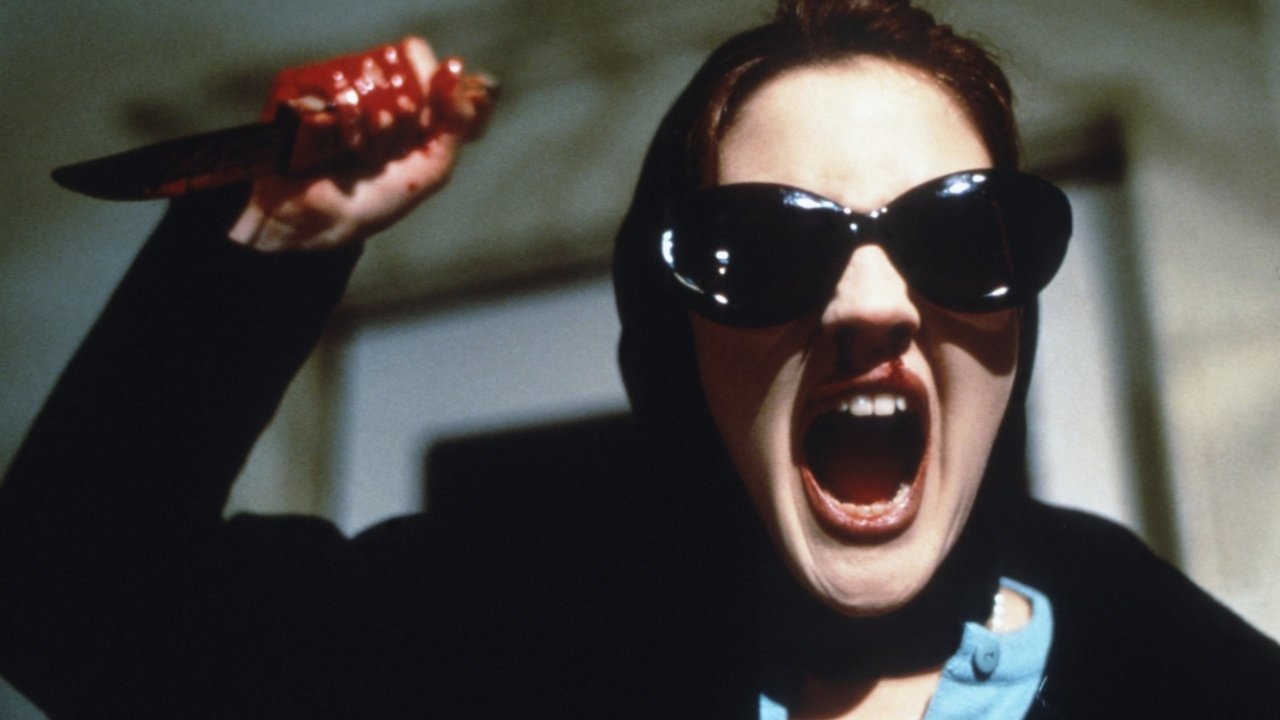
It’s hard to discuss Doppelganger without acknowledging the persistent whispers of a troubled production. Rumors abound that the film underwent significant reshoots and re-editing, possibly softening some of its stranger or darker elements to chase a more conventional erotic thriller feel, a subgenre booming at the time thanks to hits like Basic Instinct (1992). While concrete details are scarce, this behind-the-scenes context feels plausible when watching the film. There are moments where the tone shifts abruptly, or plot threads seem to dangle precariously. Was there a different, perhaps more surreal or purely psychological version initially intended? It’s the kind of "what if" that fuels late-night discussions among film fans, imagining the phantom cut that might exist only in fragments on an editing room floor somewhere. This sense of compromise, intentional or not, gives the film a peculiar, sometimes frustrating, but undeniably watchable quality. One notable aspect is how the film plays with practical effects and visual tricks to represent the doppelganger phenomenon – effective in flashes, charmingly dated in others, but always committed to the bit. It adds to that distinct VHS charm.
### A Curious Relic of Its Time
So, where does Doppelganger land after all these years? It's certainly not a lost masterpiece, nor is it pure schlock. It exists in that fascinating middle ground: a competently made thriller with a compelling central performance from Barrymore, hampered slightly by what feels like narrative inconsistency, possibly stemming from those production woes. It leans into the tropes of the early 90s psychological/erotic thriller but mixes in enough weirdness (particularly in its climax) to stand out from the pack. It doesn't quite achieve the atmospheric dread of, say, Jacob's Ladder (1990), nor the sleek confidence of Basic Instinct, but it offers its own brand of unsettling entertainment. Watching it again evokes that feeling of browsing the thriller section, looking for something a little different, a little edgy, and finding this peculiar gem staring back from its cardboard sleeve. It’s a snapshot of an actress redefining herself and a genre trying to find its footing between suspense and sensation.
Rating: 6/10
The score reflects a film that is engaging primarily due to Drew Barrymore's brave performance and its status as a fascinating early 90s artifact. While the plot can feel uneven and the resolution might leave some viewers scratching their heads, its moody atmosphere and central mystery offer enough to hold interest. It delivers on the promise of its premise, even if it sometimes stumbles along the way.
Doppelganger remains a compelling curiosity, a film that raises more questions than it perhaps definitively answers – both about its plot and its own creation. What lingers isn't necessarily the scares, but the unsettling feeling of fractured identity and the memory of Barrymore truly going for broke in a role that demanded it. Definitely worth tracking down for fans of the era's stranger cinematic offerings.