The airwaves crackle, a voice cutting through the late-night static. It’s a voice intimately familiar, yet distorted by time and trauma – Norman Bates, calling into a radio talk show about matricide. This isn’t just another sequel; Psycho IV: The Beginning (1990) feels different, doesn't it? It carries the weight of finality, the sense of a story circling back to its poisoned roots, guided by the hand that first shaped its darkness.
### The Voice from the Past
What immediately set Psycho IV apart, even back when it first flickered onto our CRT screens via a Showtime premiere, was the return of original Psycho screenwriter Joseph Stefano. After sitting out the previous two theatrical sequels (reportedly disliking their direction), Stefano came back to shepherd Norman's narrative, framing it as a confessional. Anthony Perkins, inhabiting Norman for the last time, delivers a performance layered with weariness and the ever-present potential for relapse. His Bates isn't the twitching, dangerous figure of Psycho II or III; he's outwardly settled, married, yet haunted by the specter of his past and the fear of passing on his "curse." Perkins, who by this point knew Norman perhaps better than anyone, reportedly had significant input, ensuring this felt like a fitting, if unsettling, coda. The radio show framing device, while perhaps a touch convenient, allows Norman to finally tell his version of why Mother became MOTHER.
### Unlocking Norma's Door
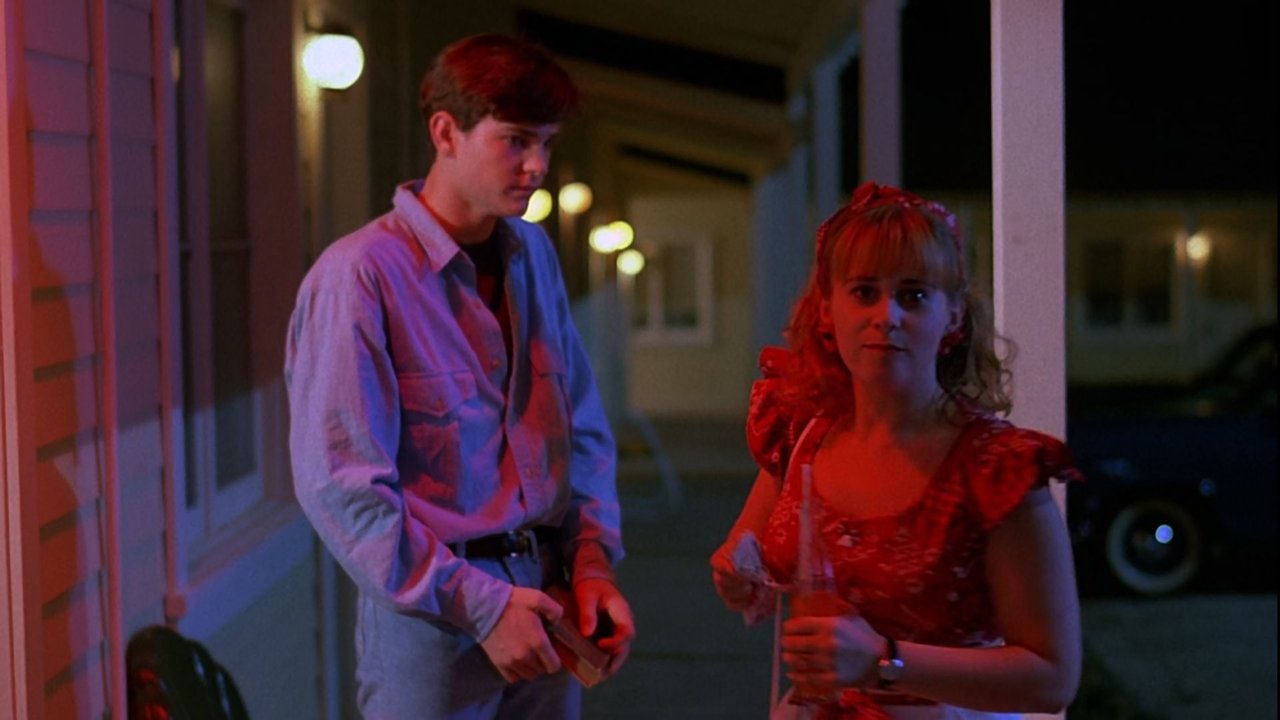
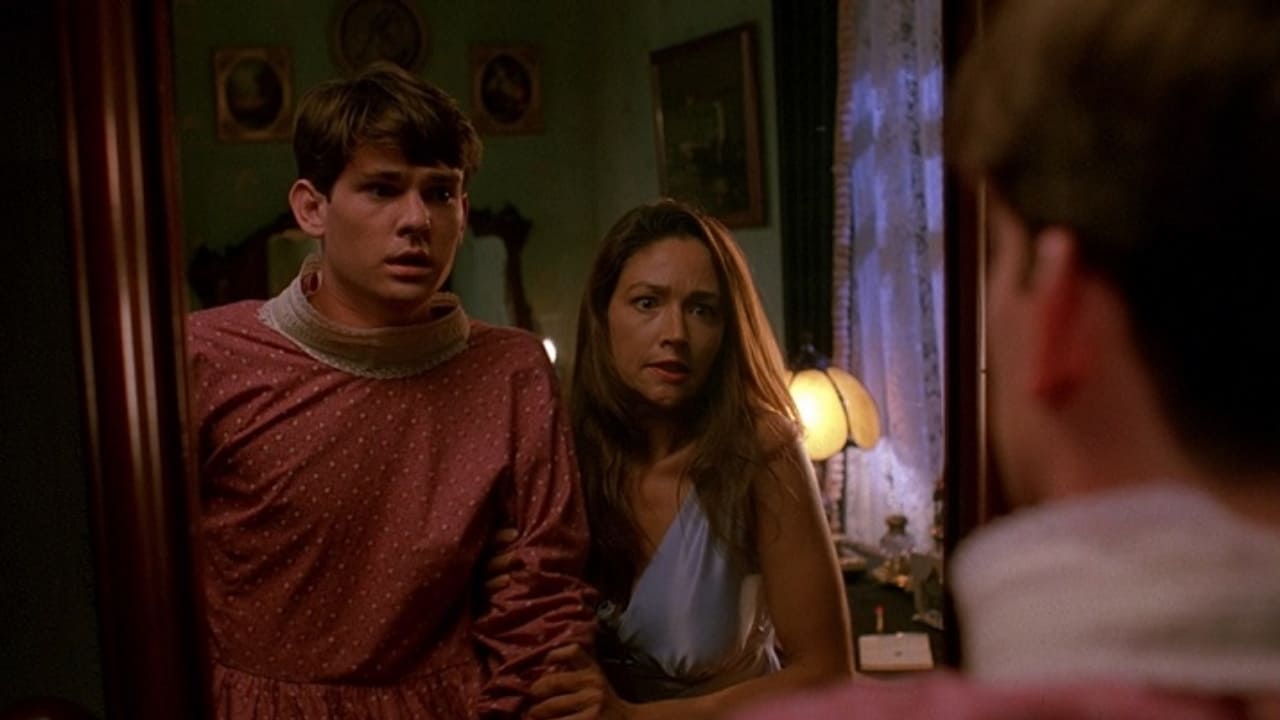
The core of Psycho IV lies in its flashbacks, peeling back the layers of Norman's youth and, crucially, giving form and voice to Norma Bates herself. Stepping into these daunting shoes is Olivia Hussey (forever Juliet to many, which makes her casting here all the more intriguing). Her Norma isn't just the shrieking harpy hinted at in Hitchcock's original; she's a complex, deeply disturbed woman – seductive, smothering, religious, and cruel, often all at once. Playing the young, impressionable Norman is Henry Thomas, still widely known as Elliott from E.T. the Extra-Terrestrial (1982). Seeing him navigate this toxic maternal relationship is genuinely unnerving. Thomas captures that fragile innocence curdling under Norma's manipulative influence, making the inevitable descent feel tragic rather than just monstrous. Their scenes together possess a disturbing intimacy, a psychological claustrophobia that director Mick Garris (a frequent Stephen King collaborator, known for films like Sleepwalkers (1992)) wisely emphasizes over explicit gore. This focus on the "why" rather than the "what" gives Psycho IV a different kind of chill – the slow-burn dread of inescapable psychological damage.
### Made for the Small Screen, Aiming High
Yes, this was a made-for-TV movie, produced for Showtime on a budget likely far removed from its theatrical predecessors. Yet, it doesn't always feel cheap. Filmed largely at Universal Studios Florida, utilizing the Bates Motel and Psycho house facade built there (a cool bit of synergy for theme park visitors of the era!), the production makes the most of its resources. Joseph Stefano clearly saw this as a chance to restore what he felt was Norman's true character arc, focusing on the psychological horror birthed from that twisted mother-son dynamic. Some sources suggest Anthony Perkins even directed certain scenes himself, uncredited, so invested was he in this final portrayal. The film aimed to provide answers, to demystify Norma, which is always a risky proposition. Did knowing the specifics of her abuse make Norman's actions understandable? No. But did it add a layer of tragic inevitability? For many, it did. The unease comes not from jump scares, but from watching the systematic dismantling of a young mind.

### Closing the Book on Bates?
Psycho IV occupies a strange, compelling place in the franchise. It attempts to be both prequel and sequel, bookending Norman's story by looking back from a point of tentative stability. It bypasses the events of II and III, acting as a direct follow-up in spirit, if not strict chronology, to the original, thanks to Stefano's involvement. While perhaps lacking the visceral shocks of the theatrical sequels or the groundbreaking artistry of the 1960 masterpiece, it offers something else: a sustained, uncomfortable character study. It delves into the dark heart of the Bates Motel mythology in a way the other follow-ups didn't dare. Does seeing Norma make her less frightening? Maybe. But Olivia Hussey’s performance ensures she remains a potent, destructive force. And witnessing Henry Thomas wrestle with burgeoning madness under her sway is genuinely unsettling television. It doesn't try to replicate Hitchcock; it tries to understand the monster Hitchcock created.
Rating: 7/10
Justification: Psycho IV earns points for the significant return of Joseph Stefano, providing narrative weight and a more psychological focus. Anthony Perkins gives a poignant final performance as Norman, and the flashback sequences featuring strong turns from Olivia Hussey and Henry Thomas are effectively disturbing. Its made-for-TV nature imposes some limitations, and demystifying Norma inevitably lessens some of the original's mystique. However, as a thoughtful exploration of the roots of Norman's madness and a character-driven epilogue, it succeeds admirably, feeling more like a true companion piece to the original than the other sequels.
Final Thought: Watching Psycho IV today feels like uncovering a slightly faded, but intensely personal, photograph from the Bates family album – unsettling, revealing, and a fittingly troubled farewell to one of cinema's most iconic figures, anchored by the man who embodied him so completely.