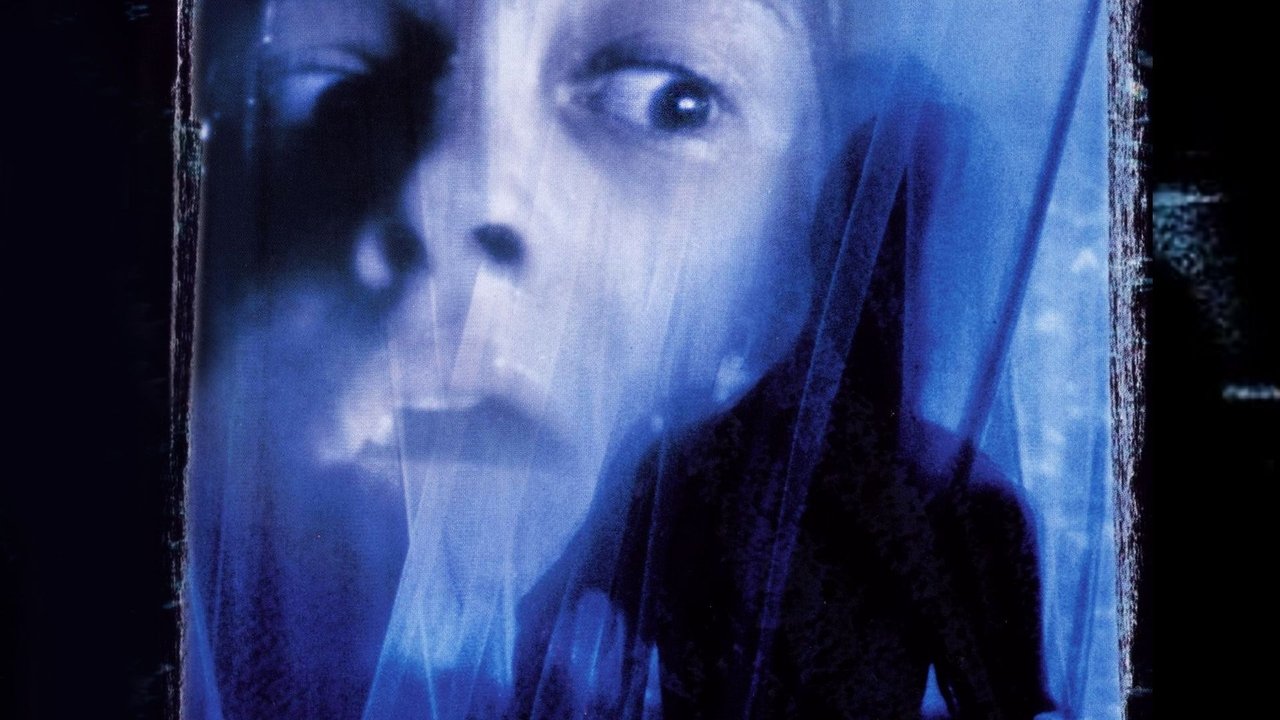
Some images lodge themselves in your memory, refusing to fade. The sight of a decapitated head, moments after the act, whispering its killer's name... that's the kind of brutal poetry Dario Argento, the maestro of Italian Giallo, brought to America with Trauma (1993). Stepping onto US soil for his first major English-language production felt like a significant event back then, didn't it? You’d spot that distinctive cover art in the video store – often featuring the striking face of his daughter, Asia Argento – and wonder if the visceral, operatic horror he perfected in films like Suspiria (1977) or Deep Red (1975) could translate across the Atlantic. The answer, like the film itself, is complex, unsettling, and strangely compelling.
### Midwest Macabre
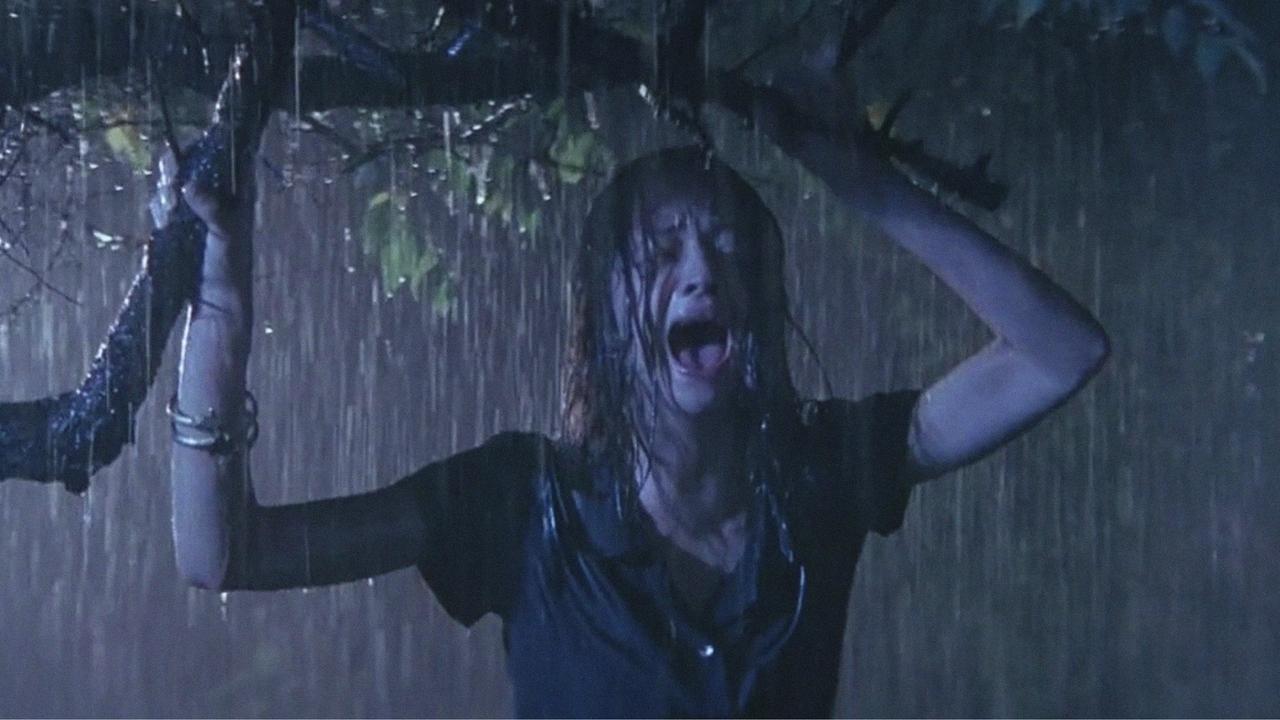
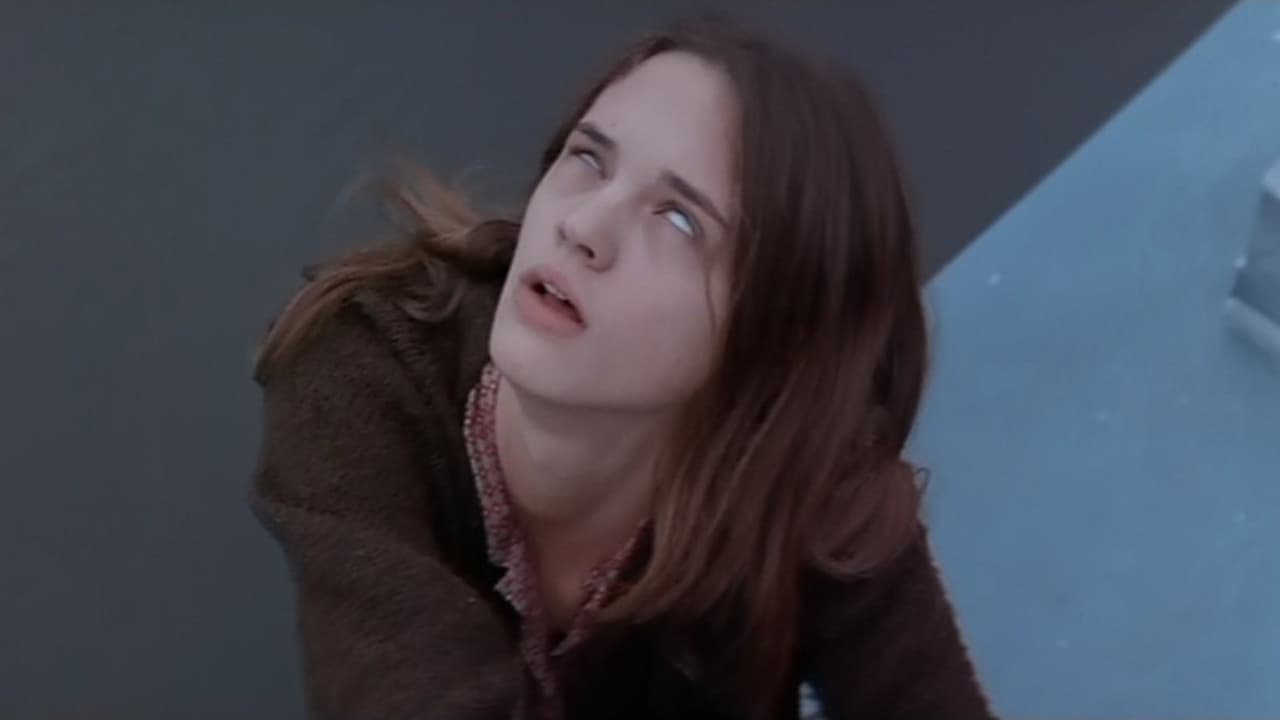
Forget the baroque architecture of Rome or the shadowy corners of Turin. Argento sets Trauma amidst the deceptively clean, rain-slicked streets of Minneapolis, Minnesota. It’s an odd choice on paper, but it lends the film a unique, almost dislocated atmosphere. This isn't the vibrant Italy of his earlier work; it's a colder, perhaps more psychologically isolated landscape, beautifully underscored by a typically lush and melancholic score from Pino Donaggio (whose haunting melodies elevated classics like Carrie and Dressed to Kill). The plot follows David (a somewhat blank Christopher Rydell), a graphic artist recovering from addiction, who saves the young Aura (Asia Argento) from a suicide attempt. Aura, suffering from anorexia and deeply troubled, soon witnesses the horrifying murder of her parents during a séance, committed by a shadowy figure wielding a disturbingly unique weapon. Drawn together by circumstance and shared vulnerability, David and Aura attempt to unravel the mystery before the killer strikes again.
### Argento Unchained, or Tethered?
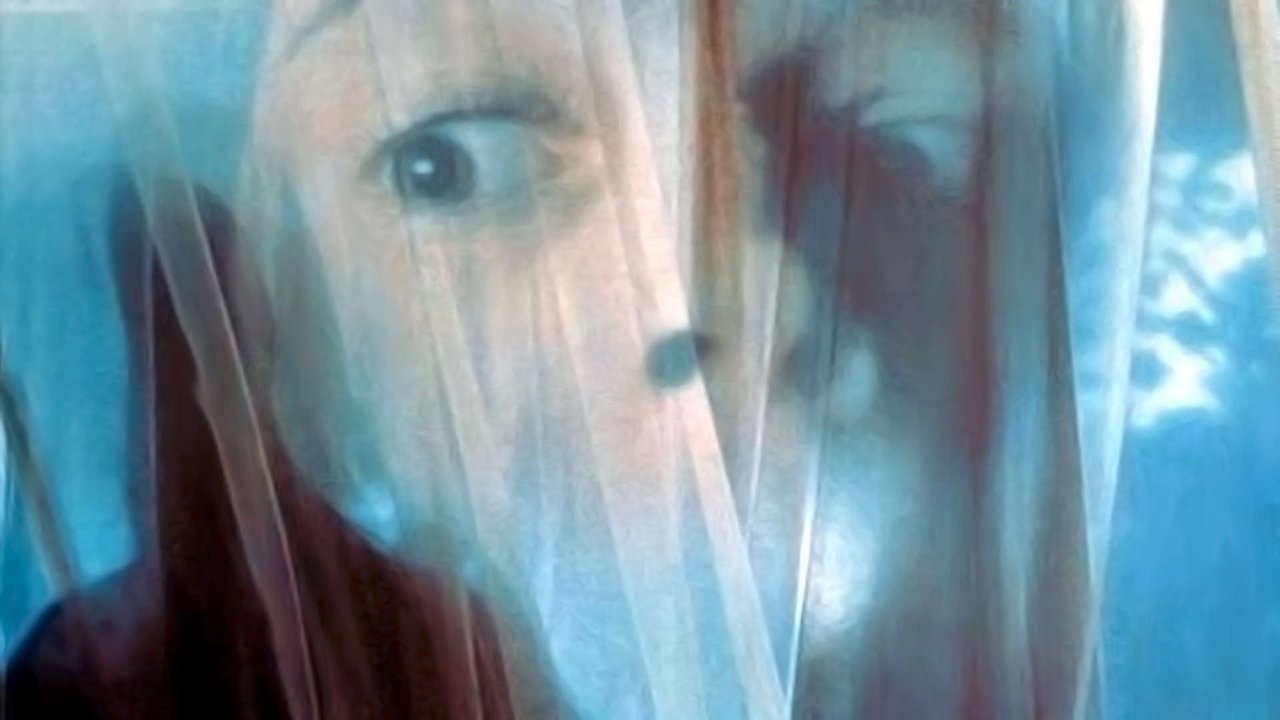
Watching Trauma on VHS back in the day, you could feel Argento wrestling with the constraints and opportunities of an American production. The tell-tale signs of Giallo are there: the black-gloved killer, the elaborate set-piece murders, the amateur sleuth investigating clues the police overlook, the mystery rooted in past psychological trauma. Yet, it feels... different. Co-written with acclaimed horror novelist T.E.D. Klein (whose The Ceremonies is a titan of the genre), the script sometimes leans more towards a conventional psychological thriller, occasionally stumbling over clunky dialogue or plotting that doesn't quite coalesce with Argento's usual dream logic. Some reports suggest Klein's initial involvement was more substantial, but the final product definitely bears Argento's visual signature, even if the narrative feels less assured than his masterpieces. It cost around $7 million to make – a hefty sum for Argento at the time – but sadly didn't recoup its investment at the box office, perhaps signaling audience confusion or a shifting horror landscape in the early 90s.
### The Headshrinker's Art
Let's be honest, a major draw for any Argento film is the inventive, often grotesque, violence. Trauma delivers on this front, particularly with its signature killer gadget: a grim, handheld device designed for swift decapitation, nicknamed the "Headshrinker". The practical effects surrounding these kills, while perhaps showing their age slightly now, felt shockingly visceral on those old CRT screens. There’s a persistent rumor, often whispered among fans, that legendary effects guru Tom Savini provided some uncredited work on the film’s gruesome beheadings – adding another layer of cult appeal. These sequences, especially the séance murders and a later chilling pursuit through a hospital, capture that authentic Argento flair for staging death as a terrifying spectacle. Doesn't that specific, clunky-yet-deadly contraption still feel unnerving?
### Faces in the Downpour
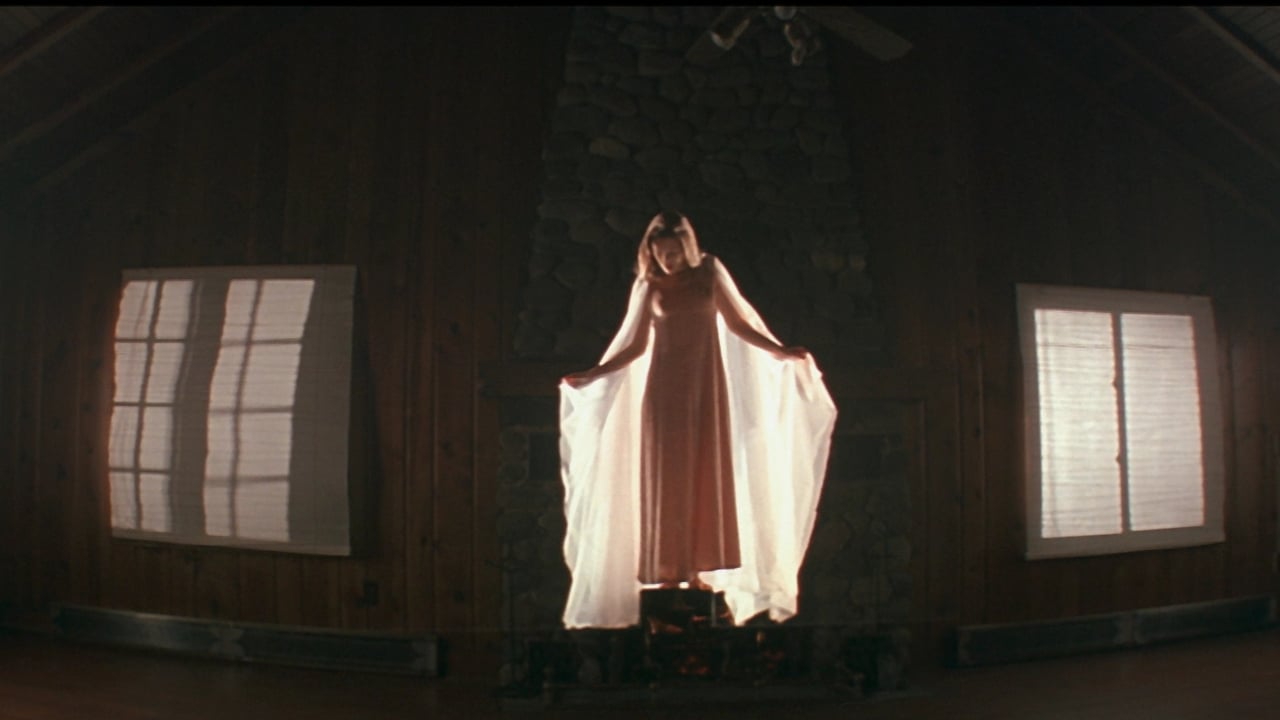
Performances are a mixed bag, characteristic of some Argento productions where visual style often takes precedence. Asia Argento, in her first major English-language role for her father, brings a raw, fragile energy to Aura. She embodies the film's title, conveying deep-seated pain and vulnerability effectively, even when the script falters. Christopher Rydell is serviceable as the male lead, playing the caring but troubled artist role adequately, though he lacks the screen presence to truly anchor the film. The real standout, however, is the legendary Piper Laurie. Bringing the same terrifying intensity she wielded in Brian De Palma's Carrie (1976), Laurie sinks her teeth into the role of Adriana, Aura's austere and manipulative medium mother. Every scene she’s in crackles with menace and a barely concealed volatility; she elevates the material significantly, reminding us why she's screen royalty. Her commitment feels total, lending genuine weight to the film's psychological underpinnings.
### Echoes in the Dark
Trauma often gets overshadowed by Argento's earlier, more influential work. It lacks the sustained surreal brilliance of Suspiria or the intricate plotting of Deep Red. Finding it on the rental shelves back then, perhaps nestled between bigger studio slashers, it felt like a slightly stranger, more arthouse offering even within the horror section. I distinctly remember renting this tape, drawn by the Argento name, and being both fascinated by its bizarre touches and slightly puzzled by its more conventional leanings. It felt like a transitional film, an experiment in blending his European sensibilities with American horror tropes. There were allegedly battles over the final cut, with Argento's preferred version differing from the US release, potentially sanding down some of the rougher, weirder edges he's known for.
Rating: 6/10
Justification: Trauma is a fascinating, flawed entry in the Argento canon. Its strengths lie in its moments of striking visual composition, Pino Donaggio's evocative score, some genuinely unsettling kill sequences utilizing memorable practical effects, and a powerhouse performance from Piper Laurie. However, it's held back by an uneven script, occasionally awkward pacing, and a central mystery that feels less compelling than Argento's best. It’s more than just a curiosity, though; it’s a vital piece for understanding Argento's mid-career shift and his attempt to navigate the American film industry.
For the dedicated Argento fan or the lover of 90s horror oddities discovered on grainy VHS, Trauma remains a compelling watch – a strange, melancholic dream filtered through the Minnesota rain, leaving a chill that lingers just beneath the surface. It may not be peak Argento, but its peculiar blend of Giallo tropes and psychological drama offers a unique, and often unsettling, experience.