Some fears are primal, etched deep into our collective subconscious. Suffocation. Darkness. The crushing weight of the earth. Buried Alive taps directly into that terrifying vulnerability, the suffocating dread of waking up six feet under. It’s a concept so potent, it barely needs embellishment, yet this 1990 made-for-TV chiller, often flickering onto screens late at night via the USA Network, manages to burrow under your skin with surprising efficiency. Remember stumbling upon this one, maybe expecting something cheesier, only to find yourself gripped by its straightforward, nasty premise?
A Premature Plot
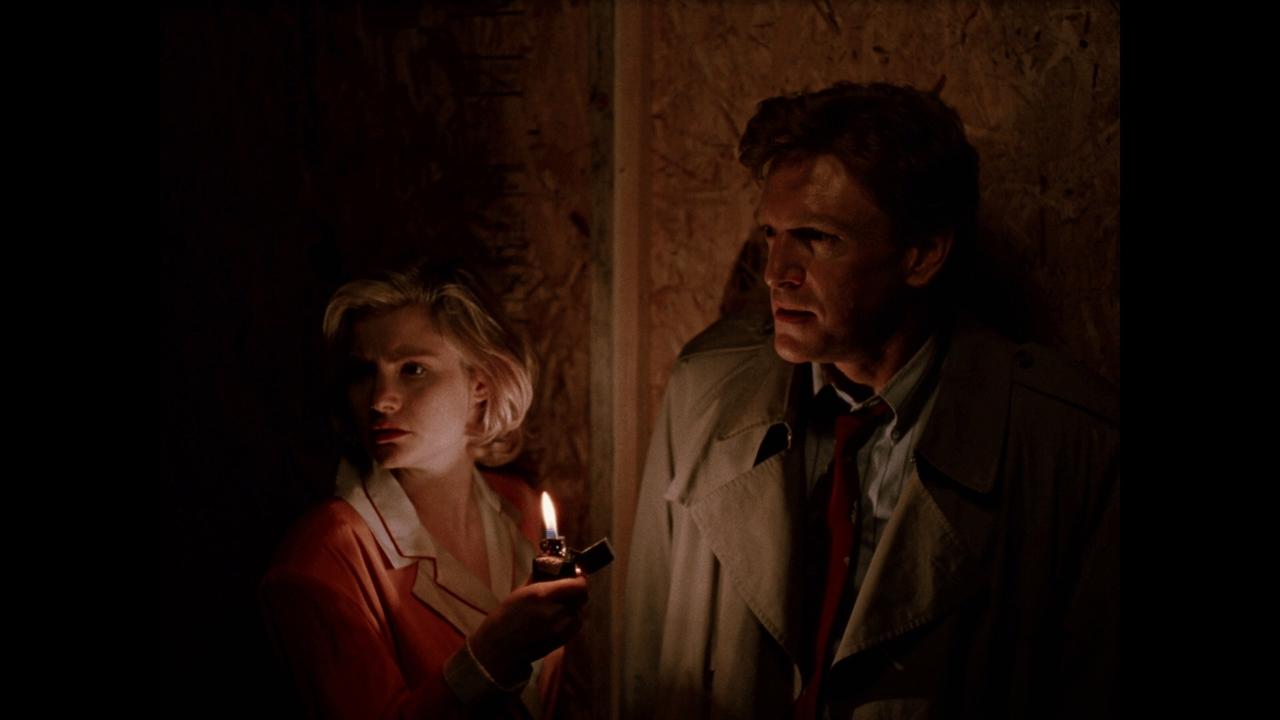
The setup is classic noir territory, filtered through a horror lens. Successful contractor Clint Goodman (Tim Matheson, showing a sturdy, likable everyman quality far from his Otter Stratton days in Animal House) loves his wife Joanna (Jennifer Jason Leigh) and his simple life building custom homes. Joanna, however, finds small-town life stifling and carries on a venomous affair with the local doctor, Cortland van Owen (William Atherton, perfectly cast, radiating the smug villainy he patented in films like Ghostbusters and Die Hard). They hatch a plan: poison Clint with a toxin derived from tropical fish, fake his death, cash in the insurance, and run off together. The twist? The poison isn't quite fatal enough. Clint awakens in his coffin, trapped, desperate, and fuelled by a righteous, terrifying fury.
Darabont Digs In
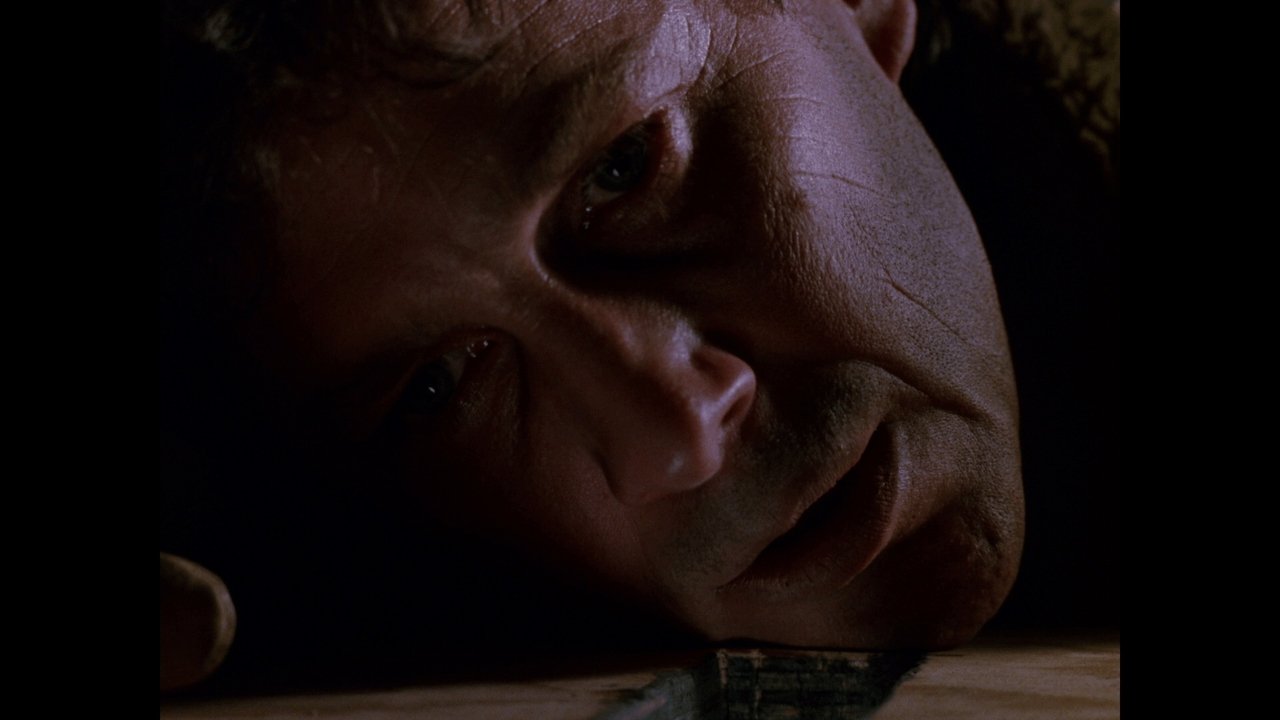
What elevates Buried Alive beyond typical TV movie fare is the name in the director’s chair: Frank Darabont. Yes, that Frank Darabont, years before he’d deliver masterpieces like The Shawshank Redemption (1994) and The Green Mile (1999). Even here, working within the constraints of a television budget and schedule, his knack for building atmosphere and tension is evident. He doesn't shy away from the claustrophobia of the burial sequence; you feel the panic, the splintering wood, the suffocating darkness. The film wisely spends time establishing Clint’s idyllic life before tearing it down, making the betrayal sting and his eventual return feel earned. It’s fascinating to see Darabont honing his craft here, finding ways to suggest dread and horror often more effectively than showing gore, a skill he'd later perfect. Reportedly, Darabont himself was quite hands-on, ensuring the burial scenes felt authentic and harrowing for Matheson, pushing for that visceral reaction.
The screenplay, co-written by Mark Patrick Carducci (who also penned the unsettling folk-horror classic Pumpkinhead), keeps things lean and mean. It doesn’t overcomplicate the revenge plot, allowing the inherent horror of the situation and the simmering rage of the protagonist to drive the narrative. There's a grim satisfaction in watching Clint, presumed dead, silently prepare his elaborate payback.
Made-for-TV Terror, Elevated
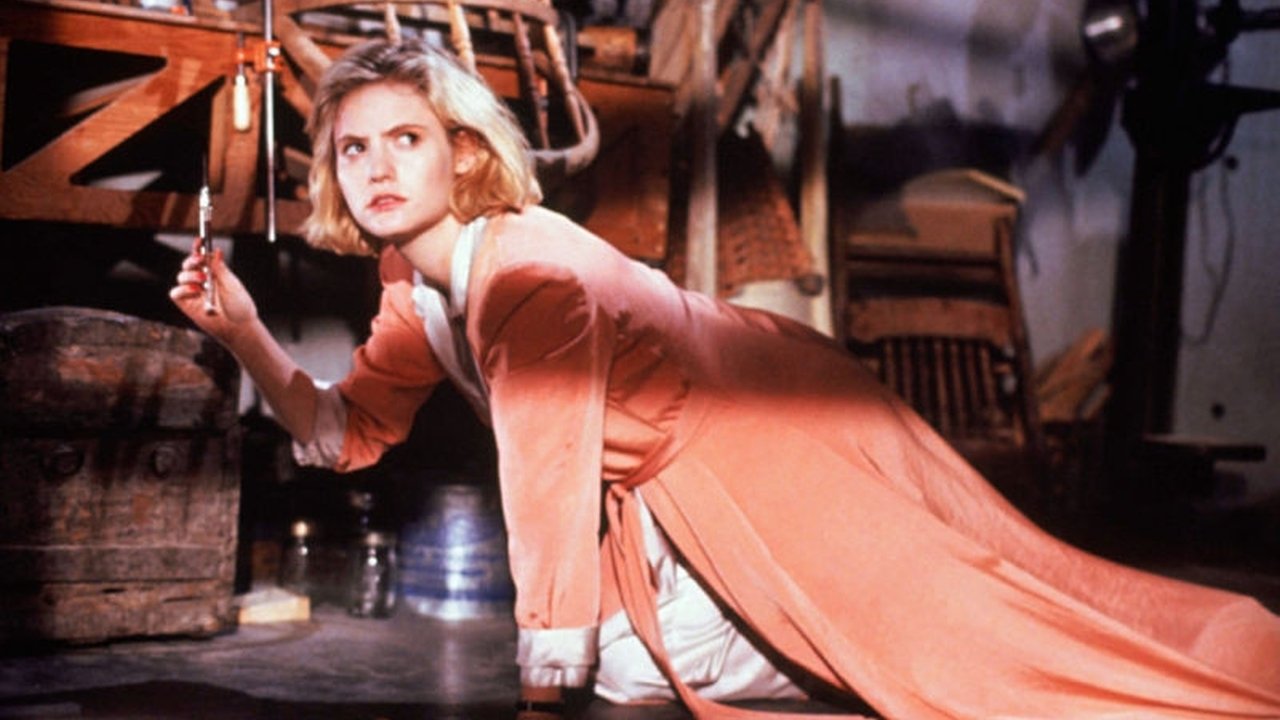
Let's be honest, it still carries some hallmarks of its television origins. The pacing can occasionally feel dictated by commercial breaks, and some moments might land with less subtlety than a theatrical release. Yet, the core performances hold strong. Jennifer Jason Leigh, already known for intense roles, expertly portrays Joanna's transition from bored housewife to calculating adulteress, though perhaps without the full depth she'd bring to later roles. Atherton is reliably despicable – you practically hiss every time he appears on screen. But it’s Matheson who anchors the film. His descent from trusting husband to mud-caked, vengeful phantom is genuinely compelling. You root for him, not just to survive, but to unleash hell.
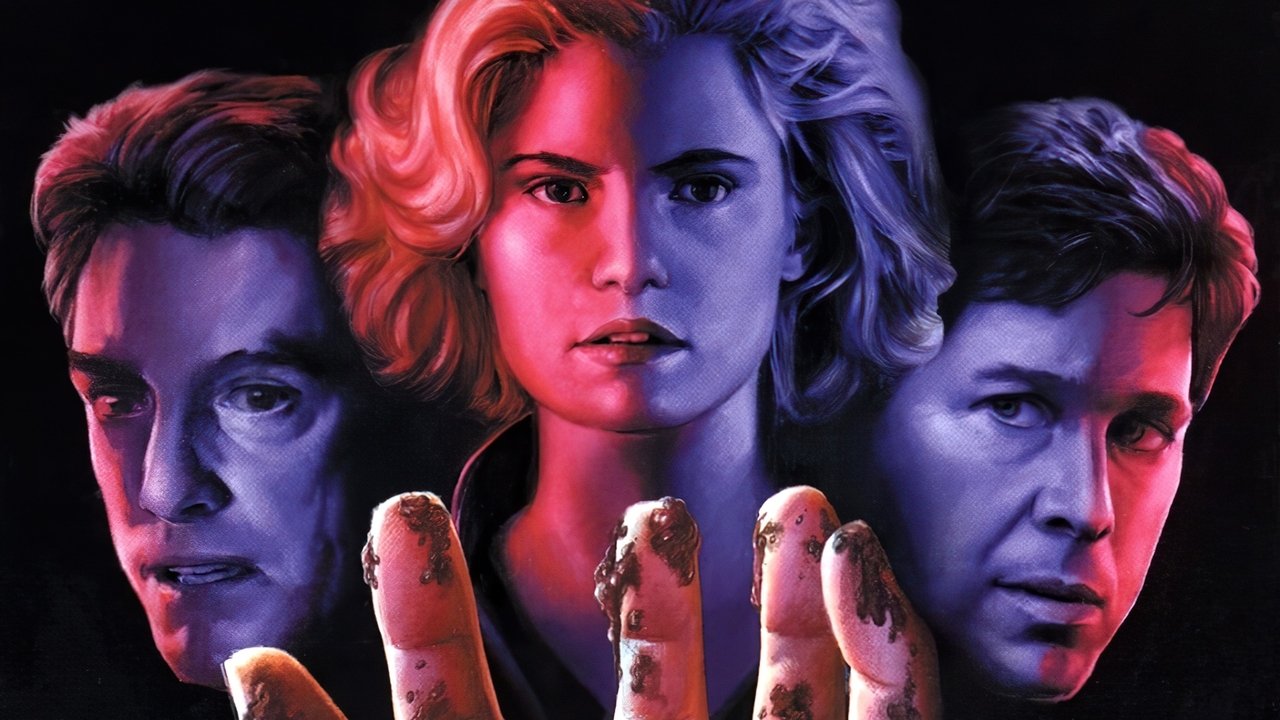
The practical effects, particularly the burial and escape, hold up remarkably well for their time and budget. There’s a grimy tangibility to Clint’s ordeal that CGI often lacks. Remember seeing that hand burst through the soil? Even now, it possesses a raw, chilling power. The score, too, effectively underscores the mounting tension and eventual ghostly retribution, adding another layer to the film's surprisingly potent atmosphere. Filmed largely around Placerville, California, the small-town setting adds to the feeling of inescapable domestic horror – the evil isn't out there, it's right next door, sleeping in your bed.
Unearthed Legacy
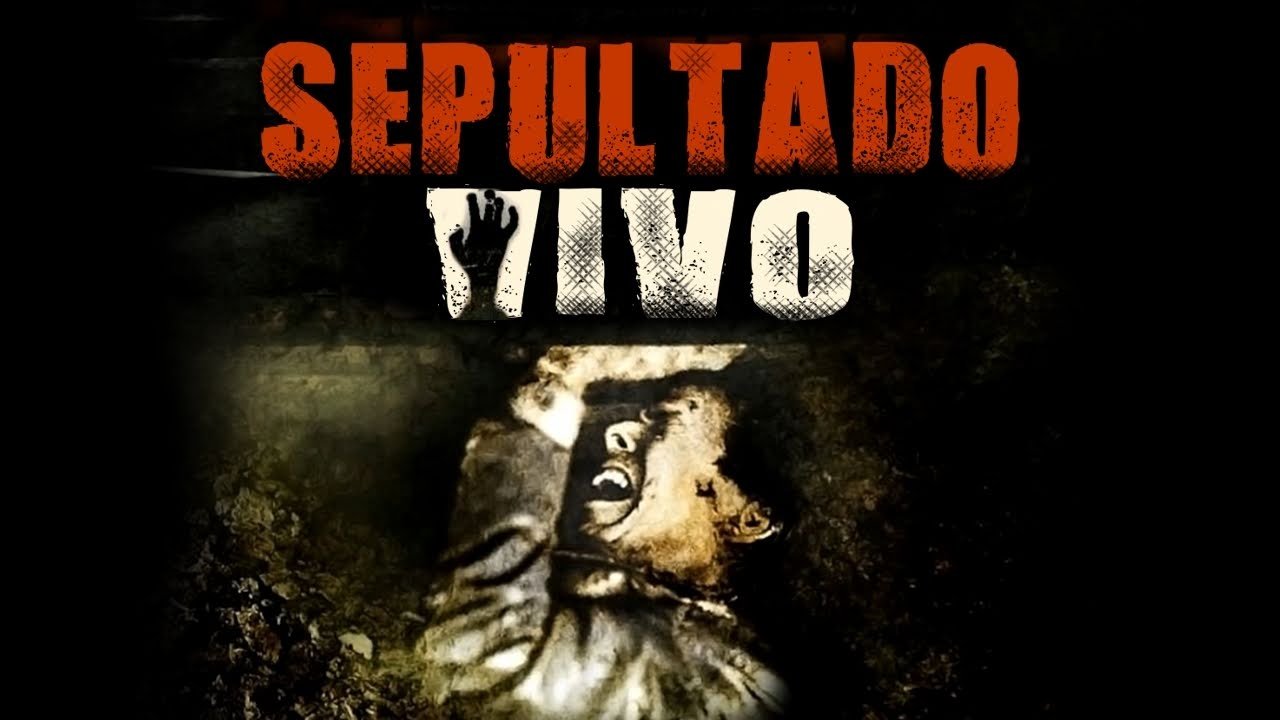
Buried Alive isn't high art, perhaps, but it's a remarkably effective slice of small-screen horror that punches well above its weight. It resonated with audiences back in the day, becoming a staple on cable and a popular video rental – I certainly remember the stark cover art leaping out from the shelf at my local video store. It remains a testament to Frank Darabont's burgeoning talent and a prime example of how a simple, terrifying concept, executed with conviction, can linger long after the credits roll. It even spawned a lesser-known sequel, Buried Alive II (1997), though it lacked the original's tightly-wound tension and Darabont's touch. Doesn't the sheer, visceral horror of Clint's predicament still feel unnerving?
***
VHS Heaven Rating: 7/10
Justification: While bearing some TV movie limitations in pacing and occasional melodrama, Buried Alive delivers potent suspense and genuine chills thanks to its killer premise, strong central performances (especially Matheson and Atherton), and the surprisingly taut direction from a pre-fame Frank Darabont. It effectively utilizes its core concept for maximum dread, making it a standout genre entry from the era and a fascinating glimpse into a master filmmaker's early work.
Final Thought: More than just a footnote in Darabont's career, Buried Alive remains a tightly crafted, grimly satisfying revenge thriller that proves sometimes the most terrifying prisons aren't made of bars, but of pine boxes and packed earth.