Some films don't just flicker on the screen; they seep into the room like a toxic mist, leaving a residue of unease that clings long after the credits roll. Kiyoshi Kurosawa's 1997 masterpiece, Cure (キュア, Kyua), is precisely that kind of cinematic contaminant. Forget jump scares and overt gore; this is psychological horror refined to a razor's edge, a slow-burn descent into a waking nightmare where the monster isn't under the bed, but potentially dormant within anyone. Watching it back then, perhaps on a slightly fuzzy nth-generation tape acquired from a discerning collector or a specialty store shelf, felt like uncovering a forbidden text – something profoundly disturbing yet utterly magnetic.
### The Creeping Infection
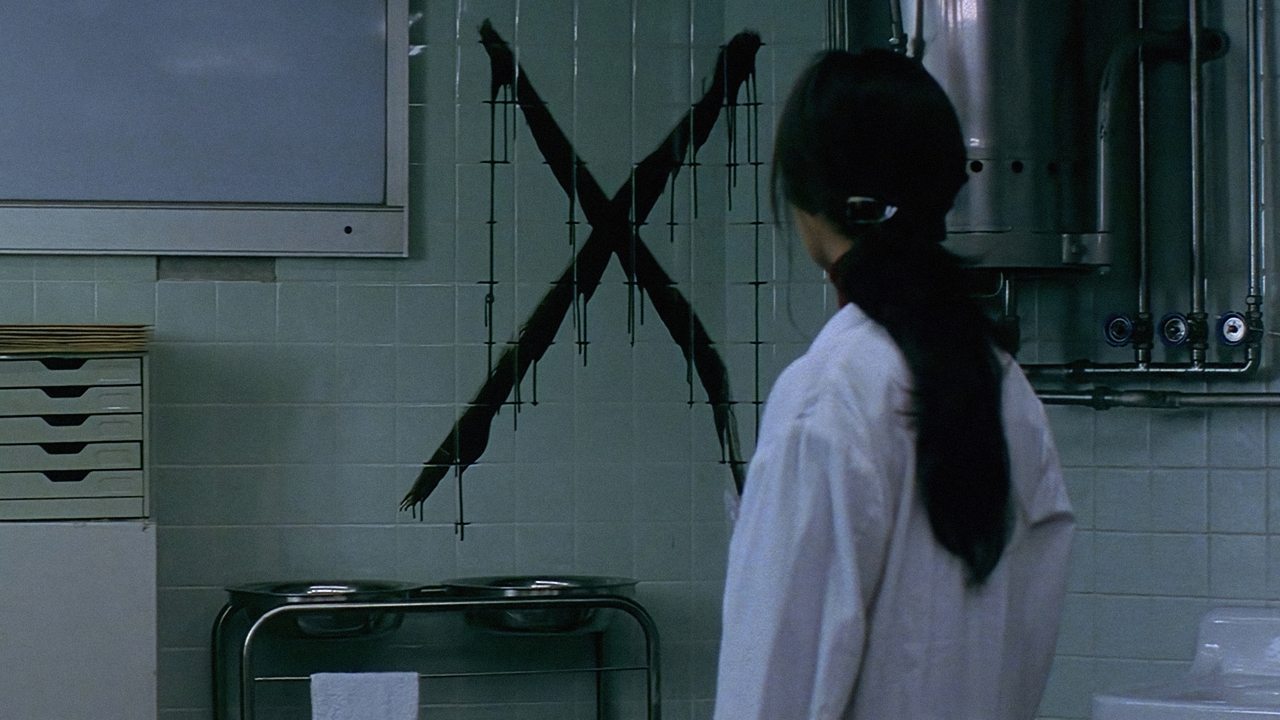
The premise itself is chillingly simple yet deeply unsettling. A series of inexplicable murders plague Tokyo. Each victim bears a gruesome 'X' carved into their neck, yet each perpetrator is different, caught near the scene, often confused and admitting guilt but lacking any discernible motive or memory of why they committed the act. Enter Detective Takabe (Kōji Yakusho, in a career-defining role that cemented his status after films like Shall We Dance?), a weary, increasingly frayed investigator burdened by his own domestic troubles – specifically, caring for his mentally unstable wife. His path inevitably crosses with Kunio Mamiya (Masato Hagiwara), an enigmatic young man suffering from severe amnesia, yet possessing an uncanny ability to subtly influence those he encounters. He doesn't command; he merely nudges, using hypnotic suggestion and probing questions to unlock the latent darkness lurking beneath the surface of ordinary people. Doesn't that core concept – the idea that the capacity for horrific violence resides just below our conscious control, waiting for the right trigger – still feel profoundly unnerving today?
### An Atmosphere Thick with Decay
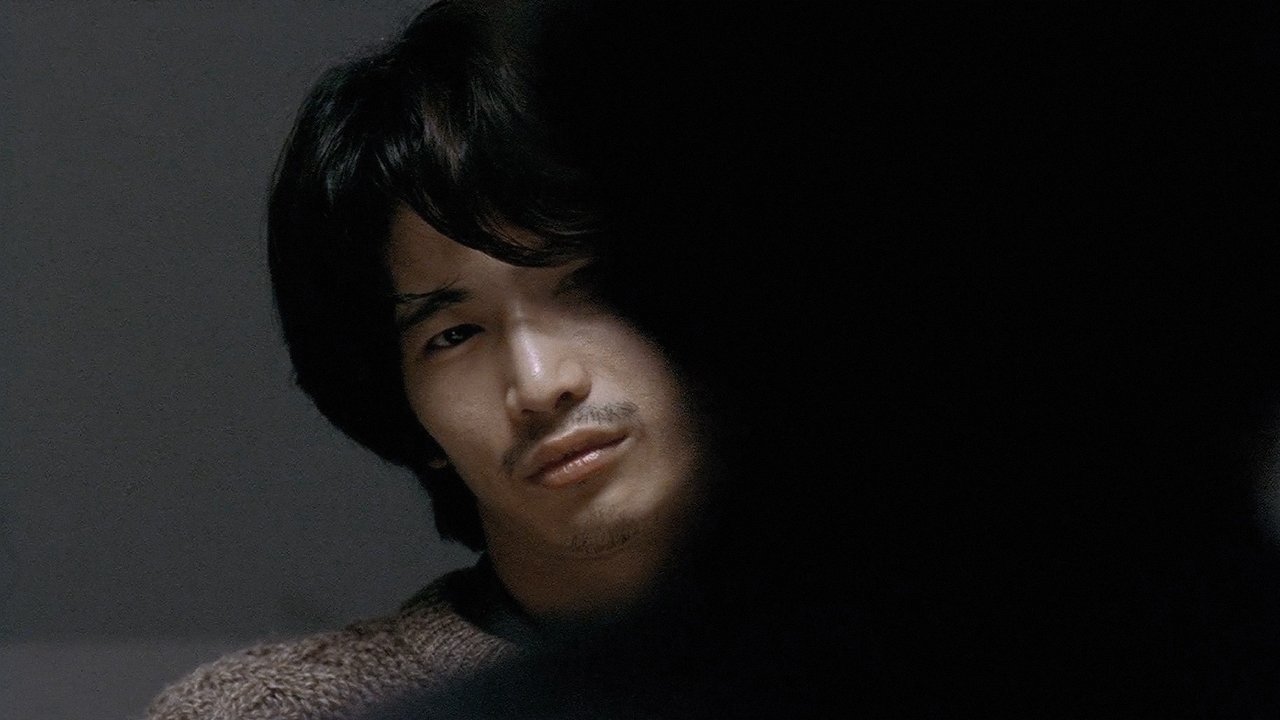
What elevates Cure beyond a mere procedural is Kurosawa's masterful direction. Forget frantic editing; here, the horror builds through unnerving stillness, long takes that force you to scan the frame for unseen threats, and a pervasive sense of urban decay. The film is shot with a muted palette, often lingering in drab, neglected spaces – peeling paint, water-stained walls, desolate industrial landscapes. These aren't just backdrops; they're visual representations of the psychological rot spreading through the characters and society itself. Kurosawa, known for his distinct visual language that often feels like a chilling blend of Edward Hopper's loneliness and David Lynch's surreal dread, meticulously crafts a world where normalcy feels thin and brittle.
The sound design is equally crucial. Often, silence dominates, broken only by ambient noise – the hum of fluorescent lights, distant traffic, the unnerving drip of water. It creates a tension that’s almost unbearable, making the eventual moments of violence feel shocking despite their relative lack of graphic detail. It’s a testament to the power of suggestion, mirroring Mamiya’s own insidious methods. Rumor has it that Kurosawa was fascinated by the concept of mesmerism and spent considerable time researching historical accounts of hypnosis, wanting the film's central mechanic to feel plausible, rooted in psychological manipulation rather than supernatural forces.
### The Interrogation Room and the Abyss
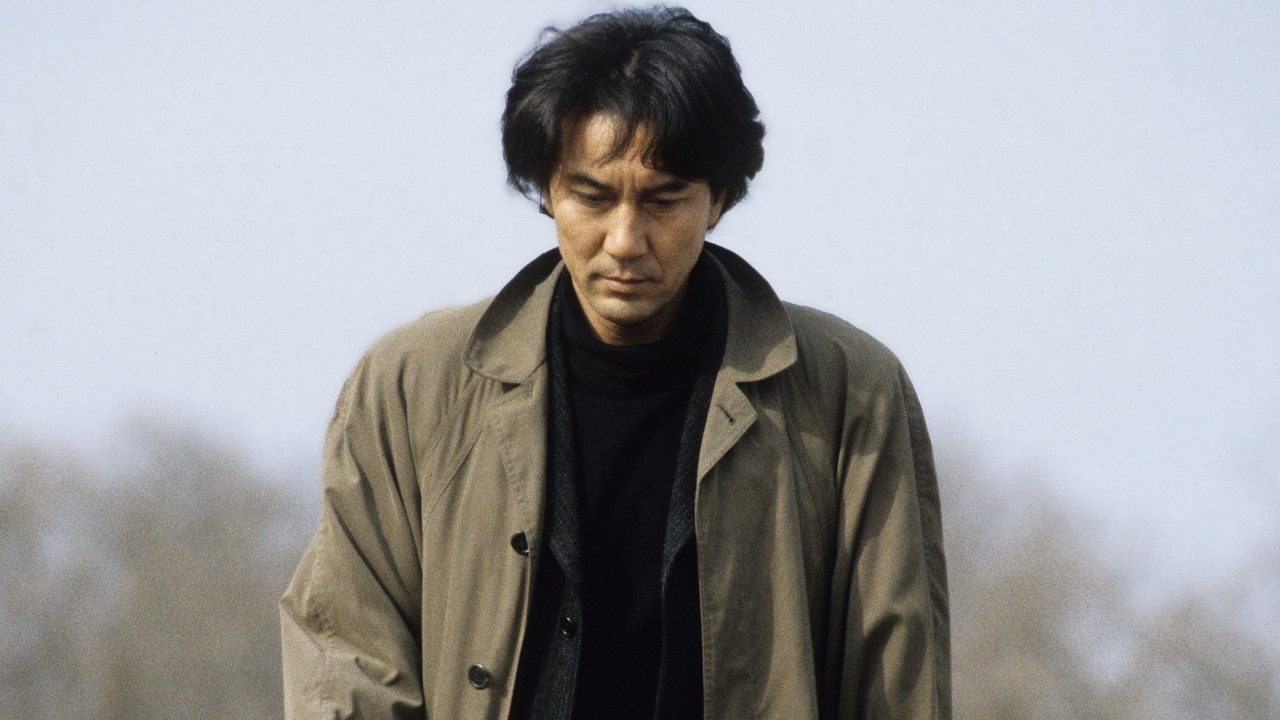
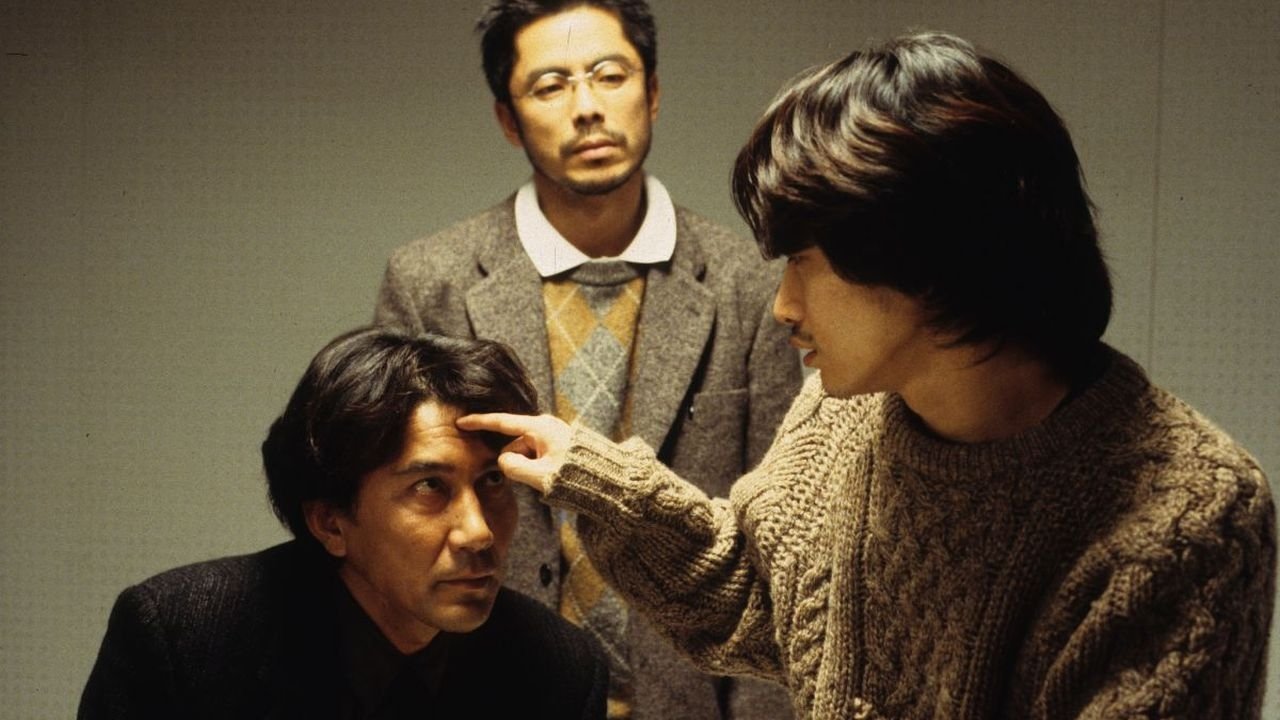
The heart of the film lies in the intense psychological sparring matches between Takabe and Mamiya. Yakusho portrays Takabe's gradual unraveling with haunting authenticity. He's not a crusading hero but a tired man pushed to his absolute limit, his professional investigation becoming increasingly intertwined with his personal demons. You see the toll reflected in his slumped shoulders, his weary eyes, the growing cracks in his composure.
Opposite him, Masato Hagiwara delivers a truly iconic performance as Mamiya. His detached curiosity, his seemingly innocent questions that burrow under the skin, his complete lack of conventional malice – it's terrifying. He’s less a person and more a void, reflecting back the darkness of those he meets. The interrogation scenes are masterpieces of sustained tension, largely devoid of action but crackling with psychological warfare. Apparently, Hagiwara deliberately played Mamiya with a slightly off-kilter rhythm in his speech and movements, adding to the character's unsettling, almost alien quality. It’s a performance that gets under your skin and stays there.
### A Legacy of Unease
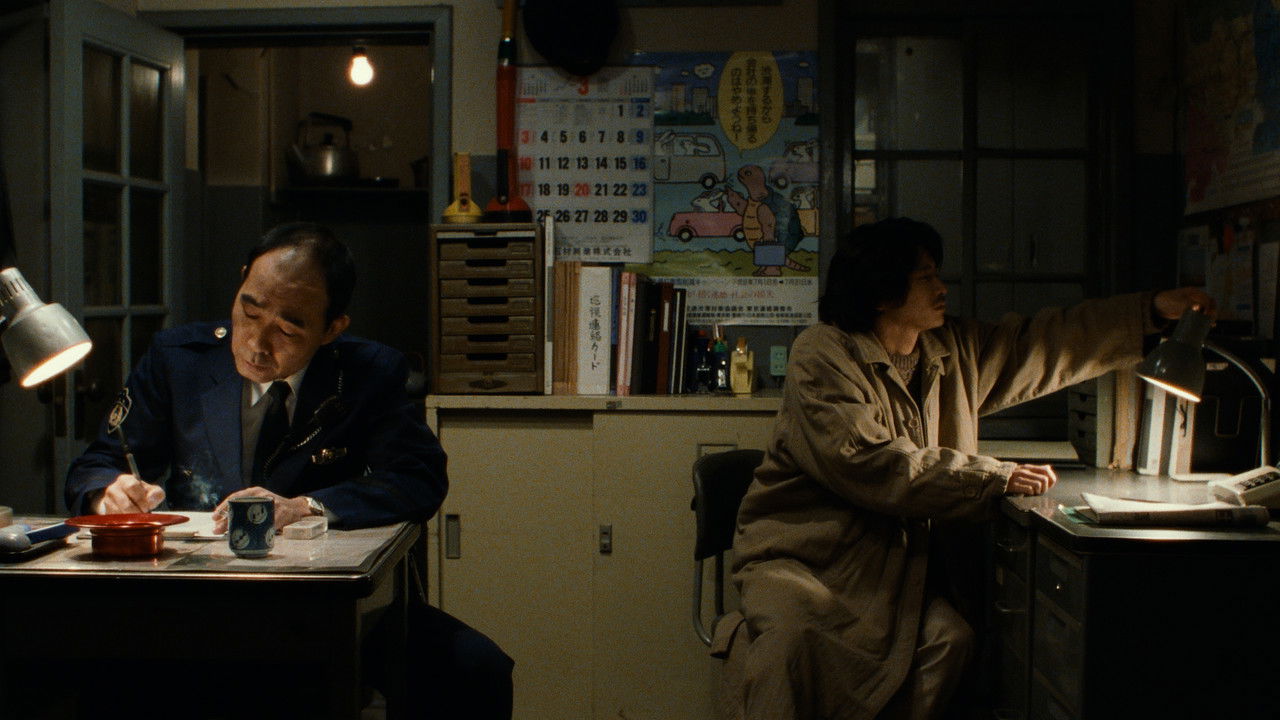
Cure arrived alongside a wave of influential Japanese horror in the late 90s, including Ringu (1998) and Audition (1999), but it stands apart. While others leaned more heavily on ghosts or extreme gore, Kurosawa's film offered something quieter, more existential, and arguably more frightening in its implications about human nature. It wasn’t a massive blockbuster (precise budget/box office figures are elusive, typical for independent Japanese cinema of the era, but its impact far exceeded its commercial footprint), but its critical acclaim and slow-burn cult status cemented Kurosawa as a major international voice. Its influence can be felt in numerous psychological thrillers that followed, valuing atmosphere and insidious dread over cheap shocks. Finding this on VHS felt like discovering a secret – a film that didn't scream its horror but whispered it, making it all the more potent.
Rating: 9.5/10
This near-perfect score reflects Cure's masterful control of tone, its chilling performances, Kurosawa's distinctive and unsettling directorial vision, and its profound psychological depth. The deliberate pacing might test some viewers accustomed to faster thrillers, but for those willing to submit to its hypnotic pull, the rewards are immense. It's a film that doesn't just scare you; it profoundly disturbs you, questioning the very foundations of identity and sanity. Decades later, the chill emanating from that unassuming tape feels just as potent, a stark reminder that the most terrifying monsters are often the ones quietly residing within us all.