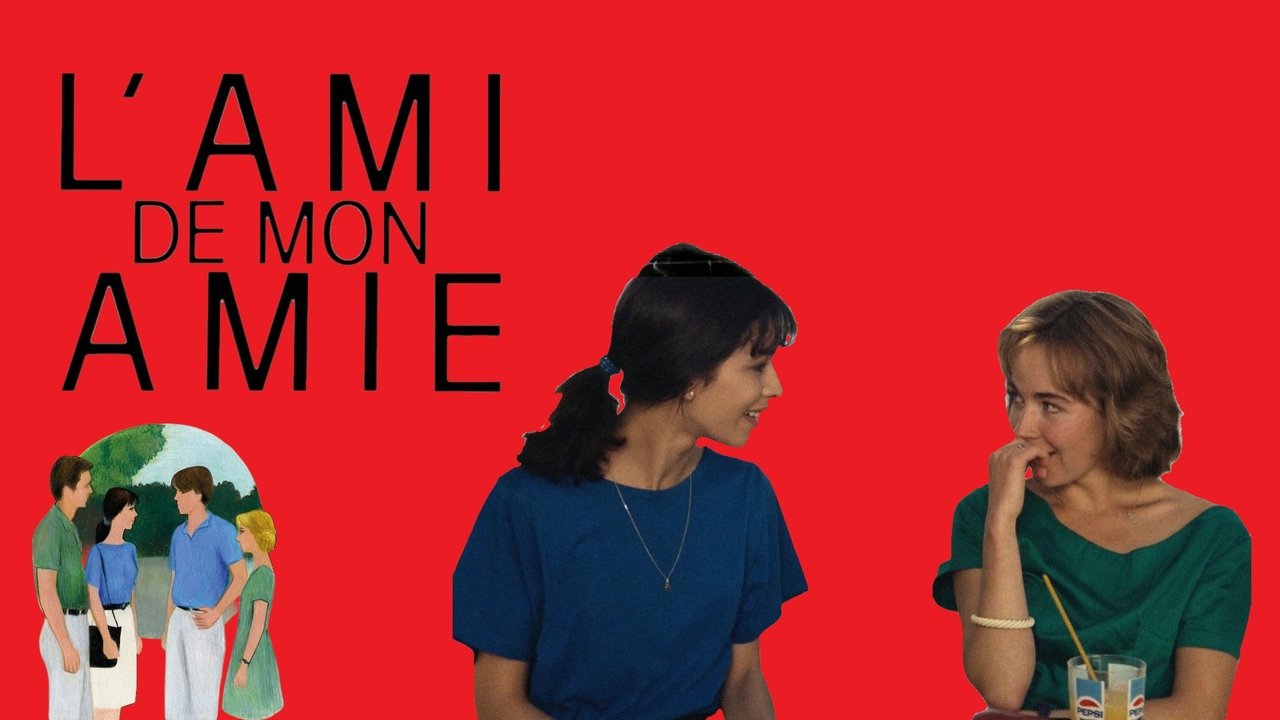
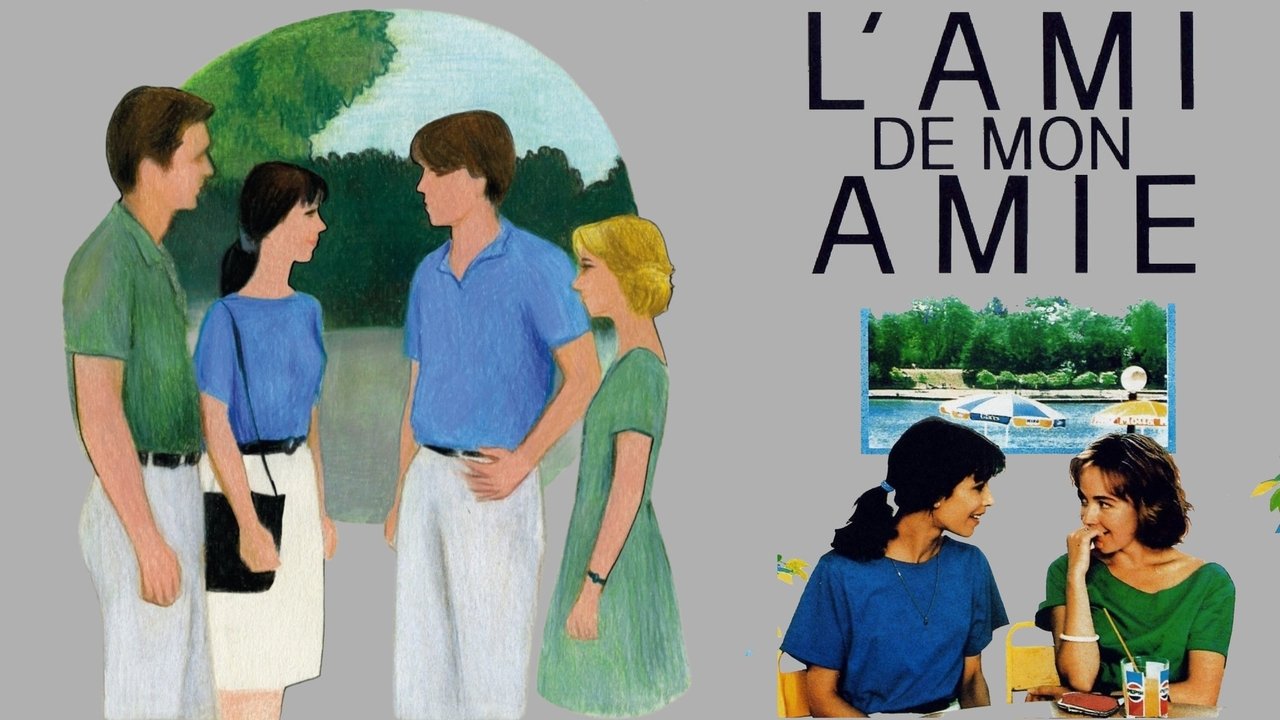
There's a certain kind of quiet discovery that used to happen shuffling through the video store shelves, past the explosions and neon titles. Sometimes, nestled in the 'Foreign' or 'Drama' section, you'd find a cover that promised something different – perhaps a contemplative slice of life, characters grappling not with aliens or terrorists, but with the intricate, often baffling, mechanics of their own hearts. Éric Rohmer's Boyfriends and Girlfriends (1987), originally titled L'Ami de mon amie, was exactly that kind of find, a film that trades melodrama for the meticulous observation of human connection, captured with a deceptively simple elegance.
### The Geometry of Desire in Cergy-Pontoise
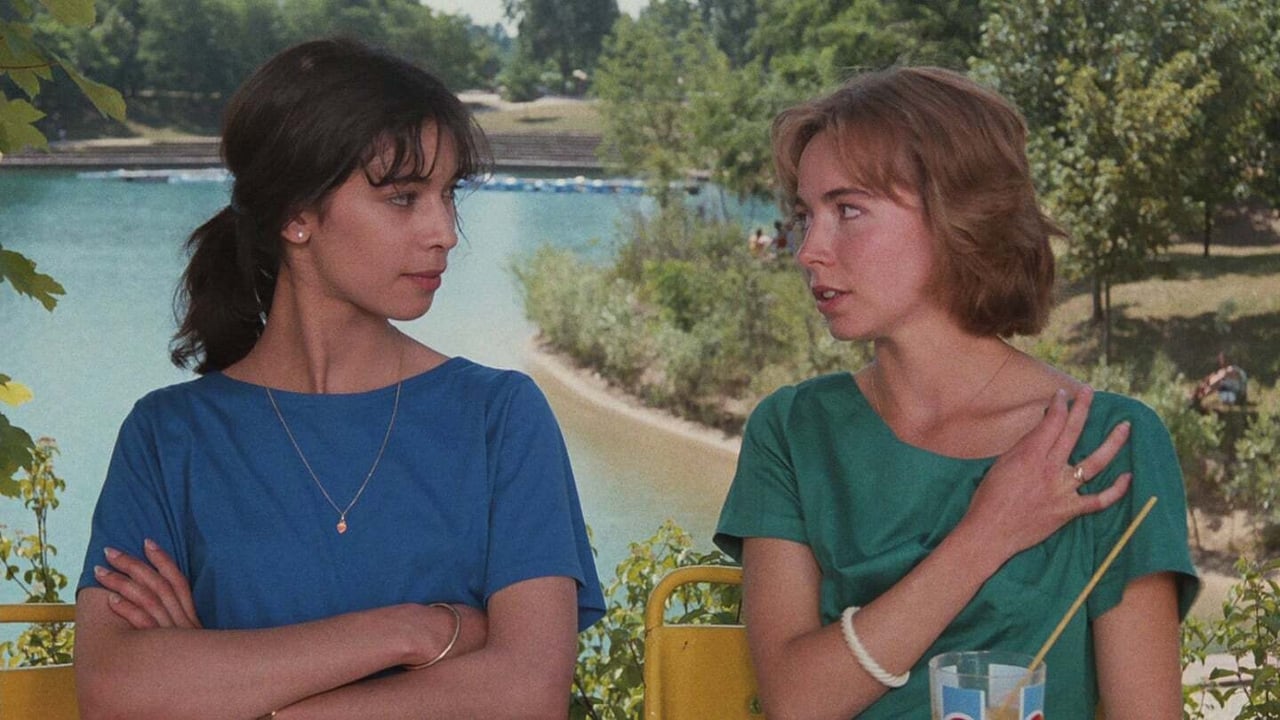
Set against the backdrop of Cergy-Pontoise, a then-new, planned town outside Paris, the film introduces us to Blanche (Emmanuelle Chaulet), a somewhat shy and indecisive civil servant. She strikes up a friendship with the more outgoing and confident Léa (Sophie Renoir, grandniece of the legendary director Jean Renoir). Their lives, and the plot itself, revolve around their intersecting relationships with two young men: Léa's charming but perhaps flighty boyfriend Fabien (Éric Viellard) and the handsome, sporty engineer Alexandre (François-Éric Gendron), whom Blanche finds herself drawn to. What unfolds isn't a story of grand passions declared from rooftops, but a delicate dance of shifting affections, unspoken desires, missed connections, and the subtle negotiations we make in love and friendship. Rohmer presents it all with a near-documentary clarity, letting the conversations – lengthy, articulate, and often revealing more in their hesitations than their declarations – drive the narrative.
### Rohmer's Palette and Precision
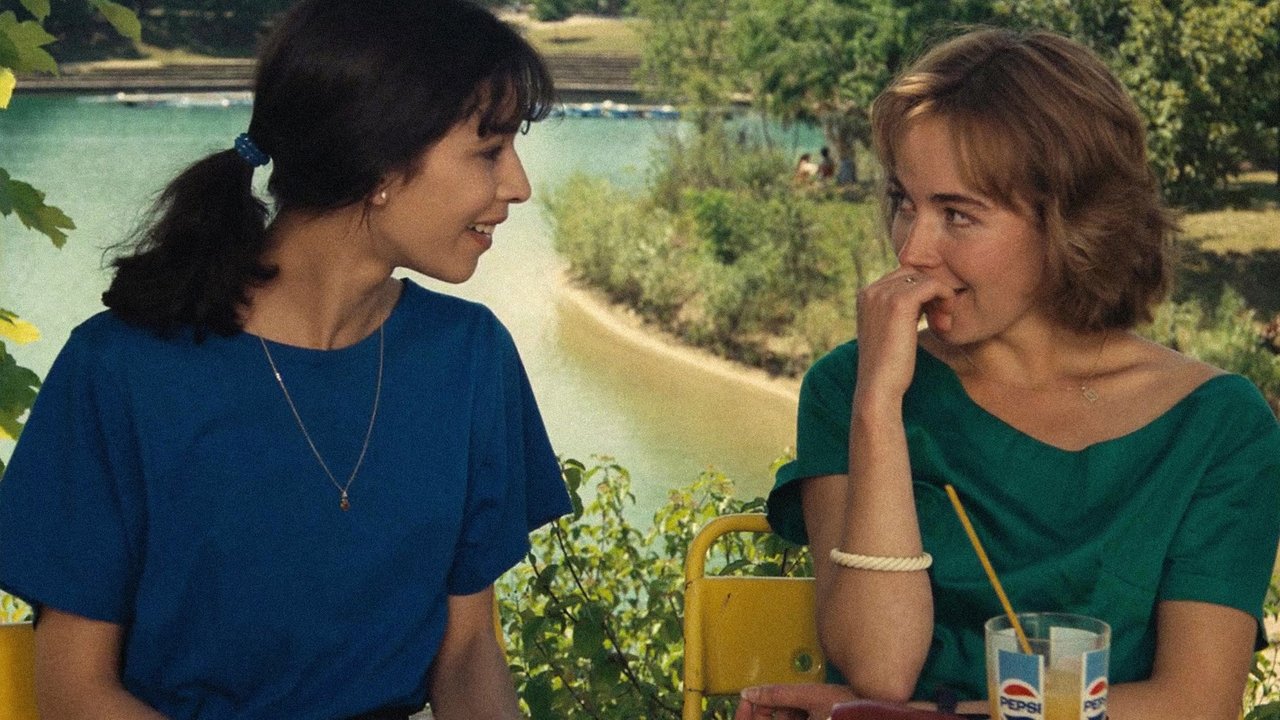
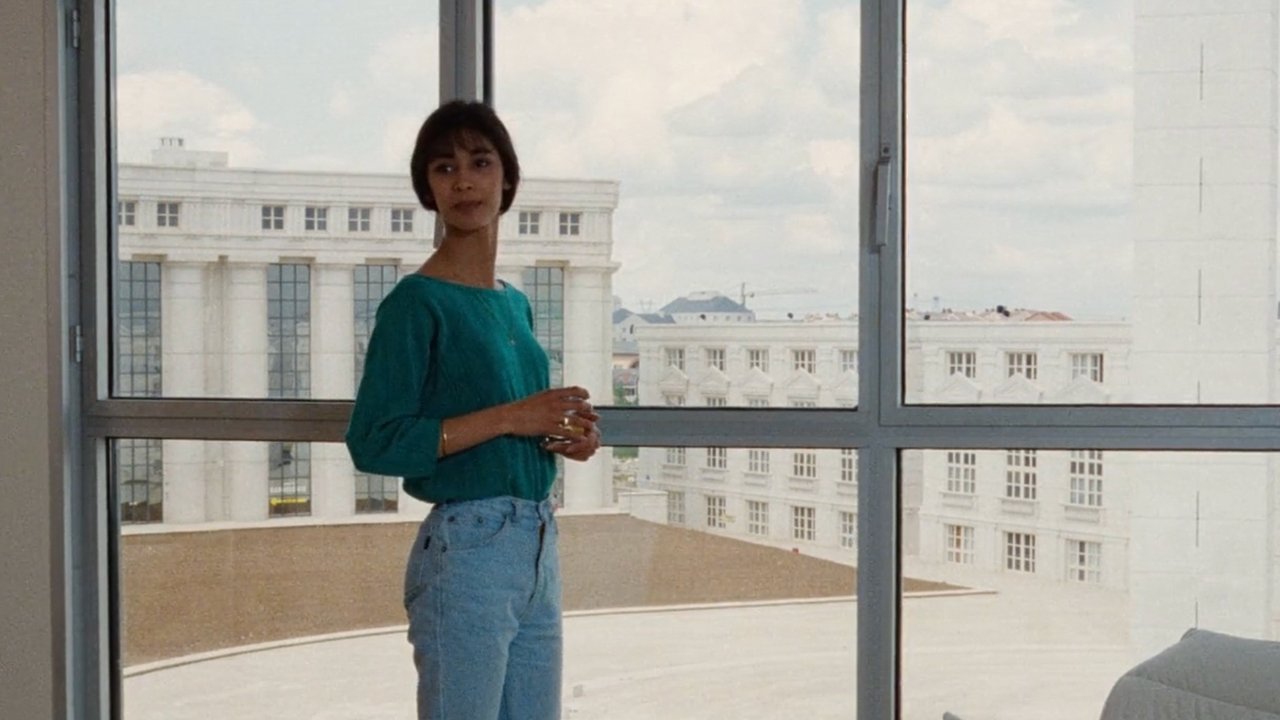
Watching a Rohmer film, especially one from his "Comedies and Proverbs" cycle (this being the final installment), is like stepping into a carefully curated world. His control is absolute, yet feels entirely natural. One of the most striking aspects of Boyfriends and Girlfriends is its deliberate use of color, particularly blues and greens. This wasn't accidental; Rohmer worked closely with cinematographer Bernard Lutic and production designer Sophie Maintigneux to ensure the characters' clothing often mirrored or subtly contrasted with the meticulously chosen decor and the stark, modern architecture of Cergy-Pontoise. Pay attention to Blanche's outfits – they often visually link her to the environments she occupies, perhaps reflecting her tendency to blend in or her desire for harmony. It's a visual language that underscores the film's themes of belonging, compatibility, and the search for one's place, both literally and emotionally. Rohmer famously required his actors to deliver his precisely written dialogue verbatim, believing the rhythms and specific word choices were crucial. This wasn't about improvisation; it was about inhabiting the text truthfully.
### Performances of Quiet Truth
The magic lies in how the actors navigate this structure. Emmanuelle Chaulet embodies Blanche's anxieties and quiet longings with remarkable authenticity. Her hesitant smiles, the way she nervously smooths her skirt – it all speaks volumes about a young woman unsure of her own desires but yearning for connection. Sophie Renoir provides a perfect counterpoint as Léa, projecting an effortless confidence that gradually reveals its own vulnerabilities. The male leads, Viellard and Gendron, fulfill their roles effectively, representing different facets of youthful masculinity – the affable charmer and the slightly more reserved object of affection. There are no villains here, just people trying, often awkwardly, to figure things out. Rohmer doesn't judge them; he simply observes, inviting us to do the same. Does their indecisiveness feel familiar, perhaps echoing choices we've wrestled with ourselves?
### Beyond the Surface
Some might find Rohmer's approach slow or overly talky, especially compared to the more kinetic pace often associated with 80s cinema. This wasn't a film designed for car chases or dramatic confrontations. Its tension builds in the nuances of conversation, the subtle shifts in body language, the things left unsaid between friends and lovers. It demands patience, an attention to the small moments that reveal character. I remember renting this on VHS, perhaps on a whim, expecting a typical French romance. What I got was something far more subtle and, ultimately, more resonant – a study in the complexities of attraction and the often-unpredictable ways relationships reconfigure themselves. The film doesn't offer easy answers; instead, it presents situations with a clarity that invites reflection. What truly motivates these characters? Are they driven by genuine affection, loneliness, or simply the convenience of proximity?
The setting itself, Cergy-Pontoise, plays a crucial role. It's a landscape of modern apartments, manicured parks, and artificial lakes – clean, orderly, perhaps a bit sterile. This environment seems to mirror the characters' own attempts to structure their messy emotional lives, imposing a kind of geometric logic onto the unpredictable terrain of the human heart.
Boyfriends and Girlfriends might not have the immediate, visceral punch of other VHS-era favorites, but its power lingers. It’s a film that respects its audience's intelligence, trusting us to understand the emotional currents flowing beneath the surface of everyday interactions and conversations. It captures a specific kind of youthful uncertainty and the sometimes-painful, sometimes-liberating process of discovering what – and who – we truly want.
Rating: 8/10
This score reflects the film's masterful construction, its insightful portrayal of relationships, and the authentic performances Rohmer elicits. It’s a near-perfect example of his unique style, though its deliberate pacing and focus on dialogue might not resonate with everyone expecting conventional drama. For those willing to engage with its quiet rhythms, however, it offers rich rewards.
Final Thought: Decades later, the film remains a remarkably astute and often uncomfortably accurate look at the intricate, sometimes bewildering, dance of young love and friendship – a reminder that the most profound dramas often unfold in the simplest conversations.