Okay, rewind your minds with me. Picture this: It’s Friday night, you’ve just triumphantly returned from the video store, clutching a chunky plastic rectangle promising laughs, romance, and maybe a life lesson wrapped in questionable fashion choices. That tape often held something like 1987's Can't Buy Me Love, a film that, believe it or not, almost hit the shelves under the startlingly blunt title Boy Rents Girl. Thankfully, someone had the good sense to swap it for the iconic Beatles tune, hinting at the heart beating beneath the hilariously transactional premise.

### From Nerd to Not-So-Much
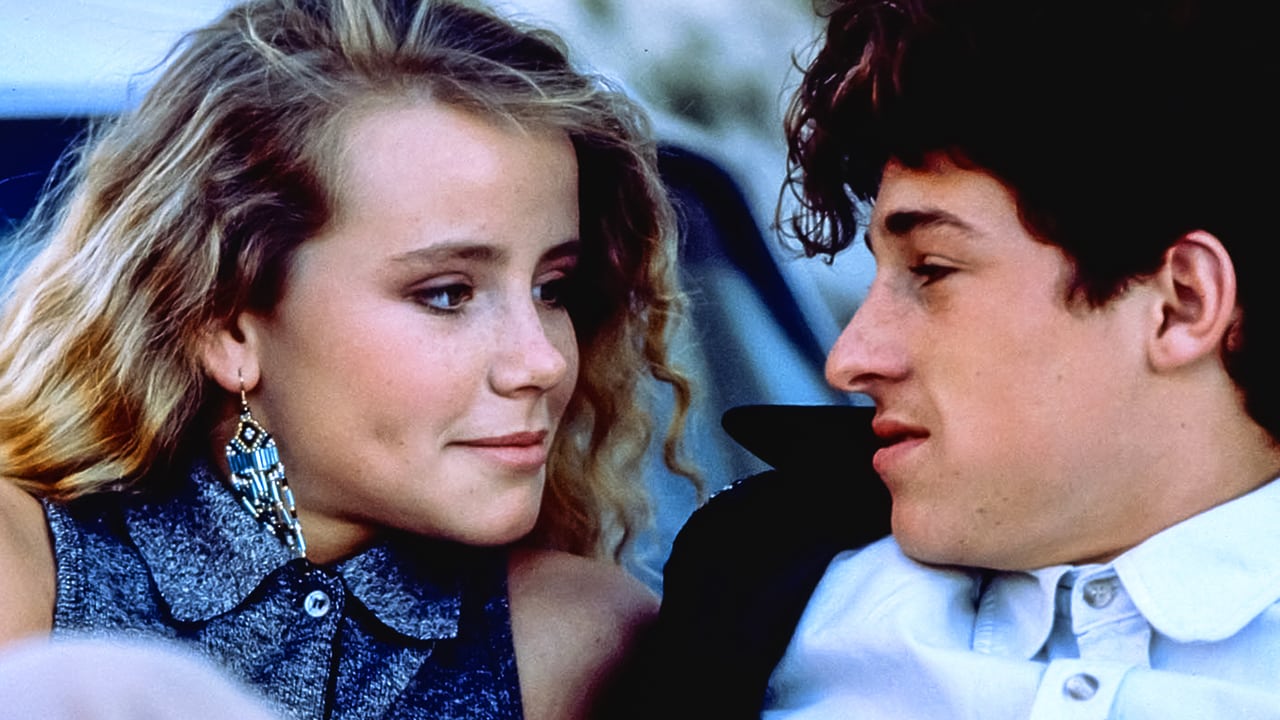
Let's set the scene: Ronald Miller, played by a pre-McDreamy, impossibly young Patrick Dempsey, is pure, unadulterated 80s movie nerd. He's got the glasses, the earnestness, the lawn-mowing gig, and a secret yearning for Cindy Mancini (Amanda Peterson), the quintessential popular girl next door who seems galaxies away from his social orbit. It’s a tale as old as time, or at least as old as John Hughes movies. But Ronald has a plan, hatched from desperation and fueled by $1000 saved from cutting grass: when Cindy finds herself in a fashion emergency involving her mother's ruined suede outfit, Ronald offers a financial bailout… in exchange for a month of pretending to be his girlfriend.
It’s a setup that screams high-concept 80s, a premise that probably wouldn’t fly today without a lot more scrutiny. But back then? It was the perfect engine for exploring the brutal, often ridiculous, caste system of American high school. Director Steve Rash, who'd previously given us the fantastic The Buddy Holly Story (1978) and would later helm Pauly Shore's Son in Law (1993), leans into the archetypes with gusto. We get the jocks, the cheerleaders, the vaguely threatening cool guys, and the loyal, perpetually ignored geek friends, embodied perfectly by a scene-stealing Courtney Gains as Kenneth Wurman. Remember that African Anteater Ritual dance? Pure, unadulterated awkward genius.
### The $1000 Transformation
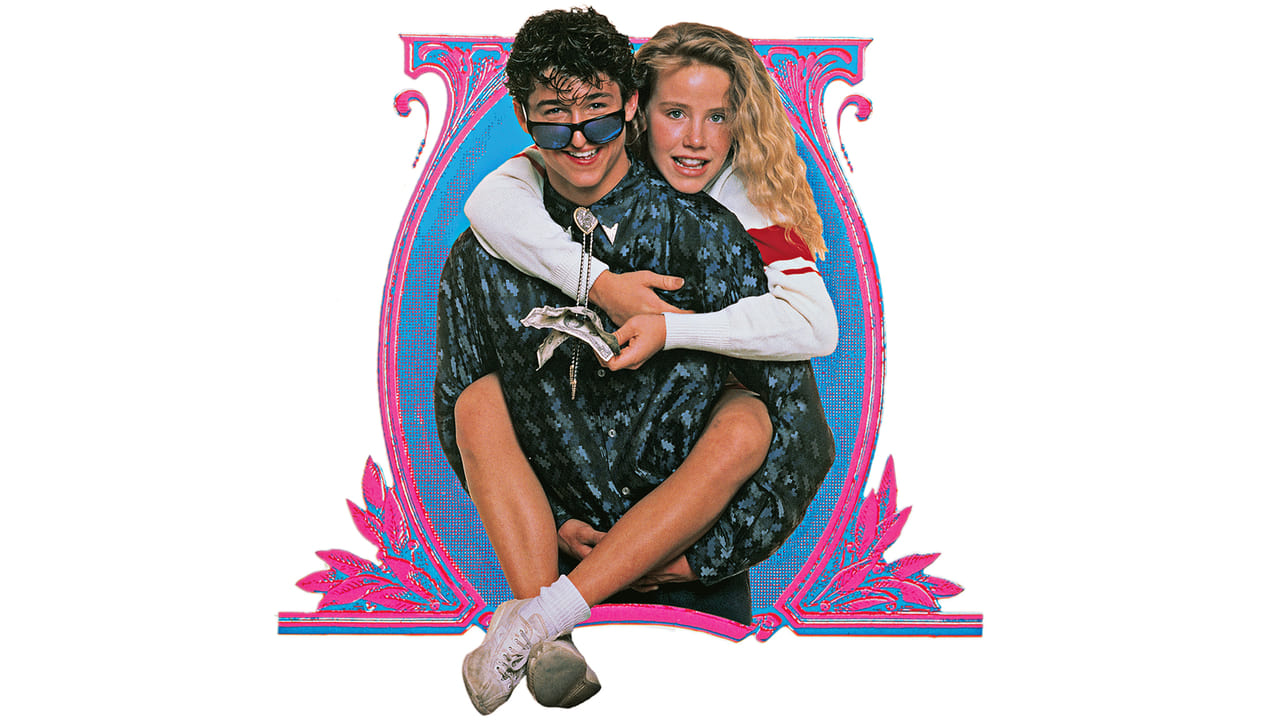
What makes Can't Buy Me Love stick in the memory banks, beyond the premise, is the earnestness Patrick Dempsey and Amanda Peterson bring to their roles. Dempsey, even then, had that undeniable charm. You believe Ronald's initial awkwardness (fun fact: Dempsey was actually a nationally ranked juggler in his youth, a skill thankfully not shoehorned into his character's nerd repertoire) and his surprising ease as he starts adopting the superficial markers of cool – the clothes, the lingo, the sunglasses worn indoors. It's almost startling how quickly he adapts, shedding his old skin and friends with alarming speed.
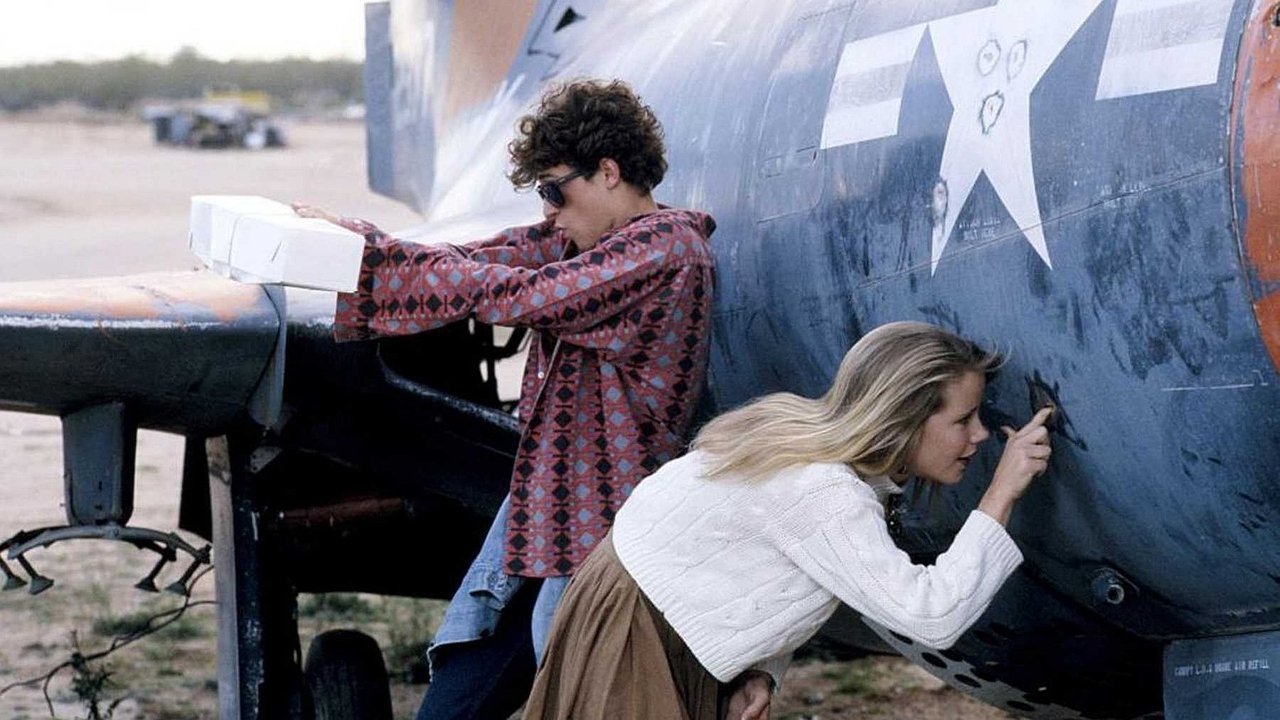
Amanda Peterson as Cindy is equally crucial. She avoids making Cindy just a vapid popular girl. There's a vulnerability beneath the perfectly feathered hair and stylish (for 1987) outfits. She goes along with the deal out of necessity, but you see the flicker of genuine connection develop, often wrestling with the absurdity and eventual cruelty of the situation. Their chemistry feels surprisingly genuine, grounding the far-fetched plot. You actually root for them, even when Ronald is being a complete tool to his old buddies. Filmed largely on location at Tucson High Magnet School in Arizona, the setting feels authentic, capturing that sun-baked suburban backdrop perfectly.
### That 80s Sheen (and Sting)
Sure, watching it now, the fashion is a time capsule (so much denim, so many shoulder pads!), the dialogue occasionally clunky, and the social dynamics simplified. The montage where Ronald studies coolness by watching American Bandstand is peak 80s cheese, but delightfully so. And the inevitable crash, when the truth comes out (come on, you knew it had to), still carries a sting. Ronald's fall from grace is swift and brutal, a reminder that manufactured popularity is as flimsy as… well, as a rented relationship.
The film wasn't a critical darling upon release, but audiences connected with its mix of wish fulfillment and relatable high school angst. Made for a reported shoestring budget of just $1.8 million, it raked in over $31 million at the box office – a bona fide sleeper hit that proved you didn't need huge stars or budgets to tap into the teen zeitgeist. It found an even bigger life on home video, becoming a staple of sleepovers and late-night cable viewing. I distinctly remember the worn-out tracking lines on my own recorded-off-TV copy.
It doesn't shy away from the fact that Ronald's actions are fundamentally flawed, and his journey back to authenticity (and hopefully, a real chance with Cindy) forms the heart of the third act. Does it wrap up a little too neatly? Absolutely. Is the final reconciliation speech delivered via riding lawnmower iconic? You betcha.
Rating: 7.5 / 10
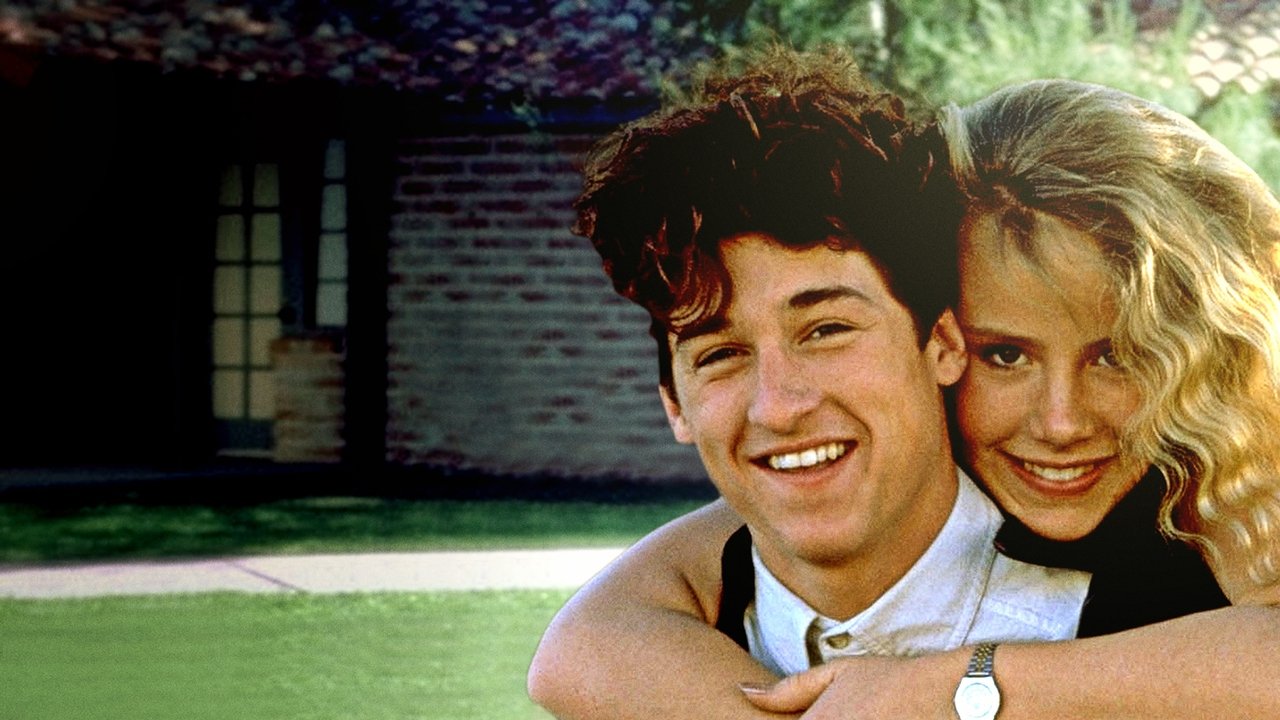
Why this score? Can't Buy Me Love perfectly encapsulates the 80s teen comedy formula – a high-concept premise, clear social archetypes, wish fulfillment mixed with cautionary tales, and genuine heart courtesy of its leads. While the plot is predictable and some elements haven't aged perfectly, the charm of Dempsey and Peterson, the memorable supporting characters, and the sheer nostalgic comfort factor make it incredibly watchable. It earns points for being a financially successful underdog and delivering exactly the kind of feel-good, slightly flawed entertainment that defined the era.
It’s a reminder that while money might rent you temporary status, genuine connection – like a well-loved VHS tape – has a value that lasts far longer. Definitely worth popping back in the VCR… if you can still find one.