Okay, fellow traveler through the flickering aisles of memory, let’s settle in for this one. Sometimes, amongst the neon glow of action heroes and the screeching tires of car chases that dominated so many rental store shelves, you'd find a quieter gem. A film housed in a distinguished-looking VHS box, promising not explosions, but echoes. Howards End (1992) was one such film, a Merchant Ivory production that felt both deeply rooted in its Edwardian setting and surprisingly resonant, even viewed on a slightly fuzzy CRT screen decades later. It asks a simple, yet profound question that lingers long after the tape spools to its end: "Only connect..." But can we?
A Tapestry of Class and Connection
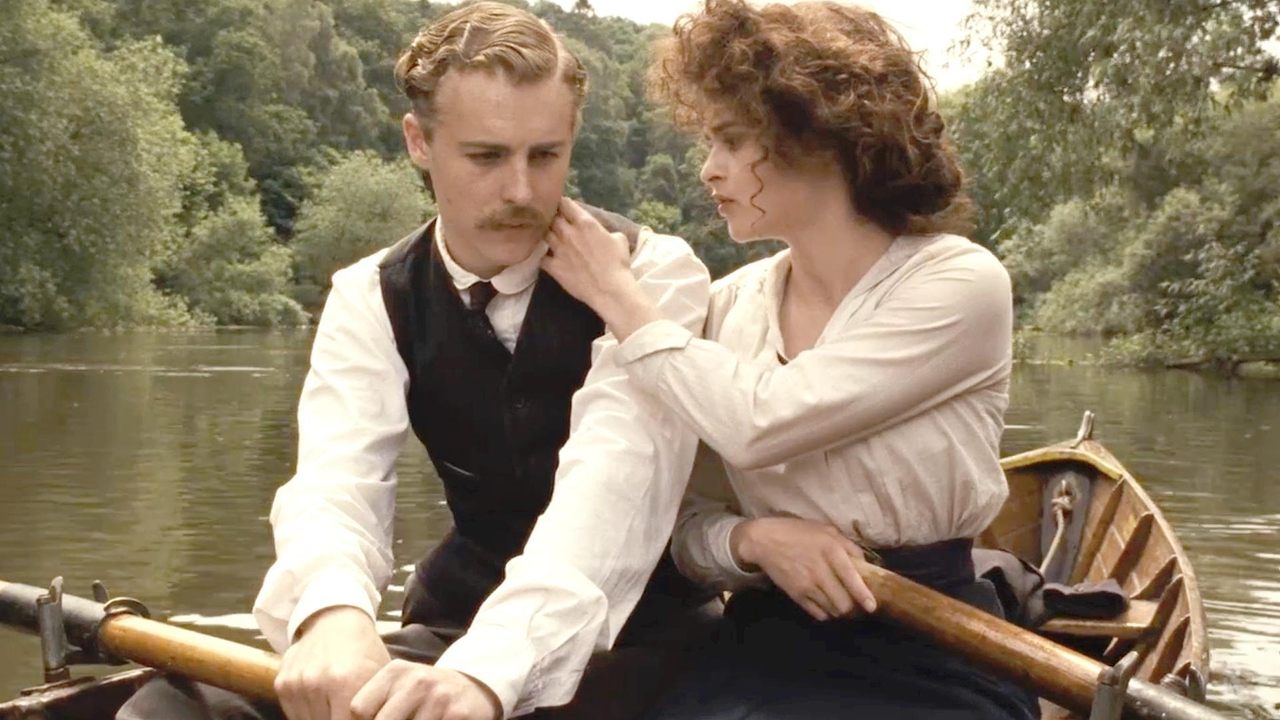
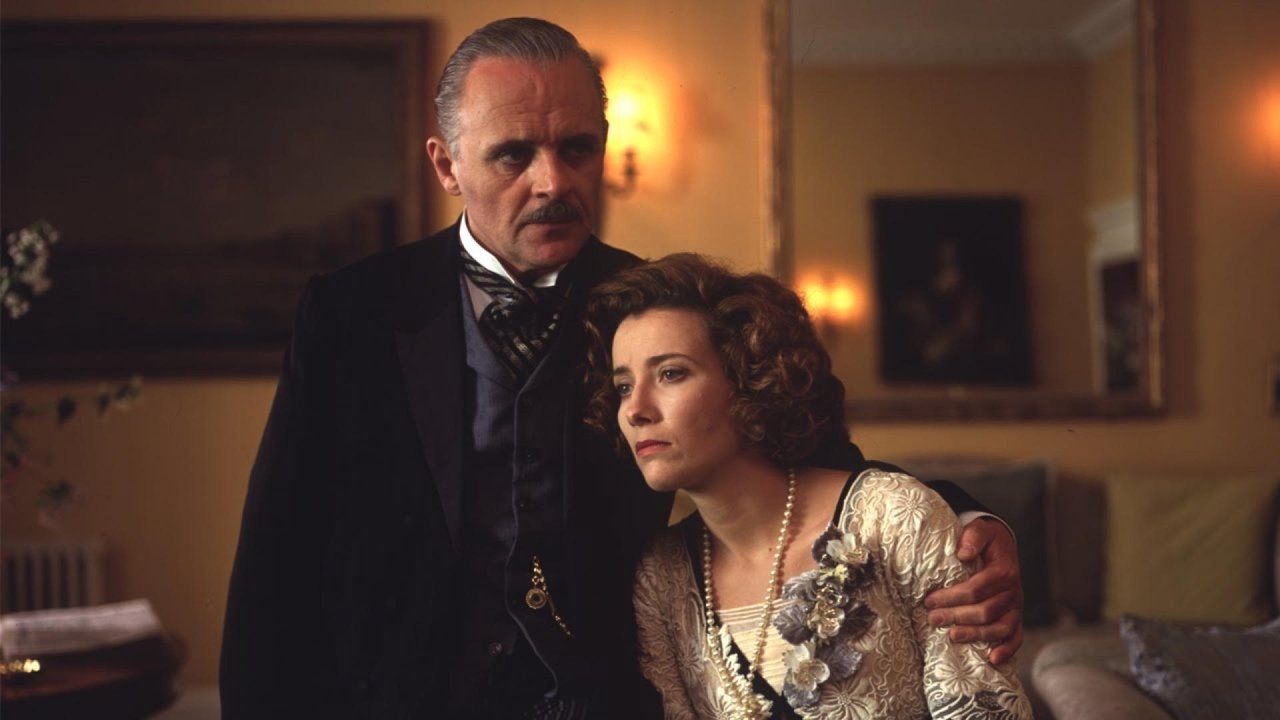
At its heart, Howards End is a story about collisions – the collision of families, classes, and ideologies in turn-of-the-century England. We meet the Schlegel sisters: the thoughtful, pragmatic Margaret (Emma Thompson) and the impulsive, idealistic Helen (Helena Bonham Carter). They represent the intellectual, slightly bohemian bourgeoisie, concerned with culture, ideas, and social justice. Their lives become intertwined with the Wilcoxes, a family embodying the new industrial wealth – pragmatic, emotionally reserved, and deeply tied to property and tradition, led by the formidable patriarch Henry Wilcox (Anthony Hopkins). Hovering on the periphery is Leonard Bast (Samuel West), a lower-middle-class clerk yearning for culture but trapped by economic circumstance. The film masterfully weaves these disparate threads together, using the titular house, Howards End, as a potent symbol of England itself – a place of history, belonging, and contested ownership.
Performances That Breathe History
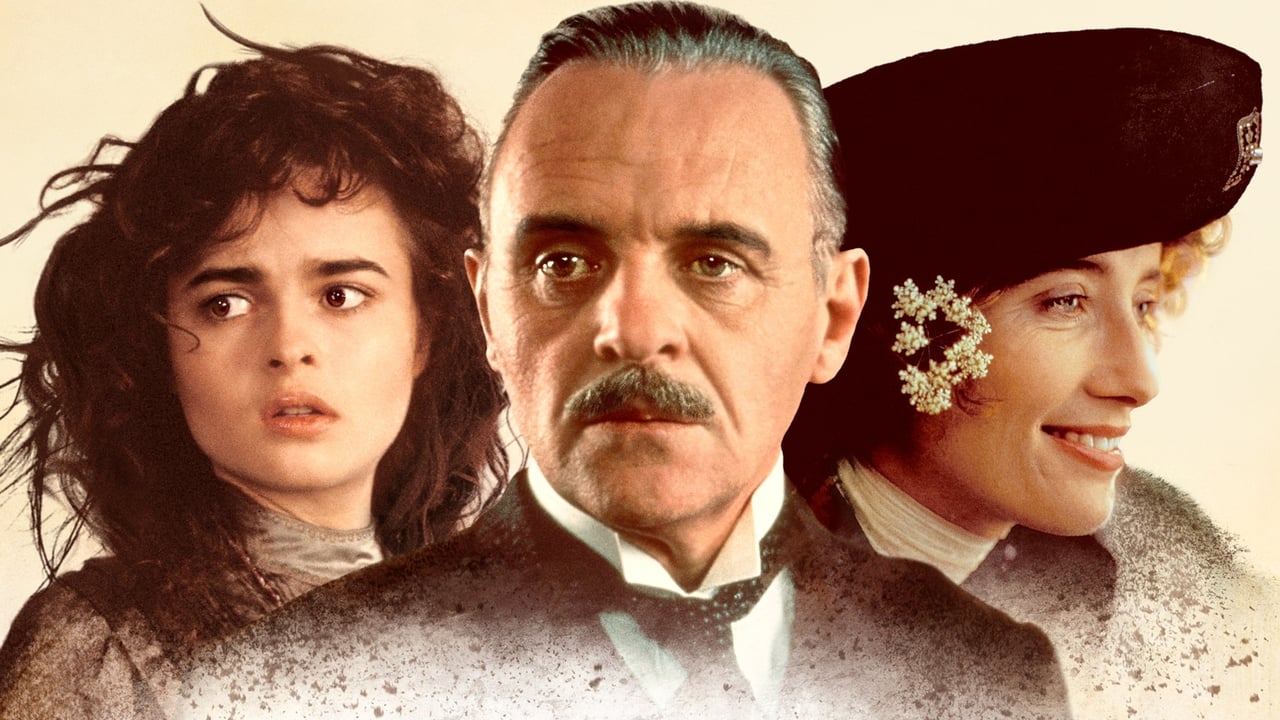
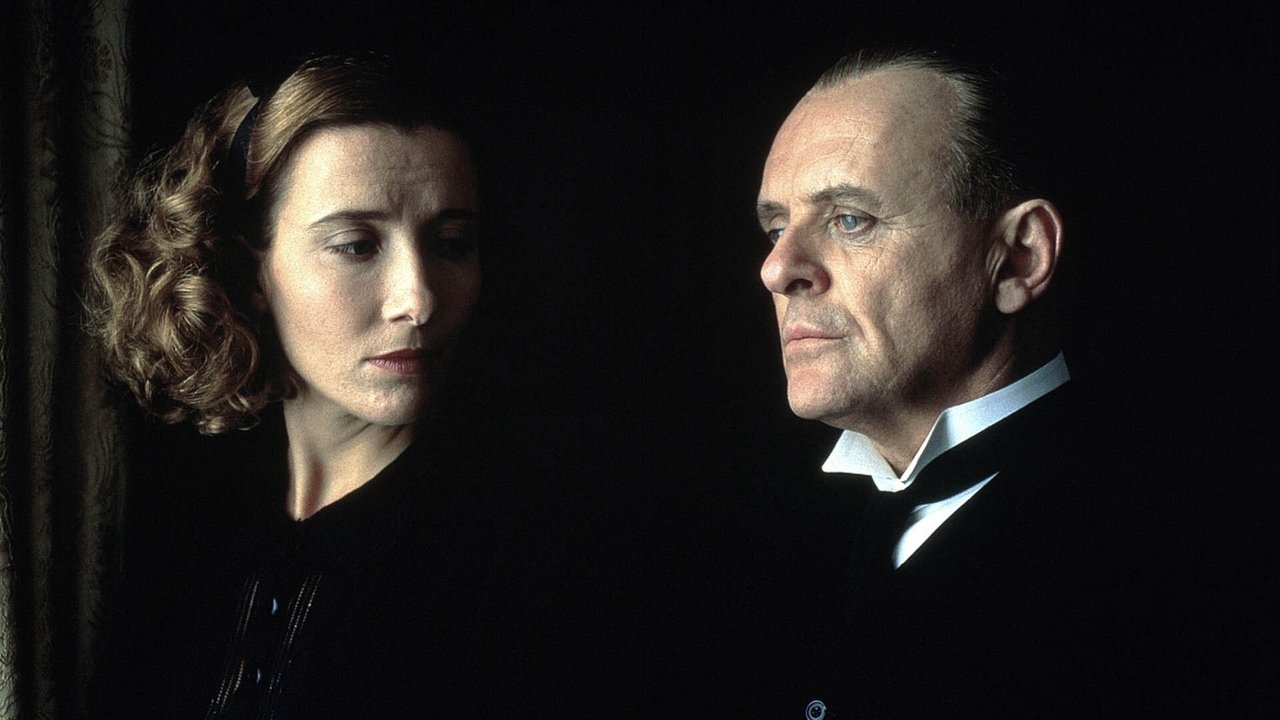
If Howards End endures, it's largely due to the sheer power of its performances. This isn't simply acting; it's embodiment. Emma Thompson delivered a career-defining, Oscar-winning turn as Margaret Schlegel. Watch her stillness, the way she conveys oceans of thought and feeling with a subtle glance or a carefully considered phrase. She makes Margaret’s intelligence and emotional depth utterly captivating, navigating the complex social codes and her own burgeoning feelings for Henry with breathtaking nuance. It's a performance of quiet strength that feels incredibly authentic.
Matching her is Anthony Hopkins as Henry Wilcox. Fresh off his chilling success in The Silence of the Lambs (1991), Hopkins brings a different kind of intensity here – the stifled emotion and rigid certainty of a man bound by convention and commerce. His scenes with Thompson crackle with unspoken tension, a fascinating dance between two vastly different worldviews. Helena Bonham Carter, before becoming synonymous with more eccentric roles, is pitch-perfect as the passionate, sometimes tragically misguided Helen. And Vanessa Redgrave, though her screen time as the gentle, intuitive Ruth Wilcox is brief, casts a long, poignant shadow over the entire narrative. Her quiet connection to the soul of Howards End sets the entire plot in motion.
Merchant Ivory's Gentle Mastery
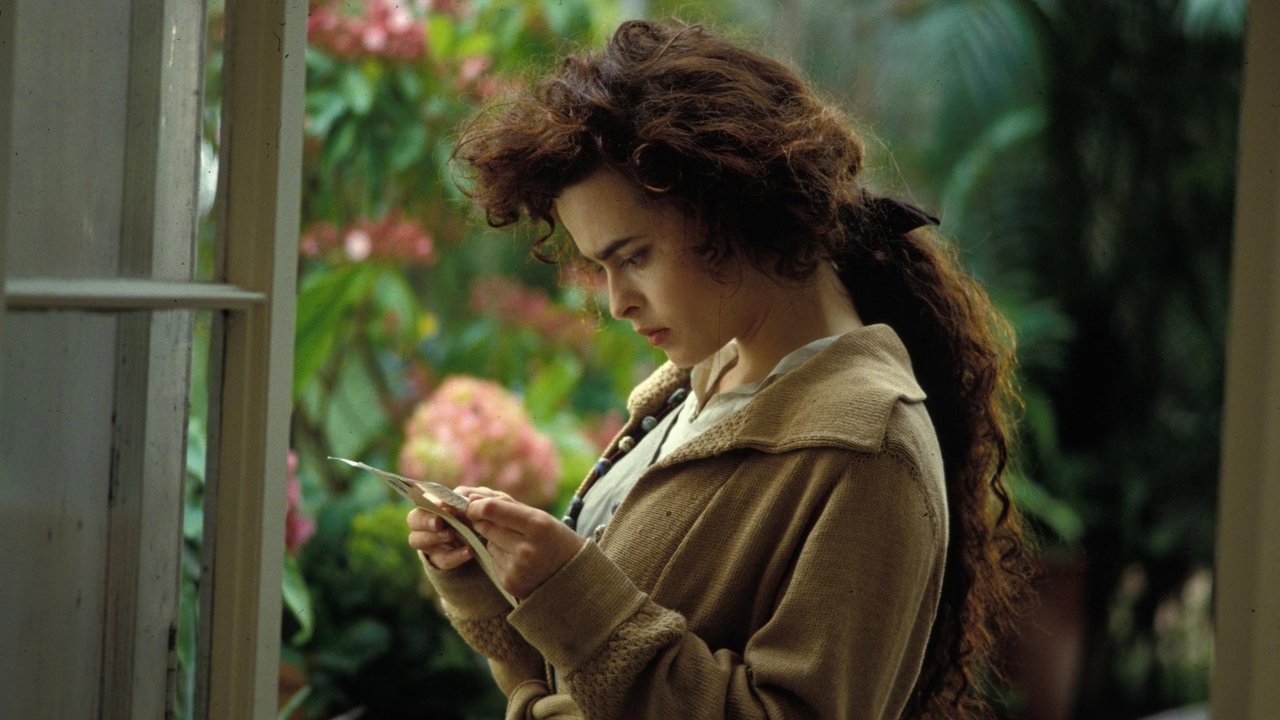
Director James Ivory and screenwriter Ruth Prawer Jhabvala, long-time collaborators alongside producer Ismail Merchant, were masters of the literary adaptation. Adapting E.M. Forster's rich, complex novel was no small feat, but Jhabvala's Oscar-winning script captures its essence beautifully, translating Forster's intricate prose and social commentary into compelling drama. Ivory's direction is typically elegant and restrained, allowing the characters and themes space to breathe. He trusts his actors implicitly.
The film's visual beauty, courtesy of cinematographer Tony Pierce-Roberts, is undeniable. From the bustling London streets to the idyllic countryside surrounding Howards End (primarily filmed at Peppard Cottage in Oxfordshire), every frame feels meticulously composed, evoking the era with stunning detail – work recognized with another of the film's three Academy Awards, for Art Direction. It’s worth noting that this level of craftsmanship was achieved on a relatively modest budget of around $8 million. Its subsequent critical acclaim – including a special prize at the 1992 Cannes Film Festival – and box office success ($26.3 million in the US alone) proved there was a significant audience hungry for intelligent, character-driven period drama amidst the louder blockbusters of the early 90s.
Retro Fun Facts
- The success of Howards End cemented the Merchant Ivory brand as synonymous with high-quality literary adaptations, following hits like A Room with a View (1985).
- Emma Thompson's Best Actress win was particularly notable; she was also nominated for Best Supporting Actress that same year for In the Name of the Father, showcasing her incredible range.
- Finding the right house to represent Howards End was crucial. Peppard Cottage, chosen for its unassuming charm and connection to the surrounding nature, perfectly embodied the spirit Forster described.
Beyond the Drawing Room
But Howards End is more than just a beautifully crafted period piece. It’s a film that probes uncomfortable truths about class disparity, the limitations imposed by society, and the difficulty of truly understanding those different from ourselves. Forster's plea – "Only connect the prose and the passion, and both will be exalted, and human love will be seen at its height" – resonates through the narrative. Can Margaret bridge the gap between her intellectual world and Henry's pragmatic one? Can Helen’s passionate idealism effect real change, or only lead to ruin? Can Leonard Bast ever truly transcend the circumstances of his birth? The film doesn't offer easy answers, leaving the viewer to ponder these questions. Doesn't that struggle for connection, across differing backgrounds and beliefs, feel startlingly relevant even now?
Recalling watching this on VHS, perhaps nestled between rentals of Terminator 2 or Wayne's World, highlights the wonderful diversity available back then. Howards End offered a different kind of escape – quieter, more thoughtful, but no less transportive. It invited reflection, a quality sometimes lost in the rapid-fire pace of modern viewing.
Rating: 9/10
This rating reflects the film's exceptional craftsmanship across the board – particularly its masterful performances (led by Thompson), intelligent script, and resonant themes. It's a near-perfect adaptation that captures the spirit of Forster's novel with grace and emotional depth. While its pacing is deliberate, fitting the source material and the era depicted, every moment feels earned and contributes to the rich tapestry of the story.
Howards End is a film that stays with you, not through explosive moments, but through its quiet observations and the lingering power of its central question. It’s a reminder from the VHS era that sometimes the most profound stories are whispered, not shouted.