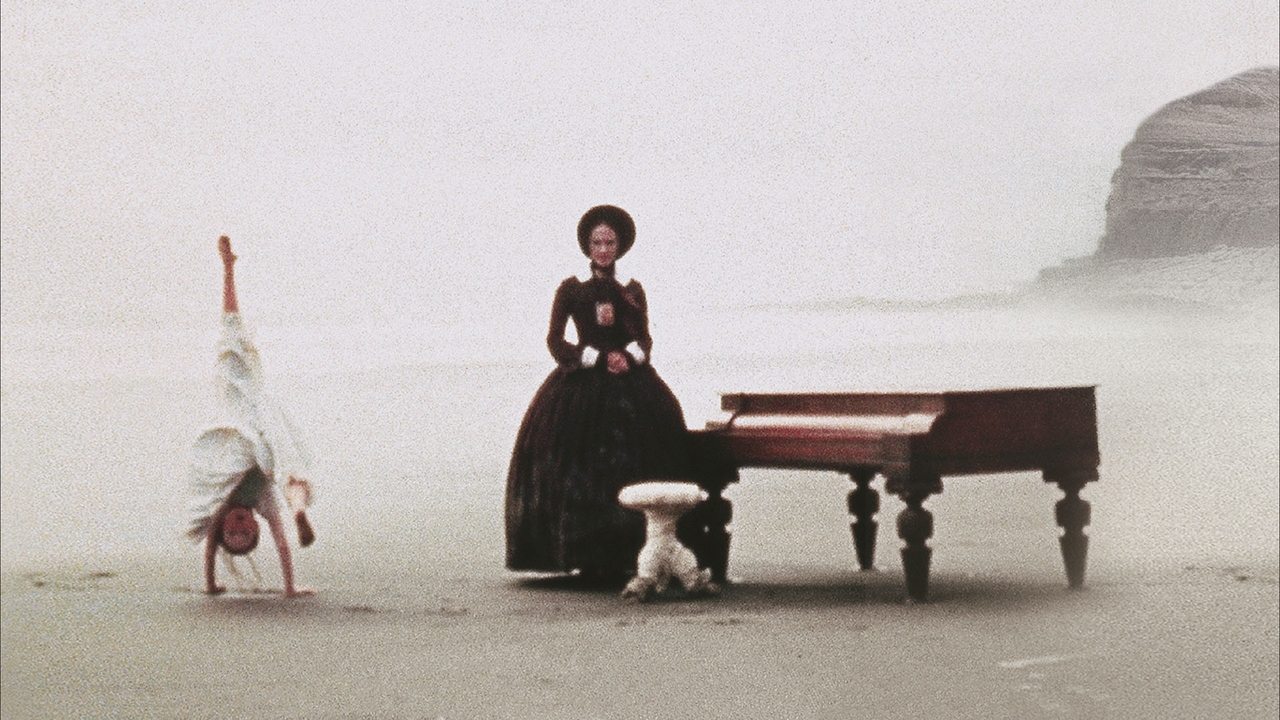
Here we go, another dive into the stacks of VHS Heaven. This time, we're pulling out a tape that felt different even back then, amidst the louder blockbusters that often dominated the rental shelves. It’s a film whose central image—a grand piano marooned on a vast, turbulent New Zealand beach—remains one of the most potent and unforgettable visuals of 90s cinema. We're talking about Jane Campion's haunting masterpiece, The Piano (1993).
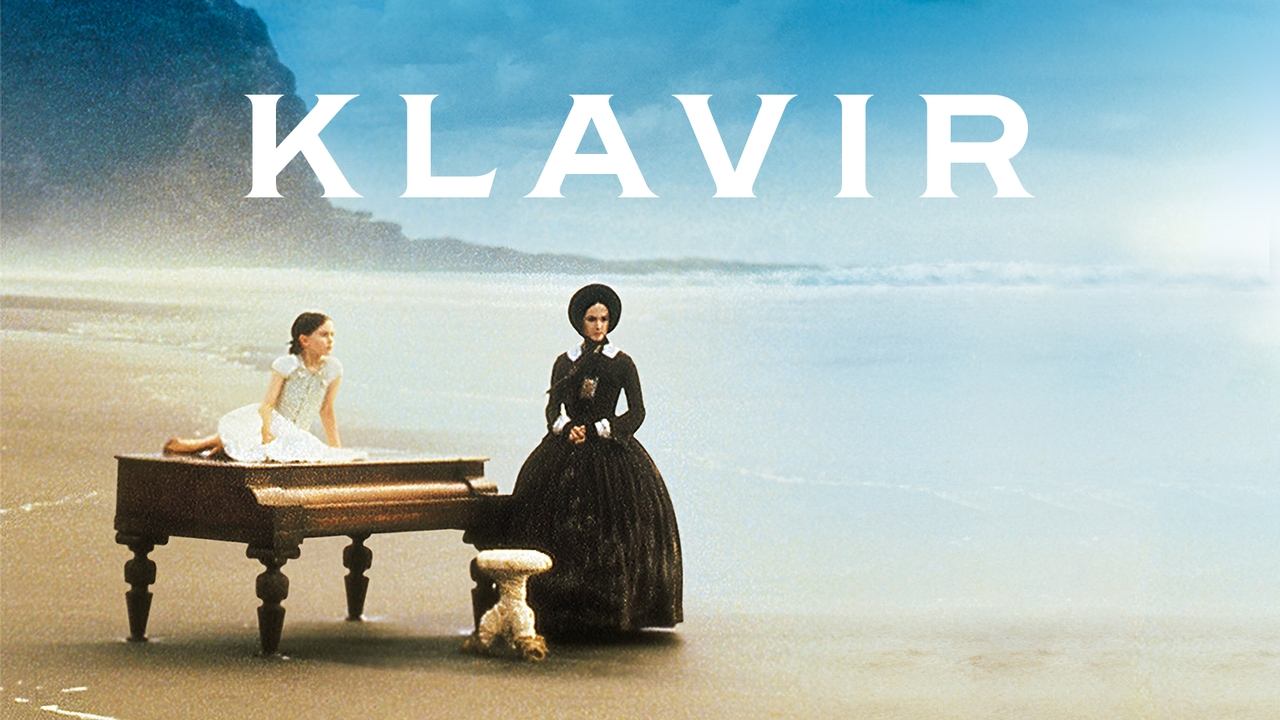
Watching it again now, decades removed from its original release, the film hasn't lost an ounce of its strange, unsettling power. It pulls you into its world—a world thick with mud, rain, and unspoken desires—and holds you there, captive to its rhythm and its silences.
Where Silence Speaks Volumes
The story centers on Ada McGrath (Holly Hunter), a selectively mute Scotswoman who arrives in the remote New Zealand bush in the mid-19th century for an arranged marriage to frontiersman Alisdair Stewart (Sam Neill). She brings her young daughter, Flora (Anna Paquin), and her most precious possession: her piano. For Ada, who hasn't spoken a word since childhood, the piano isn't just an instrument; it is her voice, the sole conduit for her fierce inner life. When Stewart, pragmatic and uncomprehending, refuses to transport the heavy instrument from the beach to their home, it sets in motion a devastating chain of events.
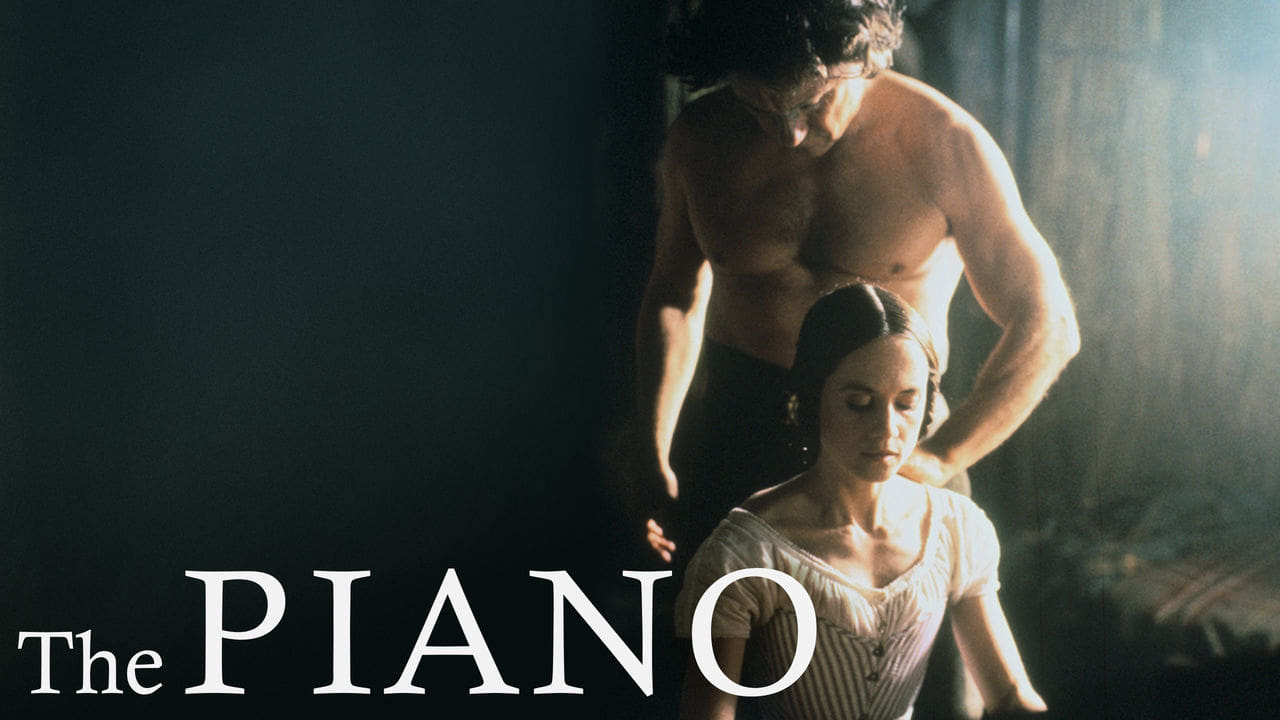
Holly Hunter's performance remains staggering. Winning the Best Actress Oscar, she conveys oceans of emotion—longing, fury, intelligence, vulnerability—without uttering a single spoken word herself (though she does provide Ada’s inner voiceover). It’s all in her eyes, the set of her jaw, the tension in her body, and, crucially, in her playing. It’s a fascinating piece of trivia that Hunter performed the piano pieces herself, adding another layer of authenticity to Ada’s connection with the instrument. Her dedication extended to developing a unique sign language for Ada with a consultant, ensuring her non-verbal communication felt organic and personal.
A Dangerous, Shifting Bargain
The catalyst for the central drama is George Baines (Harvey Keitel), an Englishman who has "gone native," living among the Māori. He strikes a deal with Stewart to acquire the piano, and then makes Ada an even more shocking proposition: she can earn her piano back, key by key, by allowing him certain intimacies during illicit "lessons." What begins as a crude, unsettling transaction slowly, complexly evolves into something far more profound and dangerous.
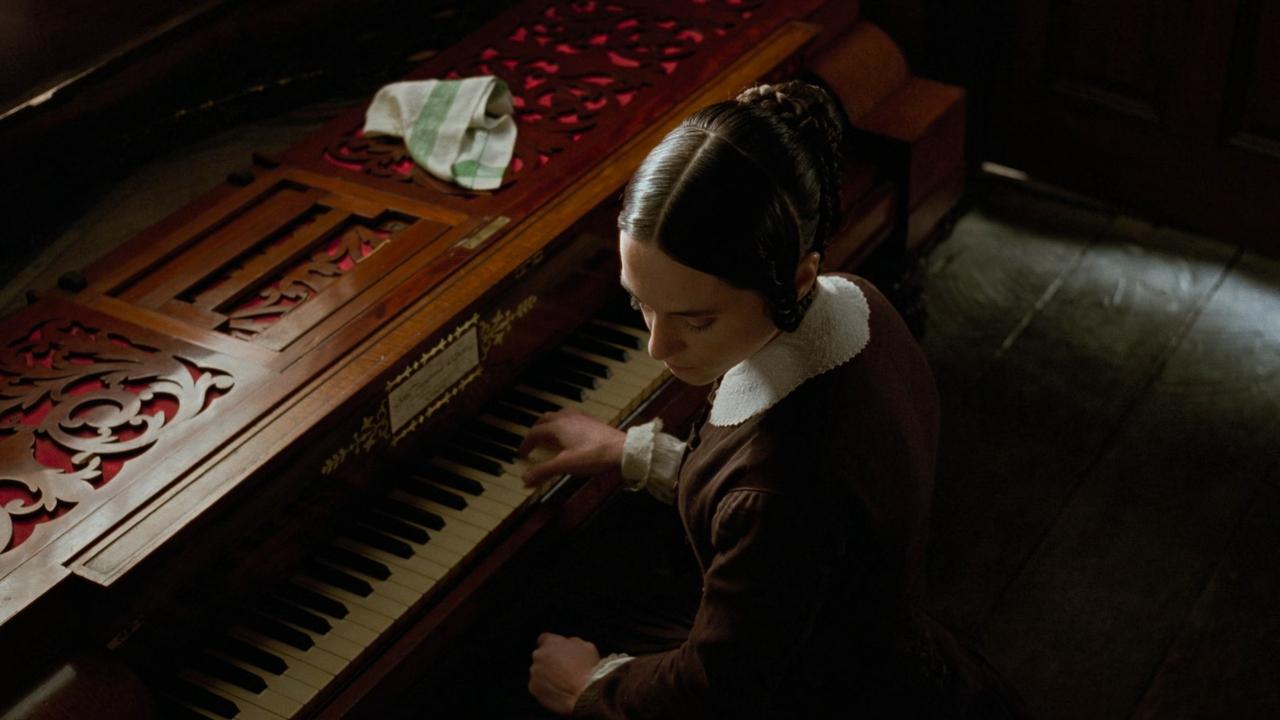
Keitel, often known for tougher roles like Mr. White in Reservoir Dogs (1992), is remarkably vulnerable here. Baines is illiterate and rough-hewn, yet possesses a sensitivity that Stewart lacks. He’s the only one who seems to truly hear Ada through her music. Their scenes together are charged with an eroticism that feels raw, tentative, and deeply unconventional, particularly for the time. Campion, who also wrote the screenplay, explores female desire and agency with a frankness that was boundary-pushing in 1993 and still feels potent today. She famously became the first woman to win the Palme d'Or at Cannes for the film, a landmark achievement.
The Wildness Within and Without
Campion, who had previously directed the acclaimed An Angel at My Table (1990), uses the New Zealand landscape to stunning effect. Cinematographer Stuart Dryburgh captures the claustrophobic density of the bush, the relentless rain turning everything to mud, contrasting it with the wild beauty of the coastline. The environment isn't just a backdrop; it mirrors the tangled, often savage emotions of the characters. The isolation feels palpable, pressing in on Ada and amplifying her internal struggles. Filming in such remote locations presented significant logistical challenges, battling the weather and terrain, but this struggle imbues the film with an undeniable, almost primal energy.
And we can’t forget Anna Paquin. At just 11 years old, she delivered a performance of astonishing maturity and complexity as Flora, Ada’s interpreter and conflicted confidante. Her Best Supporting Actress Oscar win was entirely deserved; she navigates Flora’s loyalty, confusion, and moments of childish cruelty with incredible skill.
Echoes Through Time
The Piano wasn't just a critical darling; it was a surprising commercial success, grossing around $140 million worldwide on a modest $7 million budget. It proved that audiences were receptive to complex, female-driven narratives that didn't shy away from difficult themes or ambiguity. Michael Nyman's score is, of course, legendary – instantly recognizable and perfectly capturing the film's melancholic, passionate soul. It’s impossible to imagine the film without it.
Rewatching it now, perhaps on a screen far slicker than the CRTs we first saw it on, the film's deliberate pacing and reliance on visual storytelling might feel different to modern viewers accustomed to faster cuts. Yet, its power lies precisely in that measured unfolding, allowing the atmosphere to seep under your skin. It asks questions about communication, repression, the compromises we make for love or survival, and the untamable nature of passion. What does it truly mean to have a voice? And what happens when that voice is silenced, or finds expression in unexpected, forbidden ways?

Rating: 9.5/10
This score reflects the film's sheer artistic brilliance, anchored by unforgettable performances, Campion's masterful direction, Nyman's iconic score, and its haunting visual poetry. It's a challenging, deeply affecting film that earns its place as a modern classic. The slight deduction acknowledges that its deliberate pace and intense emotional landscape might not resonate universally, but its craft and impact are undeniable.
The Piano remains a singular experience – a film that feels both timelessly mythic and acutely, painfully human. It's one of those tapes you didn't just watch; you felt it, and its music lingers long after the screen goes dark.