There's a certain quality of light in Florence, isn't there? A warmth that seems to seep into the very stone, promising something beyond the grey constraints of ordinary life. Watching James Ivory's exquisite 1985 adaptation of A Room with a View, you feel that light wash over you, just as it washes over the young Lucy Honeychurch. It’s a film that, even now, feels like stumbling upon a sun-drenched clearing after wandering through a shadowy wood – a cinematic escape that felt distinctly different from the neon glow of many fellow residents on the video store shelves back in the day.

### Awakening in Florence
Based on E.M. Forster's 1908 novel, the story seems simple on the surface: Lucy (Helena Bonham Carter, in a role that beautifully launched her career in period pieces), a proper young Englishwoman, travels to Florence chaperoned by her fussy older cousin, Charlotte Bartlett (Maggie Smith, delivering a masterclass in repressed propriety and acidic wit). They are initially dismayed to find their promised rooms lack the titular view of the Arno. Enter the unconventional, free-thinking Mr. Emerson (Denholm Elliott, radiating gentle bohemianism) and his intense, brooding son, George (Julian Sands), who offer to swap rooms. This simple act sets in motion a profound internal shift for Lucy, forcing her to confront the chasm between societal expectations and the burgeoning desires of her own heart.
The contrast between sun-drenched, passionate Italy and the clipped, formal lawns of Edwardian England is the film's central tension. Florence represents life lived fully, emotionally honest, perhaps a little messy. England, specifically Lucy's home in Surrey, embodies restraint, intellectualism devoid of feeling, and the crushing weight of 'doing the proper thing'. Screenwriter Ruth Prawer Jhabvala, a key pillar of the Merchant Ivory Productions team alongside Ivory and producer Ismail Merchant, crafts the adaptation with such care, preserving Forster’s sharp social observation and delicate character work. It's no surprise her script rightfully earned an Academy Award.
### A Constellation of Perfect Performances
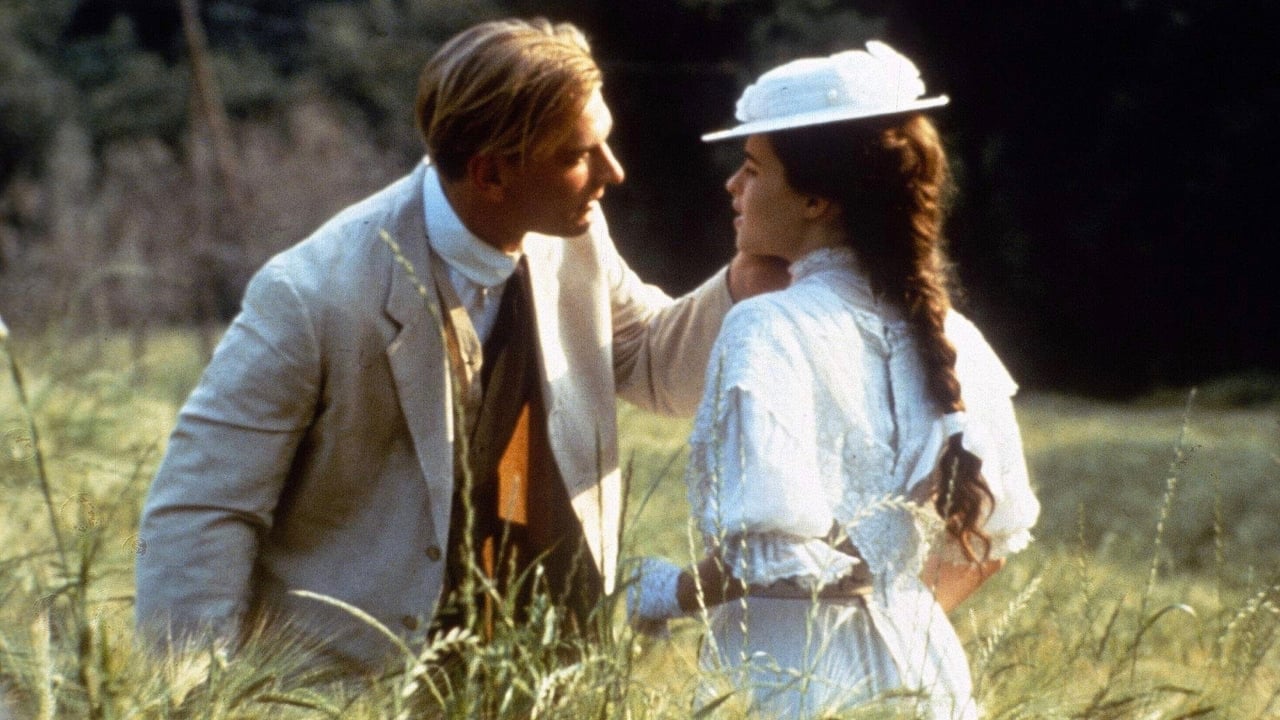
What truly elevates A Room with a View beyond mere costume drama is the extraordinary ensemble cast, each inhabiting their roles with breathtaking authenticity. Helena Bonham Carter, barely twenty at the time, captures Lucy's confusion, her moments of impulsive joy, and her frustrating retreats into convention with a vulnerability that makes her journey utterly compelling. You see the internal battle playing out across her expressive features.
And Maggie Smith! As Charlotte, she is simply perfection. Every pursed lip, every hesitant glance, every carefully barbed comment speaks volumes about a woman trapped by societal rules and perhaps her own regrets. It's a performance layered with subtle comedy and profound pathos. Alongside them, Denholm Elliott's Mr. Emerson is the film's warm heart, championing truth and connection with an endearing lack of pretension. His gentle nudges towards honesty are pivotal.
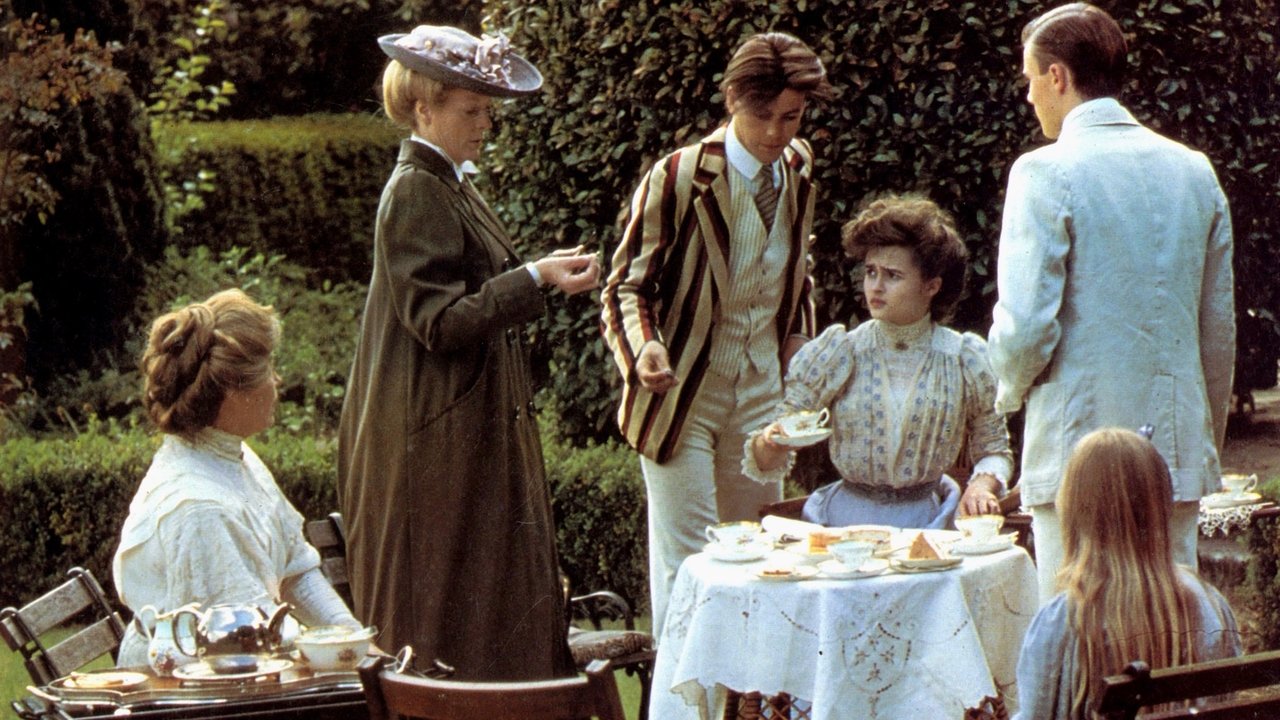
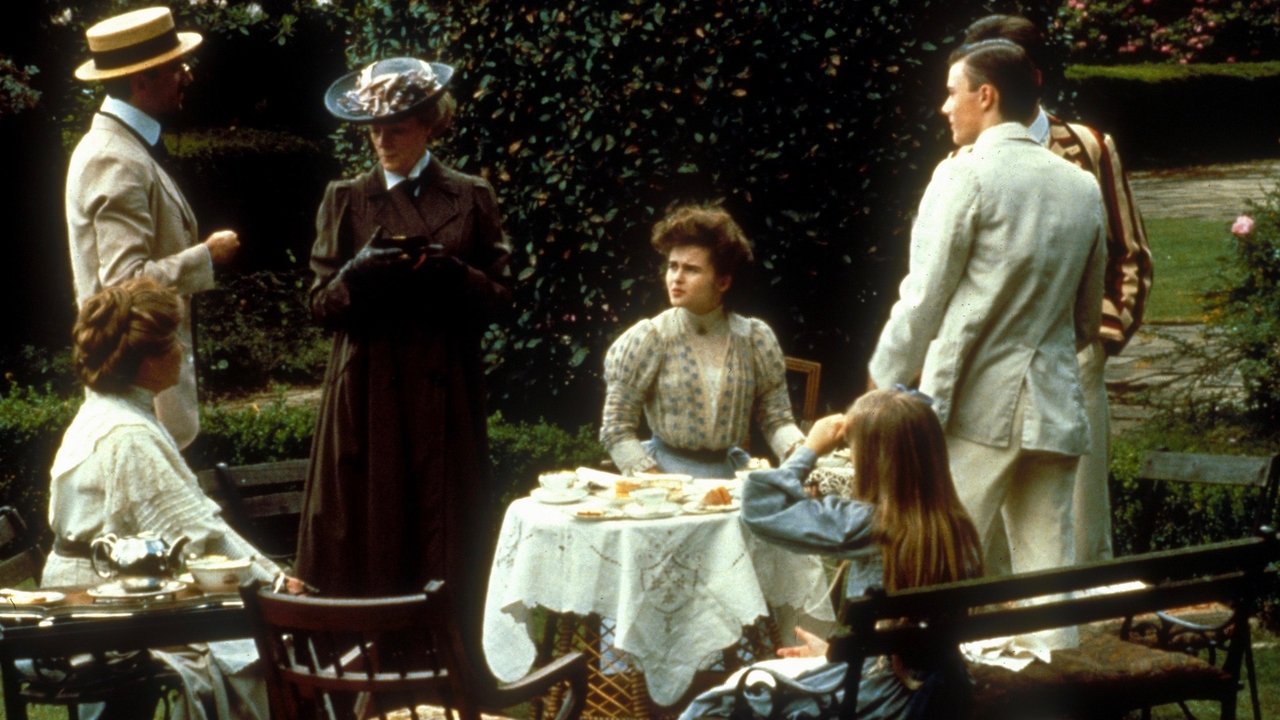
Then there's the opposing force: Cecil Vyse, Lucy's fiancé back in England, portrayed with excruciatingly brilliant fastidiousness by Daniel Day-Lewis. It's fascinating to note that 1985 also saw Day-Lewis play a completely different character, the punk street tough Johnny in My Beautiful Laundrette. His Cecil here is all pince-nez glasses, intellectual snobbery, and an almost complete inability to connect on an emotional level. He represents everything Lucy might settle for, and Day-Lewis makes him utterly believable, if utterly unbearable. And Julian Sands as George Emerson perfectly embodies the passionate, almost elemental force that awakens Lucy's own suppressed desires. His physicality and quiet intensity stand in stark contrast to Cecil's mannered intellectualism.
### Craftsmanship That Transports
Director James Ivory directs with a painterly eye, allowing the stunning Florentine locations (captured beautifully by cinematographer Tony Pierce-Roberts) and the meticulously recreated English settings to breathe. The film deservedly won Oscars for its Art Direction and Costume Design, immersing the viewer completely in the era. It's astonishing to think this visually sumptuous production was made for a relatively modest $3 million budget – a testament to the Merchant Ivory team's resourcefulness. It went on to become a significant arthouse hit, grossing over $60 million worldwide (that's like a film made for around $8 million today pulling in over $160 million!), proving audiences were hungry for intelligent, beautifully crafted drama.
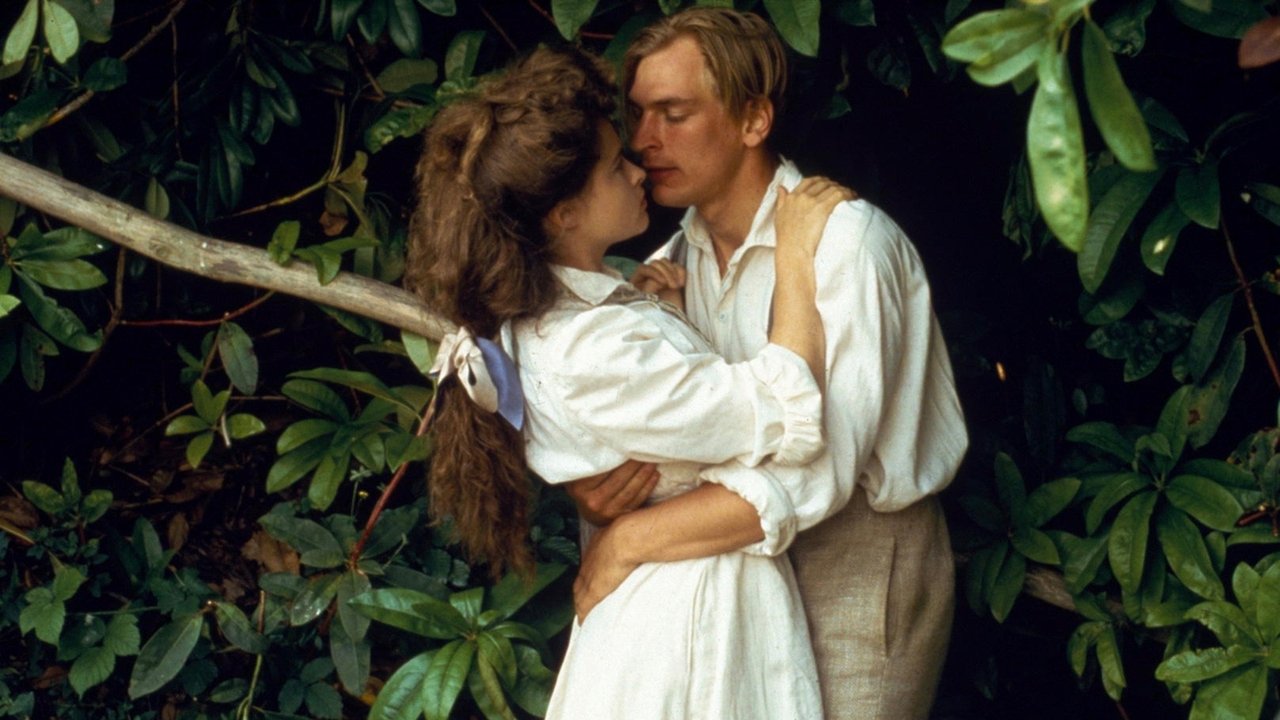
The pacing is deliberate, mirroring the gradual unfolding of Lucy's self-awareness. Ivory trusts the material and the actors, letting moments land without rushing. Think of the shocking immediacy of the spontaneous kiss in the poppy field – a burst of uncontrolled passion amidst the beauty of the Italian countryside, underscored by Puccini's soaring score. Or the quiet intensity of conversations laden with unspoken meaning back in England. What does it truly mean to live authentically? Can one find a balance between passion and propriety? The film doesn't offer easy answers, but invites us deeply into Lucy's struggle.
### Lasting Impressions
Revisiting A Room with a View feels less like dusting off an old VHS tape and more like opening a treasured photo album. It’s a reminder that amidst the action blockbusters and sci-fi epics that defined so much of the 80s video rental experience, there were these quieter, exquisitely rendered gems exploring the intricacies of the human heart. It’s a film about breaking free, about choosing the room with the view – not just of the Arno, but of a life lived with courage and honesty. The questions it raises about societal pressure versus personal truth still resonate powerfully today.
Rating: 9/10
This score reflects the film's near-perfect execution: masterful performances across the board, stunning visuals achieved on a modest budget, a superb Oscar-winning script that captures the novel's essence, and James Ivory's sensitive direction. It loses a single point perhaps only for a pacing that, while intentional, might feel slow to modern viewers accustomed to faster cuts, but this is intrinsic to its charm and reflective nature.
It remains a truly beautiful piece of cinema, a comforting yet profound exploration of love, choice, and the courage it takes to truly see the world – and oneself – clearly. What a view, indeed.