It’s remarkable how some films manage to sneak past your expectations, lodging themselves in your memory not with explosions or effects, but with the quiet power of a well-observed glance or a choked-back sob. When Ang Lee’s Sense and Sensibility arrived on shelves in 1995, often nestled between action blockbusters and sci-fi epics in the video store, it might have seemed like just another costume drama. But pulling that two-tape VHS set off the shelf (remember those?) and pressing play revealed something far richer, a film that understood not just the social intricacies of Jane Austen's world, but the turbulent, often contradictory, landscape of the human heart.
A Delicate Balance: Society and Self
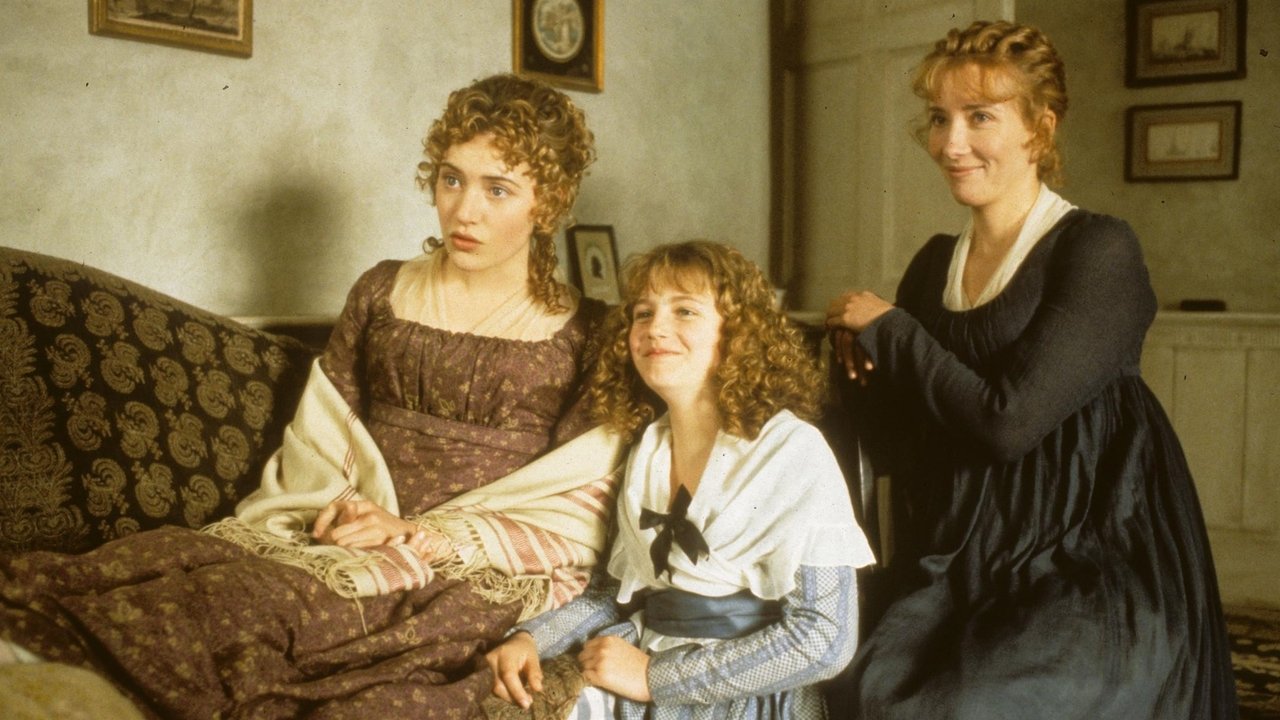
The premise, drawn from Austen’s beloved 1811 novel, follows the Dashwood sisters, Elinor and Marianne, as they navigate love, loss, and precarious finances after their father's death leaves them in reduced circumstances. Elinor, played with profound stillness and intelligence by Emma Thompson, embodies "sense" – propriety, restraint, a keen awareness of social obligation. Opposite her, Kate Winslet, in a star-making turn bursting with youthful fire, is Marianne, the avatar of "sensibility" – passionate, impulsive, wearing her heart utterly exposed. Their contrasting approaches to life and love form the film's emotional core, set against a backdrop of English society where reputation and fortune dictate nearly everything. It’s a world Lee captures beautifully, not just in the idyllic landscapes and elegant drawing rooms, but in the subtle codes of conduct and the constant, unspoken calculations happening beneath the surface.
From Page to Screen, With Unexpected Insight
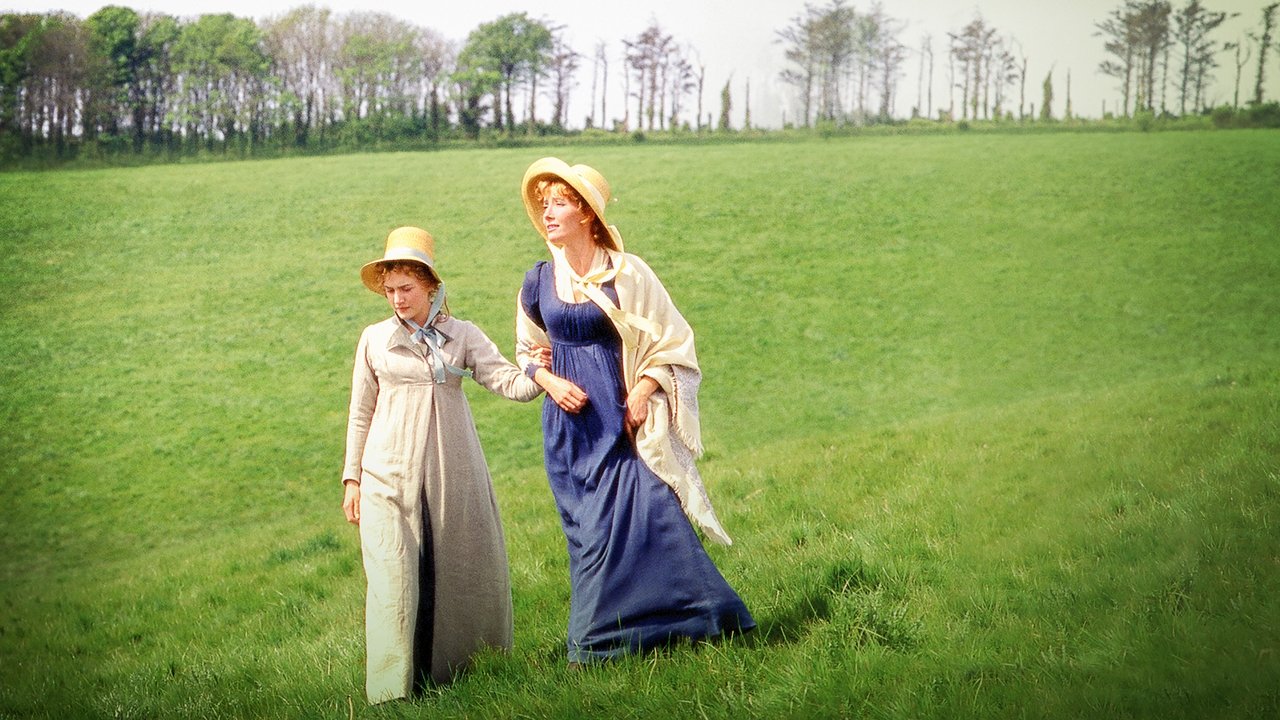
Adapting Austen is a perennial challenge, but Emma Thompson’s screenplay is a masterclass. Awarded the Academy Award for Best Adapted Screenplay – making her the only person ever to win Oscars for both acting and writing – her script distills the novel’s essence while making the characters and their dilemmas feel immediate and relatable. She trims plot intricacies where needed but never sacrifices the emotional weight or the sparkling, often sharp, social commentary. It took her five years to wrestle the novel into cinematic shape, and that dedication shines through in every scene.
What felt particularly inspired back in '95, and still does, was the choice of Ang Lee to direct. Known then for films like The Wedding Banquet (1993), he wasn't the obvious pick for a quintessential English period piece. Yet, his "outsider's eye" proved invaluable. Lee brings a visual grace and an emotional acuity that transcends cultural specifics. He focuses intensely on his actors, allowing unspoken feelings to register in fleeting expressions, hesitant gestures, or the way light falls across a face. Remember that heart-wrenching scene where Elinor finally breaks down, the carefully constructed dam of her composure giving way? Lee films it with such empathy, allowing Thompson the space to convey years of suppressed pain in a few shattering moments. It’s a testament to both actor and director.
Living, Breathing Characters
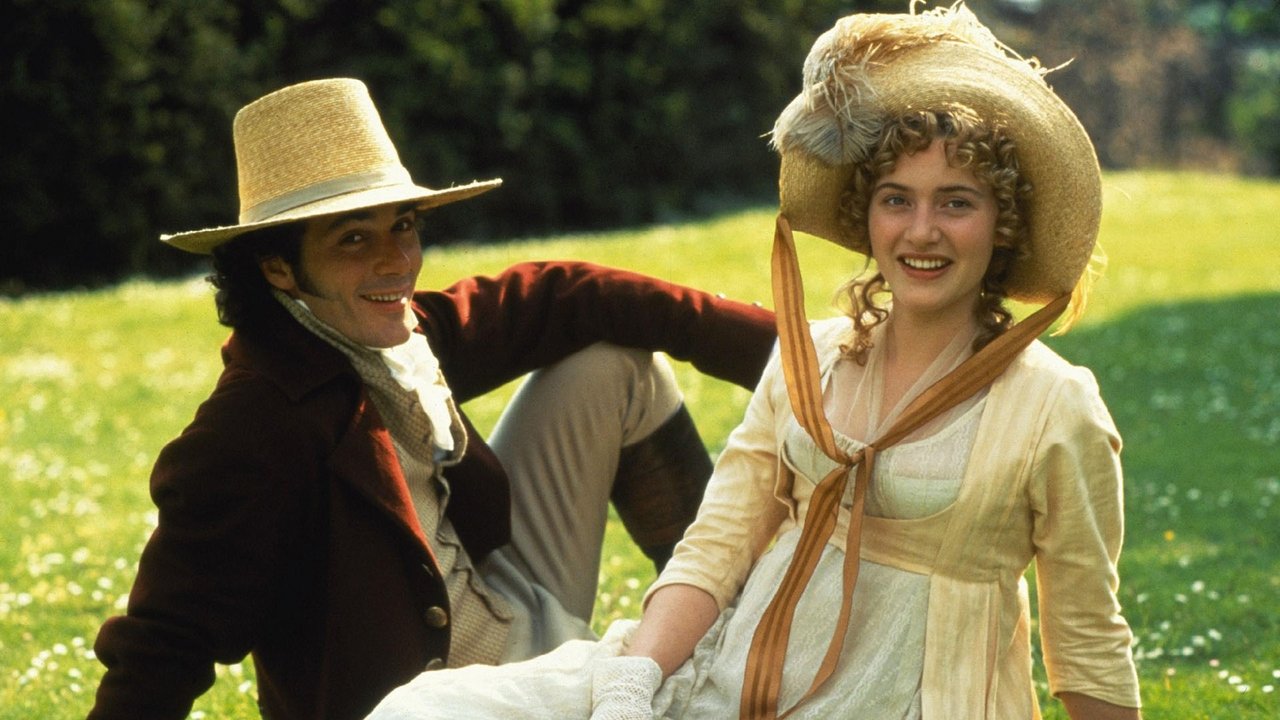
The performances are, simply put, superb across the board. Thompson is Elinor, conveying intelligence, warmth, and profound inner turmoil often with just her eyes. You feel the weight of her responsibilities, the agony of her hidden affections. Winslet’s Marianne is a force of nature – vibrant, sometimes foolishly romantic, but utterly captivating in her emotional honesty. It's easy to see why this role launched her into the stratosphere.
And the supporting cast? Hugh Grant, fresh off Four Weddings and a Funeral (1994), leans into his talent for portraying endearing awkwardness as the conflicted Edward Ferrars. His fumbling charm makes Edward’s predicament genuinely sympathetic. Then there's Alan Rickman as Colonel Brandon. Known often for more imposing or villainous roles (think Hans Gruber in Die Hard (1988)), Rickman imbues Brandon with a quiet dignity, deep melancholy, and unwavering devotion that is incredibly moving. His restrained performance speaks volumes, a perfect counterpoint to Marianne’s more overt emotional displays. Even the smaller roles, like the delightfully vulgar Mrs. Jennings (Elizabeth Spriggs) or the wonderfully pragmatic comic relief provided by Hugh Laurie and Imelda Staunton as the Palmers, feel perfectly cast and add layers to the film's social tapestry.
Beneath the Surface: Retro Reflections
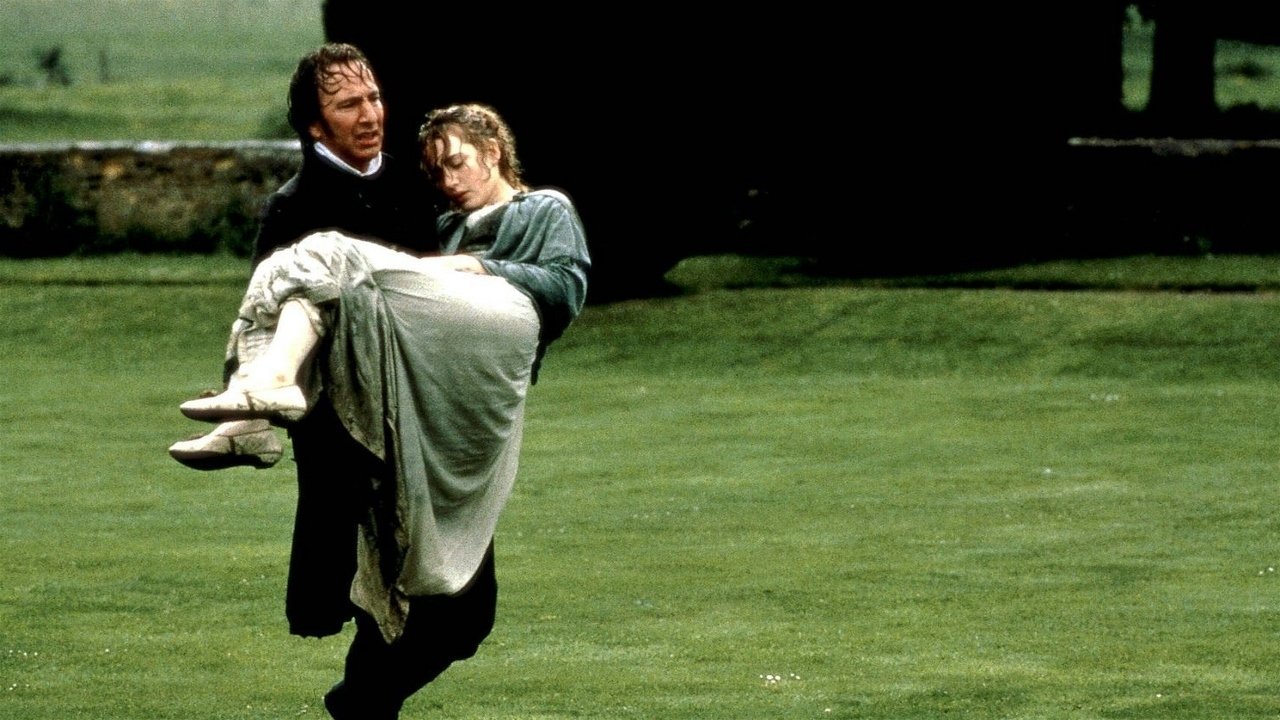
Watching it again now, perhaps on a format far removed from that chunky VHS, the craft still impresses. The film reportedly cost around $16 million – a modest sum even then – but returned a very healthy $135 million worldwide, proving there was a significant audience hungry for intelligent, character-driven stories. Lee and his team masterfully navigated the notoriously damp English weather, using locations like Saltram House in Devon to create an authentic sense of place. There’s a tactile quality to the film – the textures of the costumes, the damp chill in the air during Marianne's fateful walk in the rain – that grounds the emotional drama. It wasn't about flashy effects; the "special effect" here was the palpable chemistry and emotional resonance between the actors. It felt real, even within its period setting.
Enduring Resonance
Why does this particular Sense and Sensibility endure? It's more than just a faithful adaptation. It captures the timelessness of Austen's themes: the struggle for financial security (especially for women), the complexities of family duty, the societal pressures that shape our choices, and the enduring power of love in its many forms – romantic, familial, compassionate. It reminds us that restraint doesn't necessarily mean lack of feeling, and passion requires tempering with wisdom. These aren't just 19th-century concerns; they echo in our own lives, don't they? The film respects its source material while breathing vibrant life into it, making it accessible and moving for audiences then and now. It set a high bar for the wave of Austen adaptations that followed in the mid-90s.
Rating: 9/10
This rating feels entirely earned by the film's exceptional quality across the board. Emma Thompson's masterful script, Ang Lee's sensitive direction, the stunning cinematography, and career-defining performances from Thompson and Winslet, alongside a flawless supporting cast (especially Rickman and Grant), elevate this beyond mere adaptation. It's a beautifully crafted, emotionally intelligent film that captures the heart and wit of Austen perfectly. The slight deduction perhaps comes from the inherent limitations of adapting such a rich novel – minor subplots are inevitably streamlined – but what remains on screen is near-perfect.
Sense and Sensibility (1995) remains a shining example of literary adaptation done right. It’s a film that rewards revisiting, revealing new nuances with each watch – a warm, intelligent, and deeply moving journey back to a world of manners, yes, but also one brimming with universal human feeling. It’s a tape (or disc, or stream) I’ll gladly return to, time and time again.