There's a certain quiet hum that settles over you after watching James Ivory's Maurice. It’s not the triumphant fanfare of a typical romance, nor the crushing weight of tragedy. It’s something more complex, a low thrum of yearning, defiance, and the subtle ache of societal constraint. Seeing it again recently, decades after first discovering its spine on a crowded video store shelf – sandwiched perhaps between more boisterous period dramas – I was struck by how powerfully it still resonates, how its hushed intensity speaks volumes about the courage it takes to seek an authentic life.
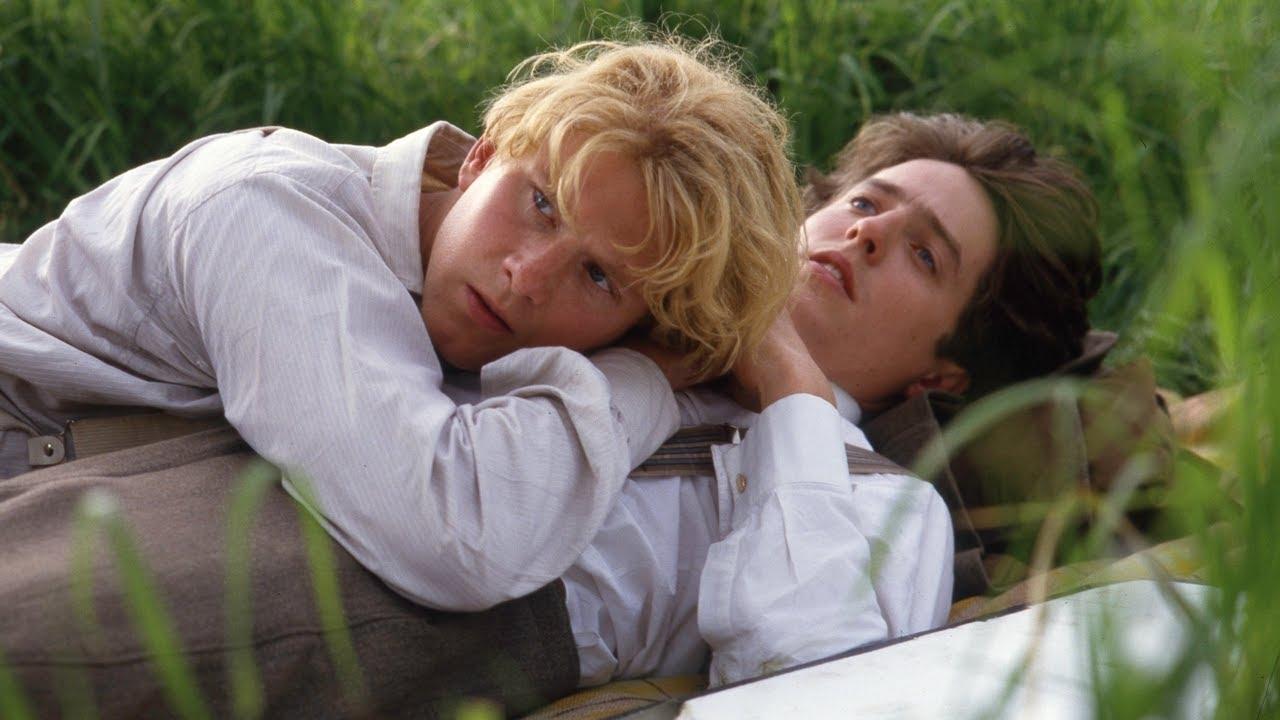
Based on the novel E.M. Forster penned around 1913 but kept locked away until after his death in 1970, Maurice (1987) feels like a whispered secret brought into the light. Forster, famous for Howards End and A Passage to India, felt the world wasn't ready for a story about homosexual love, particularly one that dared to offer a hopeful conclusion. That the film adaptation arrived in 1987, during the height of the AIDS crisis and a period of renewed social conservatism, only underscores its quiet bravery.
Worlds Colliding: Cambridge and Beyond
The film transports us effortlessly to Edwardian England, a world of manicured Cambridge lawns, wood-panelled studies, and rigid social codes. Here, we meet Maurice Hall (James Wilby), a fairly conventional young man of privilege, navigating the path expected of him. It’s at Cambridge that he encounters the charismatic and intellectually vibrant Clive Durham (Hugh Grant, in a performance that hinted at the star he would become, yet possessed a nuanced vulnerability). Their connection deepens beyond Platonic friendship into a deeply felt, albeit physically restrained, love. Ivory captures the charged intimacy of their shared moments – stolen glances across lecture halls, earnest conversations in Clive’s rooms – with exquisite sensitivity. There’s a palpable sense of discovery, but also an ever-present fear of exposure. The love they share is real, yet seemingly incompatible with the world they inhabit.
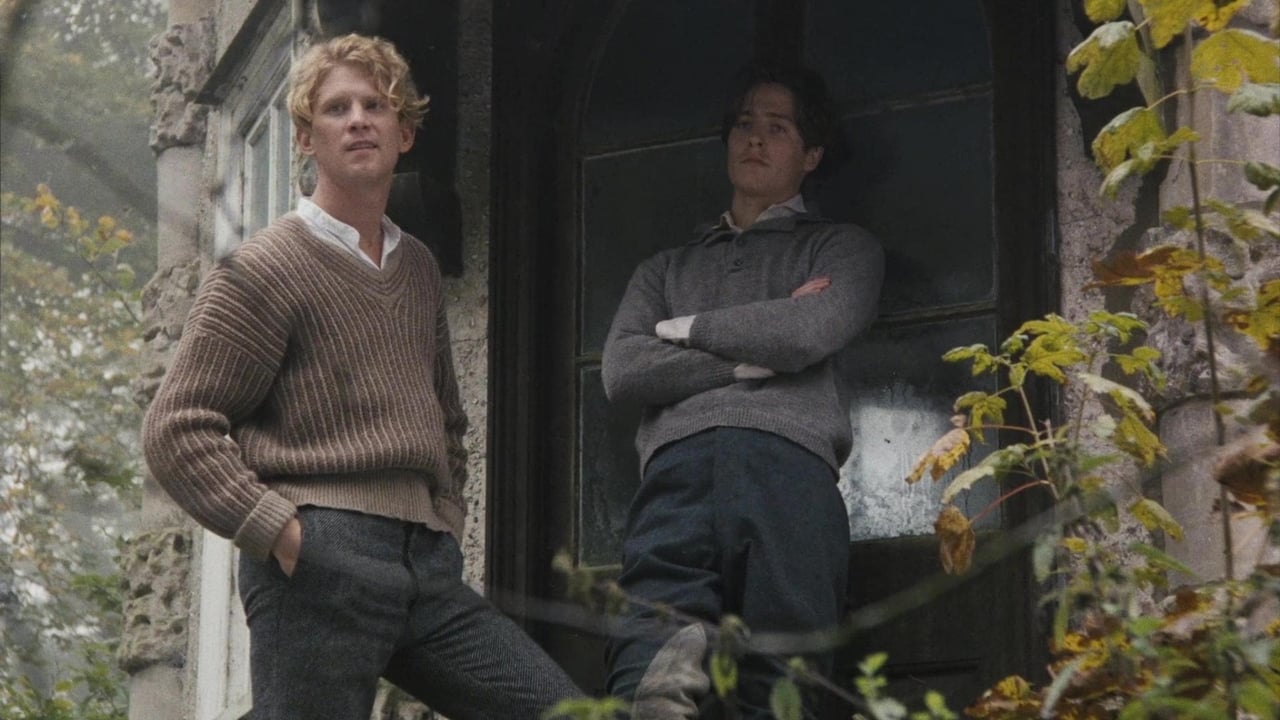
Hugh Grant portrays Clive’s eventual retreat from their shared intimacy with heartbreaking plausibility. Faced with the potential ruin exposure would bring, and shaken by the fate of another upper-class man caught in a homosexual scandal (a chilling reminder of the real-world dangers, drawn from Forster’s own experiences and observations), Clive chooses conformity. He marries, attempts to "cure" himself, and urges Maurice to do the same. Grant makes us feel the genuine affection Clive holds for Maurice, but also the profound fear that ultimately governs his choices. It’s a performance that resonates with the tragedy of self-denial.
An Unexpected Awakening
Maurice, however, finds himself unable to simply switch off his desires. James Wilby delivers a wonderfully subtle performance as the film’s heart. He charts Maurice’s journey from naive student to anguished conformist, and finally, to a man grappling with the truth of his own nature. Wilby conveys Maurice’s internal turmoil often through stillness, a flicker in his eyes, or a sudden rigidity in his posture. We feel his loneliness acutely after Clive’s withdrawal, his desperate attempts to fit in, including seeking therapy from a baffled hypnotist (played briefly but memorably by Ben Kingsley).
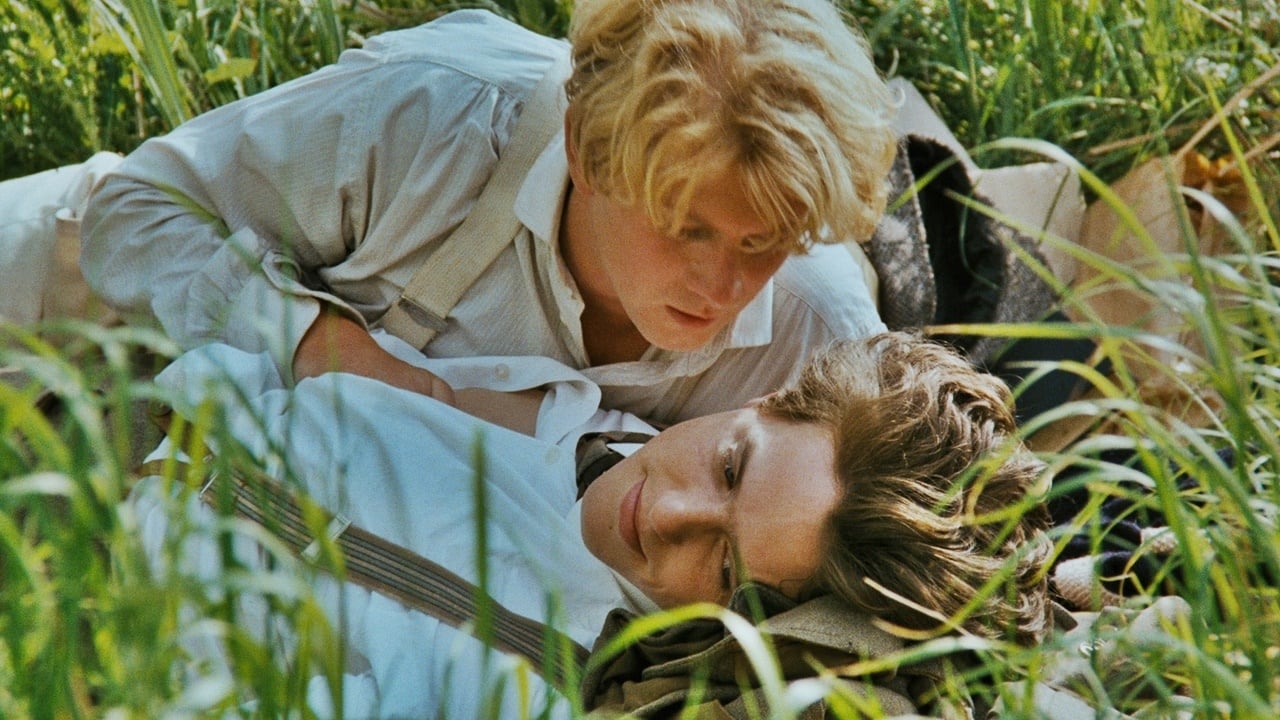
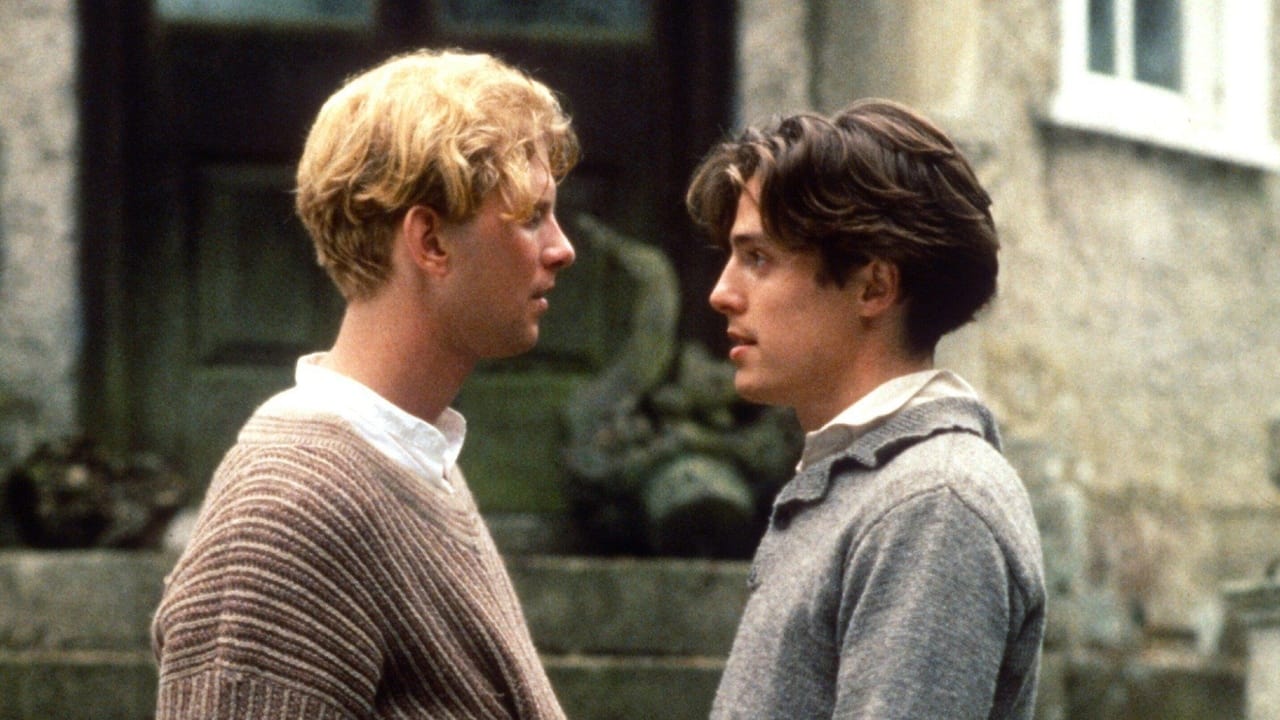
It's the arrival of Alec Scudder (Rupert Graves), the under-gamekeeper on Clive’s country estate, that shatters Maurice’s carefully constructed world. Scudder represents everything Clive is not – working class, unashamedly physical, direct. Their initial encounter, a rain-soaked night where Scudder climbs through Maurice’s window, is electric with a tension that transcends mere plot mechanics. It’s a collision of worlds, classes, and desires. Rupert Graves imbues Scudder with a raw, grounded energy that contrasts sharply with the repressed intellectualism of Cambridge. He's not idealized; he's pragmatic, even opportunistic at times, yet ultimately capable of profound emotional honesty. The connection between Maurice and Scudder feels dangerous, unpredictable, yet undeniably liberating.
The Merchant Ivory Touch, Subverted
Coming just two years after Merchant Ivory Productions’ sun-drenched hit A Room with a View (1985), also a Forster adaptation, Maurice shares the team's signature visual elegance. The meticulous period detail, the stunning locations (including Forster's own King's College, Cambridge), the evocative cinematography by Pierre Lhomme – it’s all there. Yet, the mood is different. There's a certain melancholy underpinning the beauty, a sense of shadows lengthening even in the grandest estates. The lushness serves not just as backdrop, but as a kind of beautiful cage, highlighting the constraints the characters struggle against. This wasn't just another Merchant Ivory heritage piece; it was arguably their most personal and challenging film to date, tackling themes Forster himself couldn't publish. Ivory, working with co-writer Kit Hesketh-Harvey, remained remarkably faithful to the spirit, and much of the letter, of Forster's intensely personal novel.
Interestingly, the film secured crucial funding based on the recent success of A Room With a View, allowing Ivory the freedom to tackle this more controversial material. The gamble paid off critically, earning Ivory the Silver Lion for Best Director at the Venice Film Festival, an award shared by Wilby and Grant for Best Actor.
A Quietly Radical Hope
What ultimately makes Maurice endure is its refusal to end in tragedy. Forster was adamant about giving his characters a chance at happiness, an act of deliberate optimism in the face of societal hostility. The film honors this, leaving Maurice and Alec together, choosing love and an uncertain future over the stifling security of conformity. Watching this conclusion unfold on a flickering CRT screen back in the day felt quietly revolutionary. In an era where queer stories in mainstream media often ended in despair or punishment, Maurice offered a vision, however fragile, of enduring love. Does their choice seem impossibly romanticised given the era? Perhaps. But isn't the assertion that such love deserves a chance at happiness the most radical statement of all?
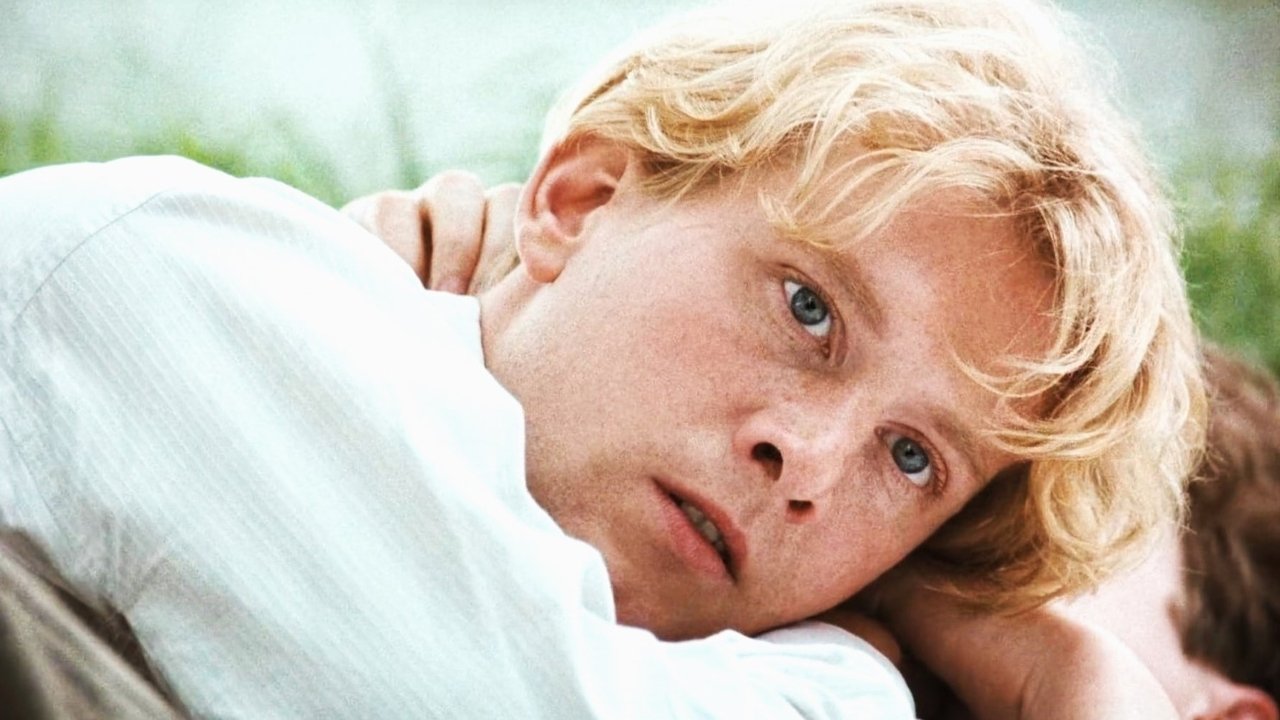
Maurice isn't a film that shouts; it whispers, it observes, it feels. It invites you into the hushed intensity of forbidden love and asks profound questions about identity, societal pressure, and the courage required to live authentically. The performances remain incredibly affecting, capturing the nuances of desire, fear, and burgeoning self-acceptance with remarkable truthfulness.
Rating: 9/10
This near-perfect score reflects the film's masterful direction, deeply resonant performances, and its sheer, quiet courage. It’s a beautifully crafted adaptation that tackles its subject matter with sensitivity and intelligence, capturing the specific historical context while speaking to universal themes of love and identity. Its slightly idealized ending, while true to Forster's intent, is perhaps the only element keeping it from absolute perfection, yet it remains a profoundly moving and important piece of cinema from the VHS era. It lingers, not with grand pronouncements, but with the enduring question: what compromises are we willing to make for acceptance, and what price do we pay for denying the truth of our own hearts?