It’s a curious thing, isn't it, how timing can cast such a long shadow over a film's reception? Sometimes a movie arrives like a perfectly timed punchline, other times it feels like it missed the party altogether. Watching Miloš Forman's Valmont (1989) again after all these years, that sense of unfortunate timing hangs heavy in the air, yet peel back that layer, and you find a film rich with its own distinct textures and interpretations, a compelling counterpoint humming beneath the noise of its more famous cinematic sibling.
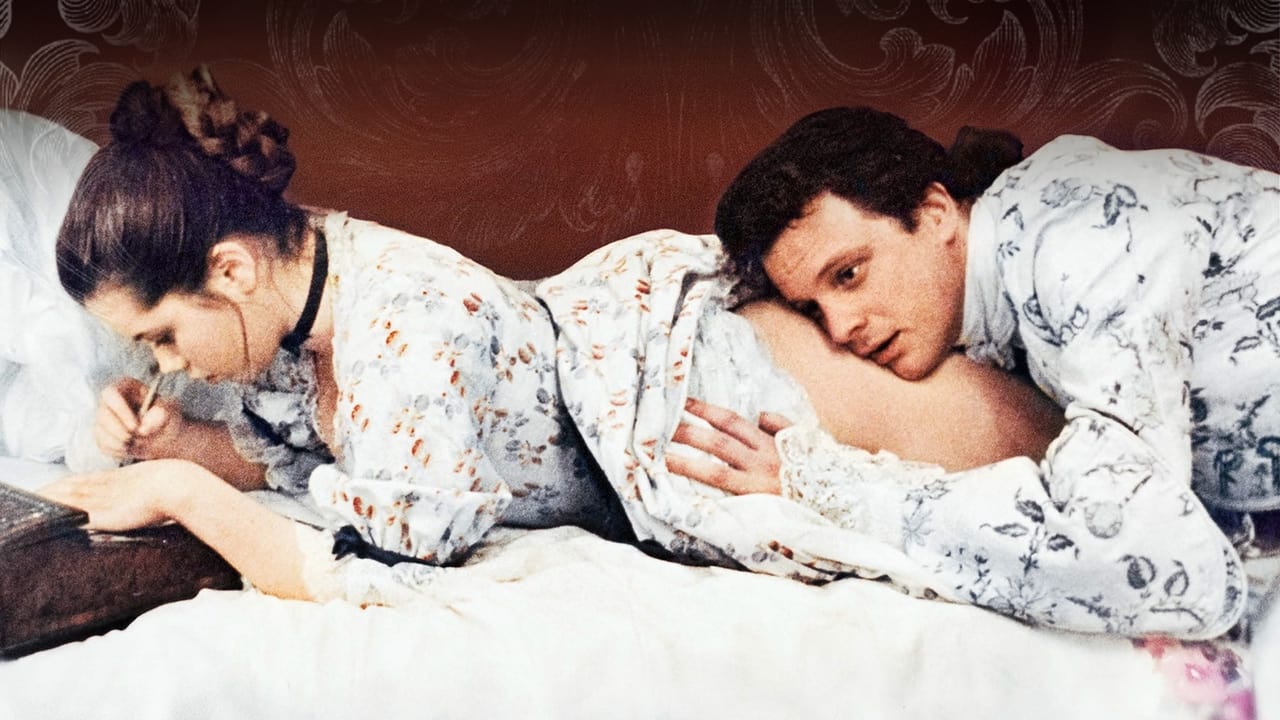
For those who frequented the video store aisles in late '89 or early '90, the arrival of Valmont might have felt like déjà vu. Just a year prior, Stephen Frears' Dangerous Liaisons (1988) had scorched its way across screens, earning critical acclaim and box office success with its sharp, venomous take on Choderlos de Laclos' 1782 novel of aristocratic intrigue and sexual manipulation. Seeing another lavish adaptation arrive so soon felt... surprising. I remember picking up the Valmont VHS box, drawn in by Forman's name – the maestro behind One Flew Over the Cuckoo's Nest (1975) and the glorious Amadeus (1984) – and wondering how his vision would differ.
A Softer Light on Dark Games
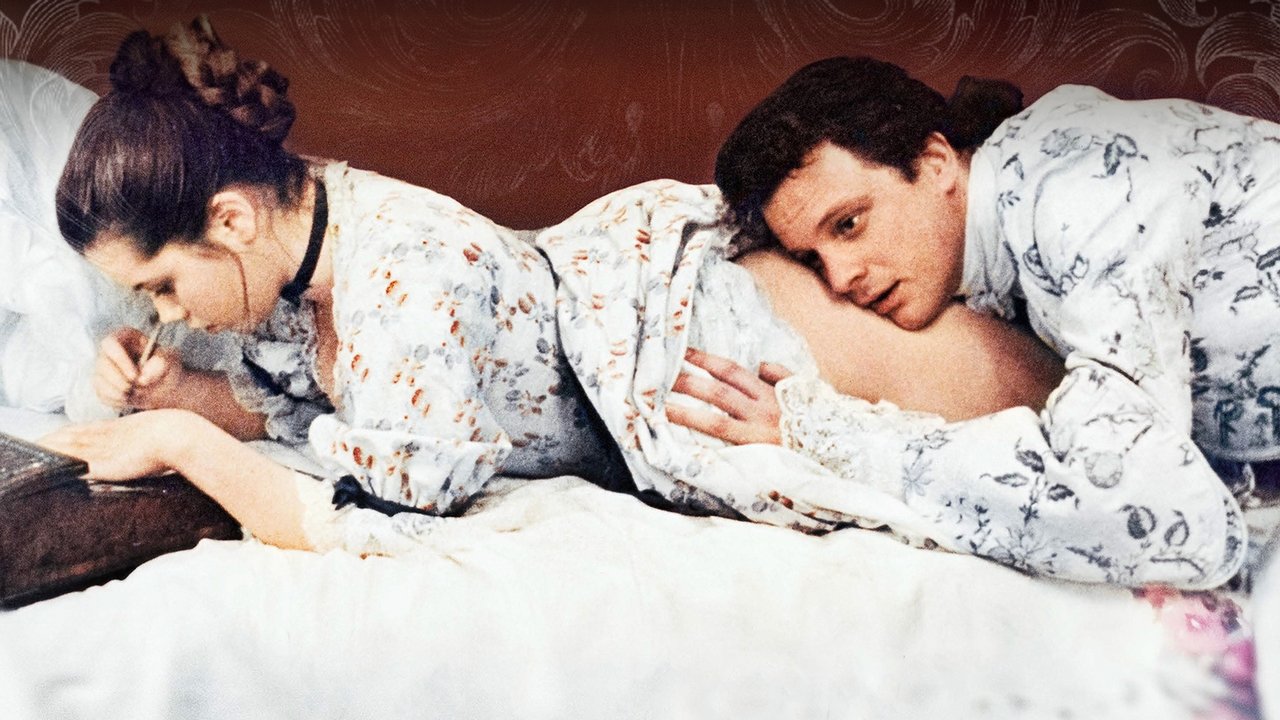
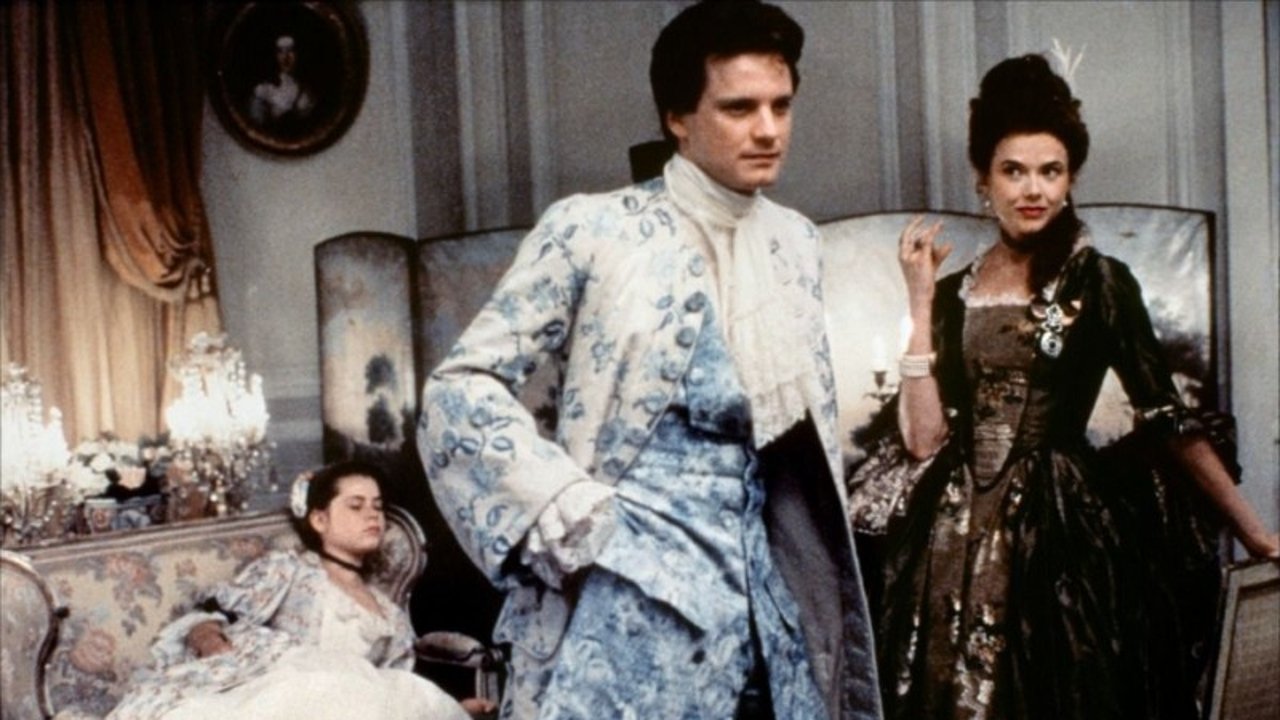
And differ it does. Where Frears' film felt like brittle, cutting theatre brought vividly to life, Forman, collaborating with the legendary screenwriter Jean-Claude Carrière (a frequent partner of Luis Buñuel, no less), seems less interested in the icy calculation and more in the flush of youth, the heat of burgeoning sensuality, and perhaps the tragedy of innocence corrupted rather than the triumph of cynical destruction. It's a sunnier, visually softer interpretation. The shadows are less stark, the colours warmer, the French countryside and château interiors rendered with the painterly eye Forman and his Amadeus cinematographer Miroslav Ondříček brought to Mozart's Vienna. The costumes, by Forman's regular collaborator Theodor Pištěk (who won an Oscar for Amadeus), are exquisite, less about imposing power and more about capturing the textures and freedoms (or lack thereof) of the era.
The Players in a Different Arena
This tonal shift fundamentally reframes the central figures. Colin Firth, then a rising actor years before Mr. Darcy cemented his heartthrob status, presents a Vicomte de Valmont who is undeniably charming, almost boyishly mischievous, but carries less of the predatory menace John Malkovich embodied. Firth’s Valmont seems driven as much by a desire to impress and a certain playful vanity as by genuine malice. Does this lessen the character's impact? Perhaps for some. But it also makes his pursuit of the virtuous Madame de Tourvel feel, initially at least, less like calculated predation and more like an immature, albeit dangerous, game he doesn't fully grasp the consequences of.
Then there's Annette Bening as the Marquise de Merteuil. This was a star-making turn waiting to happen, and Bening radiates intelligence and a palpable delight in her own manipulative prowess. Compared to Glenn Close's iconic portrayal of distilled vengeance, Bening’s Merteuil feels younger, perhaps more impulsive, her schemes laced with a giddy energy that masks a deep-seated vulnerability. It's a fascinating performance, suggesting a woman navigating the brutal constraints placed upon her gender with the sharpest tools available – wit and sexual politics. Her chemistry with Firth crackles with the energy of former lovers who know each other far too well.
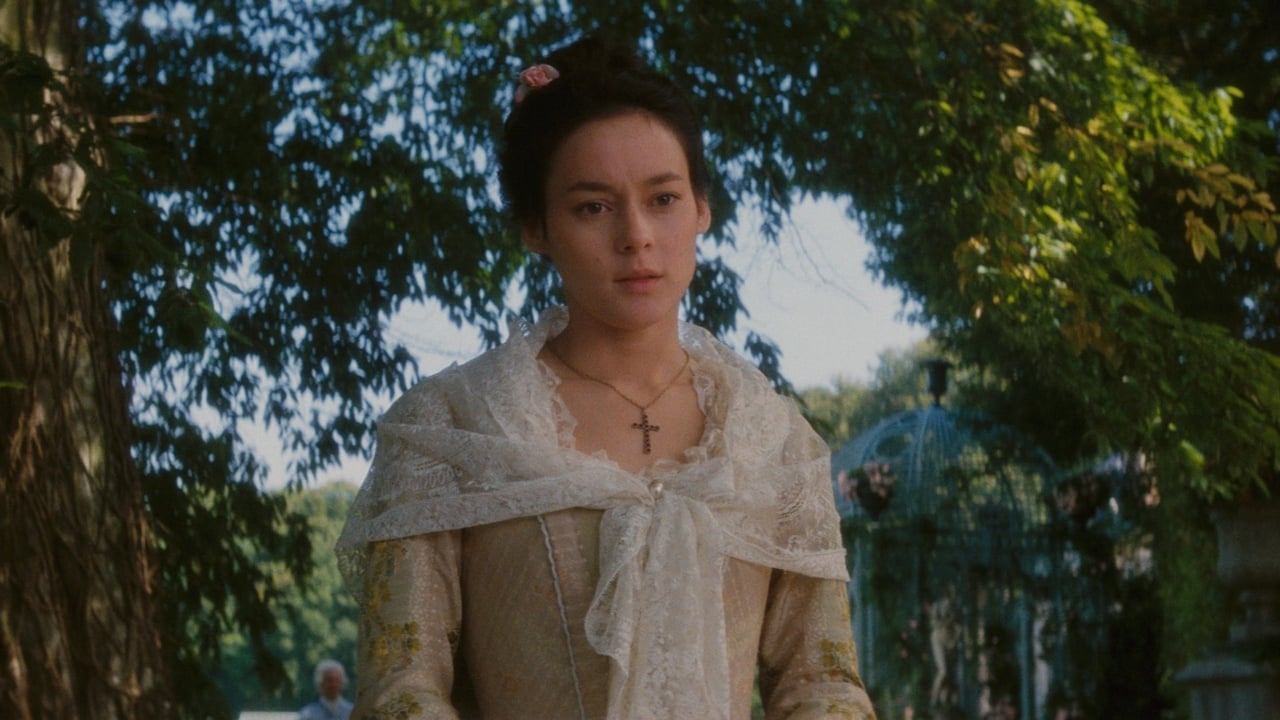
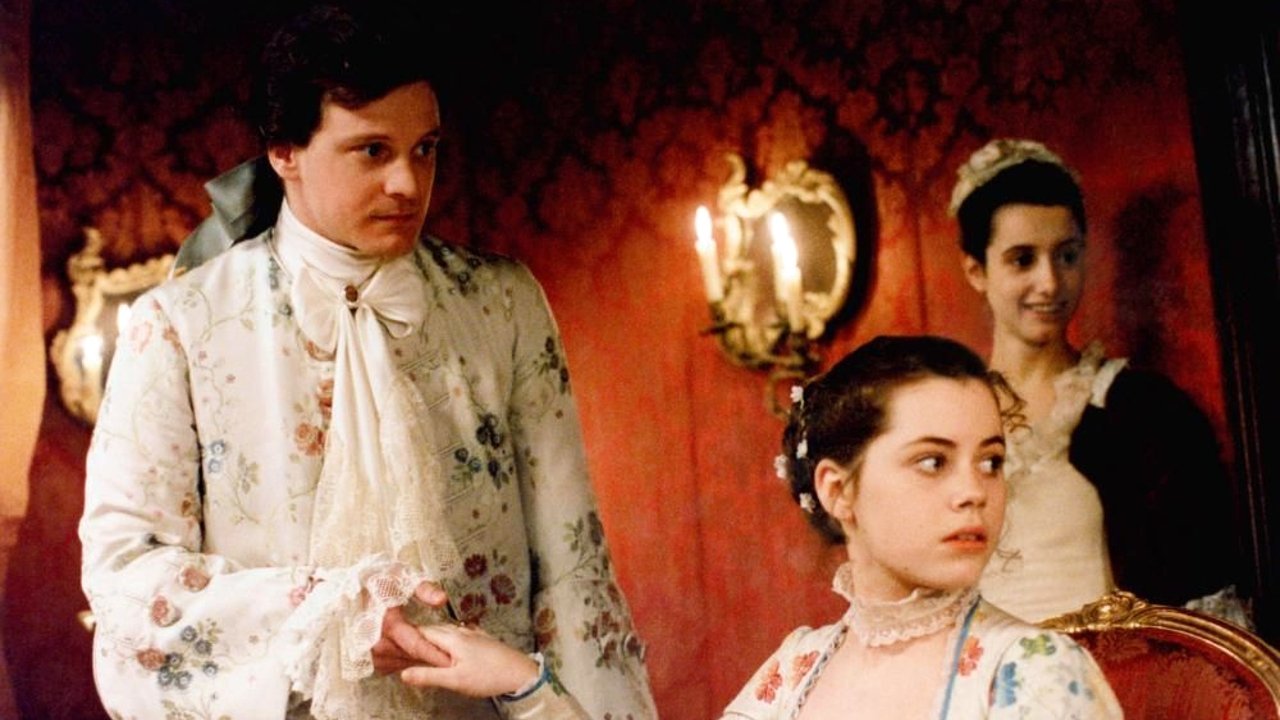
And as the virtuous, married Madame de Tourvel, Meg Tilly offers a portrayal steeped in genuine piety and later, bewildered heartbreak. Her vulnerability feels less like a fragile porcelain doll (as Michelle Pfeiffer’s Tourvel sometimes felt) and more like a woman whose deeply held beliefs are being systematically, tragically dismantled. Tilly conveys Tourvel’s internal struggle with a quiet intensity that’s quite moving.
The Unfortunate Race
You can't discuss Valmont without addressing the elephant in the drawing-room: the production race. Forman and Carrière had actually begun developing their adaptation first. However, Christopher Hampton adapted his own successful stage play for Frears, and that production moved faster, securing high-profile stars and hitting cinemas first. The impact was significant. Dangerous Liaisons, made for around $14 million, became a hit ($34.7 million US gross) and an awards contender. Valmont, despite a considerably larger budget reported at $33 million (a hefty sum for the time, roughly $81 million today!), struggled to find an audience, barely cracking $1.1 million domestically. It was a harsh financial lesson in Hollywood timing. Was it simply market saturation, or did audiences prefer the sharper, more overtly cynical take offered by Frears? It’s hard to say definitively, but Valmont undoubtedly suffered commercially for arriving second.
Beneath the Surface
Yet, dismissing Valmont as merely "the other one" does it a disservice. Forman wasn't trying to replicate the theatricality of the Hampton play; he and Carrière were going back to the novel, finding different rhythms, different psychological beats. There's a languid quality here, a focus on stolen glances, unspoken desires, and the oppressive beauty of the aristocratic cage. Forman seems fascinated by the process of seduction and corruption, the gradual erosion of principles under the pressure of persistent charm or societal expectation. He allows moments to breathe, letting the opulence of the setting contrast with the moral decay unfolding within it. Was the film perhaps too subtle for audiences primed by the explicit wickedness of its predecessor?
Watching it now, on a screen far removed from the CRT glow of my old rental VCR, Valmont feels like a rediscovery. It’s a reminder that the same story can yield vastly different truths depending on the storyteller's focus. Forman’s film might lack the immediate, shocking bite of Dangerous Liaisons, but it offers a more sensual, visually sumptuous, and perhaps more melancholic exploration of Laclos’ eternally relevant games of love and power. It asks us to consider the folly and vulnerability beneath the scheming, the human cost often obscured by the brilliance of the players.
Rating: 7.5/10
This score reflects a beautifully crafted, intelligently acted film that offers a valid and often captivating interpretation of its source material. Miloš Forman's direction is assured, the performances (Firth, Bening, Tilly) are nuanced and engaging on their own terms, and the production itself is gorgeous. It loses points primarily for feeling slightly less impactful and incisive than its celebrated rival, a comparison impossible to ignore given their proximity and shared origins. Its commercial misfortune feels less like a reflection of its quality and more a quirk of release date fate.
Valmont remains a fascinating piece of late 80s cinema – a lush, thoughtful period drama that deserves to be appreciated not just as a footnote, but as a compelling film in its own right, a different reflection in the same cracked mirror of aristocratic desire.