How do you capture the ceaseless, churning river of thought and memory that defines a life onto celluloid? Virginia Woolf’s Mrs. Dalloway, a landmark of modernist literature, seems almost defiant of cinematic adaptation with its deep dives into the internal landscapes of its characters. Yet, Marleen Gorris’s 1997 film doesn't just attempt it; it breathes a quiet, poignant life into Woolf’s intricate tapestry of a single day in 1923 London, reminding us that the grandest dramas often unfold entirely within the human heart. Finding this on a video store shelf back in the day, perhaps nestled between bigger, louder releases, felt like uncovering a hidden gem. Watching it again evokes that same feeling – a sense of quiet discovery.
A London Day, A Lifetime Unveiled
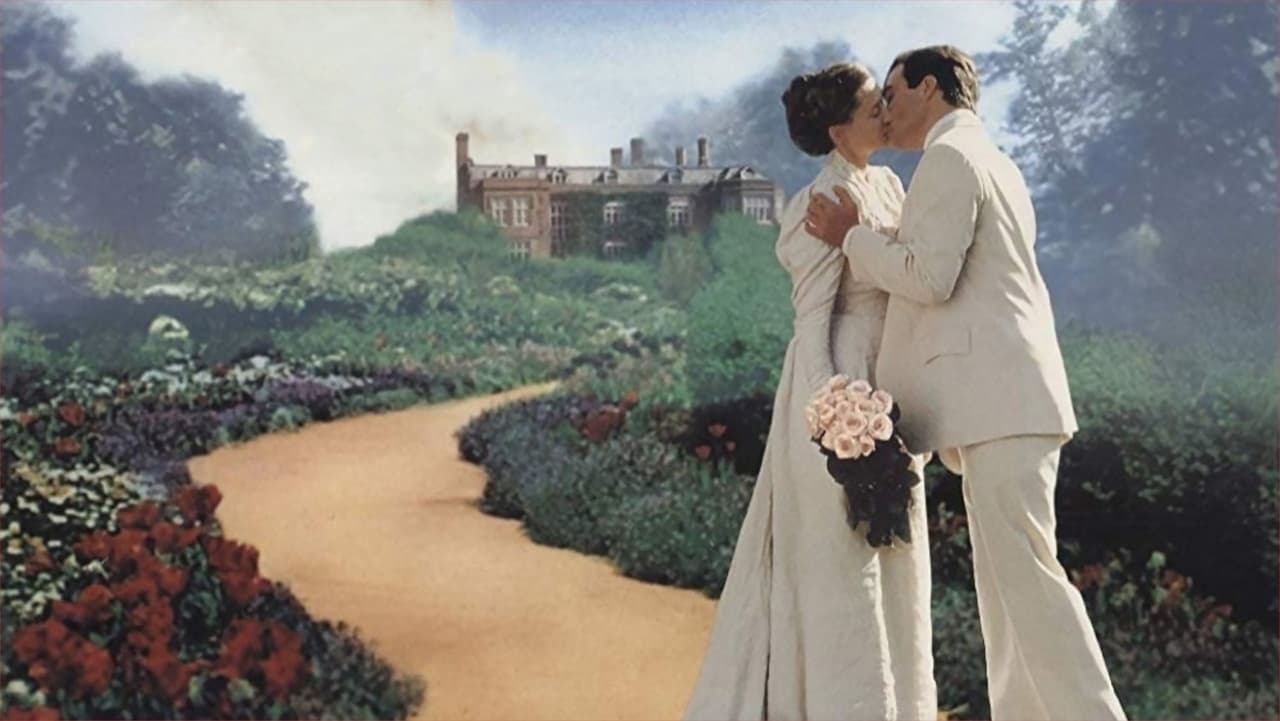
The premise is deceptively simple: Clarissa Dalloway, a well-regarded society hostess, prepares for an evening party. As she moves through London, buying flowers and managing household details, her thoughts drift – back to a youthful summer at Bourton, to roads not taken, loves considered and lost, and the choices that have shaped her present existence. This isn't a film driven by explosive plot points, but by the subtle accumulation of memory and sensation. Gorris, fresh off her remarkable Best Foreign Language Film Oscar win for Antonia's Line (1995), uses the London setting not just as a backdrop, but as a living entity, reflecting the internal states of the characters moving through it. The bustling streets, the quiet parks – they all seem to hold echoes of the past.
Weaving Thought and Time
The true brilliance here lies in how the film translates Woolf's revolutionary stream-of-consciousness narrative. It helps immensely that screenwriter Eileen Atkins wasn't merely adapting Woolf; she had immersed herself in the author's world for years, having previously adapted and performed Woolf's work on stage (notably A Room of One's Own and Vita & Virginia). Atkins’s script, born from such deep familiarity, masterfully navigates the shifts between Clarissa’s present actions and her vivid recollections. Elegantly integrated flashbacks, featuring a luminous Natascha McElhone as the younger Clarissa, aren't just exposition; they are emotional currents pulling us back to pivotal moments, revealing the foundations of the woman we see today. McElhone captures the vibrant, questioning energy of youth, making the weight of experience carried by the older Clarissa feel earned and resonant.
Parallel to Clarissa’s preparations runs the story of Septimus Warren Smith (Rupert Graves), a shell-shocked World War I veteran haunted by visions and despair. His tragic trajectory acts as a stark counterpoint to Clarissa’s carefully curated life, touching on themes of trauma, societal indifference, and the fragile nature of sanity. The film doesn't shy away from the darkness underpinning the post-war era's outward composure, subtly linking these two disparate lives through shared moments of reflection and the pervasive atmosphere of London itself.
A Tour De Force of Nuance
At the heart of the film is, unquestionably, Vanessa Redgrave as Clarissa Dalloway. It's a performance of extraordinary subtlety and depth. Redgrave embodies Clarissa not through grand pronouncements, but through the flicker of an eye, a momentary hesitation, the ghost of a smile playing on her lips as a memory surfaces. She conveys the intricate dance of social obligation, personal longing, and quiet anxieties that define Clarissa's inner life. We see the warmth of her affections, the sting of past regrets, and the constant, low hum of existential questioning beneath the polished surface. It’s a portrayal that feels utterly authentic, capturing the complexities of a woman assessing her life’s meaning as she approaches its later chapters.
The supporting cast is equally strong. Michael Kitchen brings a quiet solidity to Richard Dalloway, Clarissa's dependable but perhaps emotionally distant husband. And Alan Cox offers a poignant glimpse of Peter Walsh, the passionate love from Clarissa’s youth, now returned from India, embodying one of those significant 'what ifs' that haunt her reflections. His presence forces a confrontation with the past she keeps revisiting in her mind.
Beyond the Surface
This isn't a film that shouts its themes; it allows them to surface gently. Questions about the constraints placed on women, the compromises made in life and love, the nature of happiness, and the profound impact of seemingly small moments resonate long after the credits roll. What does it mean to have lived fully? Does societal success equate to personal fulfillment? The film doesn’t offer easy answers, mirroring Woolf’s own nuanced exploration of human consciousness. There's a certain bravery in its quietude, particularly in a decade often leaning towards louder cinematic statements. It trusts the audience to engage with the internal, the unspoken.
I remember renting this tape, likely on a quiet evening, drawn by Redgrave's name and perhaps the promise of a thoughtful period drama. It delivered something more profound – a film that stayed with me, prompting reflections on my own choices and memories. It felt like a mature, sensitive piece of filmmaking that respected its source material and its audience.
Rating: 8.5/10
Mrs. Dalloway is a masterful adaptation that succeeds where many might falter. Anchored by Vanessa Redgrave's career-highlight performance and guided by Marleen Gorris's sensitive direction and Eileen Atkins's insightful script, it beautifully captures the essence of Woolf's groundbreaking novel. The film skillfully navigates complex themes and the fluidity of memory, offering a viewing experience that is both intellectually stimulating and deeply moving. Its deliberate pace and focus on internal drama might not appeal to everyone, but for those willing to immerse themselves in its world, it offers rich rewards. It stands as a testament to the power of quiet observation and the enduring resonance of a life thoughtfully examined.
What lingers most, perhaps, is the film's gentle insistence on the significance of every passing moment, every fleeting thought – the very fabric of our lives, captured with grace and intelligence.