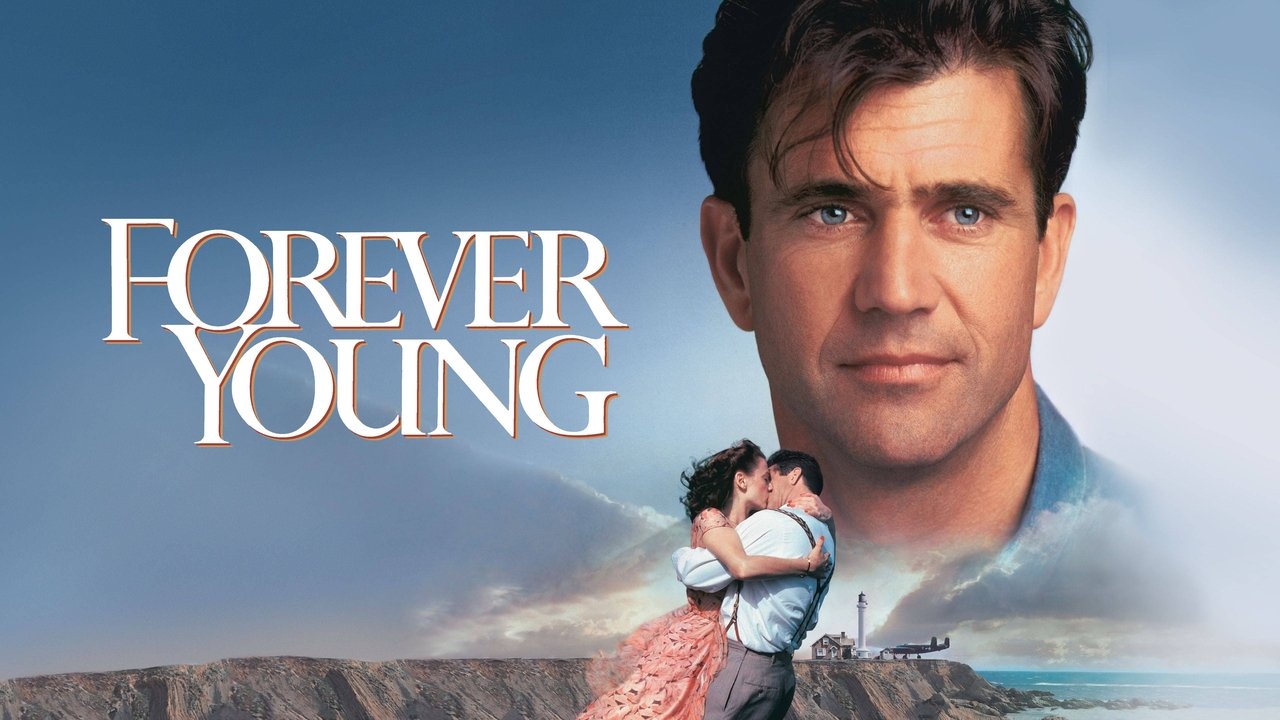
What if love meant stopping time itself? Not in a metaphorical sense, but literally stepping outside its relentless current, waiting in icy suspension for a future that might reunite you with the one you lost. It’s a potent, almost mythic premise, and it sits right at the heart of Steve Miner’s 1992 film, Forever Young, a movie that arrived on VHS shelves blending romance, science fiction, and adventure with a surprising degree of sincerity. It’s a film that feels distinctly of its era, yet touches on timeless anxieties about love, loss, and the irretrievable nature of time.

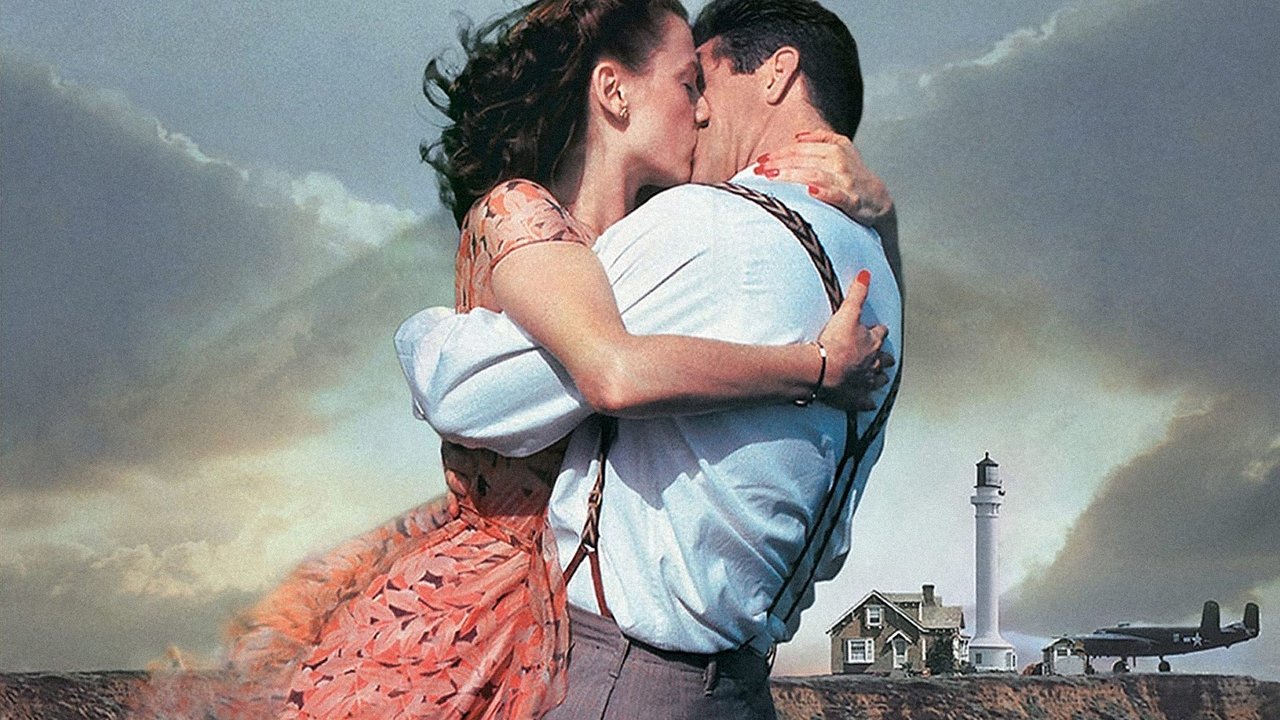
The setup, penned by a remarkably young J.J. Abrams (yes, that J.J. Abrams, in one of his earliest credited screenplays), feels like something out of a pulp magazine, yet it’s presented with earnest conviction. In 1939, dashing test pilot Captain Daniel McCormick (Mel Gibson, radiating pre-war charisma) is devastated when his sweetheart, Helen, falls into a coma following an accident just as he’s about to propose. Unable to face a future without her, he volunteers for a top-secret cryogenic experiment spearheaded by his friend Harry Finley (George Wendt, bringing his reliable warmth). The plan: freeze Daniel for just one year, hoping Helen recovers. Of course, things go awry. The experiment is forgotten, tucked away in a military warehouse, leaving Daniel frozen not for a year, but for over five decades.
Awakening in a Strange New World
The film truly finds its footing when Daniel is accidentally discovered and thawed out in 1992 by two curious boys, one of whom is Nat Cooper, played by a very young and instantly engaging Elijah Wood. It’s through Nat’s eyes, and those of his compassionate single mother, nurse Claire Cooper (Jamie Lee Curtis), that we experience Daniel’s disorientation. The world has irrevocably changed. Technology, culture, even the simple pace of life – it's all alien. Steve Miner, perhaps better known to genre fans for his work on horror flicks like Friday the 13th Part 2 (1981) and House (1986), handles this transition with a gentle touch, finding humor in Daniel's fish-out-of-water moments without dwelling excessively on slapstick. There’s a quiet wonder, and a creeping sense of dread, as Daniel realizes the sheer gulf of time he’s traversed.
It's worth noting that Abrams reportedly wrote the script while still a college senior, selling it to Warner Bros. for a hefty $2 million – an almost unheard-of sum back then for such a young writer, signaling the potential the studio saw in this high-concept story. That initial spark, blending classic Hollywood romance with a sci-fi twist, is certainly evident.
Performances That Ground the Fantastic
What truly elevates Forever Young beyond its potentially outlandish premise are the central performances. Mel Gibson, then at the peak of his leading-man status after hits like Lethal Weapon (1987) and Mad Max 2: The Road Warrior (1981), brings a crucial vulnerability to Daniel. He's not just a man out of time; he's a man consumed by grief and a desperate, enduring love. His gradual bonding with Nat, fueled by Elijah Wood's natural talent and wide-eyed curiosity, forms the emotional core of the film's middle section. Their scenes together, particularly those involving the restoration of a vintage B-25 Mitchell bomber (a genuine WWII aircraft named "Executive Sweet" was used for filming, adding a layer of historical authenticity), feel genuine and heartwarming.
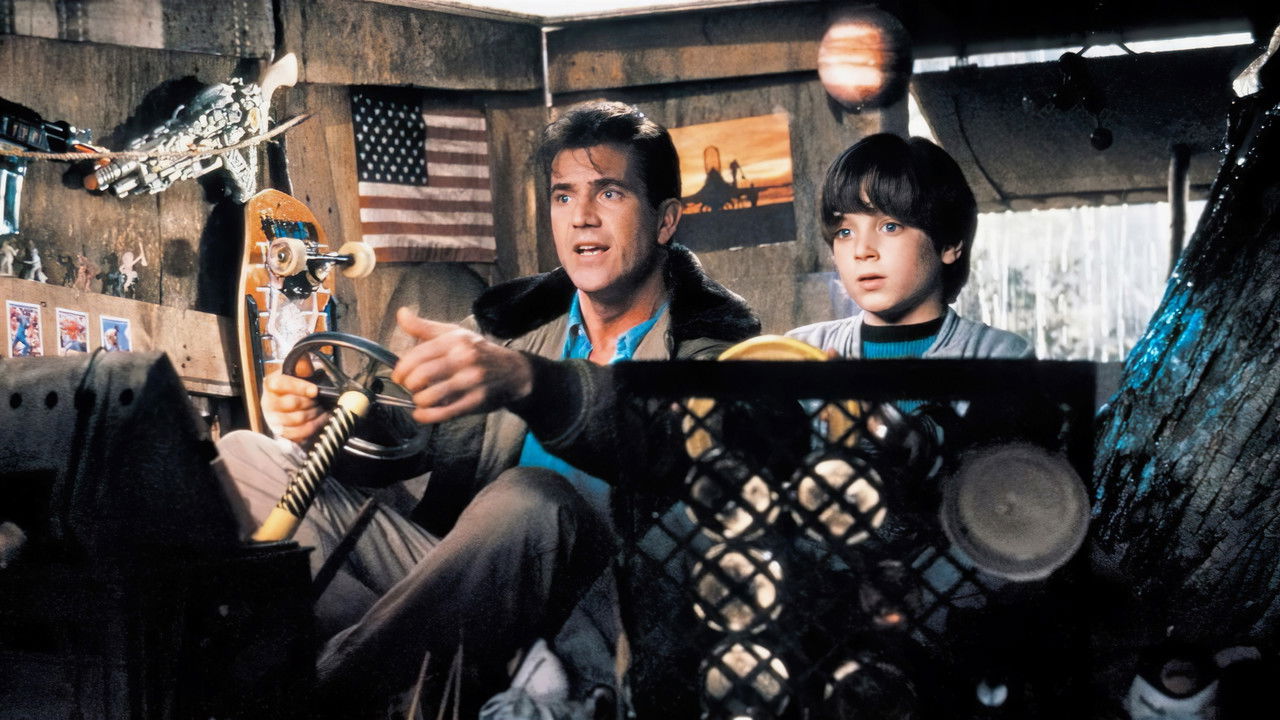
Jamie Lee Curtis, fresh off roles showcasing both her dramatic and comedic chops like A Fish Called Wanda (1988), provides the essential anchor. Claire is practical, kind, and understandably wary of this stranger who seems to have stepped out of another era. Curtis plays her with an understated strength and warmth that prevents the burgeoning romance from feeling forced. The chemistry between Gibson and Curtis is subtle but believable, developing organically amidst the strangeness of Daniel's situation. Does their connection fully convince as a replacement for the epic love that drove Daniel into suspension? Perhaps not entirely, but it provides a vital human connection in his bewildering present.
More Than Just Romance
While undeniably a romance, Forever Young also explores deeper themes. The ticking clock element – Daniel discovers the cryogenic process wasn't quite perfect, and he begins aging rapidly – adds a layer of suspense and poignancy. What does it mean to reclaim lost time when your own is suddenly running out? The film touches on the idea of second chances, but also the quiet sorrow of realizing some things can never truly be recaptured. The visual contrast between the sepia-toned, almost idealized 1939 prologue and the lived-in reality of 1992 effectively underscores this passage of time.
Let’s not forget the practical effects, particularly the aging makeup. While perhaps not seamless by today's standards, the work, reportedly consulted on by the legendary Dick Smith (The Exorcist, Amadeus) and executed by Greg Cannom (Mrs. Doubtfire, Bram Stoker's Dracula), effectively conveys Daniel’s alarming physical deterioration, adding tangible stakes to his race against time. It’s a reminder of the craft involved in pre-digital filmmaking that we often look back on with fondness.
A Lasting Warmth
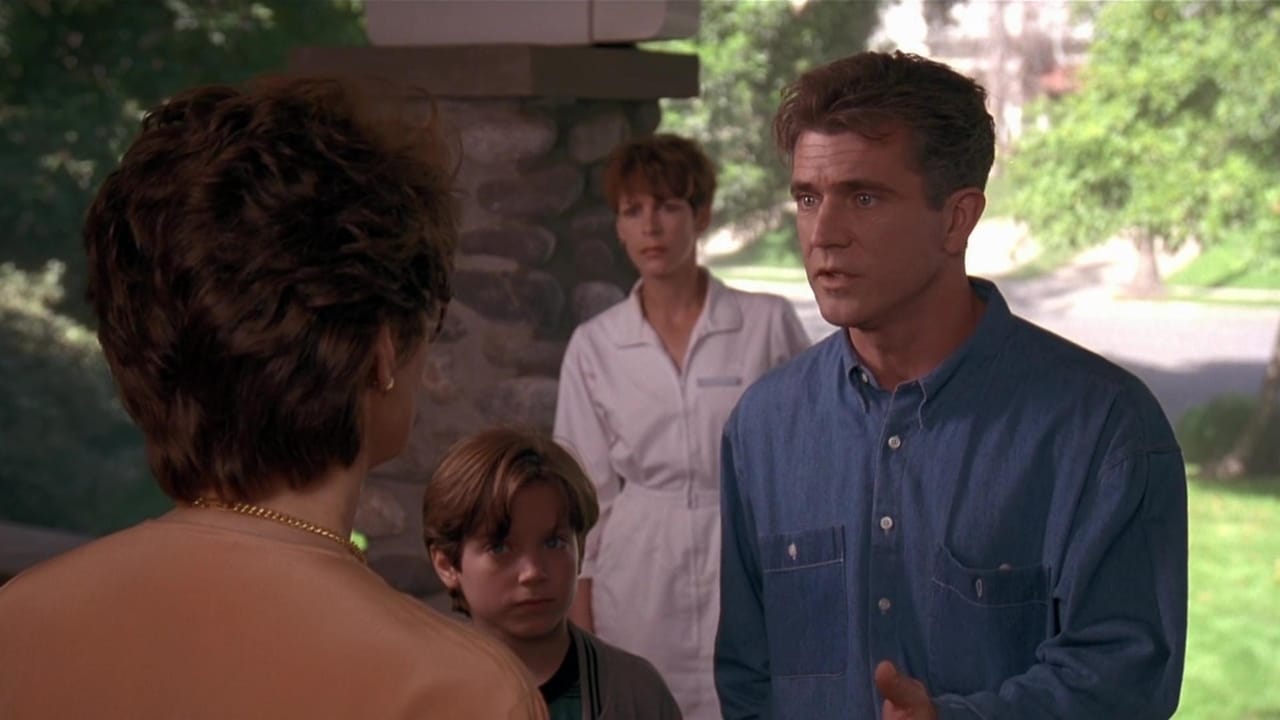
Revisiting Forever Young today, perhaps on a worn-out tape pulled from the back of a shelf, is a strangely comforting experience. It's a film that doesn't strive for gritty realism or complex ambiguity. Instead, it offers a heartfelt, slightly old-fashioned story wrapped in a high-concept premise. It achieved considerable success upon release, pulling in over $127 million worldwide against its $20 million budget (that's roughly $275 million adjusted for inflation today – a solid hit!), suggesting its blend of romance, adventure, and nostalgia resonated with audiences. It might feel a touch sentimental, perhaps even predictable in places, but its sincerity is undeniable. The core performances remain strong, and the central question of undying love continues to hold a certain power.
Rating: 7/10
This score reflects a film that succeeds beautifully on its own terms. It's not a groundbreaking masterpiece, but it's a well-crafted, emotionally engaging piece of 90s popular filmmaking with strong performances and a memorable premise. The blend of genres works surprisingly well, and the core romance, while perhaps a touch idealized, is handled with genuine warmth. It might not linger as a profound statement, but it certainly leaves you with a feeling of wistful charm – a quality that feels perfectly suited to the nostalgic glow of VHS Heaven. Isn't there something enduringly appealing about a story where love, quite literally, attempts to conquer time?