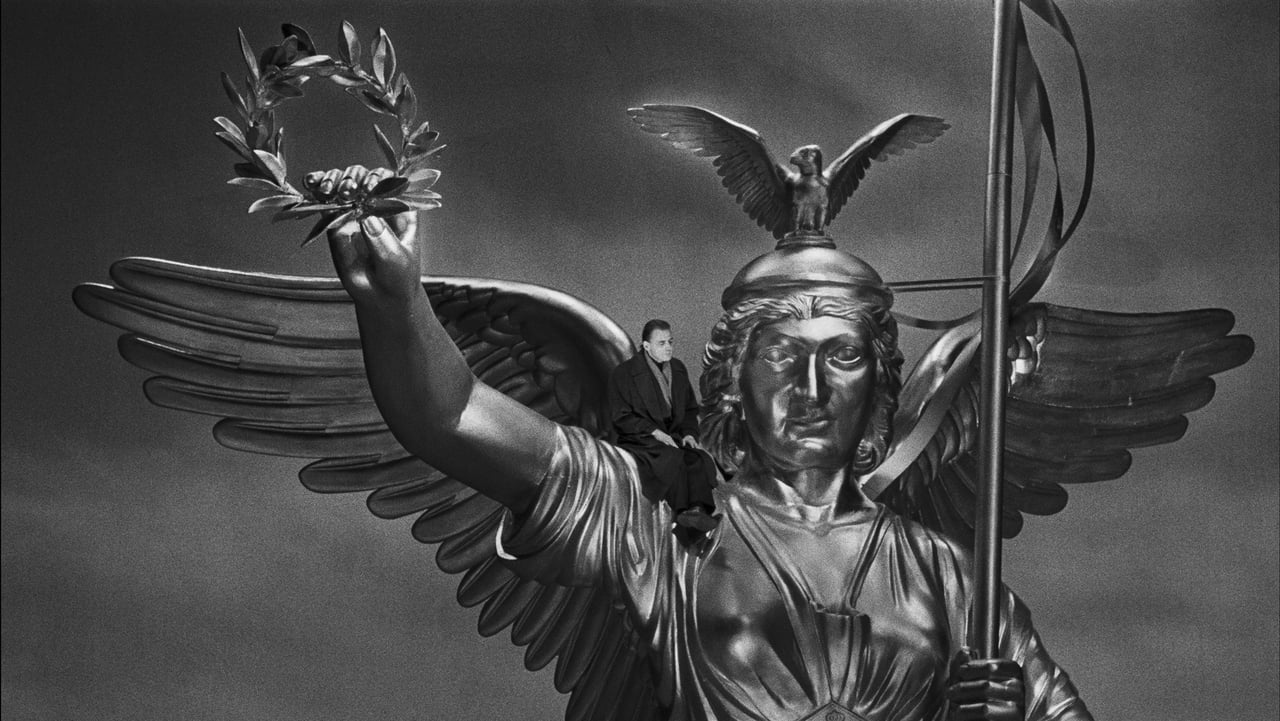
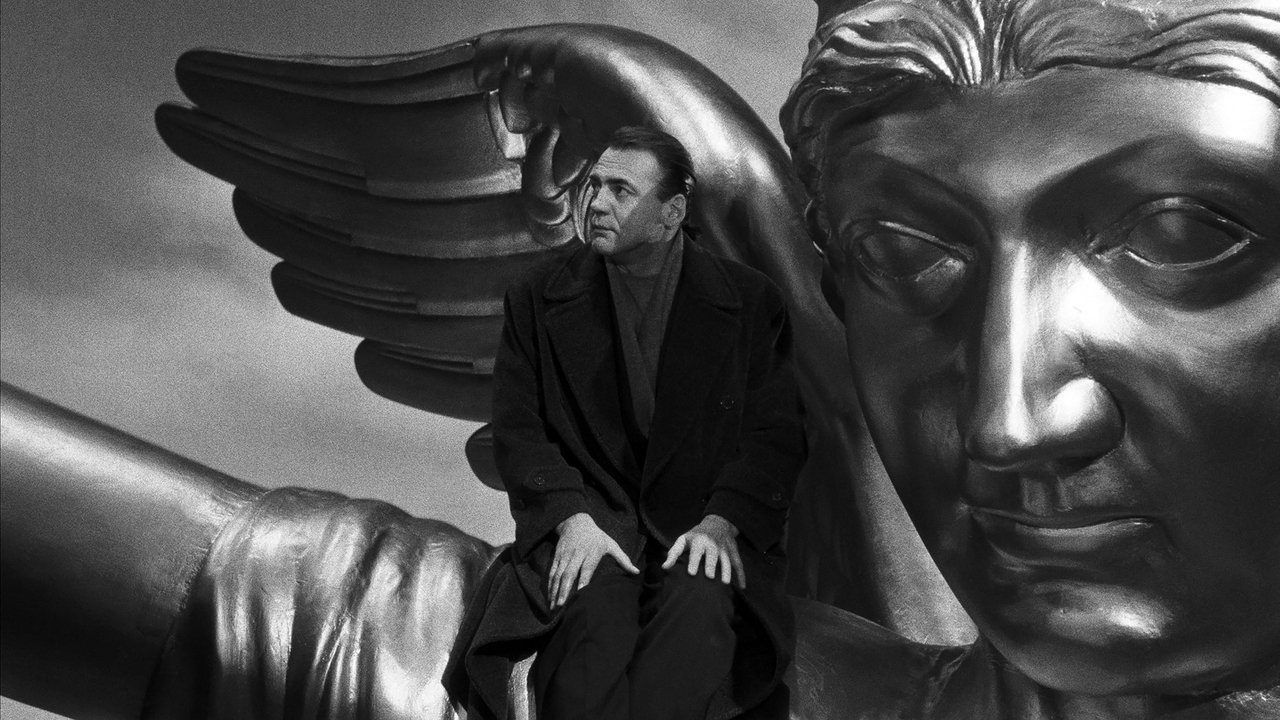
What if angels walked among us, unseen, unheard, chronicling the quiet triumphs and desperate sorrows of human existence? Not celestial beings of judgment, but eternal observers, cloaked in heavy coats, perched atop the monuments of a divided Berlin, listening intently to the symphony of inner thoughts. This isn't the setup for a fantasy epic, but the profound and poetic heart of Wim Wenders' 1987 masterpiece, Wings of Desire (Der Himmel über Berlin). Seeing it again, decades after first encountering its monochrome beauty on a flickering CRT, feels less like watching a movie and more like revisiting a dream etched onto celluloid.
### Listening to Berlin's Soul
The film introduces us to Damiel (Bruno Ganz) and Cassiel (Otto Sander), two angels who have spent eternity bearing witness to humanity. They cannot interact, only observe and offer silent comfort to the distressed. Wenders, along with co-writer Peter Handke, creates an atmosphere thick with introspection. The stunning black-and-white cinematography by the legendary Henri Alekan (who shot Cocteau's Beauty and the Beast) isn't just a stylistic choice; it is the angelic perspective – detached, timeless, viewing the world in shades of historical weight rather than fleeting sensation. We drift through late 80s West Berlin, eavesdropping on fragmented thoughts – anxieties about rent, philosophical musings, declarations of love, cries of despair. It’s a city haunted by its past and uncertain of its future, a feeling amplified by the ever-present Berlin Wall, a stark character in itself just two years before its fall. I distinctly remember renting this tape, perhaps filed under "Foreign Films" or maybe even "Drama," the stark cover art hinting at something profound and utterly different from the usual action or comedy fare lining the shelves. It was.
### The Longing for Touch, Taste, and Time
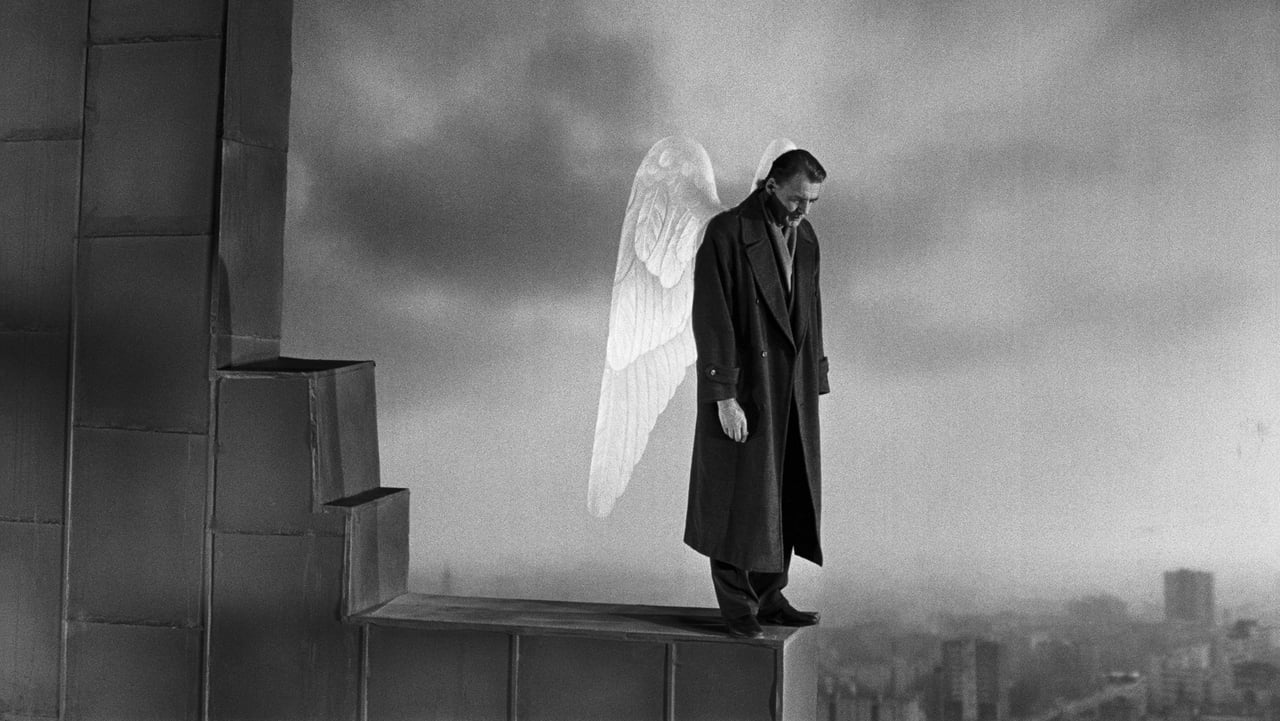
At the core of Wings of Desire is Damiel's growing dissatisfaction with eternity. He yearns to experience the tangible world, to feel the warmth of coffee, the sting of cold air, the simple weight of being human. This longing crystallizes when he encounters Marion (Solveig Dommartin), a lonely, ethereal trapeze artist performing in a struggling circus. Bruno Ganz, an actor of immense subtle power (later known globally for Downfall), delivers a performance of quiet transcendence. His eyes convey centuries of observation and a burgeoning, almost childlike wonder at the mortal existence he wishes to grasp. There's no grandstanding, just a deeply felt interiority that makes his eventual choice utterly believable. Solveig Dommartin, who was Wenders' partner at the time and learned circus skills for the role, embodies a fragile grace that captures Damiel's angelic heart. Their connection feels fated, poetic, a meeting of souls across different planes of existence.
### Whispers from Behind the Camera
The making of Wings of Desire is almost as fascinating as the film itself. Wenders famously started without a conventional script, armed mainly with notes, poems, and the desire to capture the spirit of Berlin. Much of the dialogue, particularly the inner monologues, was developed through improvisation and collaboration with the actors. Filming near the heavily guarded Berlin Wall presented unique challenges, requiring careful negotiation and adding a layer of authentic tension.
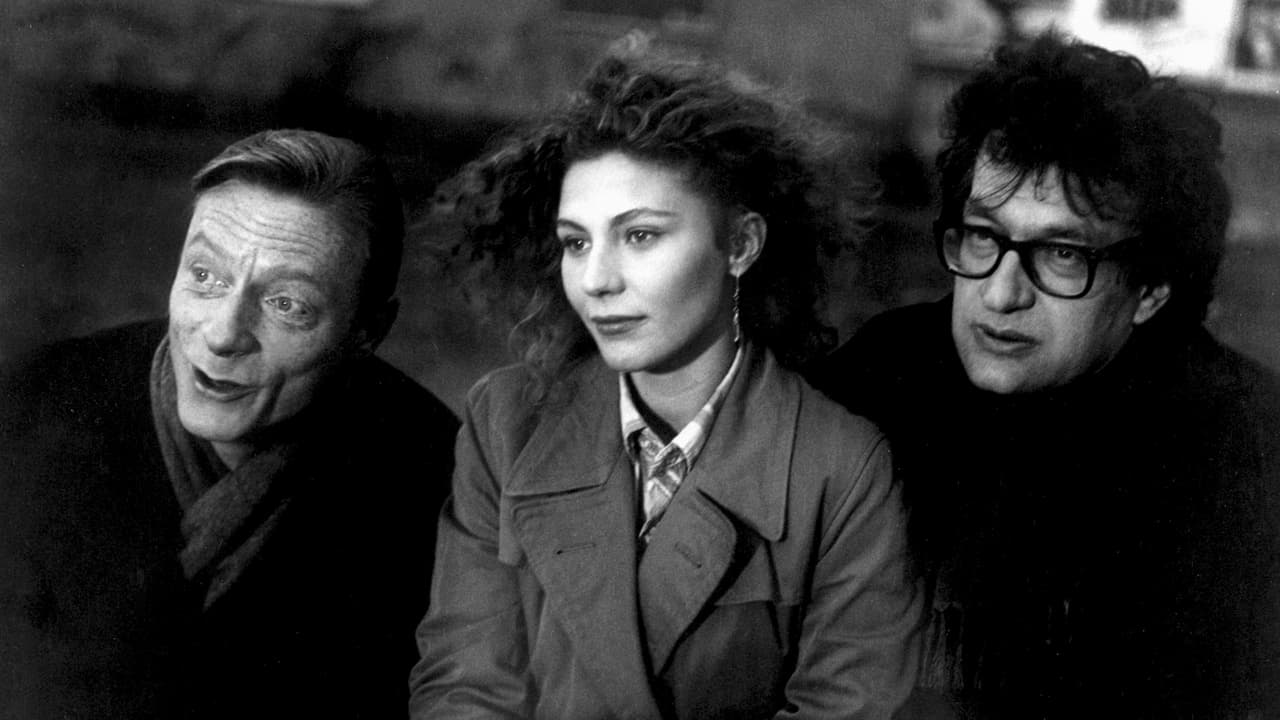
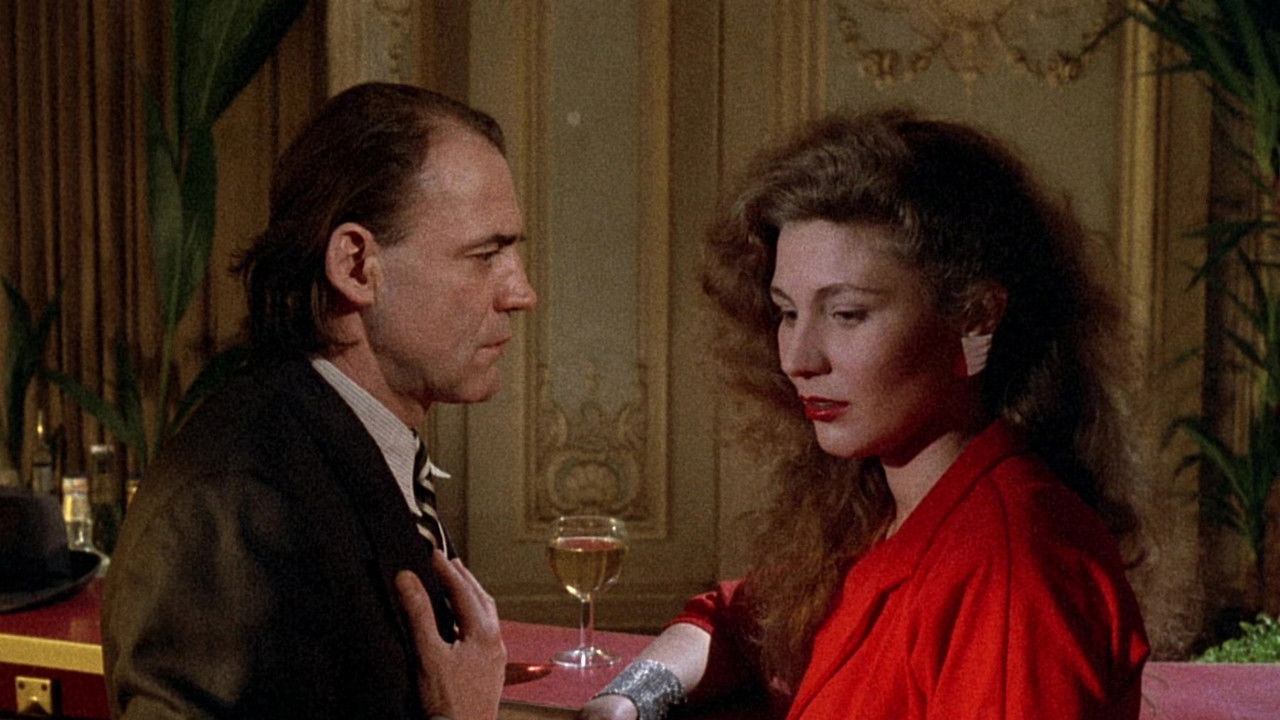
One of the film's most delightful and surprising elements is the appearance of Peter Falk, playing himself. Wandering through Berlin working on a movie (likely a Columbo TV film, though intentionally kept vague), Falk possesses a warmth and groundedness that contrasts beautifully with the ethereal angels. The reveal that he, too, was once an angel who chose mortality adds a poignant, humorous layer. Reportedly, Wenders wrote Falk's scenes day-by-day, often based on the actor's own improvisations and observations about the city. And that magical transition from black-and-white to color when Damiel finally takes the leap? It remains one of cinema's most breathtaking moments, a visual representation of experiencing the sensory richness of the world for the first time. Even the inclusion of Nick Cave & The Bad Seeds performing live wasn't just cool happenstance; their raw, passionate energy provides a perfect counterpoint to the film's meditative mood.
### More Than Just Arthouse
While undeniably an art film, Wings of Desire possesses a warmth and accessibility often missing from the genre. It speaks directly to universal human experiences: loneliness, the search for connection, the burden of history, the appreciation of small, everyday moments. Otto Sander as Cassiel provides a crucial counterpoint to Damiel – his quiet empathy and eventual struggle with his own observations (explored further in the sequel Faraway, So Close! from 1993) ground the celestial concept. Doesn't the film gently force us to consider what we overlook in our own lives? The taste of street food, the touch of a loved one's hand, the simple beauty of color – things an angel might trade eternity for.
The film wasn't a massive blockbuster ($3.2 million budget yielding around $4.7 million initially in the US), but its critical acclaim (Wenders won Best Director at Cannes) and enduring influence cemented its status. It resonated deeply, offering a message of hope and humanism amidst the Cold War's twilight, and even spawned a less nuanced, but commercially successful American remake, City of Angels (1998).
### Rating and Final Reflection
Rating: 9.5/10
This near-perfect score reflects the film's profound artistic achievement, its visual poetry, and the deeply affecting performances, particularly from Ganz. It's a film that transcends its era, tackling existential questions with grace and beauty. The justification lies in its masterful direction, groundbreaking cinematography, the authentic portrayal of human longing against the backdrop of a specific historical moment, and its sheer emotional resonance that lingers long after the credits roll. It loses half a point only perhaps for moments where the pacing might test the patience of some, but this is intrinsic to its meditative quality.
Wings of Desire remains a singular viewing experience. It’s a film that doesn’t just tell a story; it imparts a feeling, a sense of quiet wonder about the messy, beautiful, fleeting experience of being alive. It leaves you looking at the world, and the people sharing it with you, just a little bit differently. What unspoken thoughts linger in the air around us, right now?