Okay, let's dim the lights, maybe pour something comforting, and settle in. We're talking about a film that arrived like a strange, beautiful dream at the dawn of the 90s, leaving an imprint quite unlike anything else on the video store shelves. It begins not with a bang, but with snow falling where it never should, framing a story whispered like a gothic bedtime tale. I'm talking, of course, about Tim Burton’s wonderfully melancholic fable, Edward Scissorhands (1990).
### A Cut Above the Ordinary
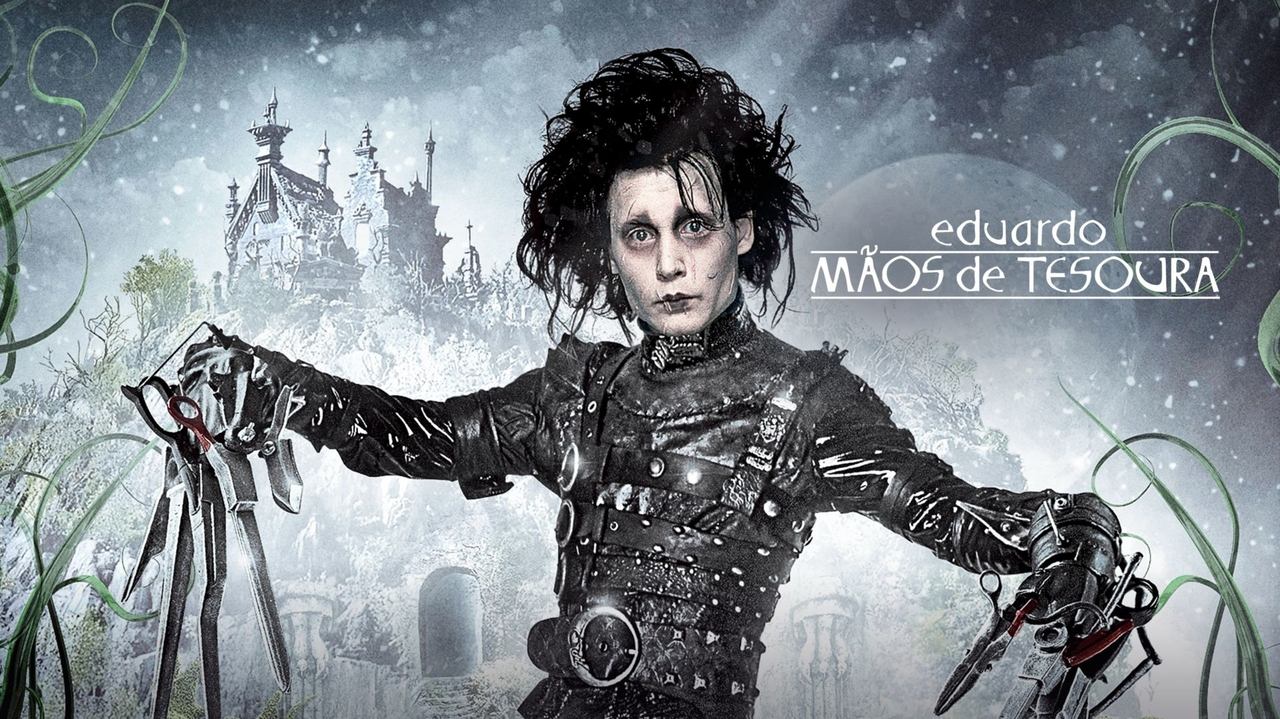
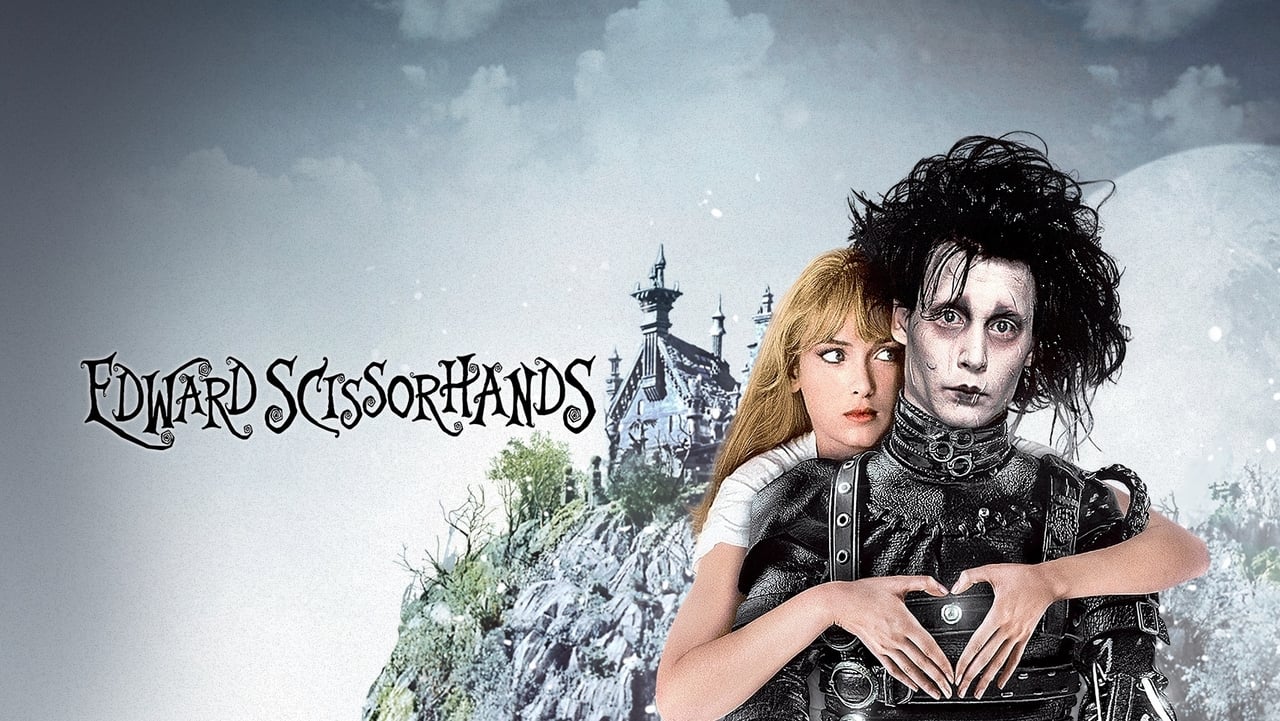
What strikes you immediately, even revisiting it now decades later, is the sheer audacity of its visual contrast. We're plunged into a Florida neighbourhood so blindingly pastel and uniform it feels almost alienating in its forced cheerfulness. Lawns are manicured, gossip flows like sprinkler water, and everything seems designed for maximum conformity. Then, perched ominously on the hill above, sits the dark, decaying majesty of a gothic castle – the home of our titular character, Edward. This visual clash isn't just set dressing; it's the film's central thesis writ large: the collision of the unique, perhaps damaged, individual with the suspicious, demanding collective. You remember seeing those colours pop, even on a fuzzy CRT screen back in the day, right? That jarring juxtaposition was part of its immediate, strange magic.
### The Unfinished Boy
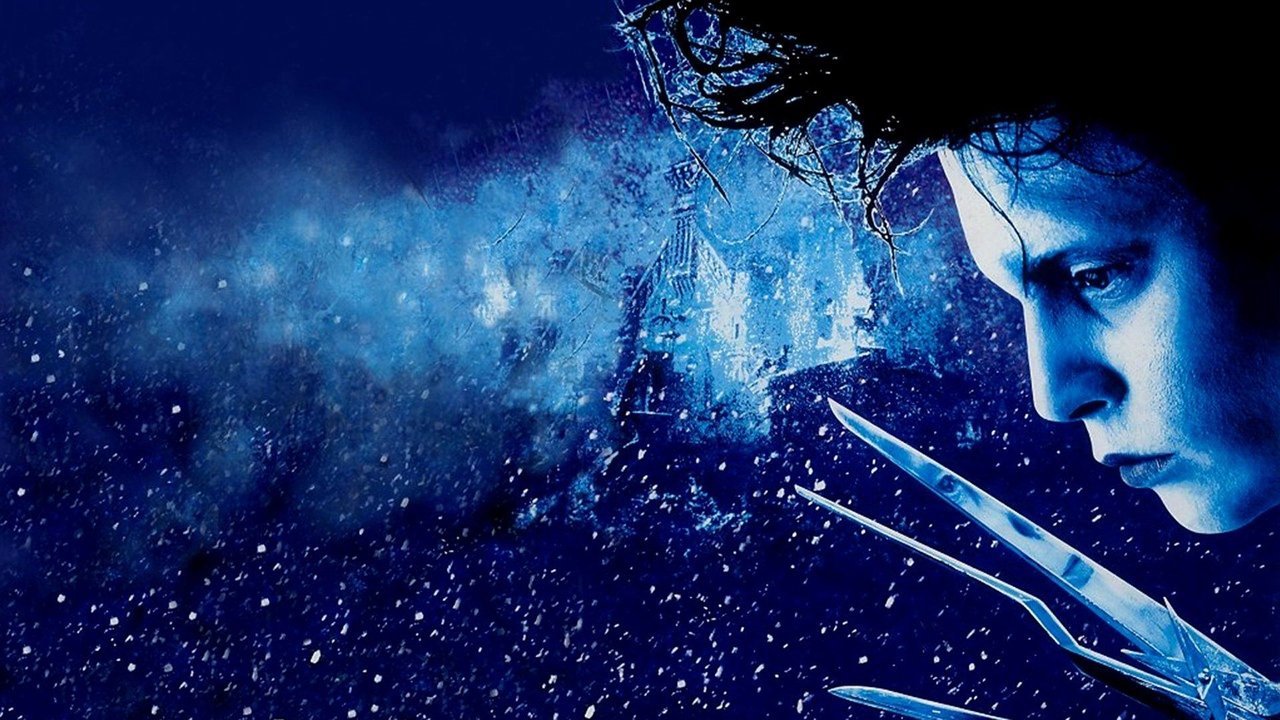
At the heart of it all is Johnny Depp’s career-defining performance. It’s easy to forget now, given his later flamboyance, just how quiet and vulnerable he is here. With barely a handful of lines, Depp conveys Edward’s loneliness, his gentle nature, his terror, and his burgeoning artistic soul almost entirely through his wide, expressive eyes and hesitant physicality. Apparently, Depp, eager to shed his teen idol image from 21 Jump Street, fiercely pursued the role, seeing Edward's silence as a unique acting challenge. He reportedly studied Charlie Chaplin films to perfect that sense of innocent, bewildered movement. It paid off spectacularly. He makes you feel Edward’s longing for connection, the literal and figurative pain of his sharp appendages keeping the world at bay. It wasn’t just makeup and scissors; it was a performance of profound empathy.
The story itself, dreamt up by Tim Burton from one of his own teenage drawings and fleshed out by screenwriter Caroline Thompson (who drew on her own feelings of suburban isolation), is deceptively simple. Kind-hearted Avon lady Peg Boggs (Dianne Wiest, radiating pure maternal warmth) discovers Edward alone in the castle, his inventor father (Vincent Price, in a poignant final screen role) having died before completing his hands. Peg brings Edward home, and initially, the neighbourhood is fascinated by his topiary and hairdressing talents. But fascination quickly curdles into fear and exploitation when Edward’s inherent difference can no longer be neatly contained or commodified. It’s a timeless story, isn't it? The fear of the 'other', the way society embraces novelty only to crush it when it proves inconvenient.
### Crafting a Dark Fairy Tale
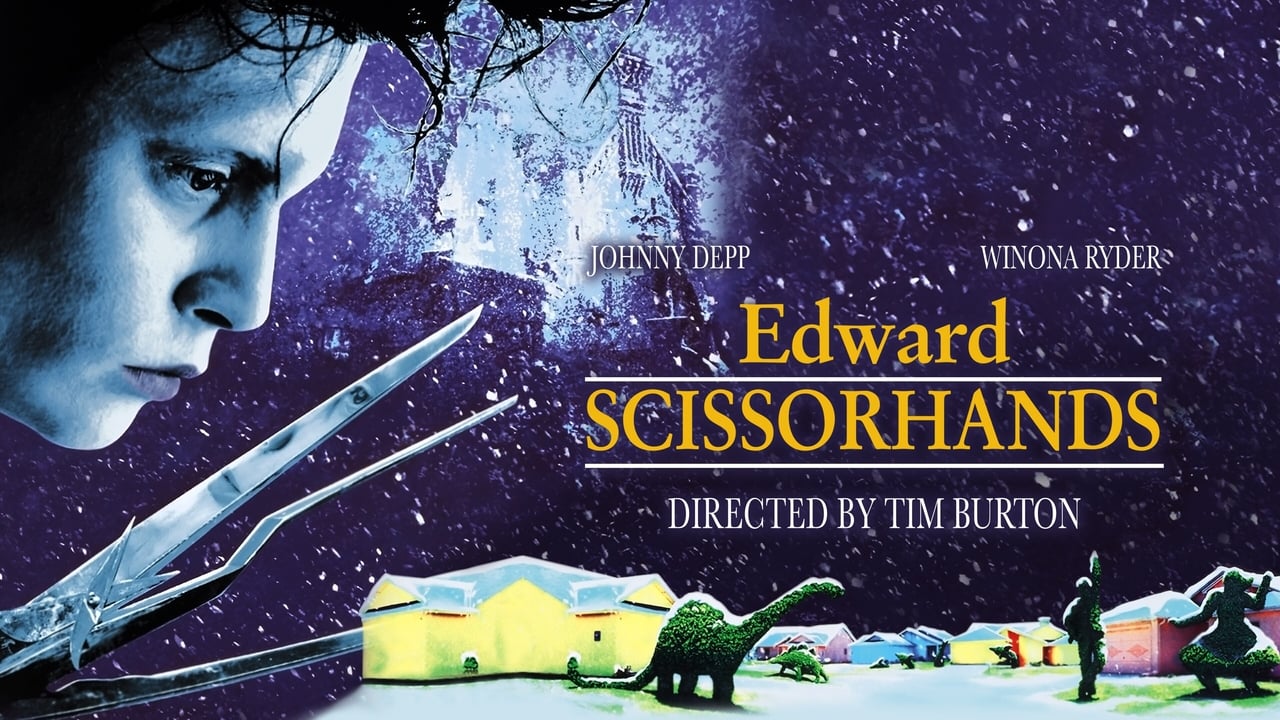
Burton, alongside visionary production designer Bo Welch, masterfully creates these two distinct worlds. The suburban setting, filmed in a real subdivision near Tampa, Florida (where the production team actually painted houses those signature pastels!), feels both inviting and suffocating. The castle, in contrast, is pure gothic fantasy. Adding immeasurably to the atmosphere is Danny Elfman's haunting, instantly recognizable score – it’s arguably one of the finest pairings of composer and director in modern cinema, capturing the film’s blend of wonder, sadness, and fragile beauty.
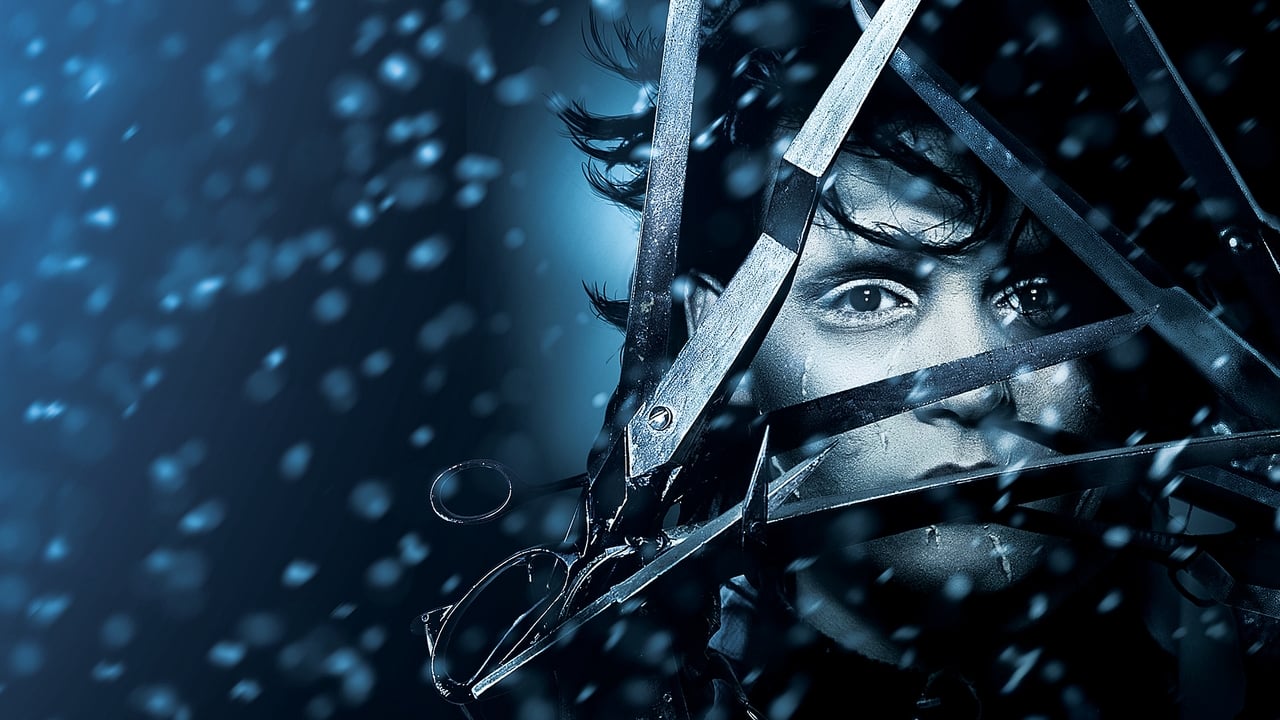
And those hands! Let's talk about those iconic appendages. They were the creation of the legendary Stan Winston (the genius behind the Terminator and Jurassic Park creatures). Far from being clunky props, they look intricate, dangerous, yet somehow expressive. Depp had to endure considerable discomfort wearing not only the hands but also the tight leather costume in the Florida heat – a testament to his commitment. Apparently, the articulation was complex, requiring careful choreography for scenes involving delicate tasks like cutting hair or, heartbreakingly, trying to embrace Kim (Winona Ryder, perfectly cast as the empathetic teenager who sees beyond the blades). Their chemistry, a real-life echo at the time, adds another layer of bittersweet tenderness to the film.
### Lasting Impressions
Edward Scissorhands wasn't a colossal blockbuster upon release – its $20 million budget yielded a respectable $86 million worldwide – but its cultural resonance has far outstripped its box office. It solidified Tim Burton's unique aesthetic, proved Johnny Depp's versatility beyond measure, and gave us a modern fairy tale that felt both timeless and uniquely attuned to the anxieties of its era. It speaks volumes about individuality, the pain of being misunderstood, and the search for acceptance. Does any image linger more than Edward, alone again in his castle, creating ice sculptures that cause the snow to fall over the town that ultimately rejected him?
It’s a film that balances its whimsy with genuine heartache. It avoids easy answers, acknowledging that sometimes kindness isn’t enough to overcome prejudice, and that some wounds, like unfinished hands, can never be fully healed.
Rating: 9/10
This score reflects the film's near-perfect execution of its unique vision. The performances are deeply moving (especially Depp and Wiest), the production design and score are iconic and integral, and its thematic resonance remains potent. It's a beautifully crafted, emotionally rich fable that blends gothic romance with sharp social satire, losing perhaps only a sliver of perfection in some slightly broad characterizations in the neighbourhood ensemble, though even that serves the film's satirical purpose.
Edward Scissorhands remains a singular piece of filmmaking, a melancholic snow globe capturing a moment of strange beauty and enduring sadness. It’s one of those tapes you didn’t just rent; you felt it.