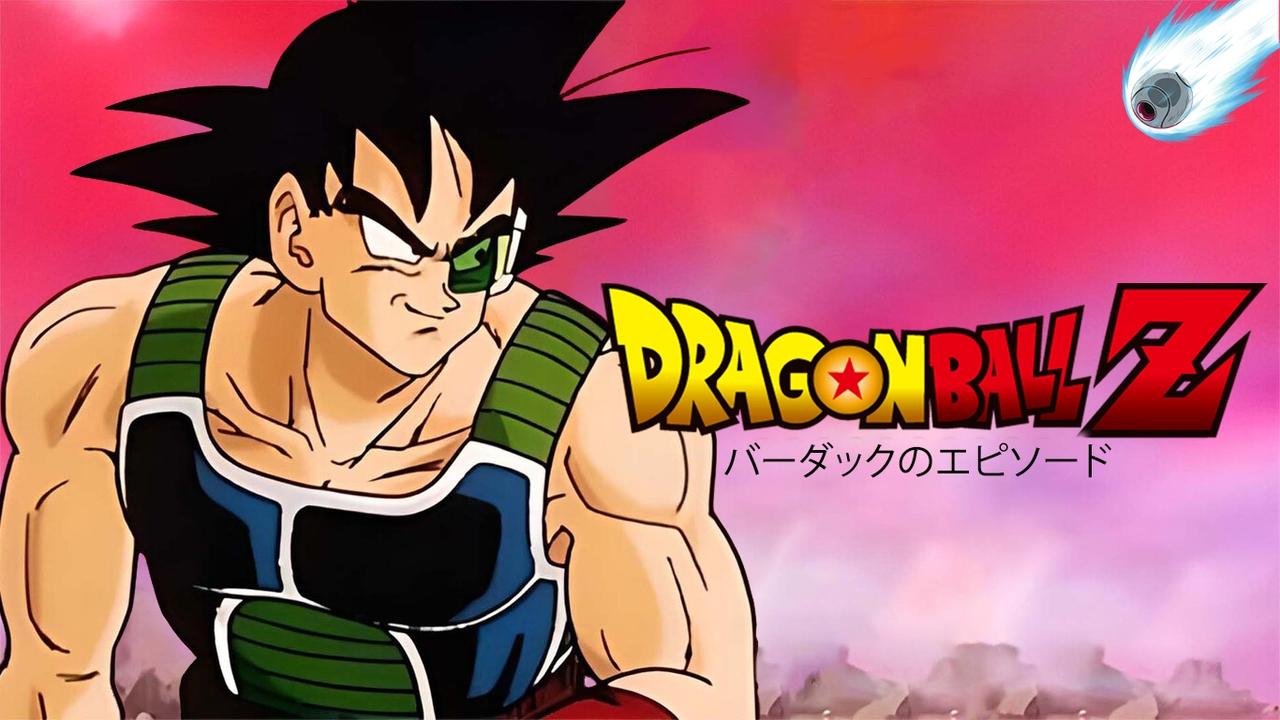
Dragon Ball Z: Bardock - The Father of Goku
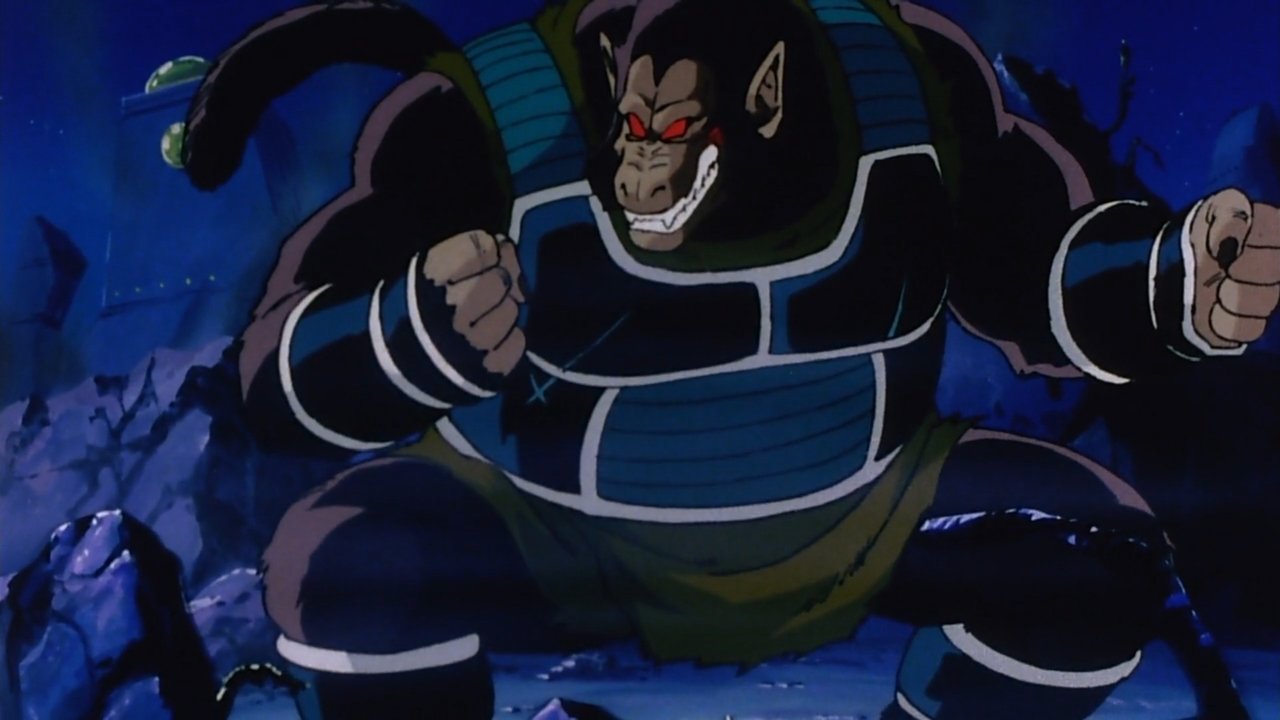
It arrived not with the usual bombast of a planet-shattering Kamehameha, but with a sense of inevitable, crushing destiny. For many of us catching Dragon Ball Z fever in the early 90s, piecing together Goku's origins felt like assembling ancient myths. Then came Dragon Ball Z: Bardock – The Father of Goku (originally Tatta Hitori no Saishū Kessen or "A Lonesome, Final Battle"), a TV special that landed like a thunderclap in 1990. This wasn't just another fight; it was a glimpse into the heart of the Saiyan race, delivered with a surprising emotional weight that resonated far beyond the usual power-level chasing. Watching this on a possibly fuzzy VHS, maybe taped off a specialty channel or acquired through the nascent anime fan networks, felt like uncovering a secret chapter, a vital piece of the puzzle we didn't even know was missing.
Before the Legend, There Was the Father
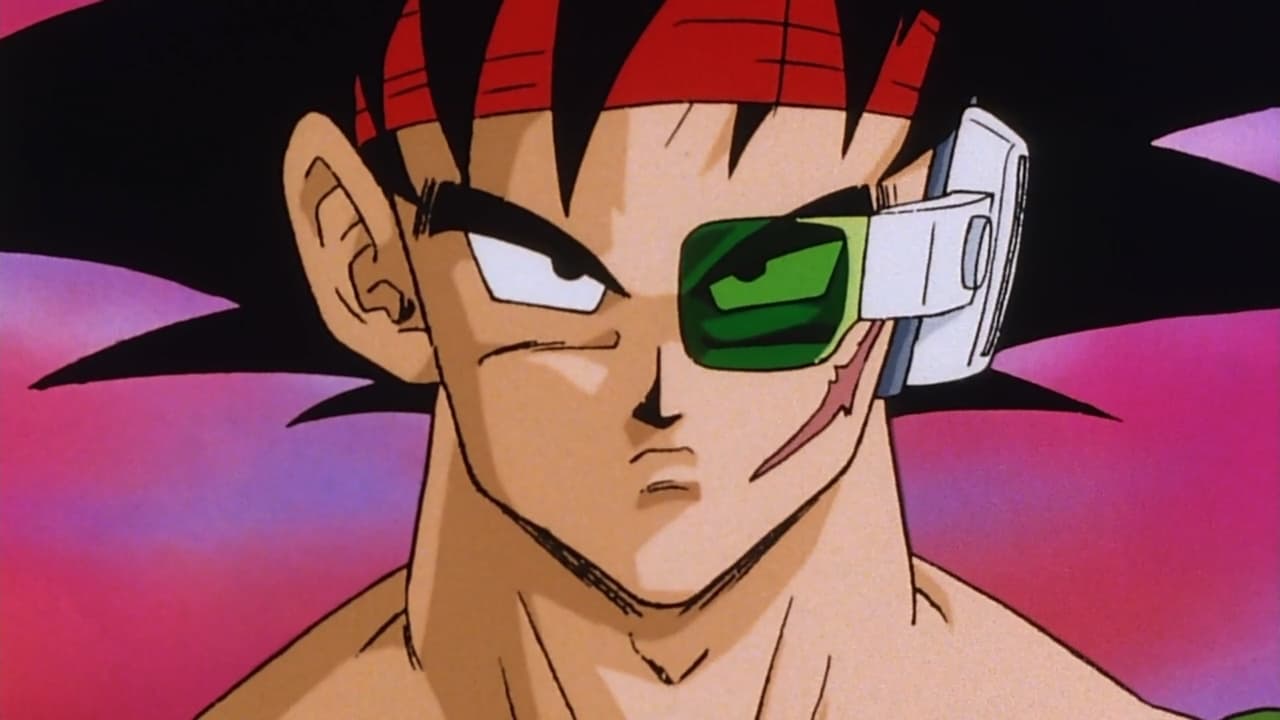
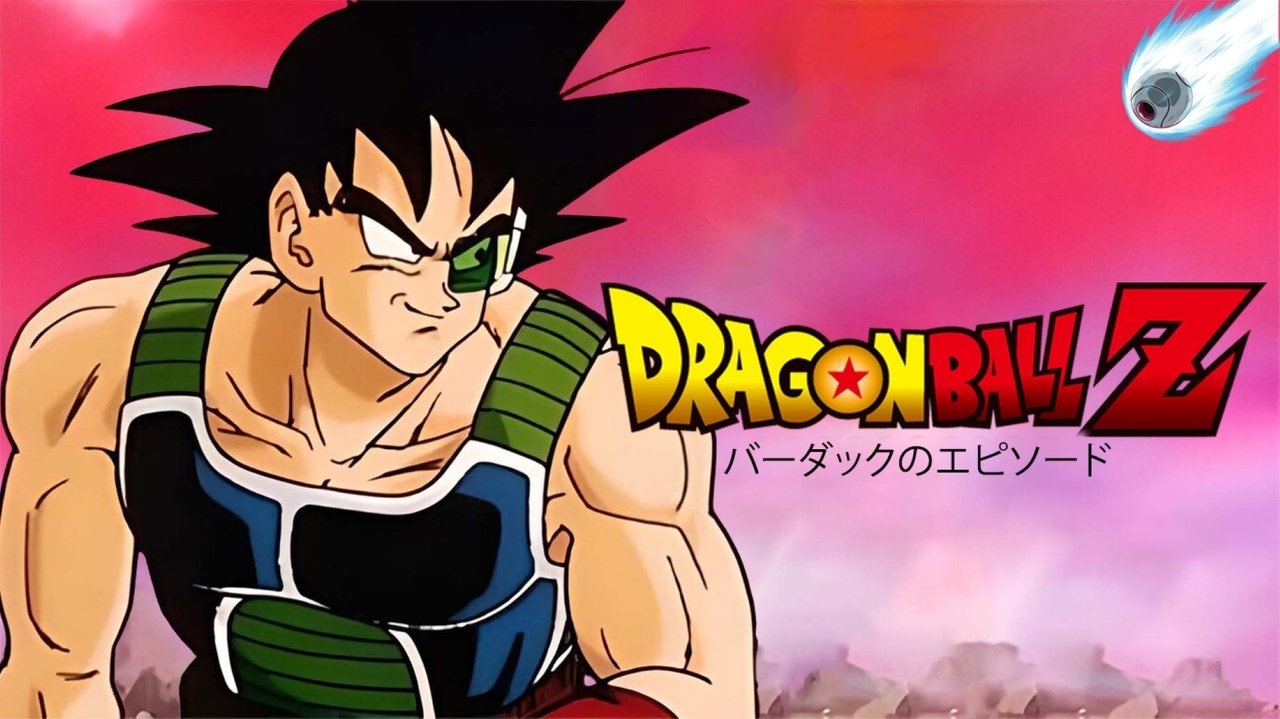
Directed by Mitsuo Hashimoto, who would helm numerous DBZ episodes and movies, and penned by Takao Koyama, a longtime scribe for the franchise often working from notes by creator Akira Toriyama, this special takes us back. Way back. Before Kakarot became Goku, before the Earth became his adopted home, there was Planet Vegeta, teeming with Saiyans – a brutal, conquering warrior race serving the tyrannical Frieza. Our focus isn't some legendary hero, but Bardock: a low-class Saiyan warrior, leader of a small mercenary squad, and, as the title bluntly tells us, Goku's dad. He’s gruff, pragmatic, and initially embodies the Saiyan disregard for anything beyond combat and survival. He doesn't even seem particularly fussed about his newborn son, Kakarot, deemed weak and destined for an easy planetary target.
What elevates Bardock beyond a simple prequel is the cruel twist of fate. During a mission, Bardock is cursed (or blessed?) by a dying alien with the power of foresight, granting him fragmented visions of his race's impending doom at Frieza's hands – and fleeting glimpses of his own son's future battles. This narrative device, handled with surprising effectiveness, transforms Bardock from a simple brute into a tragic Cassandra figure. He sees the horrifying truth, but convincing his power-obsessed brethren, drunk on their perceived indispensability to Frieza, proves tragically impossible.
A Different Shade of Saiyan
The atmosphere here is palpably darker than much of the concurrent DBZ series. Planet Vegeta feels harsh, almost primitive despite its advanced technology. The Saiyans are depicted not as noble warriors, but as a ruthless, almost savage people enjoying planetary genocide as just another day at the office. This special doesn't shy away from the brutality inherent in their culture, making Frieza's eventual betrayal feel less like a random act of evil and more like the inevitable consequence of Saiyan arrogance and Frieza's paranoia. The animation, typical of early 90s Toei, has that distinct, slightly gritty cel-animated charm – perhaps not as fluid as later productions, but carrying a weight and impact perfect for the story. Remember those intense energy blasts and the visceral feel of the hand-to-hand combat? It all felt incredibly raw back then.
A fascinating bit of trivia: Akira Toriyama was reportedly moved by the anime team's depiction of Bardock. While he provided the initial concept, the anime special fleshed out the character considerably. Toriyama liked it so much he later incorporated Bardock and this version of events briefly into the Dragon Ball manga itself, cementing its place in canon – a rare instance of the anime influencing the source material so directly. This wasn't just filler; it felt important.
Voicing a Legacy
Of course, we have to talk about the voice acting. The legendary Masako Nozawa, already pulling double duty as Goku and Gohan in the main series, steps up to voice Bardock as well. It's a testament to her incredible range that she imbues Bardock with a distinctly gruff, world-weary tone, completely separate from the optimistic heroes she usually portrays. Hearing her Bardock, filled with desperation and defiance in his final moments, is genuinely powerful. And naturally, Ryūsei Nakao delivers Frieza's chillingly polite sadism with the silky menace that made the character instantly iconic.
The final sequence – Bardock, battered and alone, making a desperate last stand against Frieza's overwhelming power, screaming warnings to his heedless race as the Death Ball descends – is etched into the memory of many fans. It’s pure space opera tragedy, a poignant counterpoint to the eventual triumphs of his son. Knowing Goku's destiny, seeing the faint visions Bardock experiences, adds layers of dramatic irony that hit hard, even on rewatch. It’s a moment that transforms Bardock from a footnote into a truly memorable character in his own right.
Retro Fun Facts:
- This special originally aired in Japan on October 17, 1990, slotting in between episodes 63 and 64 of the Dragon Ball Z anime, right in the thick of the Namek saga. Imagine seeing this tragic backstory right before Goku's fated clash with Frieza!
- The special reportedly had a modest TV budget, yet achieved a cinematic feel, particularly in its climactic confrontation.
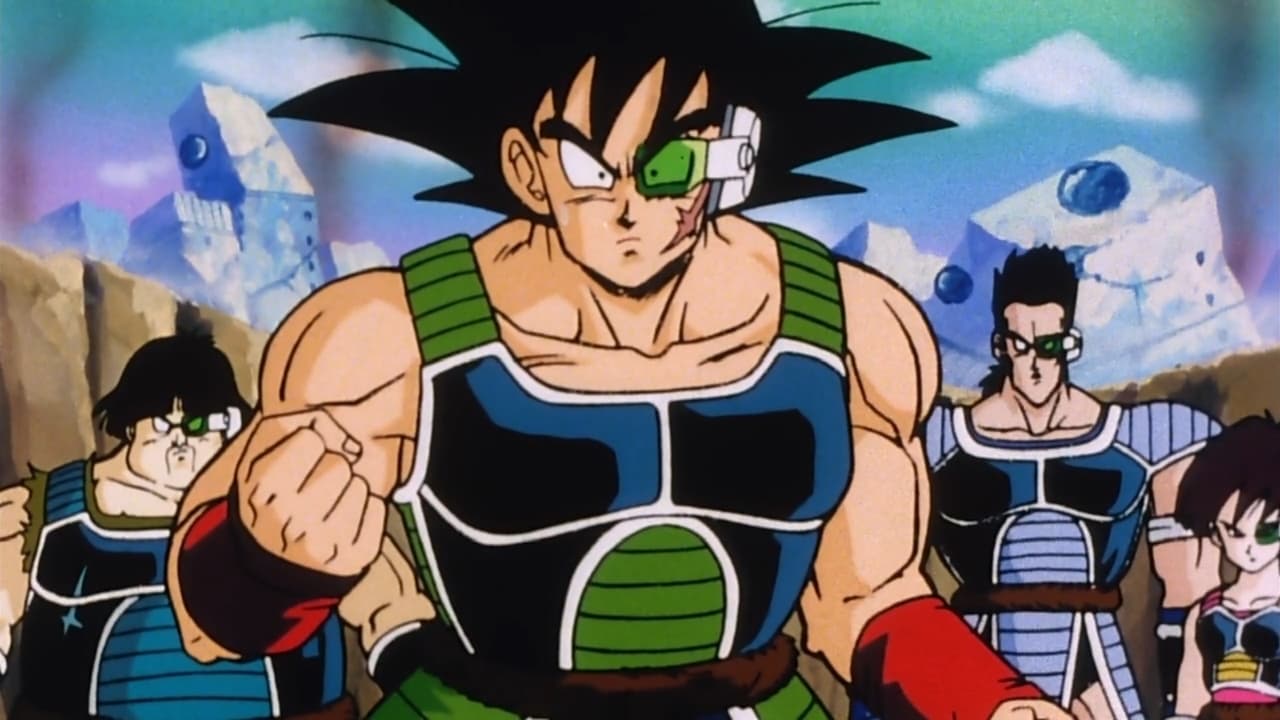
- While Bardock's crewmates were largely anime-original creations for this special, they perfectly captured the rough-and-tumble nature of Saiyan squads. Remember Tora, Fasha, Borgos, and Shugesh? Their camaraderie, however brief, makes their fate genuinely impactful.
Rating: 9/10
Bardock – The Father of Goku is more than just a prequel; it’s a masterclass in adding depth and tragedy to an already sprawling universe. It succeeds by focusing on character and consequence, delivering a surprisingly emotional punch that elevates the entire Dragon Ball saga. The slightly dated animation only adds to its nostalgic charm, reminding us of a time when discovering these hidden corners of our favorite fictional worlds felt like unearthing treasure. It justified its existence immediately, giving Goku's Saiyan heritage a weight and pathos it previously lacked, proving that even within a story famed for power-ups and explosive battles, there was room for genuine tragedy.