Okay, fellow tape travelers, let's rewind to 1992. Remember the buzz? Hollywood's golden couple, the recently married Tom Cruise and Nicole Kidman, were headlining a sweeping historical epic directed by Ron Howard, a filmmaker then solidifying his move from beloved TV star and comedy director (Splash, Parenthood) to orchestrator of grand cinematic visions. Far and Away wasn't just another trip to the video store; it felt like an event, a throwback to the kind of sprawling, earnest adventures that seemed increasingly rare. Pull up a comfy chair, maybe pour yourself something strong (like Joseph Donnelly might), and let's journey back.
### Across the Ocean, Chasing a Dream
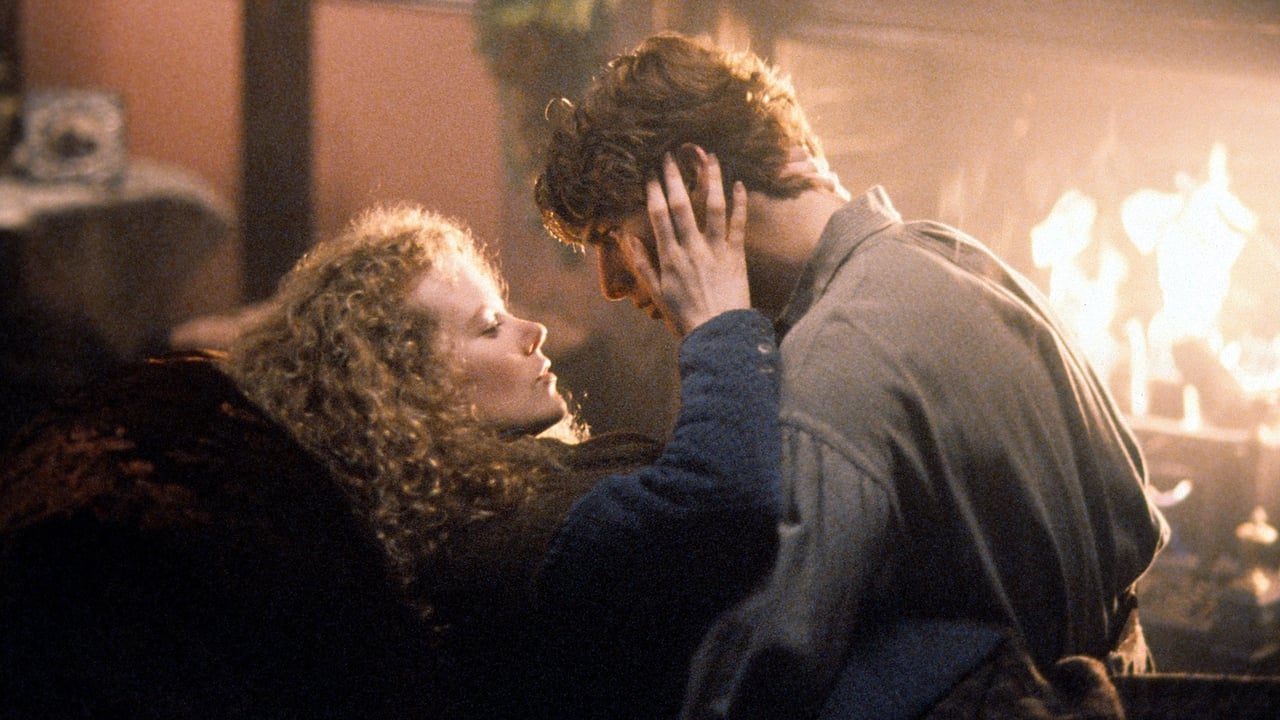
Far and Away plunges us headfirst into the rugged, impoverished landscape of late 19th-century Ireland. Tom Cruise plays Joseph Donnelly, a poor tenant farmer burning with resentment after his family home is torched by agents of the wealthy landlord. His misguided quest for vengeance leads him straight to the landlord's fiery, fiercely independent daughter, Shannon Christie (Nicole Kidman). Shannon, stifled by suffocating tradition and dreaming of escape, sees Joseph as her unlikely ticket to America – a land where, rumour has it, ground is given away for free. What follows is a classic odd-couple pairing thrown together by circumstance, embarking on a tumultuous journey from the Emerald Isle to the bustling, often brutal streets of Boston, and finally, towards the promise of the Oklahoma Land Rush of 1893.
It’s a narrative painted in broad, romantic strokes, full of heightened emotions, sudden reversals of fortune, and a central relationship built on sparks flying – both literal and figurative. Ron Howard, working with a script he co-wrote with Bob Dolman (who also penned Howard's Willow), clearly aimed for an old-fashioned feel, reminiscent of David Lean epics but filtered through a distinctly early-90s lens. Does it always hit the mark? Perhaps not perfectly. The Irish accents occasionally wobble (a common critique even back then!), and the plot sometimes relies on convenient coincidences. But honestly, watching it again, there’s an undeniable charm to its sheer, unadulterated sincerity.
### Stars Aligned, Cameras Rolling Wide
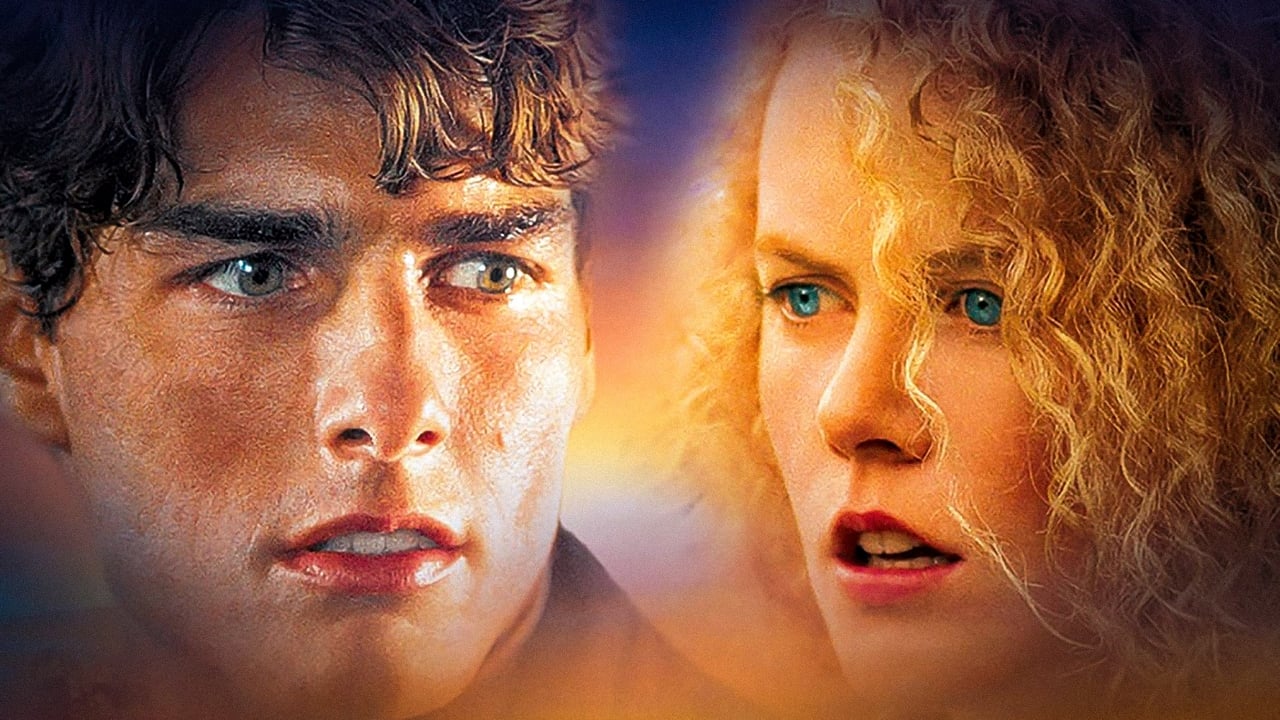
You simply can't talk about Far and Away without discussing its leads. Cruise, already a megastar after Top Gun and Rain Man, throws himself into the role of Joseph with characteristic intensity. He learned to box for the film's Boston sequences, portraying Joseph's bare-knuckle fighting career with gritty physicality. Kidman, then emerging as a major talent, matches him stride for stride, giving Shannon a captivating blend of aristocratic hauteur and desperate longing. Their real-life chemistry undeniably translates to the screen, making their bickering, tentative romance the emotional core that holds the sprawling story together. They look like movie stars destined for an epic, and Howard frames them accordingly.
And speaking of framing… Ron Howard made a bold choice: shooting Far and Away in Super Panavision 70, a wide-gauge 70mm film format rarely used by the early 90s due to its expense. This decision, while costly – contributing to a hefty $60 million budget (around $130 million today!) – gives the film its breathtaking visual scale. From the windswept Irish coastlines (filmed on location) to the vast American plains (shot largely in Montana), the cinematography by Mikael Salomon fills the screen. Even watching on VHS back in the day, shrunk down to fit our CRT TVs, you could feel the intended grandeur. It was a statement: this wasn't just a story; it was a spectacle.

### Retro Fun Facts: The Making of an Epic
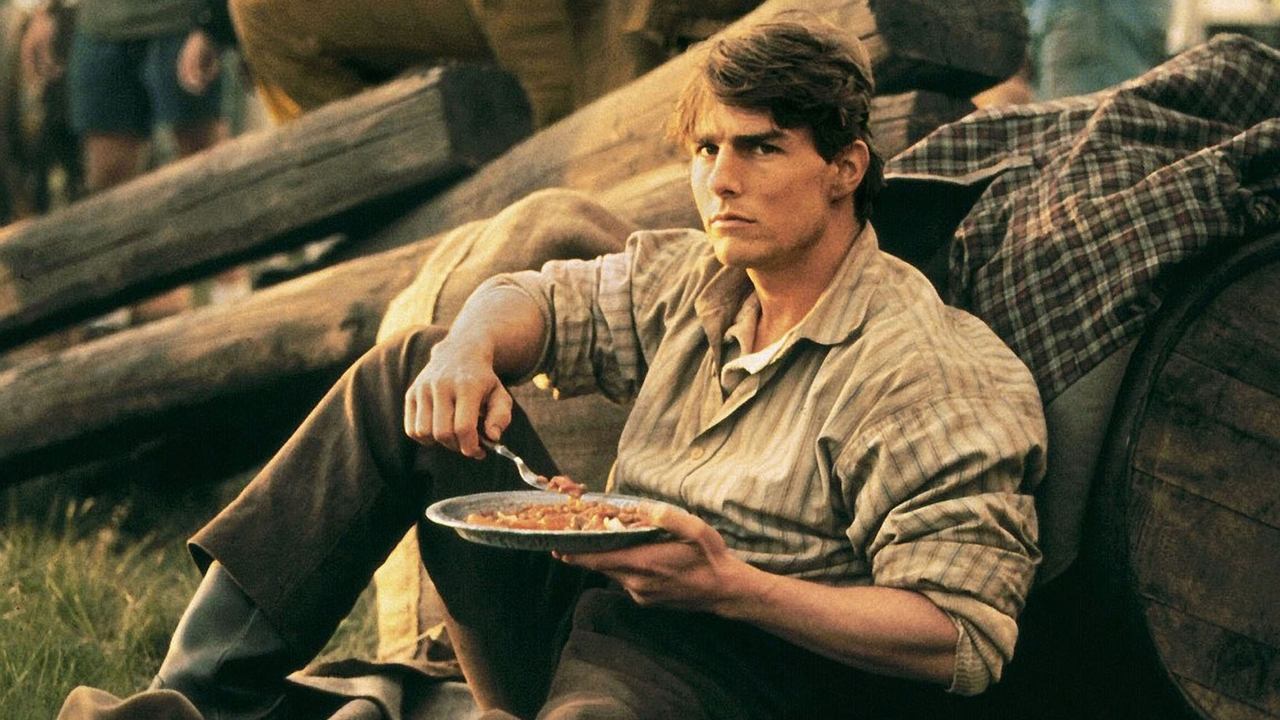
The ambition behind Far and Away led to some fascinating production tales. That climactic Oklahoma Land Rush sequence? It wasn't CGI, folks. Howard wrangled an estimated 800 horses, hundreds of wagons (many custom-built), and nearly a thousand extras and stunt performers near Billings, Montana, to stage one of the most complex, large-scale practical scenes of its era. Capturing the chaos required multiple 70mm cameras, including specialized rigs mounted on camera cars and cranes. It’s a sequence that truly stands out, a testament to logistical planning and old-school filmmaking muscle.
Interestingly, while the film performed respectably at the box office, pulling in about $137.8 million worldwide, it didn't quite become the runaway phenomenon some might have expected given the star power and budget. Critics were somewhat divided, admiring the scope but sometimes finding the story formulaic. Yet, time has been kind to its earnest spirit. And who could forget the soaring, folk-tinged score by the legendary John Williams? It perfectly captures the film’s themes of hope, hardship, and adventure, adding another layer of epic sweep. It even features contributions from Irish supergroup The Chieftains, lending authentic flavour.
### A Grand, Imperfect Adventure
Watching Far and Away today is like unearthing a cherished, slightly worn photo album. You see the familiar faces, remember the big moments, and maybe chuckle at some dated elements (the hairstyles! the earnest dialogue!). It’s undeniably melodramatic at times, leaning into archetypes of the fiery peasant lad and the rebellious high-born lady. Yet, its heart is firmly in the right place. It’s a story about the immigrant dream, about resilience, about finding love in unexpected places, told with wide-eyed conviction.
Is it a flawless masterpiece? Probably not. But does it deliver a grand, romantic, visually stunning adventure fuelled by star power and genuine ambition? Absolutely. It captures that specific early-90s moment when Hollywood still occasionally bet big on original, large-scale epics that weren't based on existing franchises. It aimed for the fences, and even if it didn't quite clear them for a home run in everyone's eyes, the sheer effort and scope are impressive.
VHS Heaven Rating: 7/10
Justification: The film gets high marks for its stunning 70mm cinematography, John Williams' beautiful score, the palpable chemistry between Cruise and Kidman, and the sheer ambition of its scope, particularly the incredible land rush sequence. It loses points for occasionally clunky dialogue, reliance on melodrama, and those sometimes-iffy accents. However, its earnestness and epic feel make it a highly enjoyable and nostalgic watch that largely overcomes its flaws.
Final Thought: Far and Away might be a bit old-fashioned, even a touch naive by today's standards, but slip that tape in (or fire up the stream) and let its sweeping romance and grand adventure remind you of a time when chasing a dream across continents felt like the grandest story worth telling on the biggest screen possible. Sometimes, you just need that pure, unironic Hollywood spectacle.