Okay, let's dim the lights, settle into that comfy armchair, and imagine the satisfying thunk of a well-loved tape sliding into the VCR. Tonight’s feature on VHS Heaven might surprise you with its pedigree, even if the premise feels as warm and familiar as a favorite Christmas sweater: 1997's Borrowed Hearts. What happens when the director who unleashed John Rambo (Ted Kotcheff, yes, that Ted Kotcheff of First Blood fame) teams up with an Oscar-winning screenwriter (Pamela Wallace, who co-penned the masterful Witness with her husband Earl W. Wallace) to make a cozy CBS Christmas TV movie? You get something unexpectedly earnest, a film crafted with more care than you might initially assume.
### A Familiar Premise, Executed with Heart
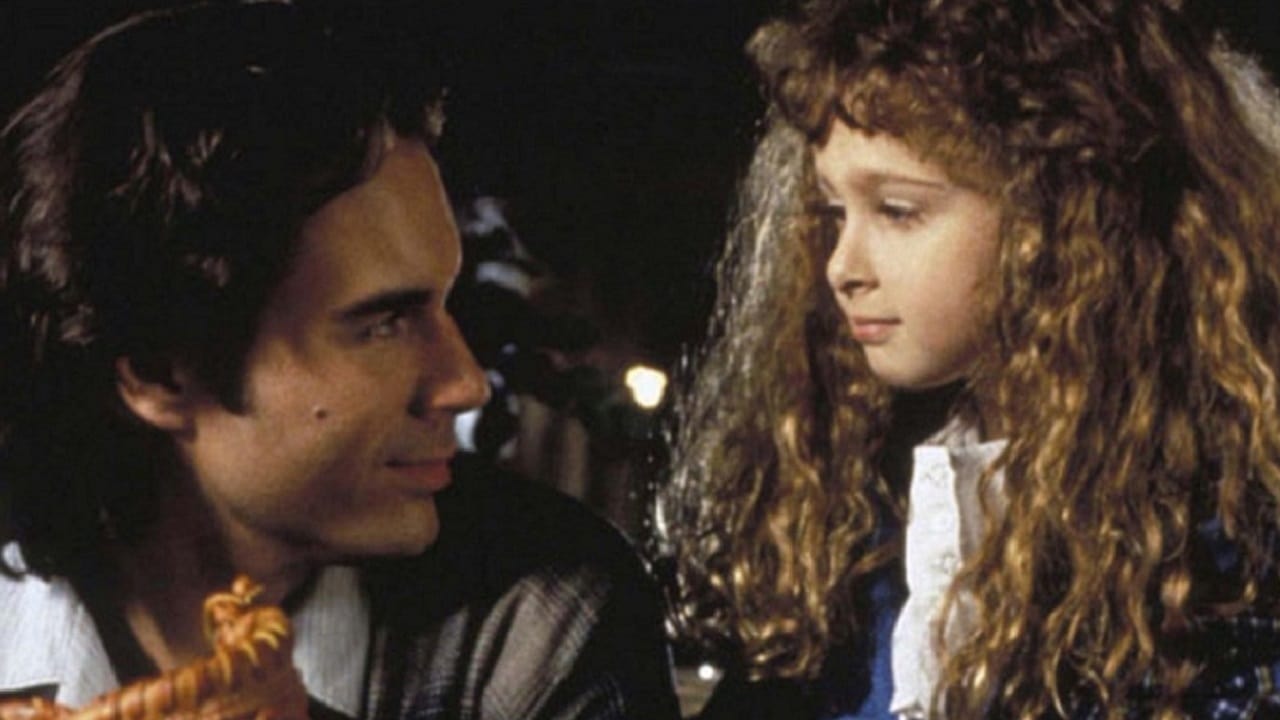
The setup is classic holiday fare, the kind that populated network television schedules back when appointment viewing for seasonal specials was a real event. Sam Field (Eric McCormack, charmingly earnest here just before his Will & Grace stardom exploded) is an ambitious, image-conscious industrialist bachelor looking to close a major deal. The potential buyer, Javier Del Campo (Héctor Elizondo – wait, checking my tape box again... hmm, no, that's a different festive film memory! Elizondo wasn't in this one, though it feels like he should have been in every heartwarming 90s movie. Let's rewind... Ah, the buyer is actually just implied to be a family-values type, played convincingly enough by supporting actors). Anyway, Sam needs to project a wholesome family image. Enter Kathleen Russell (Roma Downey, radiating the gentle sincerity that made her a household name on Touched by an Angel), a single mother working in one of Sam’s factories, and her bright-eyed daughter, Zoey (Janet Bailey). Sam makes them an offer they can’t realistically refuse: pose as his loving wife and daughter for the holidays in exchange for a generous sum that would secure their future.
You know where this is going, right? The fake feelings start to blur into something genuine amidst twinkling lights, snowball fights (or the Canadian equivalent, given this was filmed, like so many beloved TV movies, economically and effectively around Toronto), and shared cups of cocoa. But Borrowed Hearts leans into the trope with a surprising lack of cynicism.
### Performances That Elevate the Material
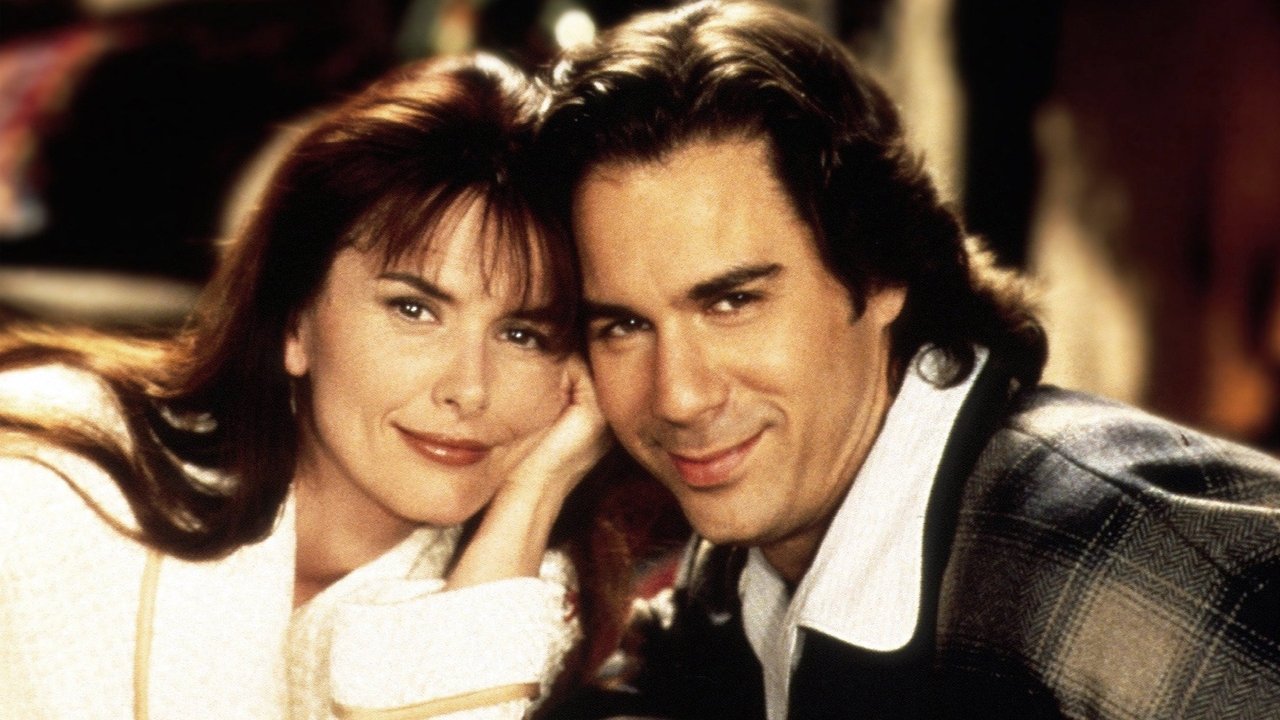
What truly makes Borrowed Hearts endure beyond its predictable plot is the chemistry and conviction of its leads. Roma Downey brings an inherent warmth and vulnerability to Kathleen. She isn't just a damsel needing rescue; she's a pragmatic mother trying to give her daughter a better life, wrestling with the deception involved. You believe her quiet strength and the slow thaw in her interactions with Sam.
Eric McCormack, meanwhile, navigates Sam's transformation from slick businessman to someone genuinely affected by the borrowed intimacy quite effectively. He avoids making Sam purely calculating; there’s a loneliness underpinning the ambition that McCormack subtly conveys. You see the appeal of this ready-made family cracking his polished exterior. Young Janet Bailey as Zoey is thankfully not overly precocious; she’s sweet and observant, serving as the emotional anchor pulling the two adults together.
### The Kotcheff Touch?
It's fascinating to consider Ted Kotcheff directing this. While it lacks the gritty tension of First Blood (1982) or the absurdist physical comedy of Weekend at Bernie's (1989), there’s a steady, professional hand guiding the sentiment. He doesn’t rush the emotional beats, allowing the actors room to build their connection. The film looks good for its TV movie origins – competent cinematography, cozy production design that feels appropriately festive without being garish. Kotcheff, a versatile journeyman director, understood the assignment: deliver a heartwarming, family-friendly story for a specific holiday audience. He does so with efficiency and a surprising lack of schmaltz, letting the performances carry the emotional weight. It might not be auteur filmmaking, but it’s solid craftsmanship applied to a genre often handled with less care.
### Why It Still Warms the VHS Player
Perhaps part of the charm of Borrowed Hearts now lies in its straightforwardness. In an era saturated with countless streaming holiday movies often relying on frantic pacing or meta-humor, there’s something comforting about its gentle rhythm and earnest belief in its own story. Pamela Wallace, even working within a familiar framework, ensures the characters have believable motivations. Kathleen’s financial struggles feel real, making her decision understandable, not just a plot device. Sam’s desire for the deal is tied to proving himself, adding a layer beyond simple greed. These small touches, likely stemming from Wallace's skill, elevate it above pure formula.
Remember popping this tape in, maybe after renting it from Blockbuster or catching its premiere on CBS? There was a comforting reliability to these 90s TV movies. They weren't aiming for cinematic revolution; they were aiming to provide a pleasant, emotionally satisfying couple of hours, often shared with family. Borrowed Hearts fulfills that brief perfectly. It doesn't reinvent the wheel, but the wheel it presents is well-made and rolls smoothly along its heartwarming path. Does the central conceit – essentially "buying" a family for appearances – feel a little dated or problematic if you scrutinize it too hard today? Perhaps. But the film handles it with enough sincerity that the focus remains on the developing human connections, not the transactional setup.

Rating: 6.5/10
This rating reflects its status as a superior example of the 90s TV Christmas movie genre. It's predictable, yes, but carried by strong lead performances, professional direction from an unexpected source (Ted Kotcheff!), and a script (Pamela Wallace & Earl W. Wallace) that gives its characters genuine heart. It achieves exactly what it sets out to do – provide warm, uncomplicated festive comfort viewing.
It may not be high art, but Borrowed Hearts is like finding a cherished, slightly faded ornament in the attic; it evokes a specific time and feeling, a reminder of simpler holiday viewing pleasures that still manages to warm the heart after all these years.