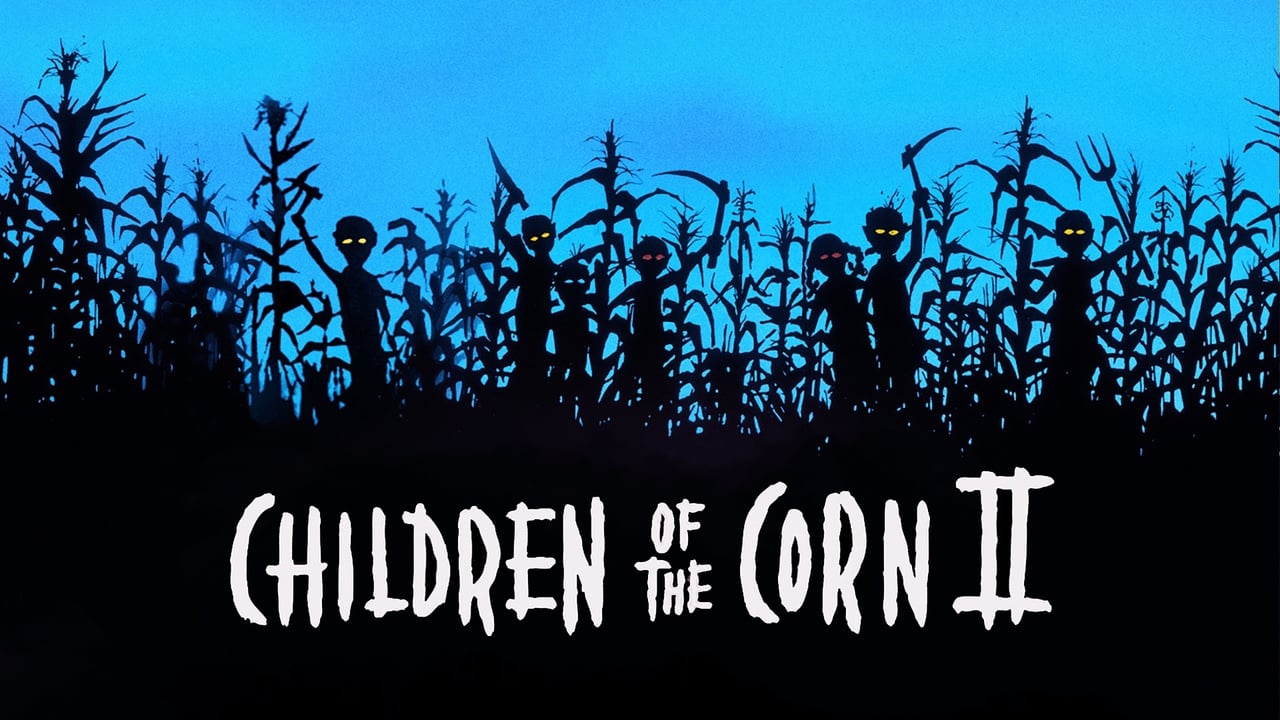
The original Children of the Corn left a certain sun-drenched, folk-horror chill that lingered long after the credits rolled. Eight years later, the rows rustled again, but the harvest felt… different. Children of the Corn II: The Final Sacrifice arrived in 1992, promising closure with its subtitle, a promise as empty as a husk after He Who Walks Behind the Rows has had his fill. This wasn't quite the eerie slow burn of the original; instead, it felt like the corn god had developed a taste for something faster, meaner, and drenched in the particular flavour of early 90s horror cynicism.
From Gatlin to Hemingford
Picking up shortly after the massacre in Gatlin, the surviving children are bussed off to the neighbouring, seemingly normal town of Hemingford. Enter Terence Knox (fresh off his stoic run in TV's Tour of Duty) as John Garrett, a tabloid reporter sniffing around the Gatlin tragedy with his estranged teenage son, Danny (Paul Scherrer). They arrive hoping for a sensational story, but stumble into a fresh nightmare as the displaced children fall under the sway of Micah (Ryan Bollman), a brooding Native American youth who becomes the new charismatic, and lethally devout, preacher for the corn cult. The adults, blinded by denial or simple foolishness, ignore the increasingly bizarre and bloody signs, paving the way for another round of ritualistic slaughter.
A Darker, Nastier Harvest
What immediately sets Children of the Corn II apart is its willingness to up the ante on graphic violence. While the original hinted and used atmosphere, director David Price embraces a more direct, slasher-influenced approach. The kills here are often memorable for their sheer nastiness – death by remote-controlled wheelchair, a voodoo doll impalement, and a particularly unpleasant encounter with corn harvesting machinery. There's a grimier, exploitation edge to the proceedings that feels distinctly early 90s. This shift wasn't accidental; this film marked the theatrical debut of Dimension Films, Miramax's genre label specifically created to tap into the market hungry for harder-edged horror. They clearly knew their audience. Reportedly budgeted at a lean $900,000, it pulled in nearly $7 million at the US box office – a tidy profit that proved the corn still had commercial legs, even if the title cheekily suggested otherwise.
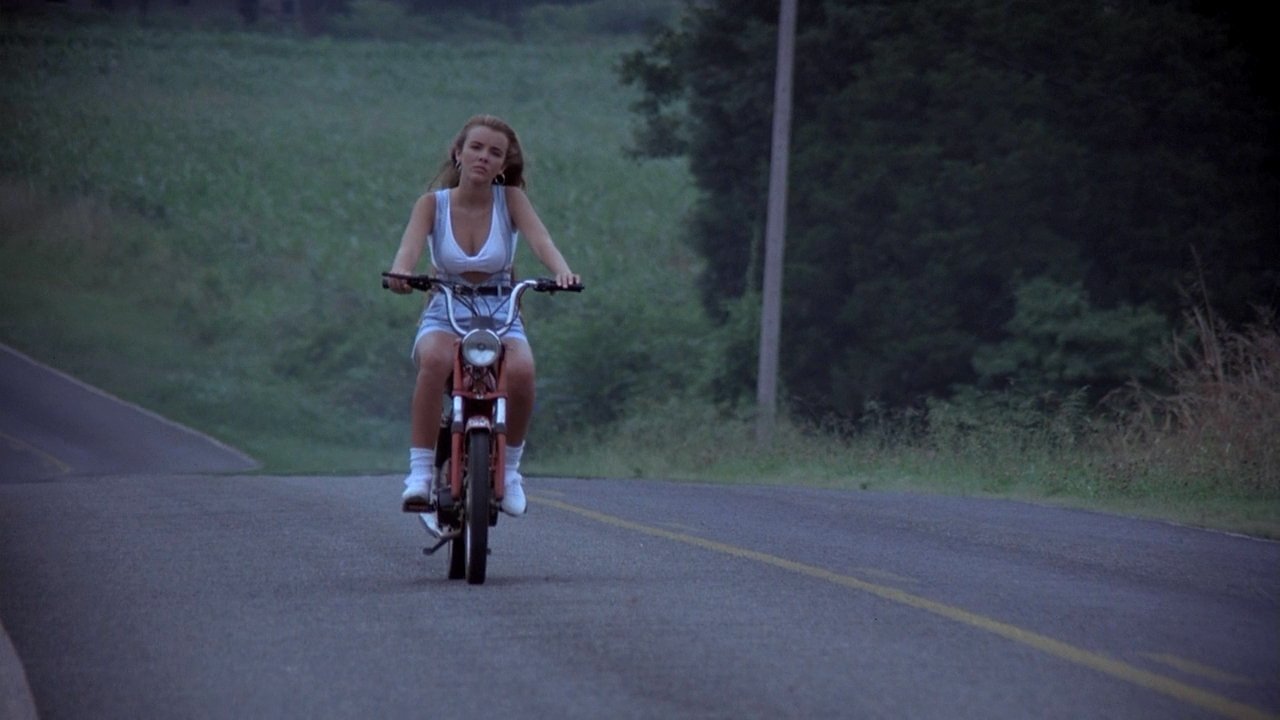
The atmosphere isn't entirely lost, though. Filmed on location in Liberty, North Carolina, the small-town setting still provides a sense of isolation. The endless fields, the slightly dilapidated look of Hemingford, and the inherent creepiness of children acting with murderous intent under Micah's chillingly calm guidance (a strong, unsettling performance from Ryan Bollman) maintain a thread of unease. Writers A L Katz and Gilbert Adler, who would later bring their sensibilities to HBO's Tales from the Crypt, seem less interested in the original's quasi-religious folk horror and more focused on crafting memorable set pieces and a relentless pace.
Seeds of Discontent
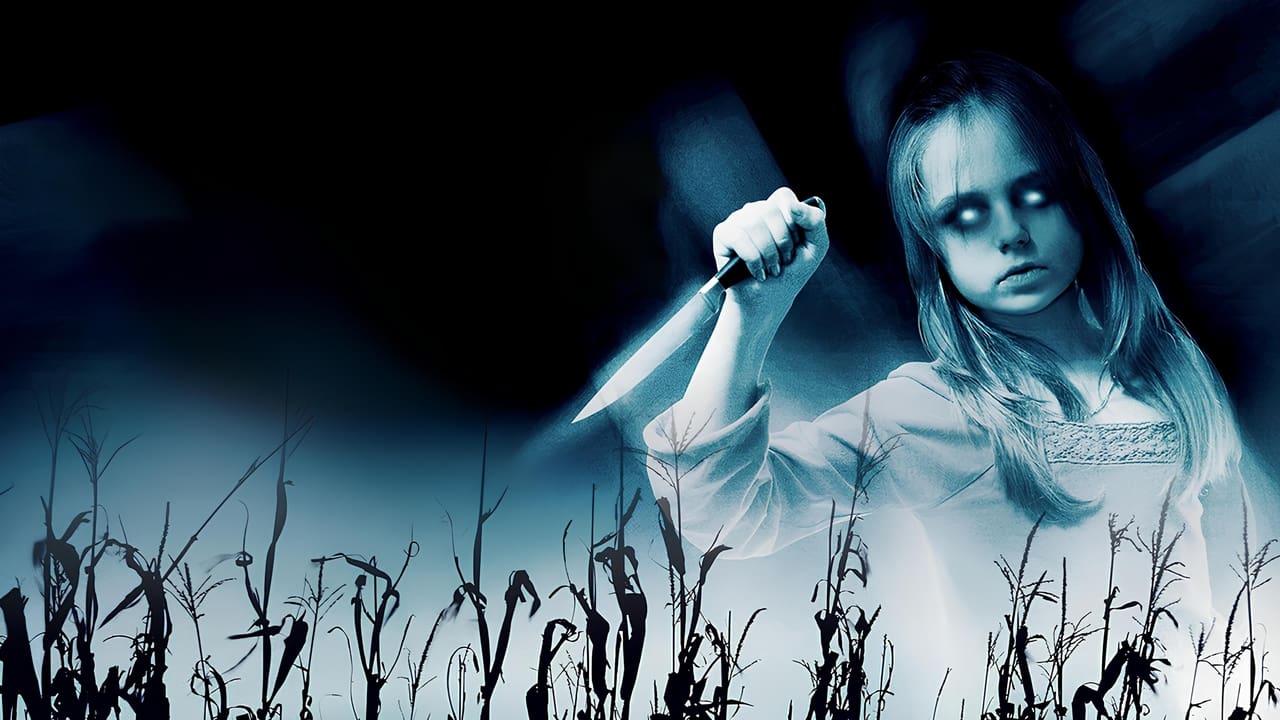

Let's be honest, renting this back in the day often came with the baggage of sequel expectations. Could it recapture the chilling magic of the original Stephen King story? Not quite. Terence Knox brings a certain weary competence to the reporter role, but he often feels like a standard horror protagonist reacting to escalating madness. The plot mechanics can feel a bit repetitive – adults disbelieve, kids conspire, someone dies horribly – rinse and repeat. The shift away from the specific entity "He Who Walks Behind the Rows" to a more vaguely defined corn-based malevolence also dilutes some of the original's unique flavour.
Yet, there's an undeniable energy here. The practical effects, while perhaps showing their age slightly, have that tactile quality we remember from VHS horror. The makeup on the possessed children is effective, and the gore effects, apparently trimmed slightly to secure an R-rating from the MPAA, still pack a punch. It delivers on the fundamental promise of a slasher sequel: escalating stakes and creative dispatchings. Doesn't that scene with the old woman and the house still feel surprisingly brutal?
Retro Fun Facts
Beyond being Dimension's first theatrical outing and its ironically titled sequel status, Children of the Corn II has a few other kernels of interest. The casting of Ryan Bollman as Micah was crucial; his intense stare and quiet fanaticism make him a worthy successor to John Franklin's Isaac, albeit with a different, more aggressive energy. There were also rumours of script changes during production, tightening the focus on the gore and action beats to better align with Dimension's target demographic. It's a prime example of adapting a known property for a slightly different, arguably more mainstream (for horror) 90s audience.
The Final Sacrifice? Hardly.
Children of the Corn II: The Final Sacrifice is a fascinating artefact of early 90s horror. It bridges the gap between the atmospheric dread of 80s horror and the more cynical, often gorier, direct-to-video boom that defined much of the following decade. It lacks the iconic status and unnerving subtlety of the original, opting instead for blunt force trauma and memorable kills. It’s competently made, delivers the requisite shocks, and features a standout performance from Ryan Bollman. While flawed and perhaps predictable in its structure, it offers a potent dose of early 90s horror nastiness. Was it truly the final sacrifice? The subsequent eight sequels (and counting) would suggest the corn god's appetite is insatiable.
Rating: 5/10
Justification: The rating reflects a film that functions as a decent, albeit uninspired, early 90s slasher sequel. It delivers some memorable gore and benefits from Ryan Bollman's chilling performance, fulfilling its basic genre requirements. However, it lacks the atmosphere and originality of the first film, relies on a repetitive structure, and its claim of being "The Final Sacrifice" is laughable in hindsight. It's a middle-of-the-road sequel – watchable for fans of the era's horror output, but far from essential.
Final Thought: While it never quite escaped the shadow of the original, Children of the Corn II solidified the franchise's turn towards straightforward horror sequels and proved, for better or worse, that there was plenty more blood to be spilled among the rows.