Okay, fellow tapeheads, let's rewind to the hazy days of the early 90s video store shelves. Picture this: fluorescent lights buzzing overhead, the smell of popcorn and plastic clamshell cases in the air. You're scanning the horror section, past the familiar faces of Freddy and Jason, and then you spot it – Prom Night IV: Deliver Us from Evil. The title alone sparks a flicker of recognition. Prom Night? Didn't that have Jamie Lee Curtis? But the box art looks… different. Darker, maybe a bit gothic. You grab it, intrigued by this unexpected sequel, pop it in the VCR later that night, and discover something utterly disconnected from Hamilton High, yet strangely fascinating in its own low-budget way.
### Not Your Sister's Prom Night
First things first: if you rented this 1992 Canadian chiller expecting disco balls and revenge plots tied to the original 1980 slasher classic, you were in for a surprise. Deliver Us from Evil pretty much throws the entire Prom Night legacy out the window – including the supernatural Mary Lou Maloney storyline established in parts II and III. Instead, director Clay Borris (who also gave us the James Remar action flick Quiet Cool back in '86) and writer Richard Simpson deliver a standalone tale steeped in religious horror and repressed trauma. This wasn't uncommon for franchises back then; sometimes slapping a familiar name on a completely unrelated script was just easier for distribution, especially in the booming direct-to-video market where this one landed. Filmed economically in Toronto, it has that distinct Canadian horror feel – competent, earnest, maybe a little gray, but often punching above its weight.
### Father Jonas Brings the Pain
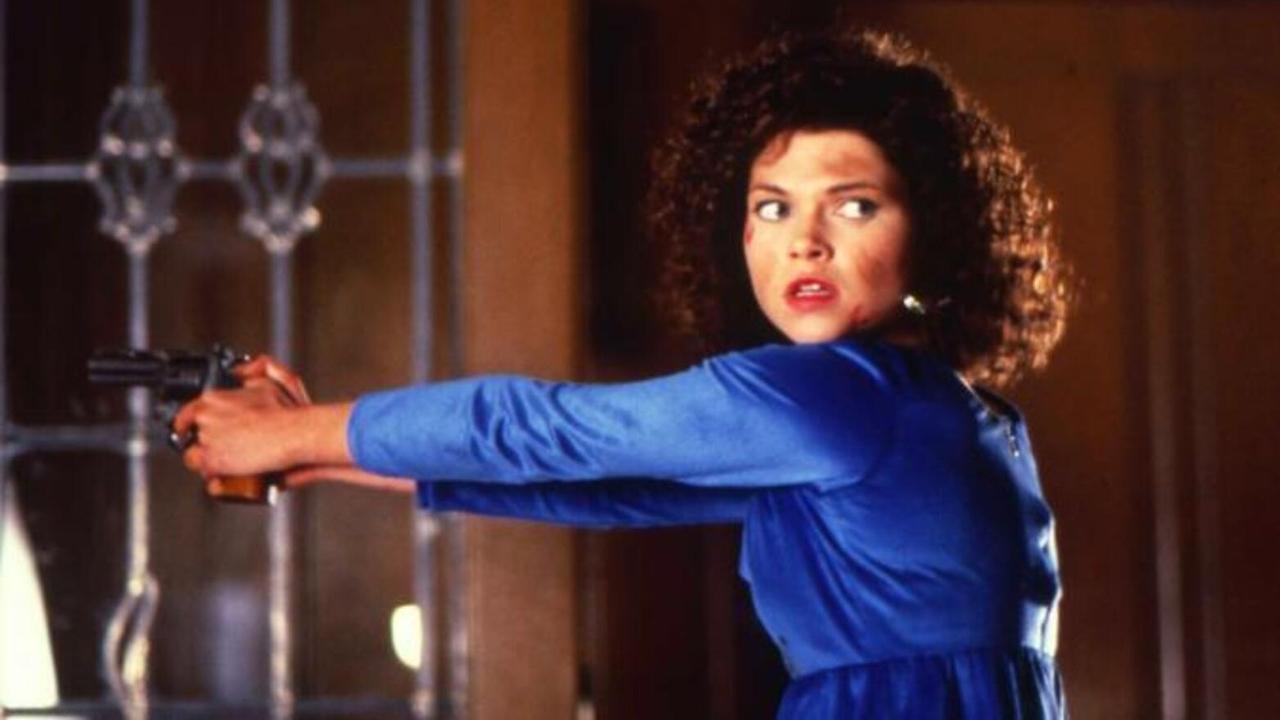
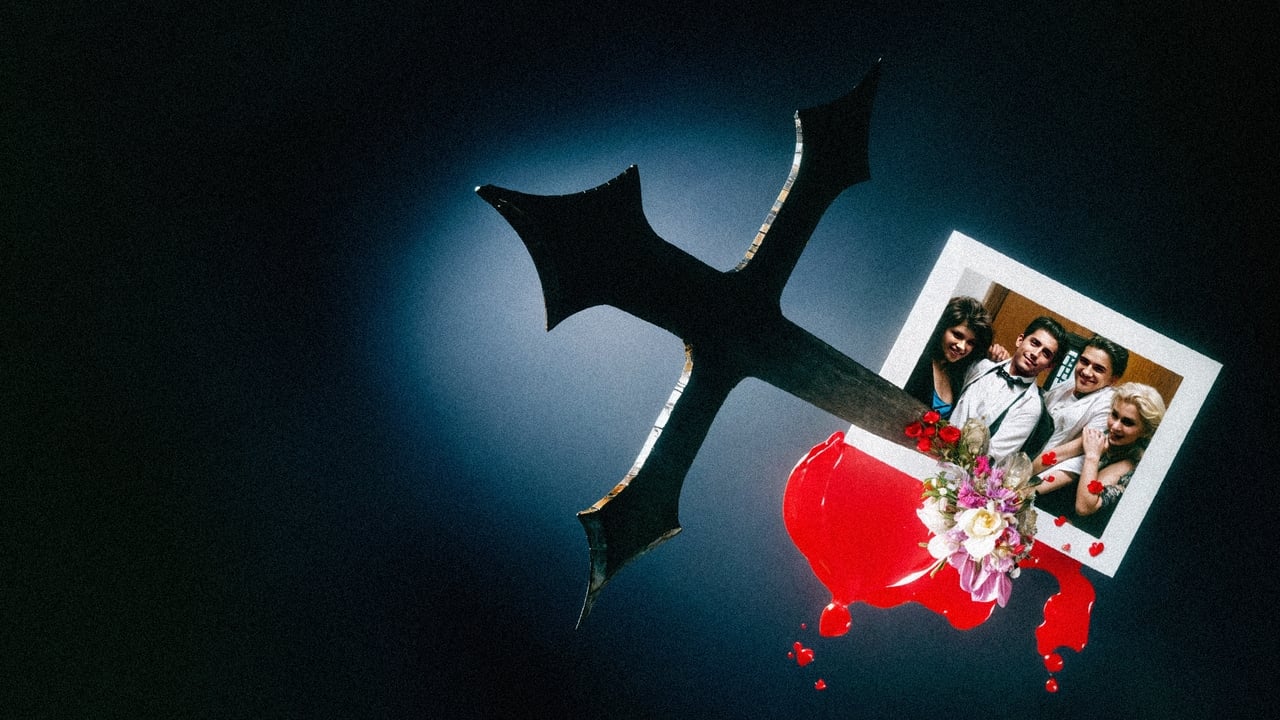
Our story centers around a group of teens celebrating their prom night (naturally) near an old Catholic seminary. The trouble starts when Father Jonas, a priest driven murderously insane years ago by sexual torment and subsequently immolated by vengeful students (yikes!), is accidentally resurrected. Now, he’s back with a god-complex, a nasty set of gardening shears (among other implements), and a serious grudge against hormonal teenagers. The premise is pure early 90s slasher fodder, blending the stalk-and-slash formula with a dose of demonic possession and Catholic guilt.
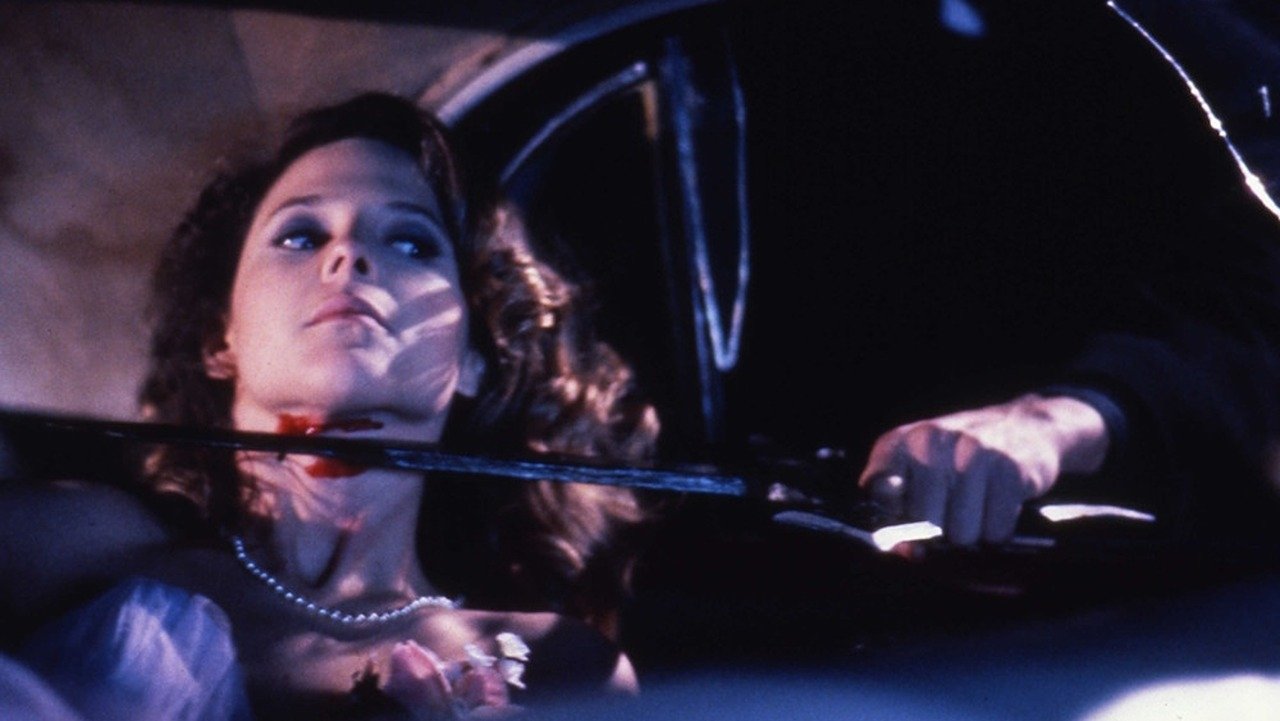
The villain, Father Jonas, isn't exactly subtle. He growls, he preaches damnation, he dispatches victims with a grim determination that feels very much of its time. While it lacks the iconic presence of a Michael Myers or the wisecracking menace of Freddy Krueger, there's a certain unpleasantness to his zealous brutality. The kills themselves rely heavily on practical effects, as you'd expect. We get some decent, if not groundbreaking, gore – stabbings, impalements, the works. Remember how those blood squibs just looked different back then? Sometimes messy, sometimes almost comically over-the-top, but always feeling tangible in a way that modern CGI rarely captures. No digital blood spray here; this is corn syrup and latex territory, and honestly, that’s part of the charm.
### Before They Were Stars
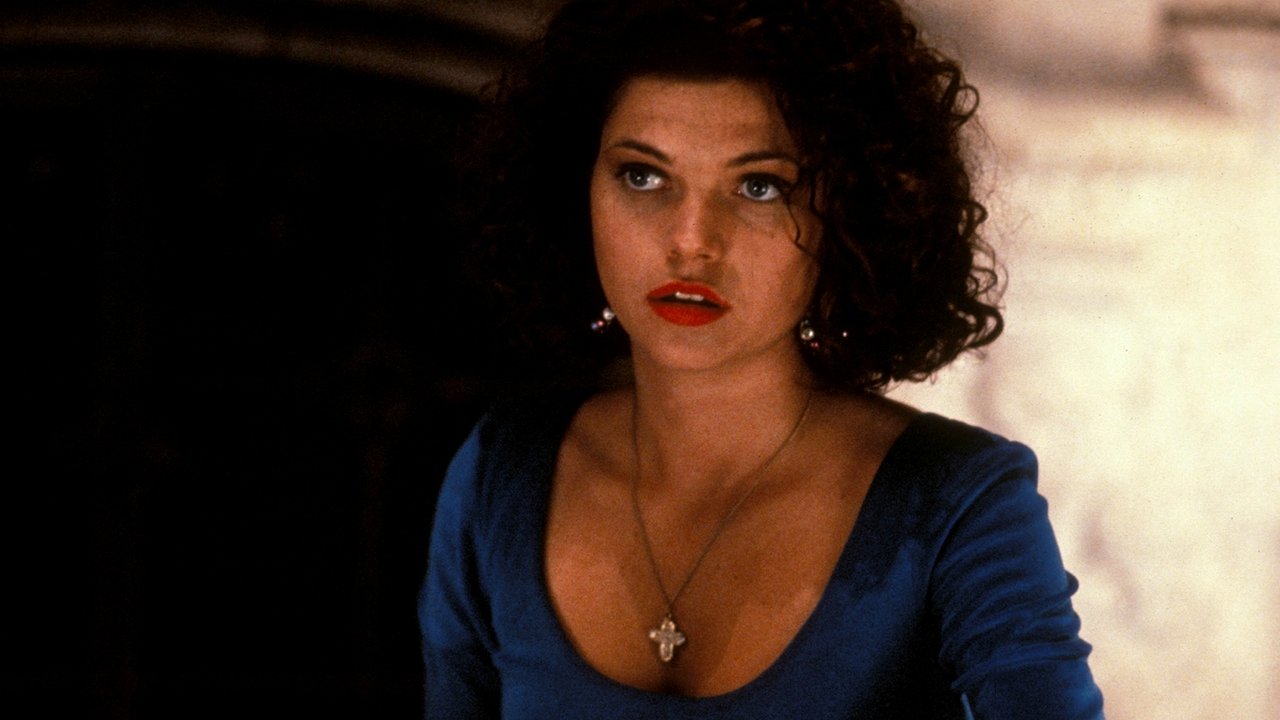
What really elevates Prom Night IV slightly above standard B-movie fare is its cast, particularly a young Nicole de Boer. Seeing her here, years before she navigated the deadly traps of Cube (1997) or joined the crew of Star Trek: Deep Space Nine, is a real treat for genre fans. She brings a genuine vulnerability and intelligence to her role as Meagan, one of the targeted teens grappling with her own dark past connected to the seminary. You can already see the screen presence that would define her later career. Alongside her are familiar Canadian talents like J.H. Wyman (credited here as James Roday Rodriguez’s future writing/producing partner) and Joy Tanner, who deliver committed performances typical of the era's horror hopefuls – earnest, sometimes a bit stiff, but always giving it their all within the confines of the script. It's fascinating to think this was likely just another gig for them at the time, a step on the ladder filmed efficiently in their home province.
### That Straight-to-Video Vibe
Clay Borris directs with a workmanlike efficiency. The film doesn't break any new ground stylistically, but it effectively uses its isolated locations – the creepy seminary, the dark woods – to build a modicum of suspense. The pacing can sometimes drag, padding out the runtime between the stalk sequences, which was a common ailment of lower-budget slashers trying to hit that 90-minute mark. Yet, there's an undeniable atmosphere here – a blend of gothic gloom and standard teen horror tropes that feels unique to this specific pocket of the early 90s, a time when the slasher genre was looking for new angles (like religious horror) before Scream (1996) arrived to completely change the game. It might not have set the box office alight (being direct-to-video, it didn't really have one!), but it found its audience on those rental shelves.
***
VHS Heaven Rating: 5/10
Justification: Prom Night IV gets points for its surprisingly dark religious horror angle, daring to ditch established lore (even if confusingly), and offering an early glimpse of Nicole de Boer's talent. The practical gore effects have a certain retro appeal. However, it's held back by uneven pacing, a somewhat generic villain execution despite the interesting premise, and that unmistakable low-budget, straight-to-video feel that means it never quite transcends its limitations. It lacks the iconic status of the original or even the campy fun of II & III.
Final Thought: It's the Prom Night sequel that wasn't, a strange, religiously-tinged Canadian curio perfect for excavating from the VHS crypt when you crave that specific early 90s flavor of earnest, slightly awkward, practically-rendered horror. Definitely not a classic, but a fascinating footnote found lurking on the bottom shelf.