## That Drowning Feeling: The Isolated Dread of Witchery (1988)
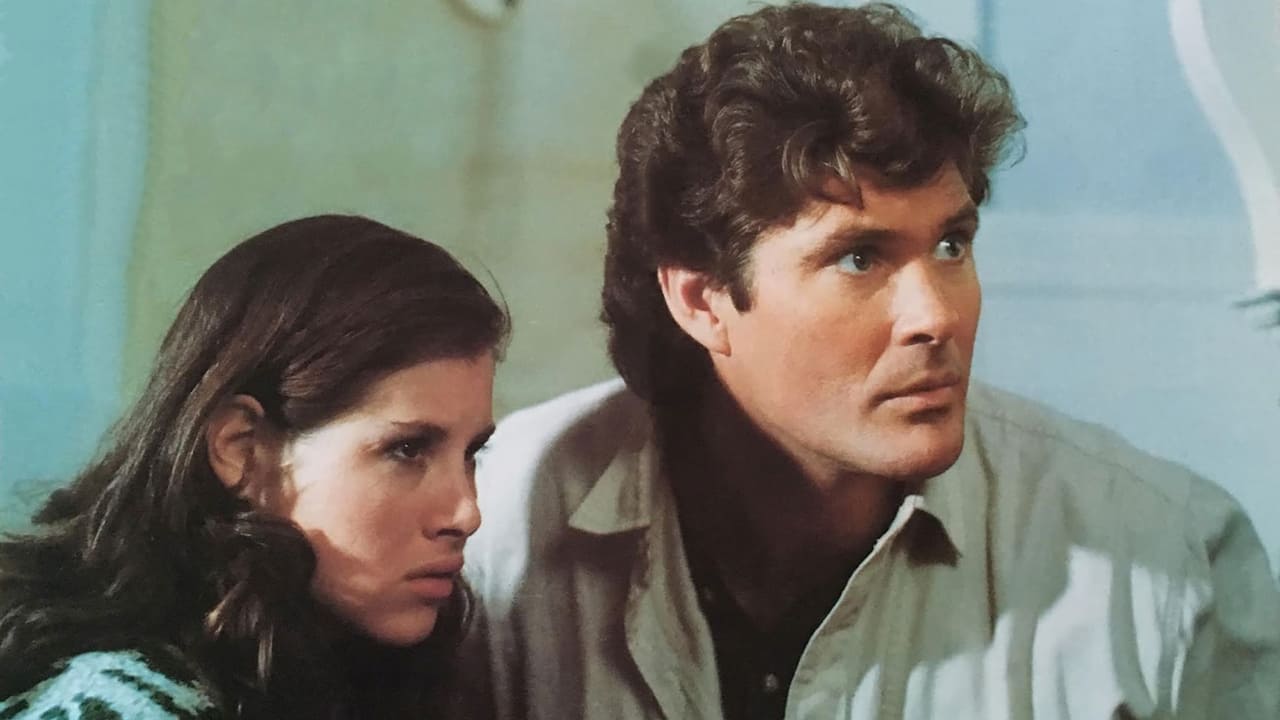
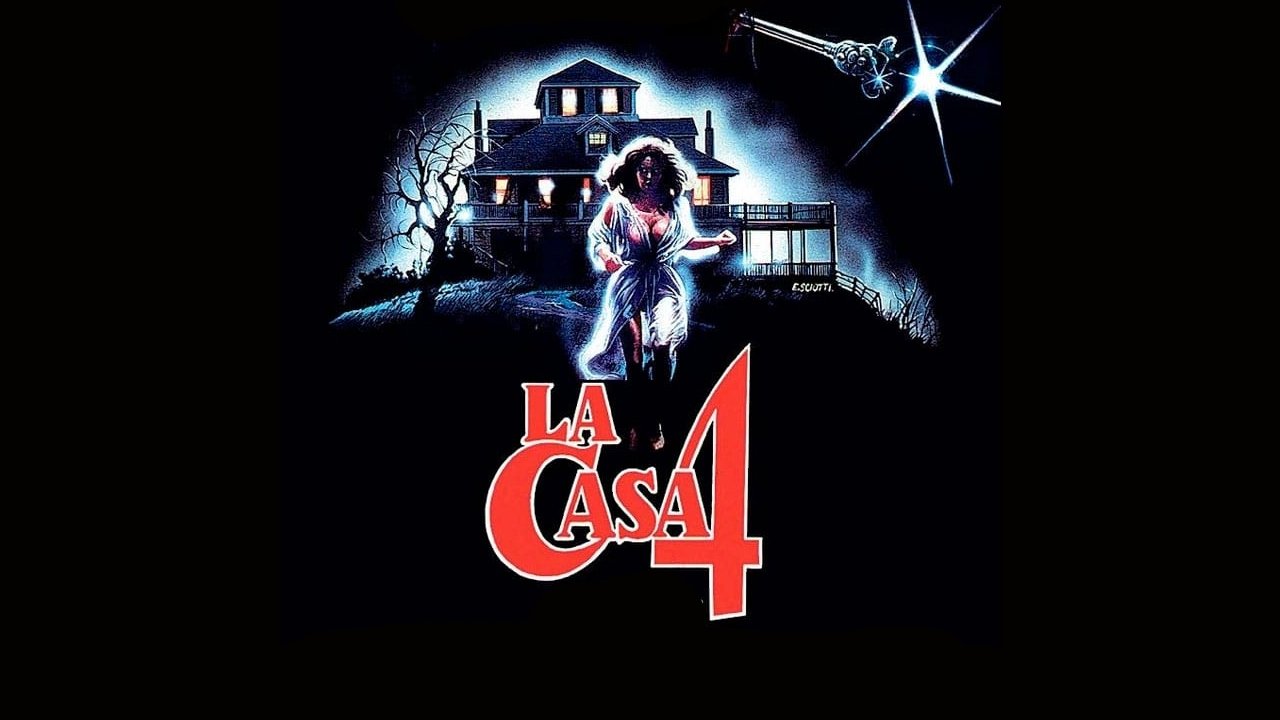
The storm gathers almost immediately, doesn't it? Not just the literal tempest battering the remote island off the Massachusetts coast, but the oppressive weight settling over the old hotel, a place seemingly built from damp rot and lingering malice. Watching Witchery (also known, confusingly, as La Casa 4 or Ghosthouse 2 in some territories) feels like being trapped alongside its unfortunate characters – the air thickens, the escape routes vanish, and a profound sense of isolation creeps in. This isn't just a haunting; it's a slow, inevitable drowning in supernatural vengeance, captured with that particular brand of grim, late-80s Italian horror intensity that could chill you right through the flickering glow of the CRT.
Island of the Damned
The setup is classic, almost archetypal: a group arrives at a desolate, cursed location with plans that seem doomed from the outset. Leslie (played by horror veteran Linda Blair, forever linked to The Exorcist), pregnant and plagued by disturbing visions, accompanies her partner Gary (David Hasselhoff, in a stark departure from his Knight Rider heroism) and others investigating the island's dark history for a potential resort development. The dilapidated hotel stands as a monument to past atrocities, presided over by the spectral presence of a murderous witch, executed centuries prior but very much still seeking retribution. Director Fabrizio Laurenti (often credited under the pseudonym Martin Newlin) wastes little time establishing the suffocating atmosphere. The island itself feels like a character – unwelcoming, menacing, its shores seemingly eager to swallow visitors whole. The incessant storm ensures there’s no calling for help, no easy way out, amplifying the claustrophobia until the hotel's decaying walls feel like the inside of a tomb.
Visceral Nightmares on Tape
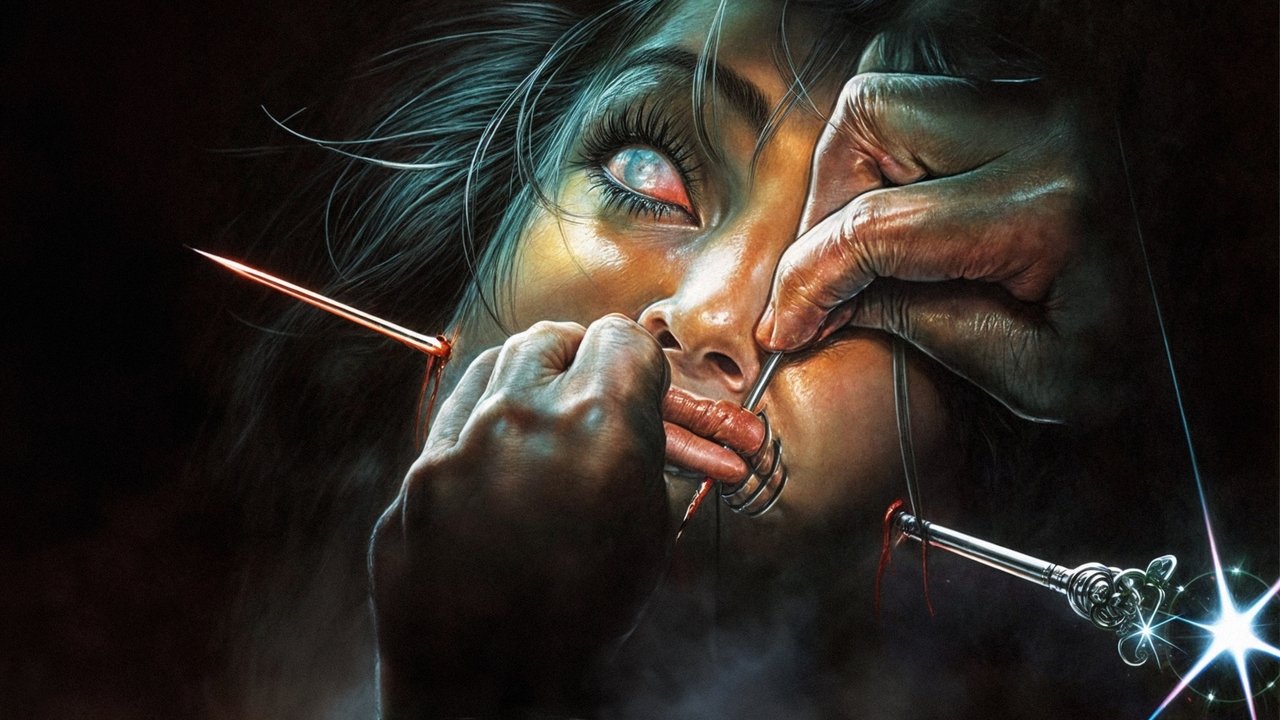
What truly seared Witchery into the minds of those who rented it back in the day, perhaps late on a Friday night, was its unflinching commitment to graphic, practical horror. This is where the film leans heavily into its Italian horror lineage, delivering moments of cruelty designed to make you physically recoil. The infamous fireplace sequence, where a character meets a fiery, agonizing end, is shockingly brutal even now. It’s not just gore for gore’s sake; there's a calculated nastiness to it, a sense of the witch enjoying her work. Another sequence, involving needle, thread, and unwilling lips, remains profoundly disturbing – the kind of image that lodges itself in your subconscious. These moments, rendered with tangible, squirm-inducing practical effects, felt horribly real on grainy VHS. Did anyone else find themselves genuinely unnerved by the sheer physicality of these deaths, the way the effects bypassed CGI slickness for something far more guttural and upsetting? It’s this visceral punch that defines the Witchery viewing experience – raw, unpleasant, and hard to shake.
Familiar Faces in a Bleak Landscape
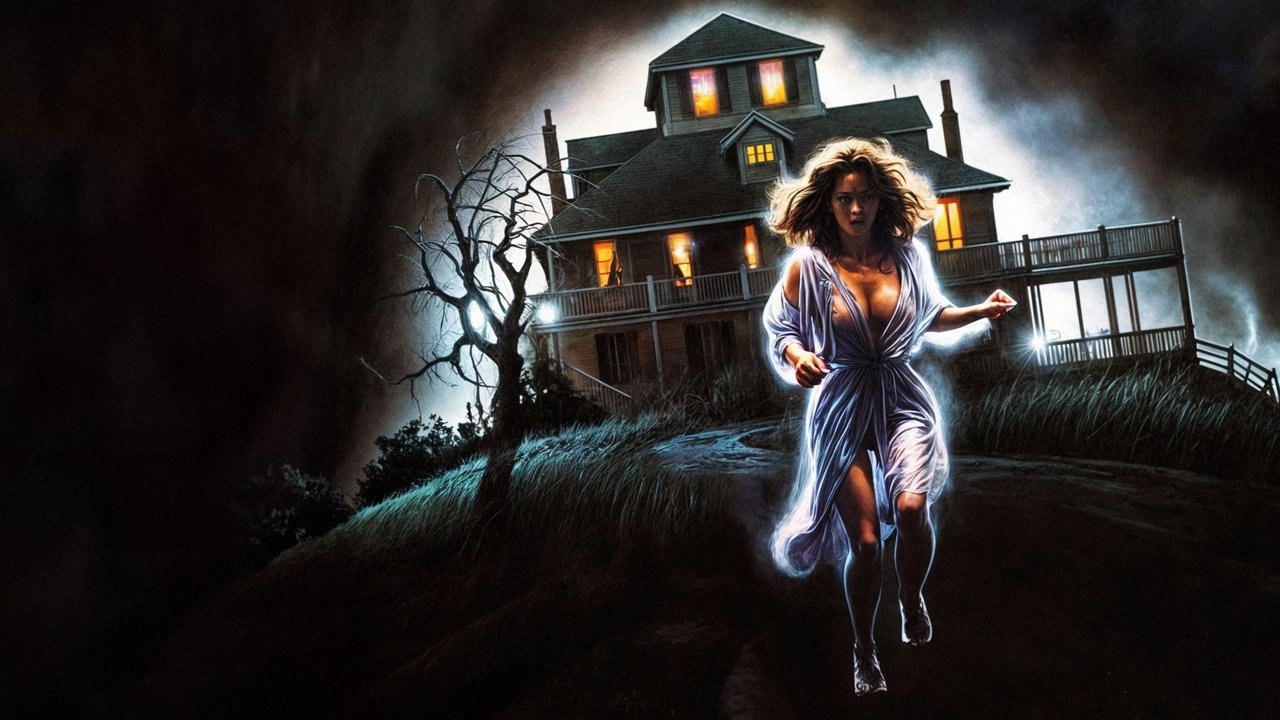
The presence of Linda Blair and David Hasselhoff lends Witchery a unique, almost surreal quality. Blair brings a vulnerability and growing terror to Leslie, convincingly portraying a woman haunted both internally and externally. Seeing her navigate another supernatural nightmare inevitably evokes echoes of her most famous role, but she anchors the film’s escalating dread. Hasselhoff, caught between his Knight Industries Two Thousand days and the impending shores of Baywatch, offers a different kind of presence. His Gary isn't the uncomplicated hero; he’s fallible, sometimes abrasive, and ultimately just as trapped as everyone else. Watching "The Hoff," this icon of buoyant 80s television, grapple with such grim, inescapable horror adds a strange layer of dissonance that actually enhances the film's unsettling mood. Retro Fun Fact: Adding to the film's tangled web, Catherine Hickland, playing another member of the doomed party, was actually married to Hasselhoff during the production, lending their on-screen interactions an unexpected, albeit bleak, footnote.
Crafting the Chill
While perhaps not a masterclass in subtlety, Fabrizio Laurenti and his team demonstrate a clear understanding of how to build tension within their means. The score often relies on jarring stings and ominous drones, effectively punctuating the scares and maintaining a baseline of unease. The sound design emphasizes the creaks and groans of the old hotel, the relentless howl of the wind and rain, making the isolation palpable. Cinematography often lingers on decaying details or uses claustrophobic framing within the hotel's oppressive interiors. The production design itself is key – the hotel feels genuinely old, damp, and haunted, a far cry from a sterile studio set. Retro Fun Fact: The film's baffling alternate title, La Casa 4, was a purely opportunistic marketing ploy in Italy, attempting to link it to Sam Raimi's Evil Dead series (known as La Casa there) and the unrelated House films. This bit of video store history only adds to Witchery's strange, cult-like aura – a film existing slightly outside the lines, connected to phantom franchises.
A Lingering Stain of Dread
Witchery isn't sophisticated horror. Its logic can be shaky, and its narrative sometimes feels secondary to the delivery of its next gruesome set piece. Yet, it achieves a particular kind of effectiveness through its sheer commitment to bleakness and its visceral shocks. There’s an almost nihilistic quality to the unfolding events, a sense that fate is sealed, and the witch's vengeance is absolute. The film doesn't offer easy comfort or catharsis. Instead, it leaves you with a lingering sense of unease, the memory of those graphic deaths, and the feeling of being trapped in that storm-lashed, haunted place. It taps into primal fears – isolation, bodily violation, the inescapable past – with a blunt force that, while crude, is undeniably impactful.
VHS Heaven Rating: 6/10
The rating reflects Witchery's status as a potent, if flawed, slice of late-80s Italian horror. It earns points for its genuinely oppressive atmosphere, its shockingly effective practical gore effects that still disturb, and the sheer cult curiosity of its cast and bizarre marketing history (La Casa 4!). However, it's held back by uneven pacing at times and performances that occasionally buckle under the grim material (though this arguably adds to the unsettling vibe). It lacks the artistry of Argento or the surreal genius of Fulci at their peak, but it delivers a specific, nasty jolt of VHS-era dread.
Witchery remains a fascinating artifact – a grim, sometimes clumsy, but undeniably memorable horror experience that feels perfectly suited to a late-night viewing. It’s a film that reminds you how raw and unpleasant practical effects could be, and how effectively even a lower-budget shocker could conjure a genuine sense of isolation and doom back in the heyday of the video store. It may not be high art, but its particular brand of intense, visceral horror still leaves a mark.