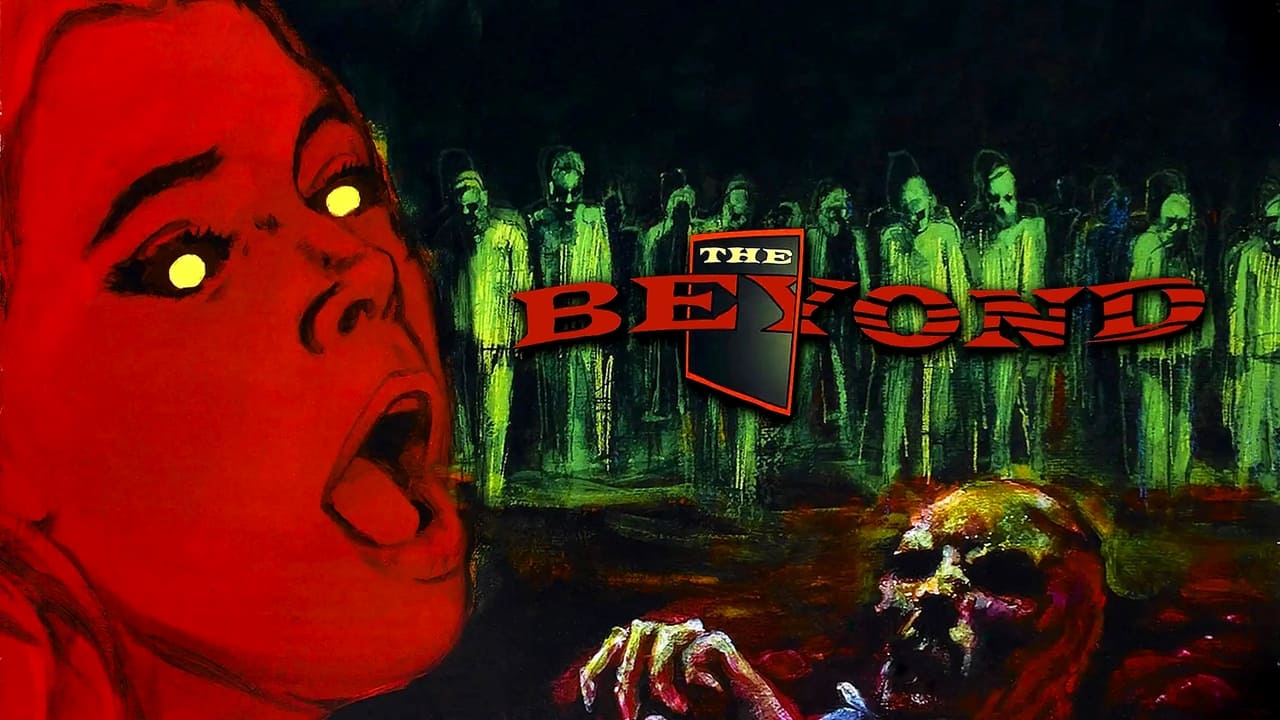
"Woe be unto him who opens one of the seven gateways to Hell, because through that gateway, evil will invade the world." It's not just a line whispered from the brittle pages of the fictional Book of Eibon; it’s the suffocating promise that hangs heavy over every frame of Lucio Fulci's hallucinatory masterpiece, The Beyond (1981). Forget neat narratives and logical progressions. This isn't a story you follow; it's a nightmare you endure, a descent into a particular kind of Italian horror madness that feels dredged from the collective unconscious, buzzing with the static of a cursed VHS tape played long after midnight.
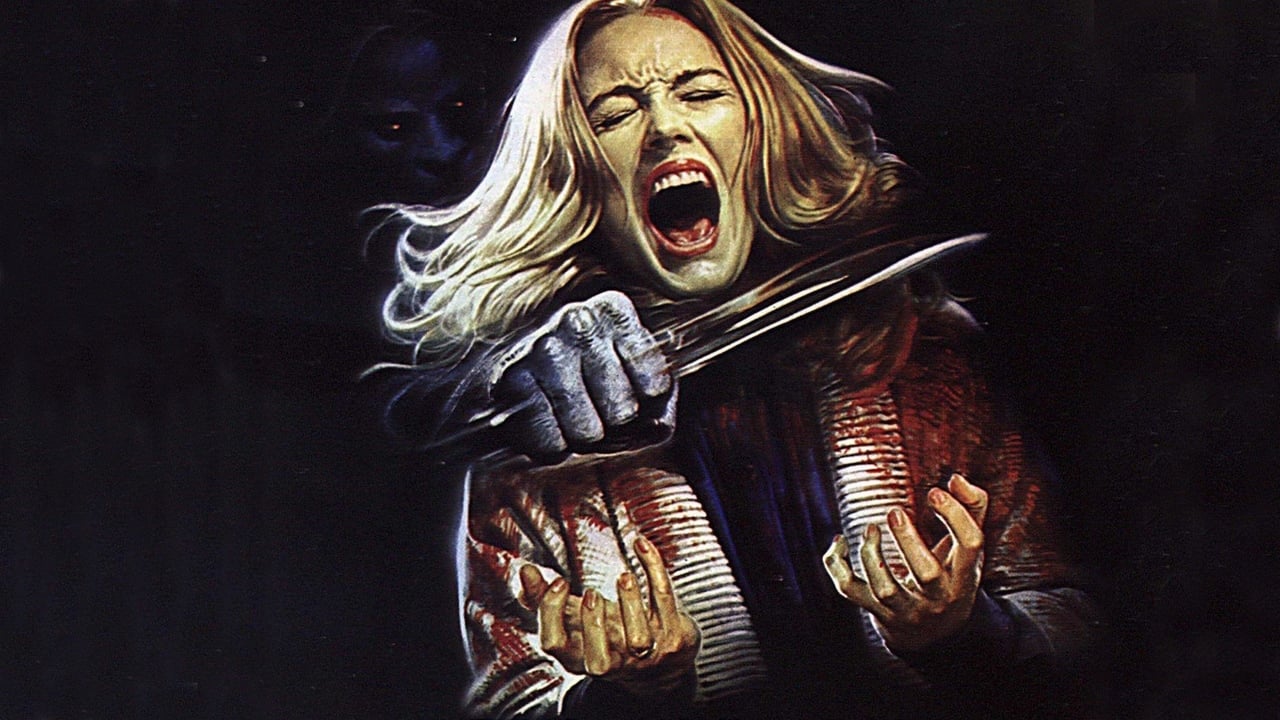
A Hotel Built on Damnation
The setup feels deceptively simple, almost like a gothic potboiler. Liza (Catriona MacColl, a recurring Fulci heroine also seen in City of the Living Dead and The House by the Cemetery) inherits the Seven Doors Hotel in rural Louisiana. She aims to restore the dilapidated building, blissfully unaware that it sits directly atop one of the aforementioned gateways. From the moment renovations begin, things go sideways in the most grotesque ways imaginable. A painter falls, a plumber vanishes, and a blind woman named Emily (Cinzia Monreale) appears with cryptic warnings delivered in a monotone that chills deeper than any scream. What follows isn't so much a plot as a relentless cascade of surreal, gruesome vignettes, each more disturbing than the last.
Fulci's Symphony of Sensation
Trying to map the plot of The Beyond is a fool's errand. Lucio Fulci, often dubbed the "Godfather of Gore," wasn't interested in conventional storytelling here. He orchestrates a symphony of dread, prioritizing atmosphere and visceral impact above all else. The film operates on dream logic, where spatial reasoning collapses and threats materialize from nowhere. Characters make baffling decisions, staircases lead to flooded morgues, and the barrier between the living and the dead dissolves into a porous membrane of rotting flesh and spectral whispers. It's disorienting, frustrating, and utterly captivating.
Key to this oppressive mood is the masterful score by Fabio Frizzi. The central piano theme is deceptively beautiful, almost melancholic, but it recurs relentlessly, morphing into discordant electronic throbs and percussive stabs that ratchet up the tension to unbearable levels. It’s a soundscape that perfectly complements the film's visuals – Sergio Salvati's cinematography often bathes scenes in eerie blues and sickly greens, emphasizing the decay and otherworldliness encroaching on reality. The Louisiana locations, particularly the genuinely historic (and reputedly haunted) St. Louis Hotel No. 2 in New Orleans doubling for the Seven Doors, add an authentic layer of Southern Gothic decay that feels inescapable.
The Unflinching Eye (and Other Atrocities)
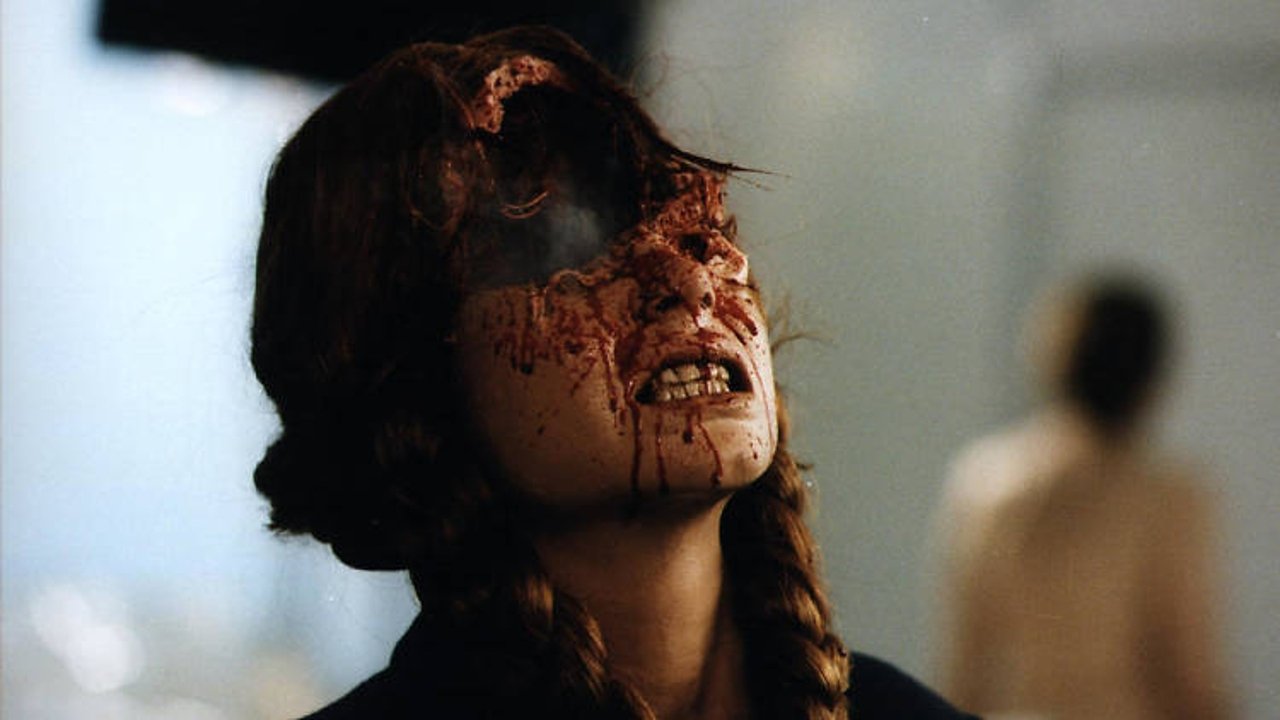
Let's be honest: you don't watch a Fulci film from this era expecting subtlety. The Beyond delivers some of the most audacious and stomach-churning practical gore effects ever committed to film, especially for its time. This was the stuff whispered about in hushed tones around schoolyards, the tape everyone dared each other to watch. Remember the eye-gouging scene? It remains brutally effective, a testament to the squirm-inducing power of well-executed practical effects, reportedly achieved with sheep eyes and masterful prosthetic work by Giannetto De Rossi. Fulci’s infamous obsession with ocular trauma is on full display here.
And it doesn't stop there. There's the face-melting acid, the flesh-hungry tarantulas (a scene David Warbeck, playing Dr. John McCabe, reportedly found deeply unpleasant to film with real spiders crawling on him), and zombie-like figures whose decay is rendered with loving, nauseating detail. These weren't CGI creations; they were latex, Karo syrup, and sheer gruesome artistry that felt tangible, disturbingly real on flickering CRT screens. Fulci’s effects team, working with what was likely a modest budget (precise figures are debated, but typical for Italian genre films of the era), achieved a level of visceral horror that still shocks. The film even faced censorship battles, particularly its heavily re-edited and rescored US release under the title Seven Doors of Death, which attempted to market it as a standard zombie flick, losing much of its surreal power.
Surrendering to the Void
Performances in Fulci films can sometimes feel secondary to the spectacle, but Catriona MacColl brings a necessary grounding vulnerability as Liza, her mounting terror reflecting our own. David Warbeck provides a stoic, if slightly bewildered, counterpoint as the pragmatic doctor increasingly overwhelmed by the supernatural chaos. Cinzia Monreale's Emily is perhaps the most haunting presence, her white, opaque eyes (a simple but incredibly effective makeup choice) becoming an unforgettable symbol of the film's eerie detachment from reality.
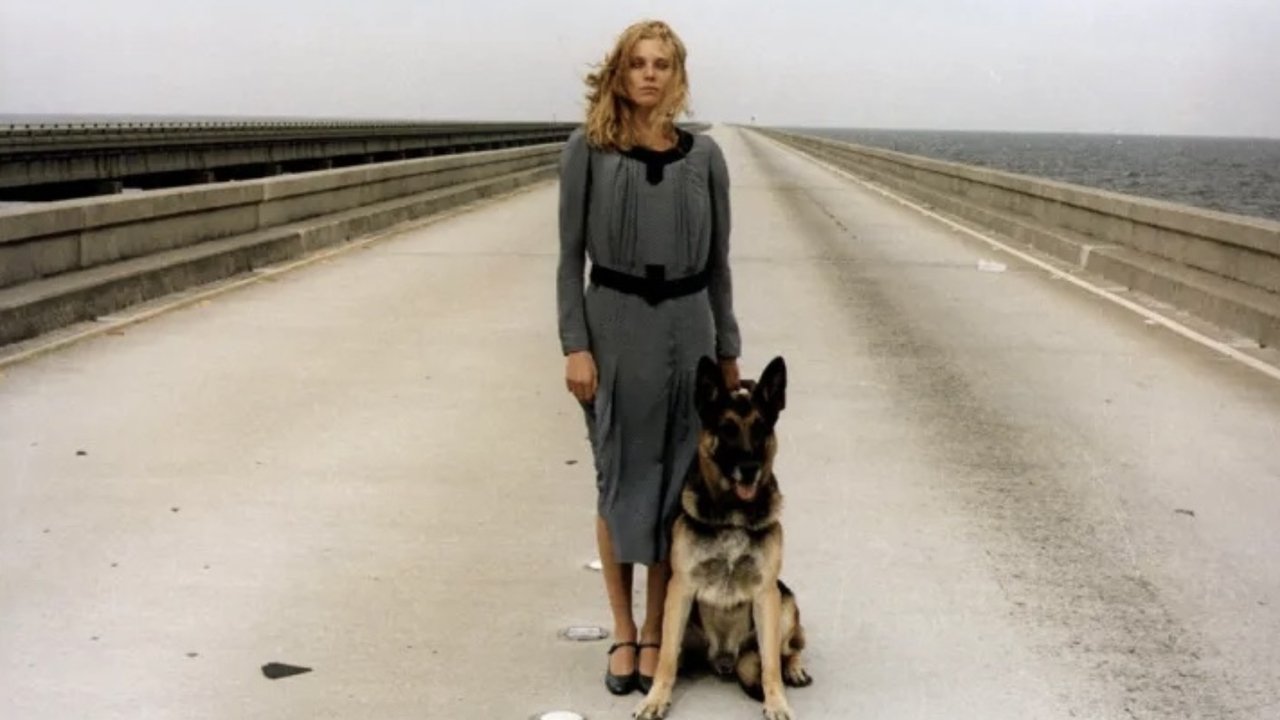
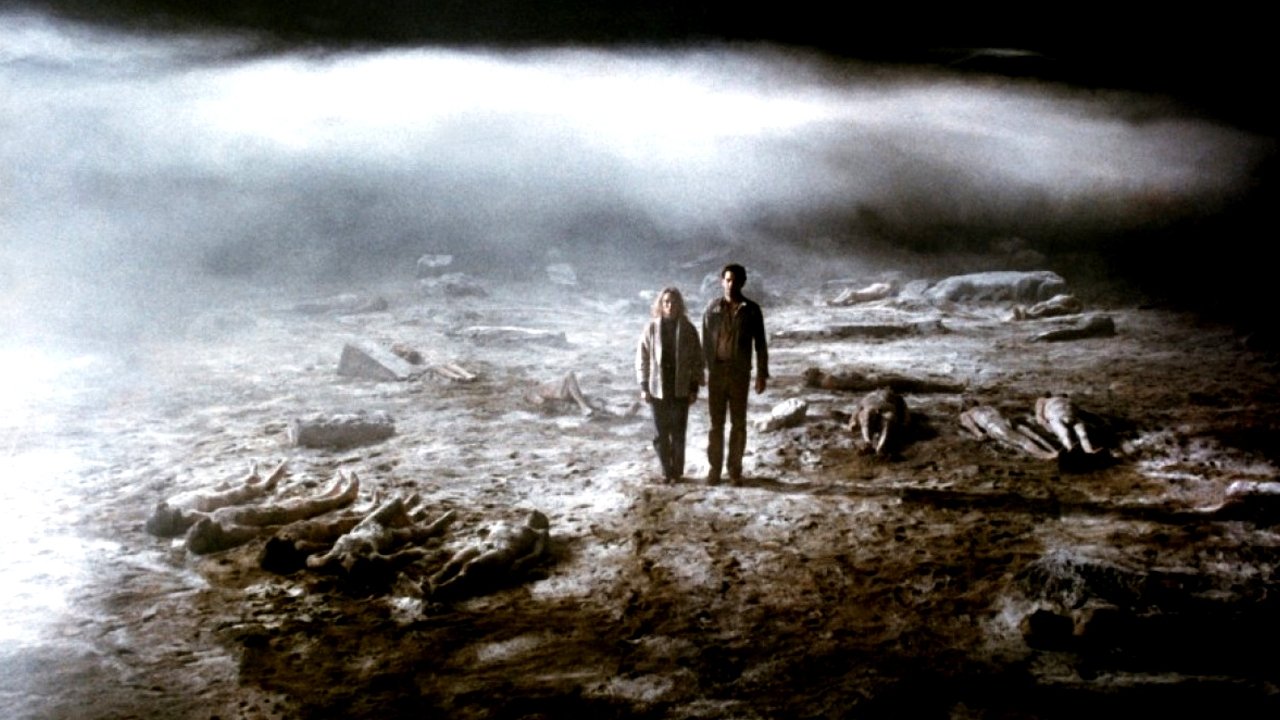
The Beyond isn't just a horror film; it's an experience. It’s the second, and arguably the finest, entry in Fulci's unofficial "Gates of Hell" trilogy, sitting between City of the Living Dead (1980) and The House by the Cemetery (1981). These films share thematic concerns – permeable boundaries between worlds, inescapable doom, lashings of gore – but The Beyond achieves a level of nightmarish poetry that elevates it. Did that ending, with Liza and John trapped in the desolate, grey landscape mirroring the cursed painting, leave you feeling utterly hopeless back then? It still does. It’s an image of cosmic despair that sticks with you long after the tape clicks off.
VHS Heaven Rating: 9/10
Why a 9? The Beyond is pure, uncut Fulci. It's a masterclass in atmospheric dread and practical gore effects, delivering an experience that is uniquely unsettling and unforgettable. The narrative incoherence is a feature, not a bug, contributing to its dreamlike, hallucinatory power. While it might frustrate viewers seeking linear storytelling, its commitment to visceral horror and surreal imagery earns it near-perfect marks as a landmark of Italian horror. It loses a single point perhaps only because its sheer extremity and narrative ambiguity won't connect with absolutely everyone, even within the horror fandom.
For fans of extreme 80s horror, surrealism, and practical effects artistry, The Beyond remains essential viewing. It's a film that truly feels dangerous, a celluloid portal to a place you wouldn't want to visit, but can't look away from. It’s the kind of movie that made late-night VHS rentals feel like uncovering forbidden knowledge.