The air hangs heavy over the Sicilian ruins, thick with centuries of secrets and the lingering scent of decay. It’s a place where the past refuses to stay buried, clawing its way back into the present with spectral fingers. This oppressive atmosphere is the suffocating embrace of Lucio Fulci's 1990 effort, Demonia – a film that arrived late in the Maestro of Gore’s career, carrying both the familiar signatures of his visceral style and the weariness of a filmmaker perhaps battling more than just cinematic demons.
Whispers Among the Stones
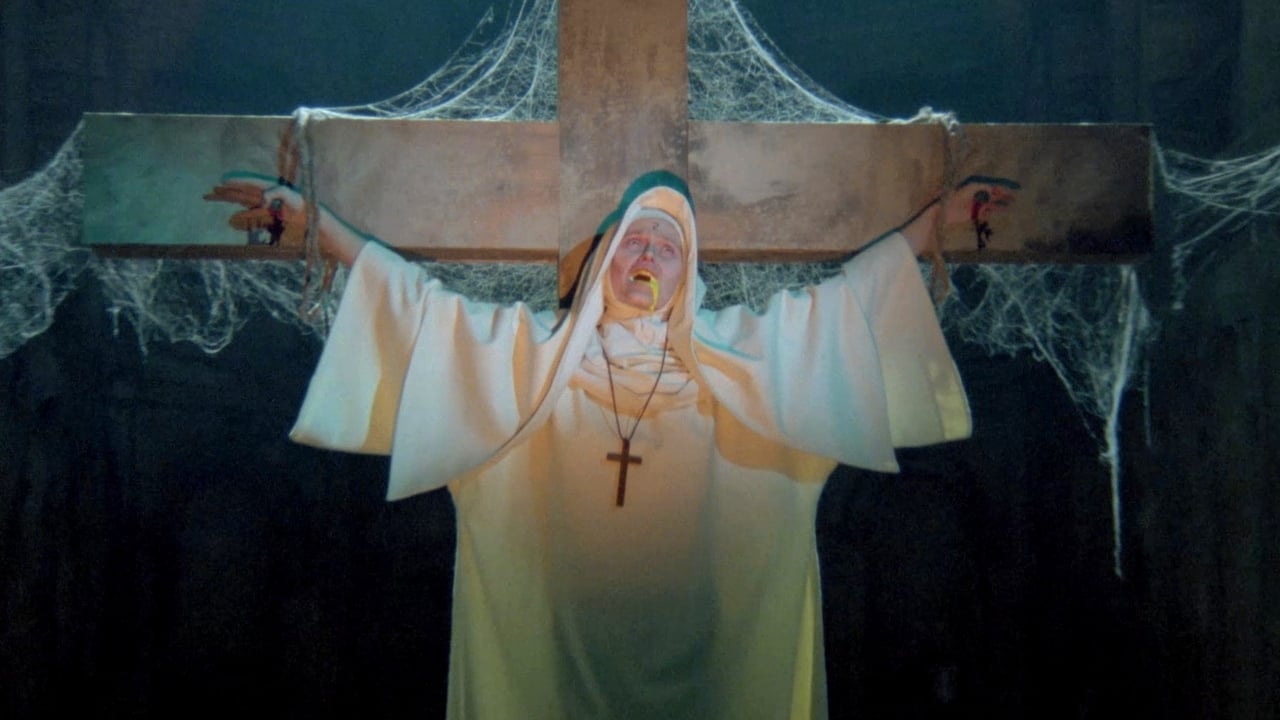
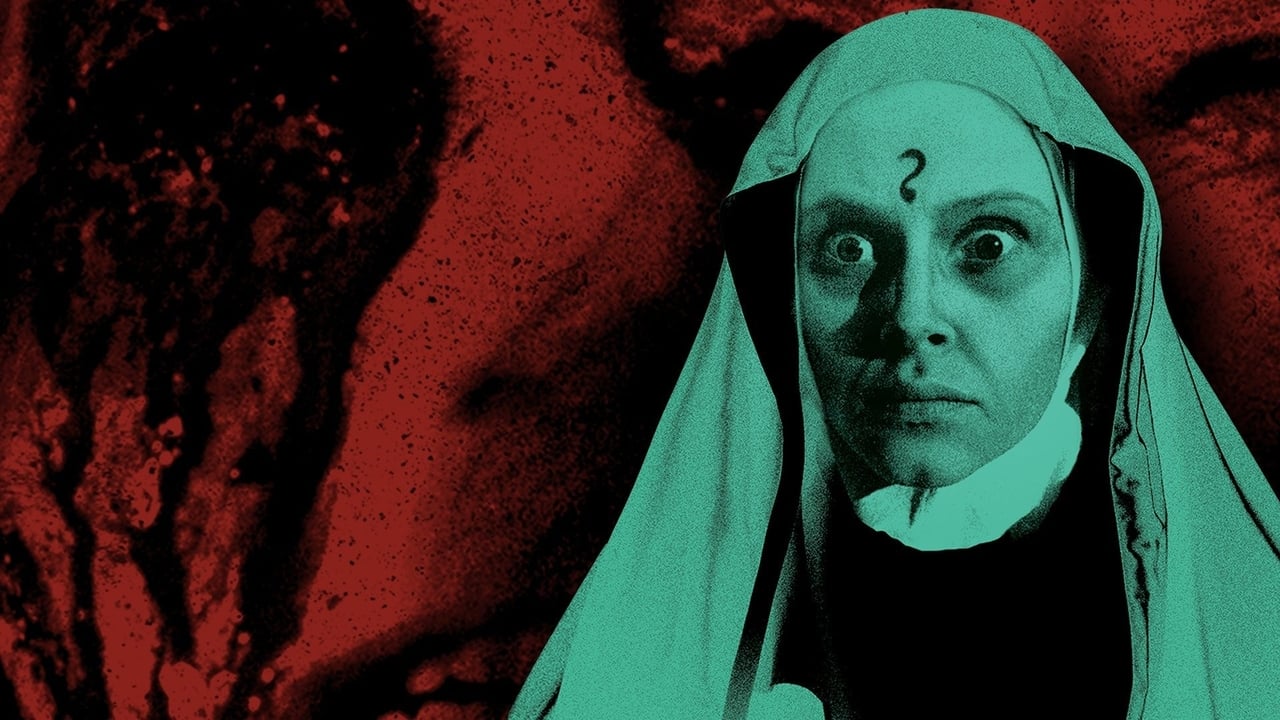
The setup is classic Fulci territory, steeped in Catholic guilt, ancient curses, and festering secrets. A Canadian archaeological team, led by Professor Evans (Brett Halsey, a familiar face from Fulci's own Touch of Death and numerous Euro-cult features), arrives at a dig site near the ruins of a medieval monastery in Sicily. Among them is Liza (Meg Register), a young archaeologist plagued by unsettling visions connected to the site's dark history: the brutal crucifixion of five Satan-worshipping nuns centuries ago by vengeful villagers. As Liza delves deeper, both into the earth and her own psyche, the spectral nuns begin to exert their malevolent influence, unleashing a wave of graphic vengeance upon the present-day locals. It’s a premise ripe for the kind of dreamlike, logic-be-damned horror Fulci excelled at, even if the execution here feels somewhat muted compared to his early 80s masterpieces like The Beyond (1981) or City of the Living Dead (1980).
Fulci's Late Giallo Hues
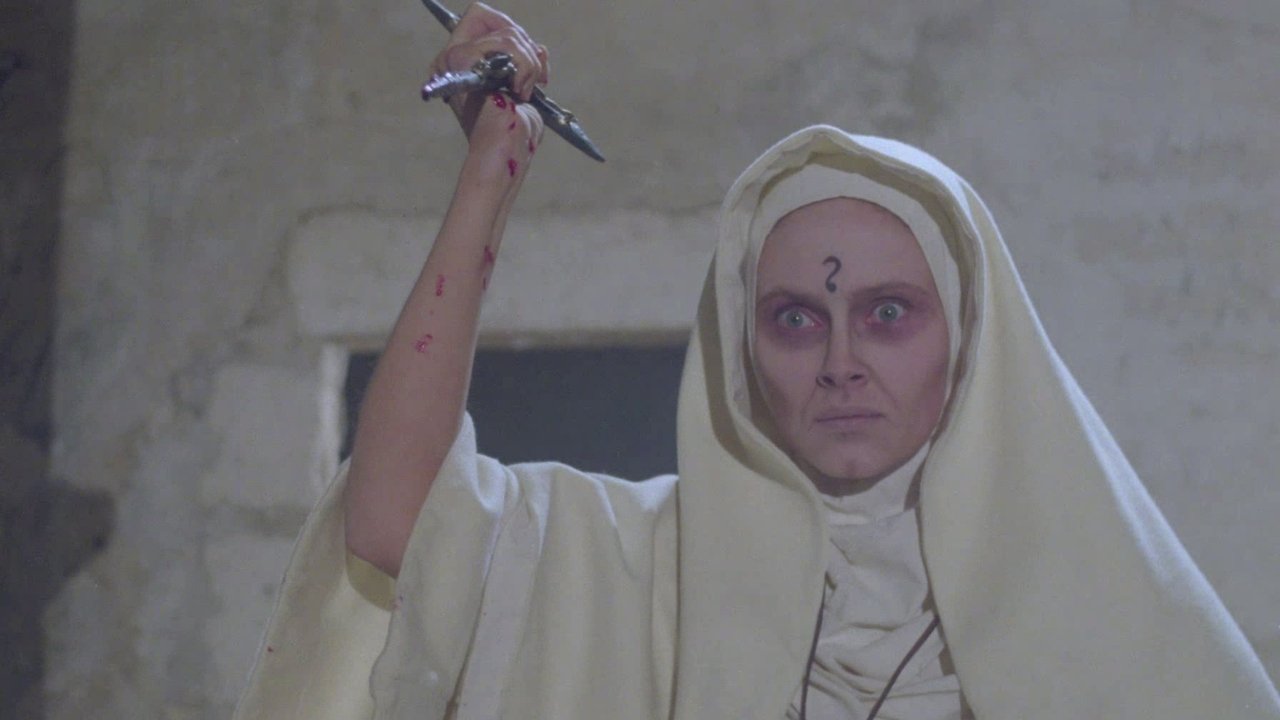
Despite arriving in 1990, Demonia often feels like a film unstuck in time, echoing the giallo sensibilities of the 70s mixed with the explicit gore Fulci pioneered. The archaeological backdrop provides a fantastic sense of place; the scenes filmed around the very real, ancient Greek temple ruins at Segesta lend the film an undeniable authenticity and eerie grandeur that no soundstage could replicate. You can almost feel the Sicilian heat radiating off the screen, mingling with the chill of the supernatural. Lucio Fulci, working with co-writers Piero Regnoli and Antonio Tentori, leans heavily into this atmosphere. The crumbling monastery, the winding village streets, the catacombs – they all become characters in themselves, whispering warnings the protagonists inevitably ignore.
However, this was a challenging period for Fulci. Reportedly battling health issues and working with a constrained budget (around $1 million, a respectable sum for Italian genre fare but likely limiting), some seams inevitably show. The narrative pacing can feel uneven, occasionally meandering between moments of intense dread and slower investigative scenes. Brett Halsey brings a certain weary gravitas, but the central performance relies heavily on Meg Register, who conveys Liza's spiralling connection to the past with wide-eyed vulnerability, even if the script sometimes leaves her adrift. Remember watching these late Fulci films on VHS? There was often that sense of searching for the flashes of brilliance, the moments that reminded you why he was the Godfather of Gore.
The Unflinching Eye
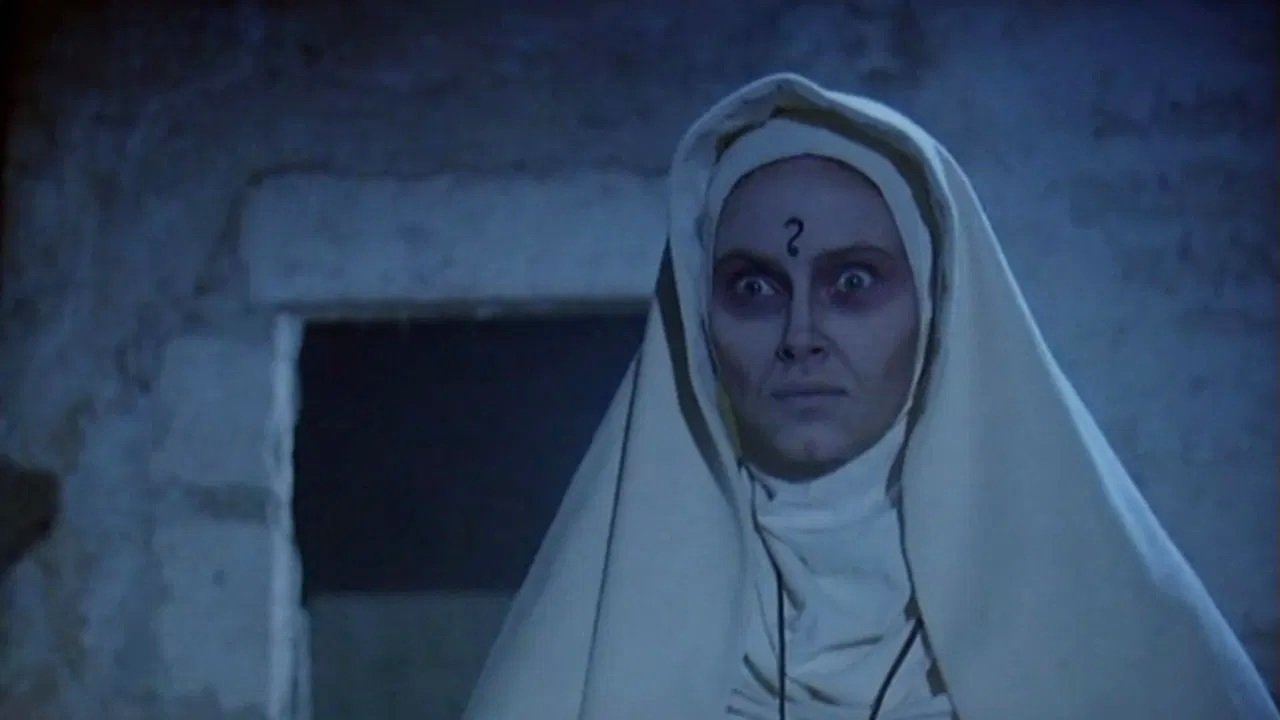
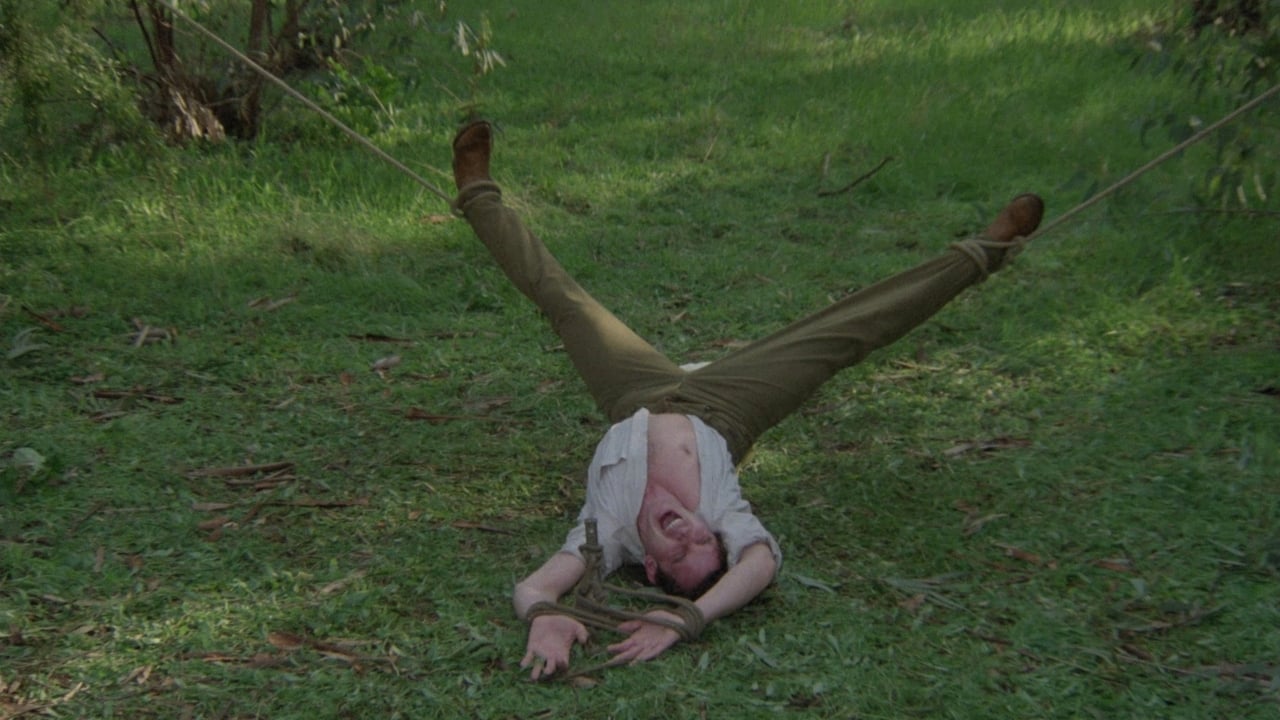
And brilliance does flash through. When Demonia decides to unleash the horror, it does so with the unflinching, visceral gut-punch Fulci fans crave. The practical gore effects, though perhaps lacking the polish of his bigger-budget heyday, are plentiful and stomach-churning. We get impalements, graphic stabbings, a particularly nasty tongue removal, and sequences within the catacombs that deliver genuine claustrophobic chills. The spectral nuns themselves, often appearing as fleeting, decaying figures in the periphery before striking, are effectively unnerving. Fulci never shied away from brutality, and Demonia is no exception. It’s this commitment to the explicit, even when hampered by resources, that marks the film as distinctly his. One wonders how much more elaborate these sequences might have been conceived on paper before budget realities set in – a common tale in the world of Italian genre filmmaking. The film's initial release was also quite limited, making the VHS tape a treasured, slightly notorious find for dedicated Fulci followers back in the day.
Legacy in the Crypt
Demonia isn't top-tier Fulci. It lacks the relentless surreal nightmare logic of The Beyond or the gut-wrenching tension of Zombi 2 (1979, aka Zombie Flesh Eaters). The plot sometimes feels like a collection of Fulci's favourite tropes – psychic connection to the past, vengeful spirits, gory set-pieces, anti-clerical undertones – assembled rather than seamlessly woven. Yet, for fans of the director or enthusiasts of late-era Italian horror VHS discoveries, there's much to appreciate. The oppressive atmosphere generated by the authentic Sicilian locations is potent, the gore sequences deliver the expected Fulci intensity, and there's a melancholic quality to the whole affair, a sense of an old master working within limitations but still capable of conjuring potent darkness. It’s a film that feels perfectly suited for that late-night viewing experience, the flickering CRT casting long shadows as the ancient curse unfolds. Doesn't that palpable sense of place still feel effective, even now?
VHS Heaven Rating: 6/10
Justification: Demonia earns points for its incredible atmosphere, effective use of location, and signature Fulci gore sequences that deliver the expected shocks. However, it loses points for uneven pacing, sometimes underdeveloped characters, and a narrative that feels somewhat derivative of Fulci's own better works, likely hampered by late-career budget and health constraints. It’s a solid, often visually striking slice of late Italian horror, but falls short of masterpiece status.
Final Thought: While perhaps a lesser light in Fulci's blood-splattered constellation, Demonia remains a fascinating and atmospheric chiller, a testament to the Maestro's enduring ability to find horror lurking beneath the sun-baked stones of history – a worthy find in the dusty corners of the video store crypt.