It hits you sometimes, doesn't it? That slow-burn anger simmering beneath the surface of a film, not aimed at the characters or the plot, but at the cold, impersonal system they’re railing against. Rewatching Article 99 (1992), that feeling comes rushing back – a potent cocktail of frustration, dark humor, and a surprising amount of heart, all centered on the bureaucratic nightmare of a Veterans Affairs hospital. It wasn't a blockbuster smash, tucked away on the VHS shelves perhaps overshadowed by bigger action flicks or broader comedies, but discovering it felt like finding a film with something urgent and necessary to say.
Systemic Malady, Human Response
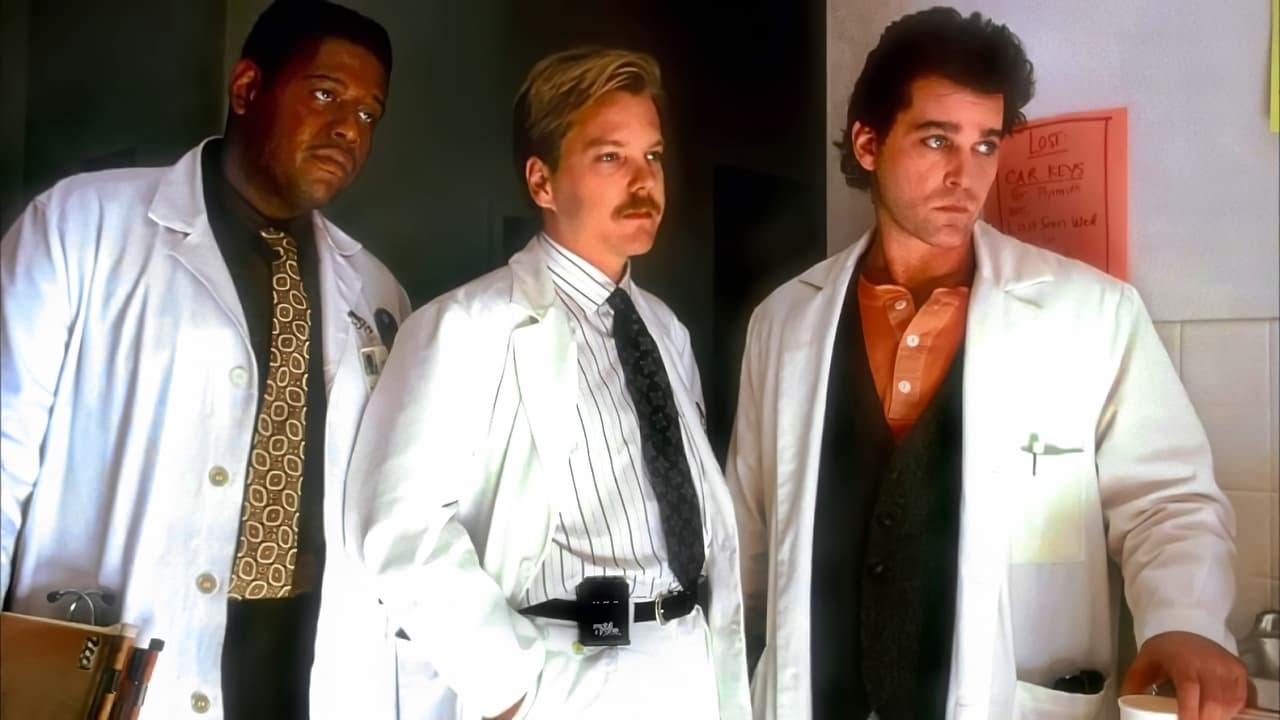
The premise is stark: Monument Heights VA Hospital is underfunded, understaffed, and drowning in red tape. The titular "Article 99" is the catch-22 regulation stating the hospital cannot treat veterans for ailments unrelated to their military service... unless it's an emergency, or unless doctors find creative, often rule-bending, ways to secure necessary supplies and care. Into this chaotic environment steps Dr. Peter Morgan (Kiefer Sutherland), an idealistic newcomer expecting a standard surgical residency. What he finds instead is a guerrilla war waged daily by a core group of dedicated doctors led by the brilliant, volatile, and deeply cynical Dr. Richard Sturgess (Ray Liotta).
Director Howard Deutch, known more for his keenly observed John Hughes-adjacent teen dramas like Pretty in Pink (1986) and Some Kind of Wonderful (1987), might have seemed an odd choice for this material. Yet, he handles the tonal shifts effectively, capturing both the frantic energy of the ER, the gallows humor shared between exhausted staff, and the quiet desperation of the patients. There's an undeniable authenticity here, grounded significantly by writer Ron Cutler, who based the screenplay on his own frustrating experiences working within the VA system. You feel that insider knowledge permeate the screen – the absurdity of the regulations, the constant battle for resources, the human cost of institutional indifference. It's no wonder the film was shot largely within the aged walls of the closed General Hospital in Kansas City, Missouri; the setting itself feels worn down, neglected yet defiant, mirroring the characters' struggle.
A Cast That Bleeds Conviction
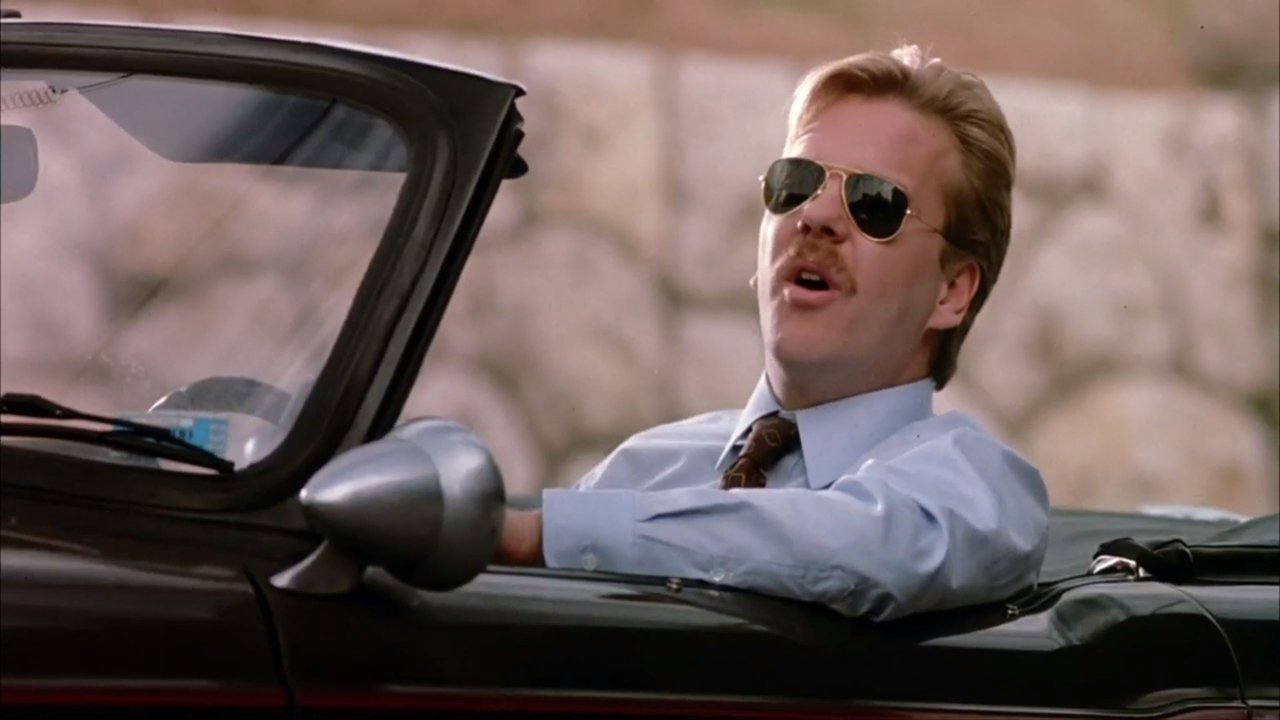
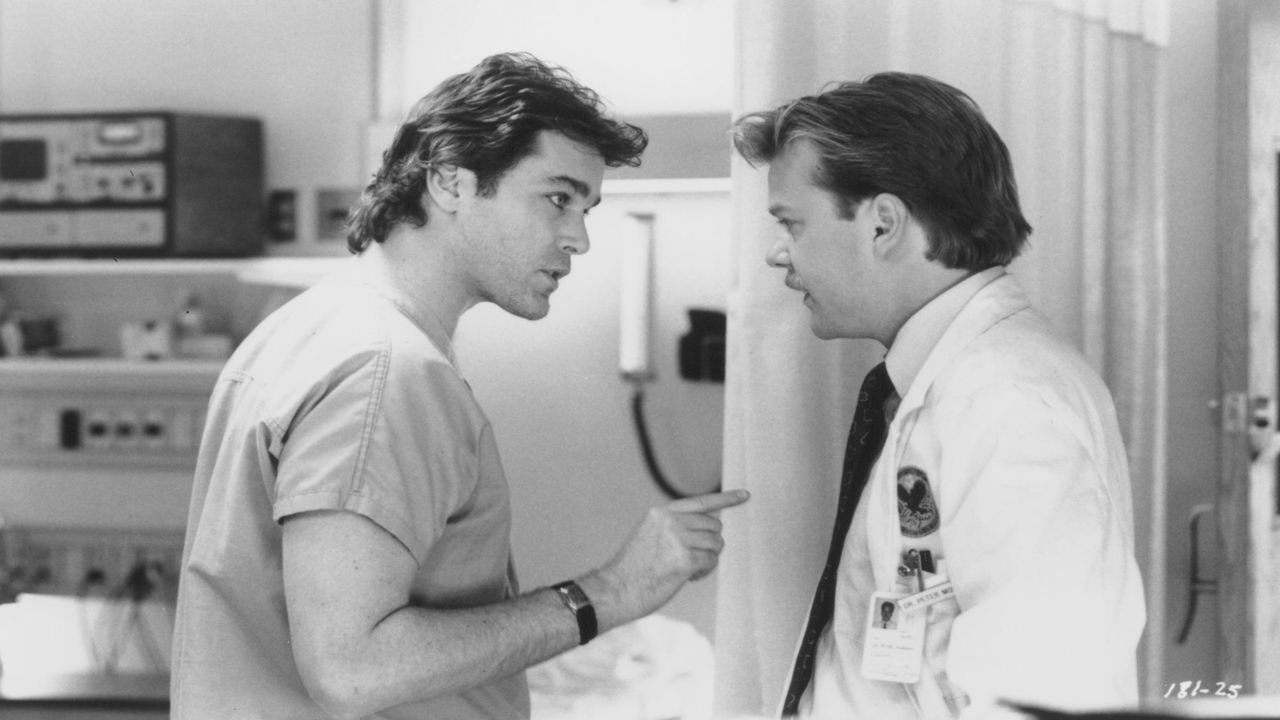
What truly elevates Article 99 beyond a simple "issue" film are the performances, particularly from its leads. Ray Liotta, fresh off his unforgettable turn in Goodfellas (1990), is magnetic as Sturgess. He vibrates with a barely contained righteous fury, masking a deep well of compassion beneath layers of sarcasm and rule-breaking bravado. It’s a performance crackling with lived-in weariness and defiant energy. Watching him clash, and eventually connect, with Kiefer Sutherland's Dr. Morgan provides the film's central dynamic. Sutherland, already a star through films like Young Guns (1988) and Flatliners (1990), charts Morgan's arc from wide-eyed naivete to hardened pragmatism beautifully. His initial shock gives way to a reluctant understanding, and finally, a determined complicity in the "supply-side" medicine Sturgess and his team practice.
They're supported by a fantastic ensemble that feels utterly believable as a worn-down but resilient hospital staff. Forest Whitaker, bringing his signature quiet intensity seen in films like Bird (1988), is wonderful as Dr. Sid Handleman, the weary conscience trying to navigate the impossible middle ground. John C. McGinley provides cynical comic relief as Dr. Rudy Bobrick, Lea Thompson adds warmth and competence as nurse Robin Van Dorn, and veterans like Eli Wallach and Keith David lend gravity to the plight of the patients caught in the crossfire. Each face adds a layer to the film’s textured portrayal of this pressure-cooker environment.
Retro Fun Facts: Behind the Red Tape
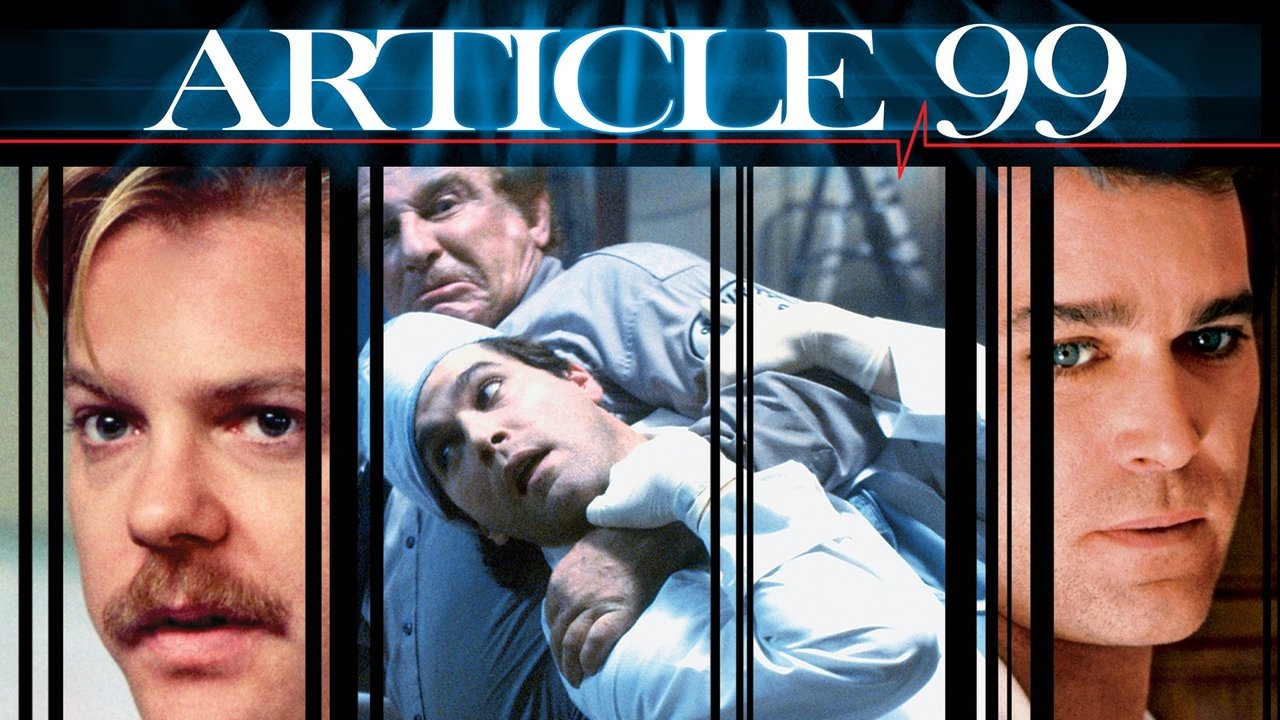
- The film's title directly refers to the VA loophole central to the plot – a bureaucratic detail that writer Ron Cutler likely encountered firsthand, giving the narrative its core conflict.
- While not a box office juggernaut (earning roughly $6.4 million in the US against an estimated $16 million budget), Article 99 found a dedicated audience on home video, resonating with viewers who perhaps recognized the frustrations depicted or were drawn in by the strong cast. Its audience score often sits significantly higher than its initial critical reception, suggesting it struck a chord that perhaps wasn't fully appreciated upon release.
- The score by Danny Elfman, known for his distinctive work with Tim Burton on films like Batman (1989), adds another layer of quirky energy, complementing the film's blend of drama and dark humor without overwhelming the human story.
Does It Still Resonate?
Watching Article 99 today, its critique of healthcare bureaucracy and the treatment of veterans feels depressingly relevant. Have things truly changed that much? The film poses difficult questions about ethics: when is it right to break the rules? What is the human cost of prioritizing procedure over people? While its narrative arc might lean towards a somewhat hopeful, perhaps slightly Hollywoodized, resolution, the anger that fuels the preceding two hours feels utterly genuine. It occasionally dips into melodrama, sure, and some characterizations might feel a touch archetypal, but the core message lands with undeniable force.
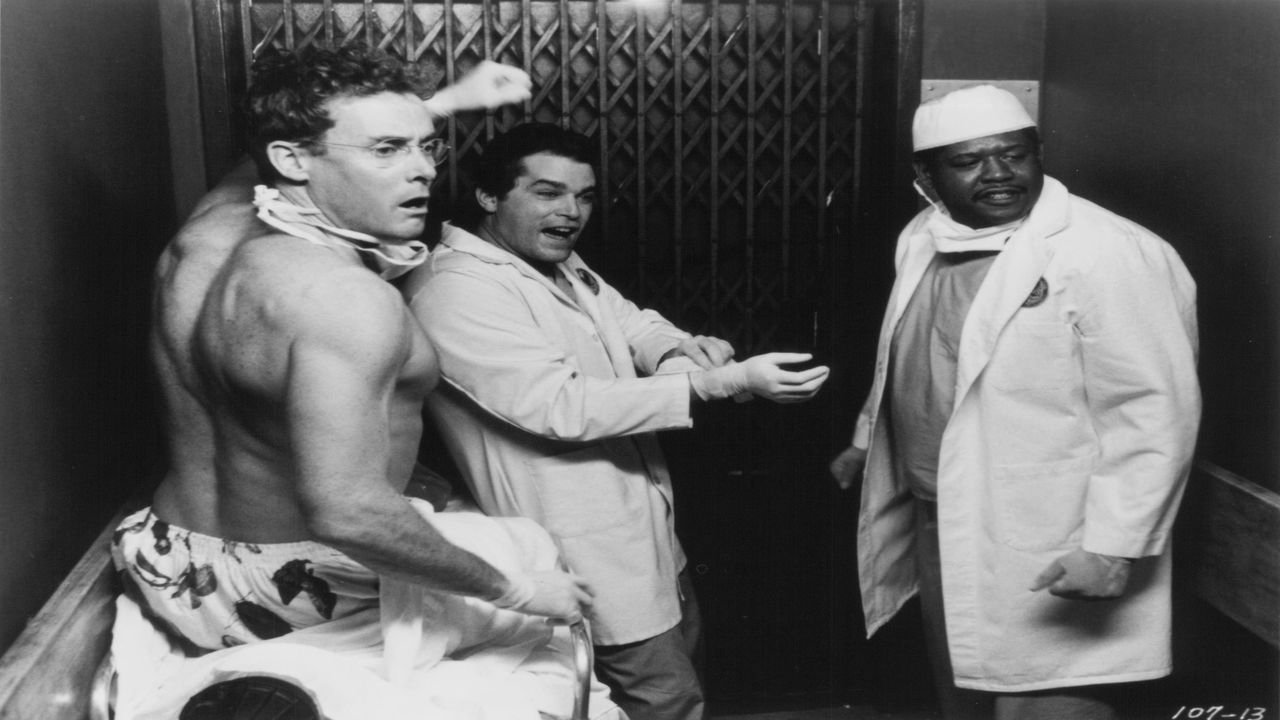
I remember renting this tape, probably drawn by Liotta and Sutherland, and being completely sideswiped by its intensity and its anger. It wasn't just entertainment; it felt like a dispatch from a battlefield many didn't even know existed.
Rating: 7/10
Article 99 earns its score through the sheer conviction of its performances, particularly Liotta and Sutherland, and its willingness to tackle a complex, frustrating issue with passion and dark wit. While perhaps not perfectly polished, its authentic anger, grounded in real-world experience and bolstered by a strong ensemble cast, makes it a compelling and memorable piece of early 90s filmmaking. It might not have topped the charts, but it delivered a diagnosis of systemic failure that still feels relevant, leaving you with a lingering question: How much progress have we really made?