### Echoes Within Four Walls: Reflecting on The Family (1987)
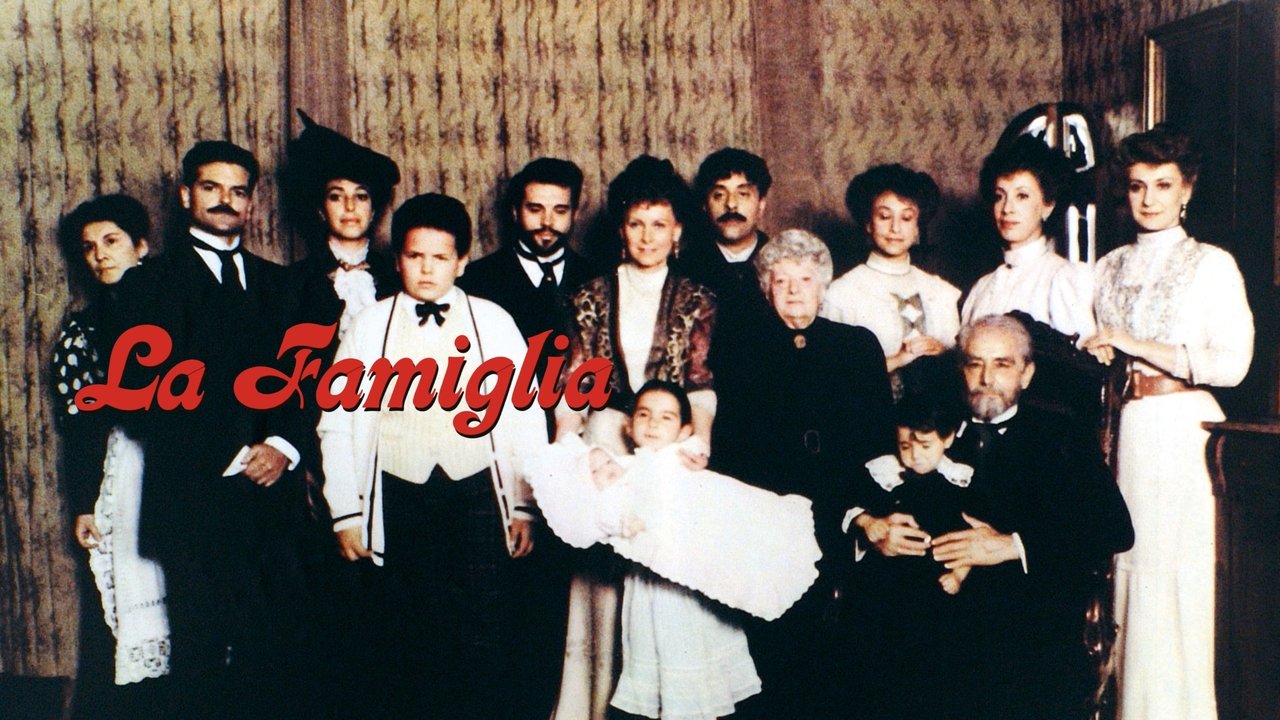
Imagine an apartment, not just as bricks and mortar, but as a silent, enduring witness. Picture the generations flowing through its rooms, the wallpaper absorbing eighty years of laughter, secrets, celebrations, and sorrow. This is the profound, deceptively simple stage for Ettore Scola's remarkable 1987 film, The Family (La famiglia), a picture that might have seemed an unusual pick from the video store shelf back in the day, nestled perhaps between action blockbusters and teen comedies, but one that offered, and still offers, a deeply resonant viewing experience.
A Lifetime in Rooms
Unlike sprawling historical epics, Scola, working with renowned screenwriters Ruggero Maccari and Furio Scarpelli (a trio celebrated for classics like We All Loved Each Other So Much (1974)), confines his narrative almost entirely within the walls of a single middle-class Roman apartment. We follow the life of Carlo, portrayed with astonishing depth and nuance across different ages primarily by the legendary Vittorio Gassman, one of Italian cinema's true titans. The film unfolds episodically, jumping between significant moments – a baptism in 1906, childhood games, youthful courtship, marriage, wartime anxieties, births, deaths, anniversaries – all anchored to this central, unchanging space. It’s a structure that mirrors memory itself: not linear, but a collection of potent vignettes that define a person, a family.
The Weight of Unspoken Things
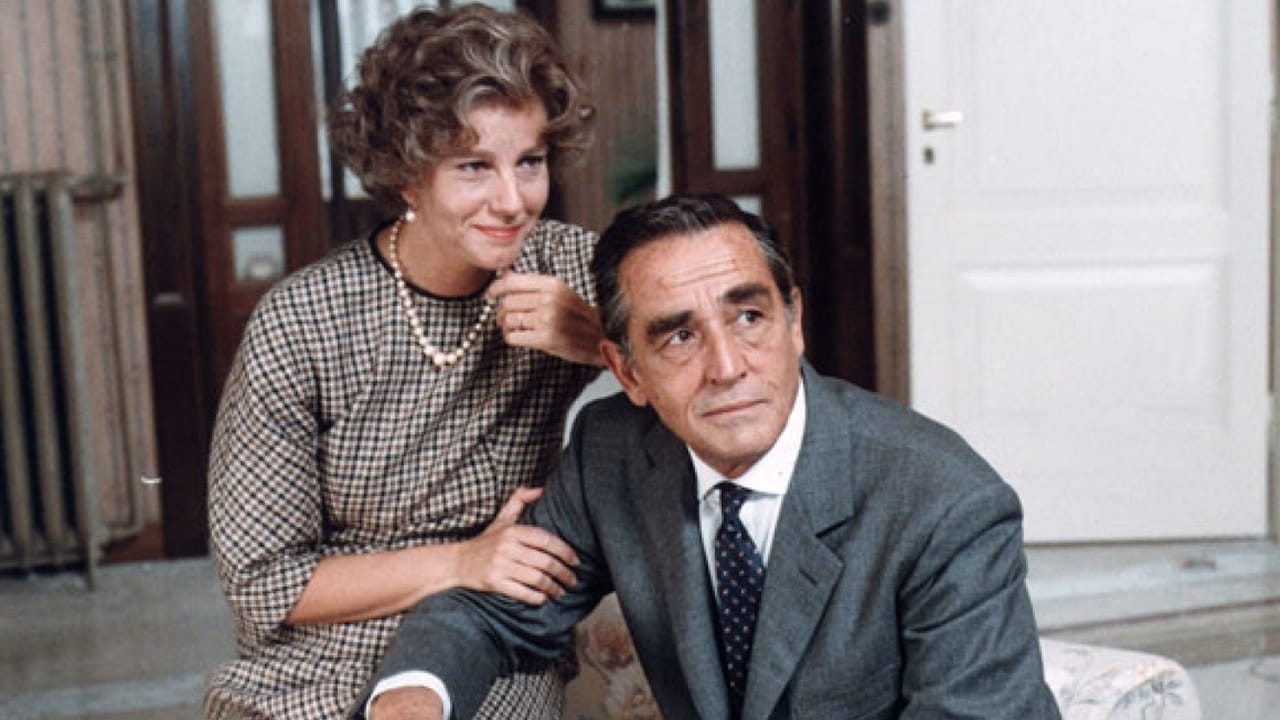
What elevates The Family beyond a mere chronicle is its focus on the intimate, often unspoken dynamics that shape relationships. Carlo marries the gentle Beatrice (Stefania Sandrelli, radiating warmth and quiet resignation), yet carries a lifelong, complex affection for her more vivacious sister, Adriana (Fanny Ardant, captivating and restless). Their scenes together crackle with unspoken history, with paths not taken. Gassman masterfully conveys Carlo's inner life – the regrets, the joys, the compromises – often through just a glance or a weary sigh. It’s a performance built on subtlety, embodying the quiet weight that accumulates over decades lived within the intricate web of familial expectations and affections. Isn't that often where the true drama of life resides, not in grand declarations, but in the silences and the shared glances across a crowded room?
Crafting Time's Passage
The technical achievement here is considerable. Scola and his team faced the challenge of depicting eighty years without ever leaving the apartment (save for brief opening and closing glimpses outside). The production design subtly shifts – furniture styles evolve, technology appears (a radio, then a television), photos on the walls change – marking time's relentless march. The camera often glides through the rooms, connecting past and present, sometimes capturing multiple generations interacting within the same frame, reinforcing the sense of continuity and cyclical patterns. I recall finding a copy of this on VHS, perhaps drawn by the European flavour or the promise of something different. It wasn't a film you discussed loudly afterwards; it was one that settled in, prompting quieter thoughts about one's own family history. It was a fascinating counterpoint to the louder fare typically dominating the rental shelves.
Retro Fun Facts: Behind the Apartment Doors
- The Apartment Set: The entire film, spanning eight decades, was indeed shot on a meticulously designed soundstage set representing the apartment, a testament to the skill of production designer Luciano Ricceri.
- Gassman's Legacy: For audiences perhaps less familiar with Italian cinema giants, Vittorio Gassman was a commanding presence, equally adept at comedy and drama, often called "Il Mattatore" (The Showman). Seeing him embody Carlo's entire adult life is a masterclass.
- Critical Acclaim: The film's quiet power resonated internationally. It received a nomination for the Academy Award for Best Foreign Language Film, a significant achievement showcasing its artistry. It also competed for the Palme d'Or at Cannes. Did that Oscar buzz help it find its way onto more discerning video store shelves? One hopes so.
- Scola's Vision: Ettore Scola often explored Italian social history through personal stories, as seen in his earlier masterpiece A Special Day (1977) with Marcello Mastroianni and Sophia Loren. The Family continues this intimate approach to grand themes.
A Legacy of Moments
The Family isn't about plot twists or grand revelations. Its power lies in its accumulation of moments – the shared meals, the arguments that flare and fade, the quiet reconciliations, the faces aging around the same dining table. It asks us to consider how much of our lives are shaped by the people we share our spaces with, by the history embedded in the very walls around us. What echoes do our own family histories leave behind? The film doesn't offer easy answers, but rather a moving tapestry of human experience, highlighting the bittersweet beauty of continuity and the inevitability of change.
It avoids melodrama, opting instead for a truthful, observational tone that feels earned and deeply human. Watching it again now, decades after first discovering it on tape, the film feels even more poignant, a reminder of the relentless passage of time and the enduring, complex bonds of family.
Rating: 9/10
This score reflects the film's masterful direction, superb ensemble acting led by a towering Gassman, and its uniquely affecting structure. It achieves precisely what it sets out to do – offering a profound, intimate portrait of life, love, and time within the confines of family. It might lack the immediate thrills of other VHS-era staples, but its quiet power lingers long after the credits roll.
The Family remains a beautiful, melancholic ode to the ordinary, extraordinary business of living a life surrounded by those who know us best, and longest. A true gem worth seeking out.