Okay, fellow travelers in time and tape, let's dim the lights and settle in. Sometimes, flipping through those dusty stacks at the back of the rental store, you'd stumble upon something different. Not the latest Stallone or Schwarzenegger epic, but a foreign film cover, often hinting at something quieter, maybe more intense. Gérard Krawczyk's L'été en pente douce (1987), roughly translating to "Summer on a Gentle Slope," was exactly that kind of discovery – a sun-drenched, deceptively languid French drama that sinks under your skin and stays there, smelling faintly of Gauloises, cheap wine, and simmering resentment.
A Troubled Homecoming
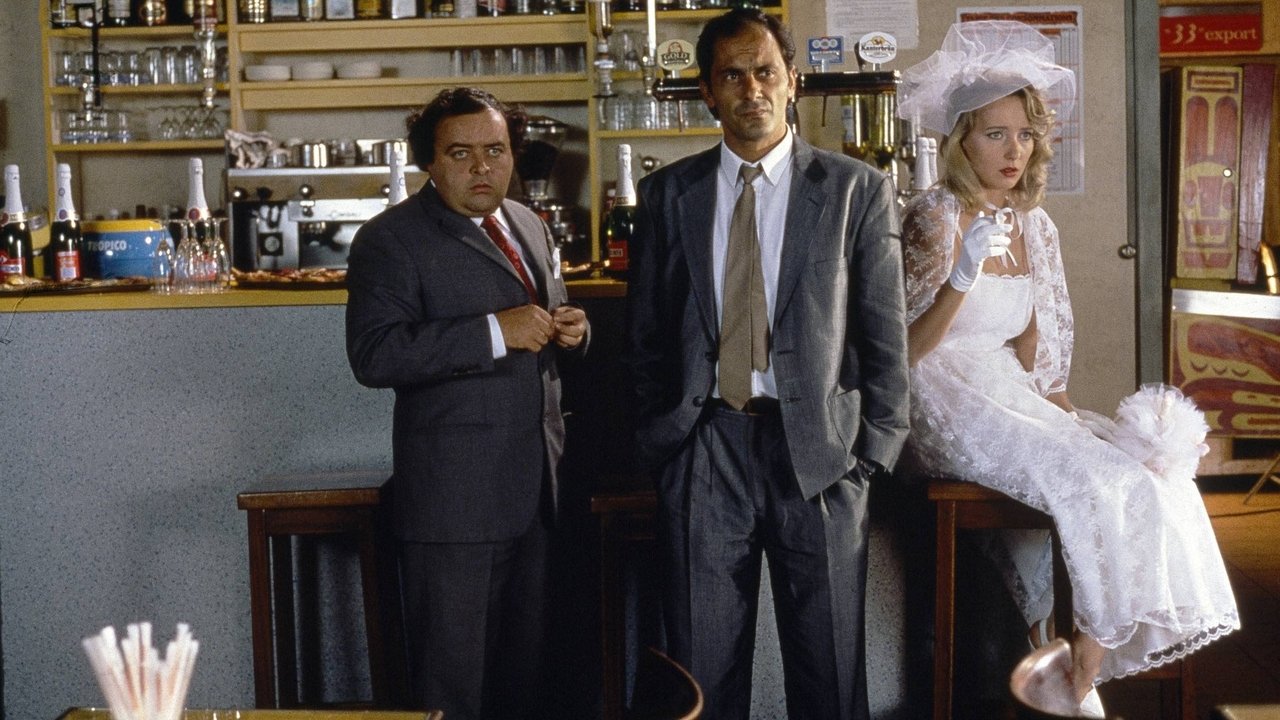
The premise feels almost like a classic noir setup transplanted to the sleepy, sun-baked French countryside. Fane (Jean-Pierre Bacri), world-weary and perpetually looking for an angle or an escape, inherits his mother's dilapidated house in the provinces after her death. He returns not alone, but with the enigmatic and devastatingly beautiful Lilas (Pauline Lafont) in tow, a woman whose past is as vague as her allure is potent. Waiting for them is Fane’s brother, Mo (Jacques Villeret), a man whose gentle nature and intellectual disability make him both endearing and intensely vulnerable. The dream? Fix up the house, find some peace, maybe even build a life away from whatever troubles Fane and Lilas left behind. But peace, as we know from countless reels spooled through our VCRs, is often tragically elusive.
Beneath the Surface Calm

What Krawczyk, working from Pierre Pelot's novel, captures so effectively is the oppressive atmosphere of a small town where everyone knows your business, or thinks they do. The summer heat is palpable – you can almost feel the sweat prickling on your neck, the laziness of the long afternoons. Yet beneath this placid surface, tensions coil like snakes in the sun-scorched grass. The local bullies, the Brac brothers, view the newcomers with suspicion and Lilas with predatory lust. The villagers watch, whisper, and judge. The inherited house, meant to be a sanctuary, quickly becomes a pressure cooker.
It's a film that understands the slow build, the way minor aggressions can escalate, the way desire and frustration curdle in the heat. Krawczyk, who would later find massive success directing the high-octane Taxi sequels, here displays a patient, observant eye. He lets scenes breathe, focusing on telling glances, unspoken resentments, and the simmering potential for violence that hangs heavy in the humid air. The "gentle slope" of the title feels increasingly ironic; it's less a gentle incline and more a slow, inevitable slide towards confrontation.
A Trio of Unforgettable Performances


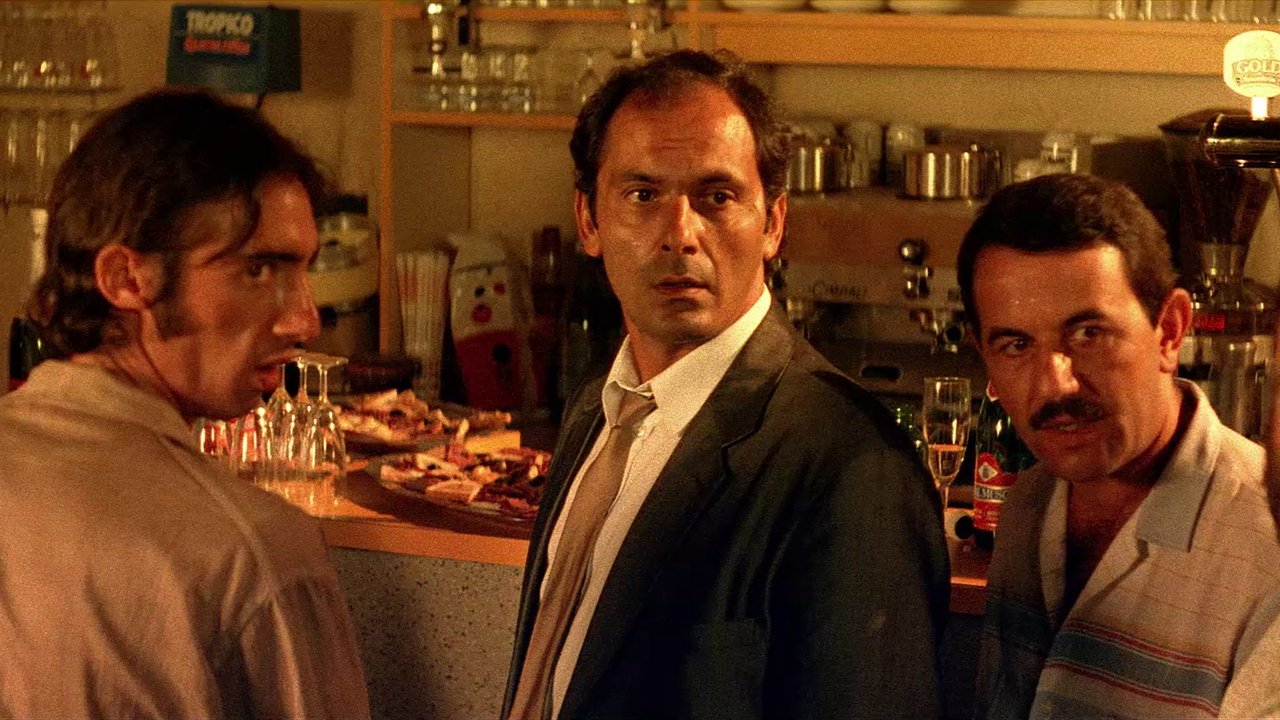
The film rests squarely on the shoulders of its three leads, and they are magnificent. Jean-Pierre Bacri, who sadly left us in 2021, is perfect as Fane. He embodies a specific kind of French masculine weariness – cynical, protective of his brother, capable of sudden tenderness and equally sudden fury. You see the weight of responsibility on him, the flicker of hope constantly battling his ingrained pessimism. It's a grounded, deeply felt performance.
Then there's Jacques Villeret, an actor beloved in France, perhaps best known internationally for Le Dîner de Cons (1998). As Mo, he delivers a performance of extraordinary sensitivity. He portrays Mo's vulnerability and simple joys without ever resorting to caricature or sentimentality. His bond with Bacri's Fane feels utterly authentic, the protective older brother and the dependent younger one forming the bruised heart of the film. It’s a performance that demands empathy and receives it.
And Pauline Lafont... ah, Lilas. Lafont is magnetic. She radiates a potent mix of sensuality, free-spiritedness, and an underlying fragility. Lilas is the catalyst, the disruption, the object of desire and scorn who throws the town's precarious balance completely off-kilter. There’s a mystery to her, a sense that she’s running from something just as much as Fane is. Tragically, Lafont died in a hiking accident just months after the film's release, at the age of 25. This knowledge casts an unavoidable poignancy over her vibrant performance, making her portrayal of Lilas – a woman seeking freedom but perhaps finding entrapment – resonate even more deeply. She received a posthumous César Award nomination (the French equivalent of the Oscar) for Best Supporting Actress for this role, a testament to her unforgettable screen presence.
Retro Fun Facts & Lasting Impressions
Filmed primarily in the Drôme region of southeastern France, the location itself becomes a character – beautiful, isolating, and resistant to outsiders. While not a massive international hit, L'été en pente douce remains a well-regarded film in France, appreciated for its atmosphere and powerful acting. It's a world away from Krawczyk's later blockbuster fare, showcasing a more introspective side to his directorial talent. It reminds us that sometimes, the most potent dramas aren't about explosions or grand conspiracies, but about the volatile chemistry between damaged people in a confined space.
What lingers most after the credits roll? It's the heat, the dust, the taste of cheap red wine, and the faces of Bacri, Villeret, and Lafont. It's the unsettling feeling that sometimes, the quietest places harbor the most dangerous currents. Did Fane ever really believe they could find peace there, or was it just another doomed gamble? The film doesn't offer easy answers.
Rating: 8/10
This score reflects the film's undeniable strengths: the exceptional, authentic performances from the central trio, the thick, palpable atmosphere Krawczyk creates, and its unflinching look at desire, resentment, and the cruelty that can fester in small communities. It avoids melodrama, opting for a slow-burn intensity that feels earned. It might be too languidly paced for some, and its downbeat tone offers little comfort, but as a piece of potent character-driven drama, it's a standout from the era.
L'été en pente douce is a reminder of those quieter, more challenging finds waiting in the foreign film aisle – a potent, melancholic journey down a slope that proves anything but gentle. It leaves you with the sticky residue of a long, hot, troubled summer.